
Film
Guillermo del Toro's Pinocchio
A darkly beautiful stop-motion reimagining that abandons the morality-tale straightjacket to tell something far stranger and sadder. Del Toro sets Pinocchio during fascist Italy, transforming a wooden boy's search for purpose into a meditation on free will, obedience, and the violence of expectation. Gorgeous, occasionally grotesque, utterly original.
Should you watch it?
Watch it if you love stop-motion crafted with visible hands, where a fairy tale carries real grief and a sharp political chill underneath its whimsy.
Skip it if you want a brisk, breezy family outing, since this one lingers on melancholy, a slow emotional build, and a stretch of wartime unease that runs longer than younger viewers might like.
What it asks of you: It runs just under two hours at a deliberate, unhurried pace, moving between playful wonder and sombre moments, and it rewards patience more than quick reactions.
Not sure? Find tonight's pick in a minute.
If you liked this
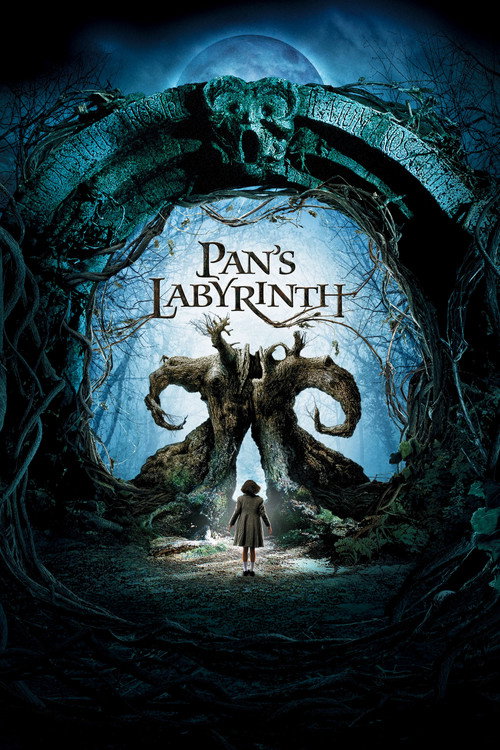
Pan's Labyrinth2006
Del Toro's Spanish Gothic masterpiece: a girl navigates a dark fantasy world during Franco's regime. Same director, same visual genius, same willingness to let horror and beauty coexist without apology.
But The violence is unflinching and real. This isn't escapism; it uses fantasy to examine fascism's cruelty.
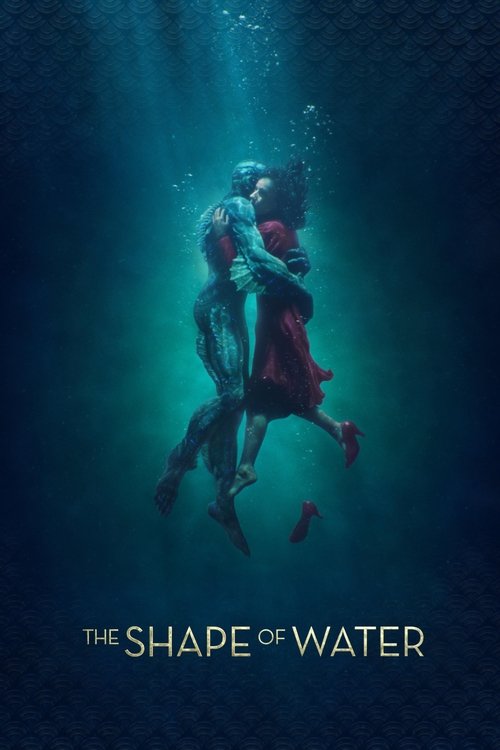
The Shape of Water2017
Another del Toro fairy tale for adults, set during Cold War paranoia. Lush, melancholy, formally inventive—proof he doesn't need a source text to create wonder, just the freedom to follow his instincts.
But The pacing is deliberate. If you want plot momentum over atmosphere, this will feel slow.
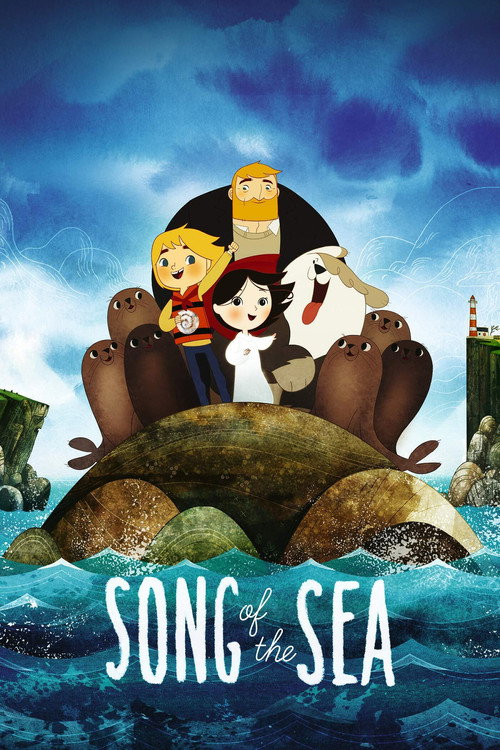
Song of the Sea2014
Tomm Moore's stop-motion Irish folklore about a boy and his selkie sister. Hand-drawn beauty, mythic sadness, a child learning that the world is more complicated than he was told.
But It's quiet and introspective. Nothing explodes. The story takes its time to break your heart.
Not sure tonight? Get a pick in a minute, starting from Guillermo del Toro's Pinocchio
The wildcard
Something you would not have found on your own.
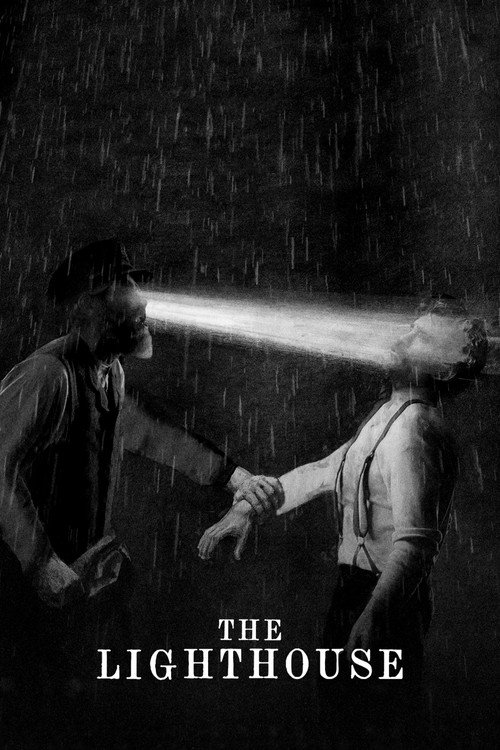
The Lighthouse2019
Both use formal constraint to trap you in a character's distorted reality. Both ask what happens when a man (wooden or human) is forced to serve another's obsession.
Two men, one island, inexplicable compulsion. Shot in black-and-white and shot in 4:3 aspect ratio to feel timeless and slightly wrong. Like Pinocchio, it's about obedience, madness, and a world that doesn't behave by normal rules.
But It's abstract and hallucinatory. If you need plot clarity and character motivation explained, you will feel lost and frustrated.
More like this (8)
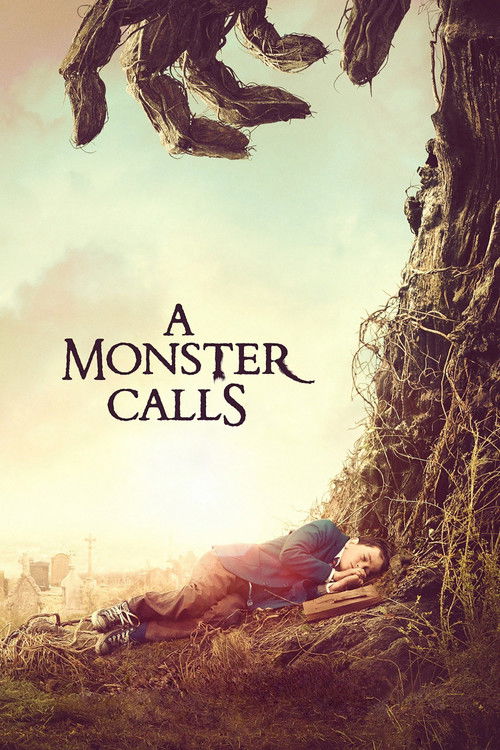
A Monster Calls2016
A boy speaks to a tree monster about grief and his dying mother. Moves between live-action and stunning animation, asks serious questions about growing up, and refuses easy comfort.
But It's about childhood illness and death. If you're grieving, this lands hard. Bring tissues.
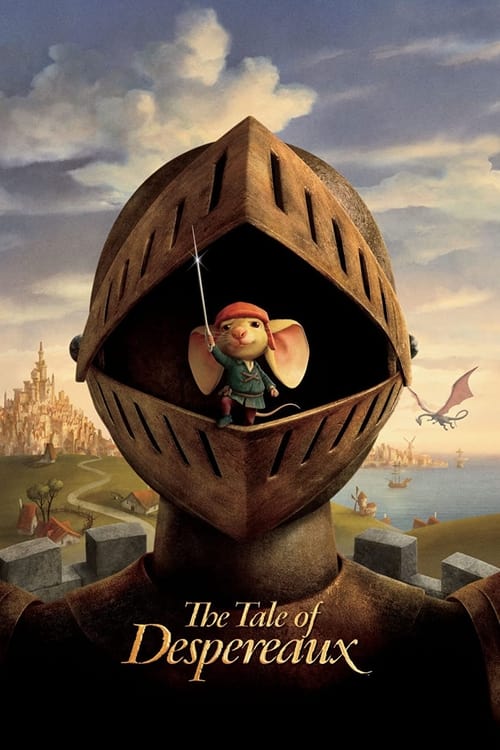
The Tale of Despereaux2008
A small mouse risks everything for love in a lush storybook world. Earnest where del Toro is darkly ironic, but shares the same visual richness and willingness to take children's stories seriously.
But It's sweeter and more forgiving than del Toro's sensibility. If you loved Pinocchio's edges, this might feel too soft.
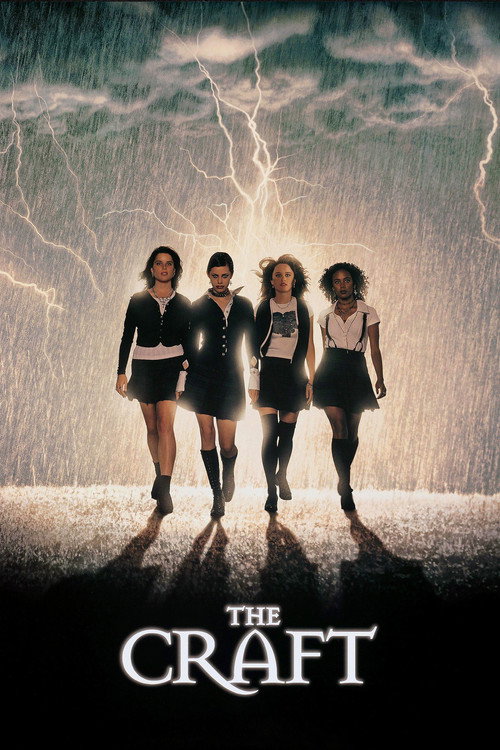
The Craft1996
Four teenage girls discover real power through witchcraft and it corrupts them. A story about desire, transgression, and the cost of getting what you want—del Toro's moral DNA in a grittier register.
But It's '90s goth camp. The style is so specific it can feel dated; the performances occasionally veer toward melodrama.
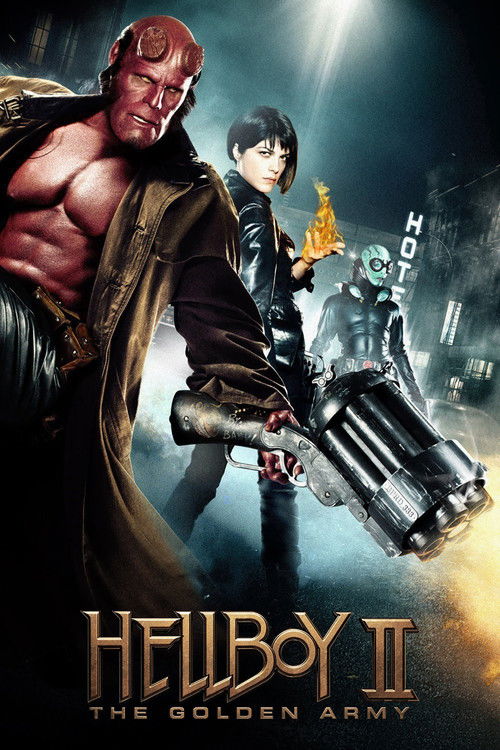
Hellboy II: The Golden Army2008
Del Toro's most playful film: a demon detective fights fairy-tale creatures in a lived-in fantasy New York. Beautifully weird practical creature design, genuine affection for monster-movie pulp.
But It's far lighter than his other work. If you wanted more darkness, this will feel like del Toro on a holiday.
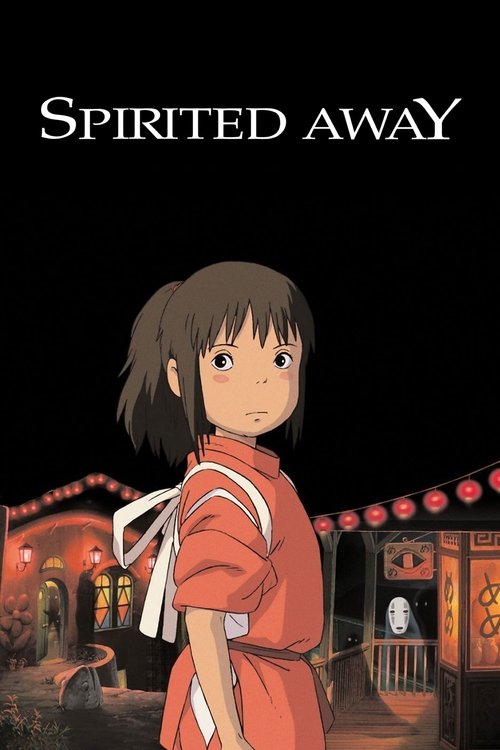
Spirited Away2001
Miyazaki's masterpiece: a girl enters a bathhouse of spirits and must survive through wit and compassion. Different tradition, same refusal to simplify; children's adventure with genuine spiritual weight.
But It's long, episodic, and culturally specific. Some plot threads matter less than mood and world-building.
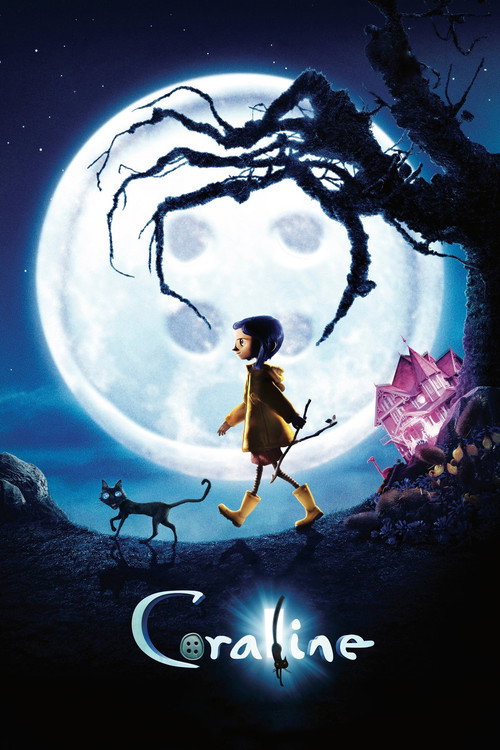
Coraline2009
Stop-motion horror: a girl discovers an unsettling parallel world where everything is almost right. Genuinely creepy without being gratuitous; proves animation can deliver dread as effectively as live action.
But The uncanny-valley design is deliberately uncomfortable. If button eyes make you squirm, this entire film is an endurance test.
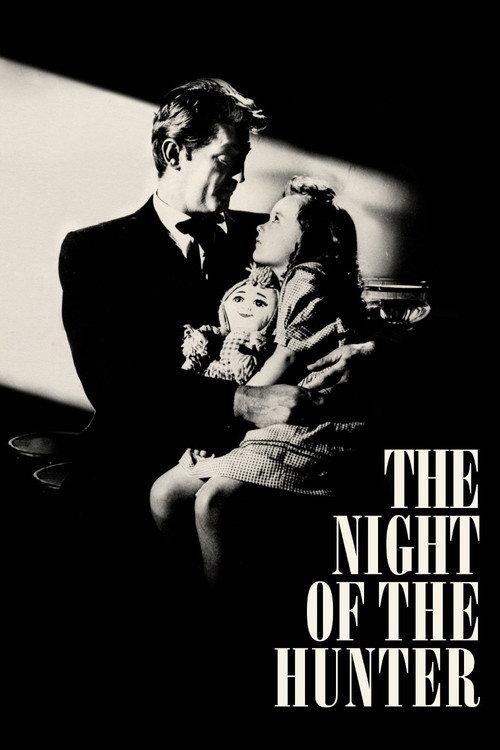
The Night of the Hunter1955
Both films understand that children's stories can be about predatory adults. Both are about what happens when innocence meets someone's hunger for control.
A preacher with LOVE tattooed on one hand and HATE on the other hunts two children for hidden money. Only film directed by an actor (Charles Laughton); visually baroque, morally baroque. Pure nightmare cinema made before del Toro was born.
But It's black-and-white, made in 1955, and deeply strange. If you need a contemporary aesthetic, you'll struggle to let it breathe.
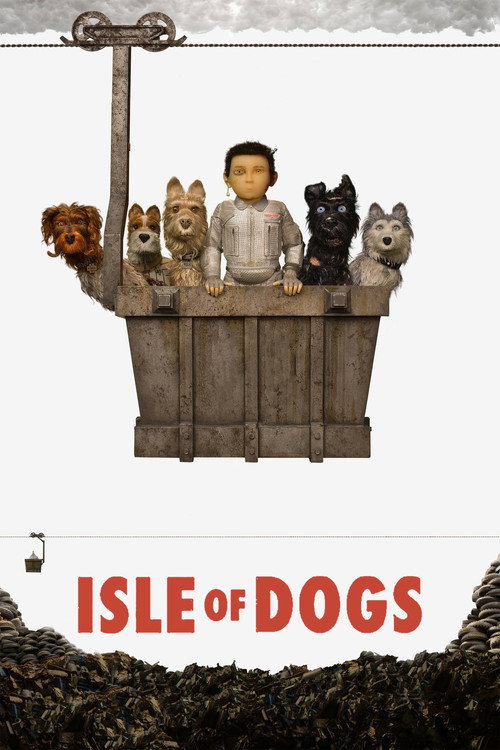
Isle of Dogs2018
Both use stop-motion animation to explore authority, exile, and belonging. Both ask what we owe to those society has decided to discard.
Wes Anderson's stop-motion film about exiled dogs on a trash island during a dystopian Japanese city's purge. Formally meticulous where del Toro is baroque; equally fantastical, equally committed to the premise.
But Anderson's symmetry and color-coding can feel cold. If del Toro's emotional generosity is why you loved Pinocchio, this precise, distanced approach might feel sterile.
People
Cast
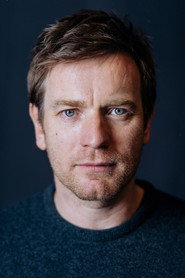 Ewan McGregorCricket (voice)
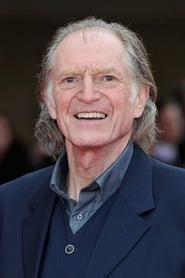 David BradleyGeppetto (voice)
 Gregory MannPinocchio / Carlo (voice)
 Burn GormanPriest (voice)
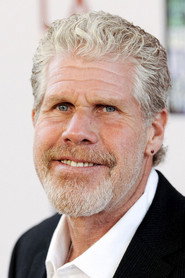 Ron PerlmanPodesta (voice)
 John TurturroDottore (voice)
 Finn WolfhardCandlewick (voice)
 Cate BlanchettSpazzatura (voice)
 Tim Blake NelsonBlack Rabbits (voice)
 Christoph WaltzCount Volpe (voice)
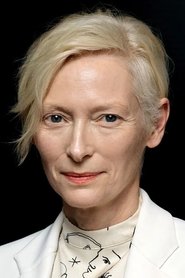 Tilda SwintonWood Sprite / Death (voice)
 Tom KennyMussolini / Right Hand Man / Sea Captain (voice)
Directing
- Guillermo del ToroDirector
- Mark GustafsonDirector
- Jared BumgarnerFirst Assistant Director
- Brad BurnsSecond Assistant Director
- Holly WernerSecond Assistant Director
- Calvin DavisThird Assistant Director
- Liz SchachterleThird Assistant Director
- Lotty VigueThird Assistant Director
Writing
- Carlo CollodiBook
- Vera BrosgolHead of Story
- Guillermo del ToroLyricist
- Patrick McHaleLyricist
- Roeban KatzLyricist
- Guillermo del ToroScreenplay
- Patrick McHaleScreenplay
- Guillermo del ToroScreenstory
- Matthew RobbinsScreenstory
- Brian OrmistonStory Artist
- Edgar MartinsStory Artist
- Graham AnnableStory Artist
- Keely ProppStory Artist
- Morag Walker-WesselmanStory Artist
- Pieter KroonStory Artist
- Vitor Sérgio SampaioStory Artist
Production
- Mary HidalgoCasting
- Mary HidalgoCasting Director
- Blanca ListaCo-Producer
- Gris GrimlyCo-Producer
- Melanie CoombsCo-Producer
- Jason LustExecutive Producer
- Alexander BulkleyProducer
- Corey CampodonicoProducer
- Gary UngarProducer
- Guillermo del ToroProducer
- Lisa HensonProducer
- Sara CrowleyProduction Manager
- Melanie CoombsProduction Supervisor
Recommended by
Pan's Labyrinth, The Devil's Backbone, Pan, Cryptozoo, Strange Magic, The House with a Clock in Its Walls, The Tale of the Three Brothers