
Film
Contraband
Other titles called Contraband: the 1940 film, the 2012 film.
A Neapolitan cigarette smuggler finds his operation threatened when a rival moves cocaine into the territory, sparking a turf war that pulls him deeper into criminal violence. This 1980 Italian crime film has the kinetic energy and moral greyness of the era's best genre work—stylish, brutal, unpretentious. For viewers who love crime stories that don't apologize for their setting.
Should you watch it?
Watch it if you like Italian crime films that favor grimy street-level dealing, family loyalty and sweaty back-room bargaining over tidy plotting, and you enjoy the gritty texture of that era's Euro-crime cinema.
Skip it if you need a lean, fast-moving thriller; this one lingers over Naples back alleys and family rows, so momentum comes and goes.
What it asks of you: Ninety-seven minutes of talk, scheming and back-room dealing, with the tone staying dour and the violence arriving in short, hard bursts rather than as a steady stream.
Not sure? Find tonight's pick in a minute.
If you liked this
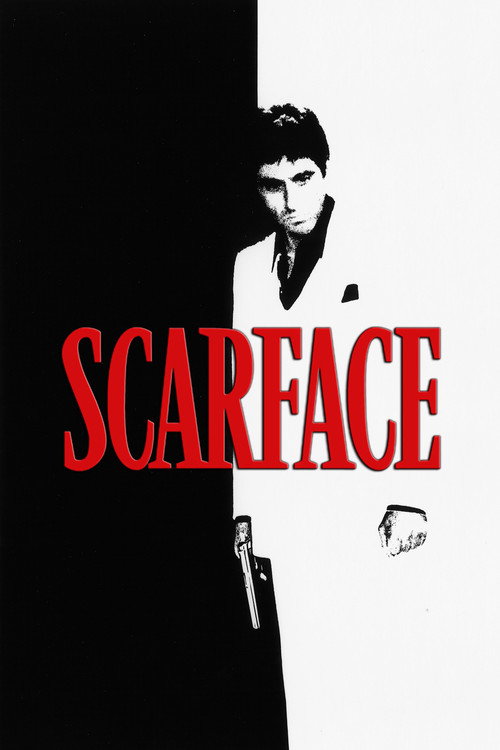
Scarface1983
A kingpin's rise and fall in Miami cocaine wars, with equal commitment to spectacle and the moral rot underneath. De Palma's direction transforms familiar crime beats into operatic tragedy.
But Nearly three hours of increasingly unhinged excess, and Pacino's accent is divisive. Some find it dated; others find that part of the point.
The Godfather Part II1974
Parallel stories of Michael Corleone's consolidation of power and his father's rise in Depression-era New York. The gold standard for how crime storytelling can achieve literary depth without losing momentum.
But Slow by modern standards, and the parallel structure demands attention. At three hours twenty, it's a commitment.

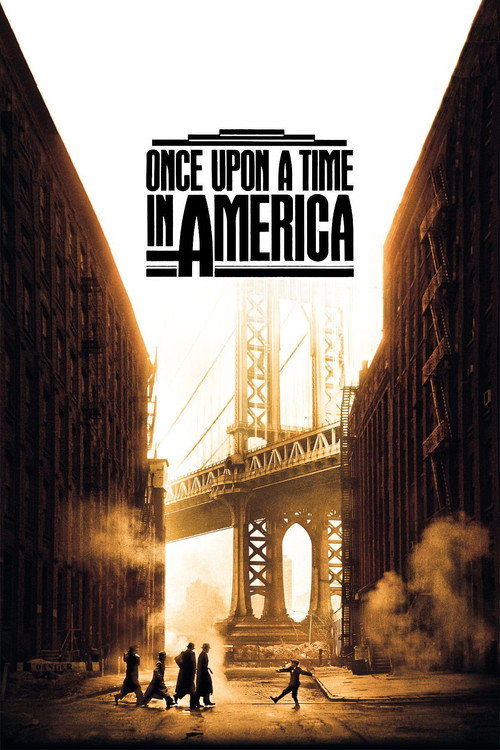
Once Upon a Time in America1984
Sergio Leone's final film traces a criminal friendship across decades with dreamlike precision and genuine sorrow. Visually sumptuous, morally complex, endlessly rewatchable.
But Nearly four hours in the director's cut, with a non-linear structure that can feel impenetrable on first viewing. Requires patience and surrender.
Not sure tonight? Get a pick in a minute, starting from Contraband
The wildcard
Something you would not have found on your own.
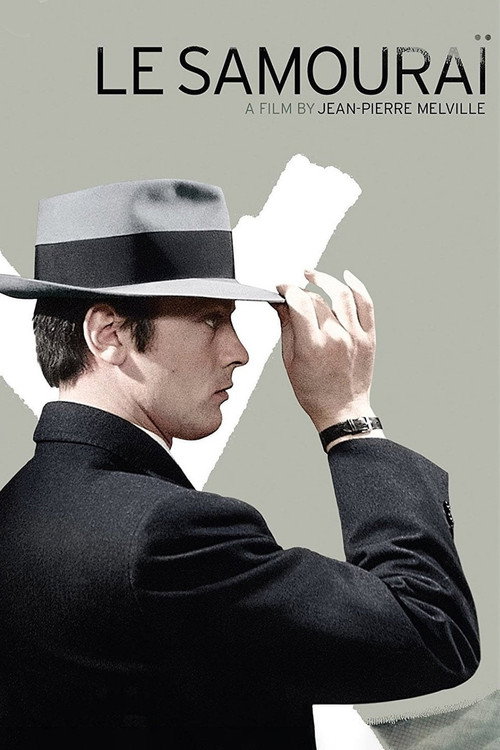
Le Samouraï1967
Both films elevate genre pulp through formal precision and visual control. Where Contraband bludgeons with energy, Le Samouraï does it with geometry and empty space—same commitment to style, opposite temperature.
Melville's minimalist hitman thriller predates everything in the crime-film lexicon and makes them all seem verbose. A professional killer moves through Paris with the economy of a samurai code; ninety minutes of pure style and silence.
But Almost no dialogue, a plot you could fit on a postcard, and a visual aesthetic that prizes form over narrative momentum. Feels more like experimental cinema than a conventional thriller.
More like this (8)
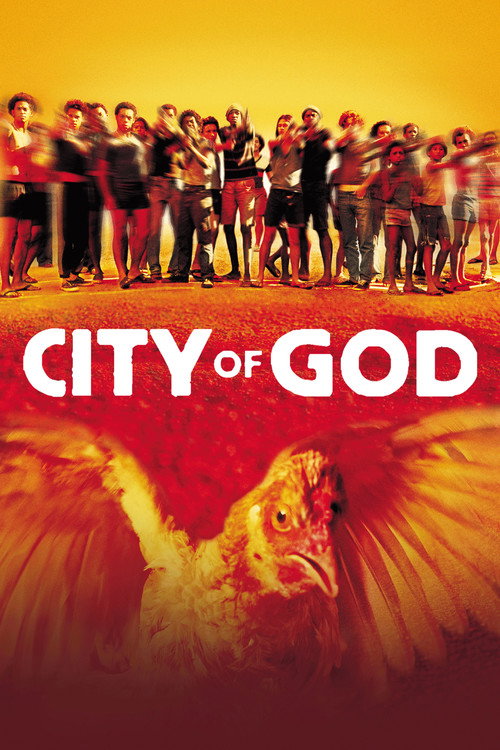
City of God2002
Brazilian favela warfare told with kinetic urgency and black humour, following young criminals navigating turf wars and poverty. The energy is infectious; the humanity underneath is real.
But Graphic violence and street-level desperation throughout. The rapid cutting and slang-heavy dialogue can be exhausting rather than exhilarating.
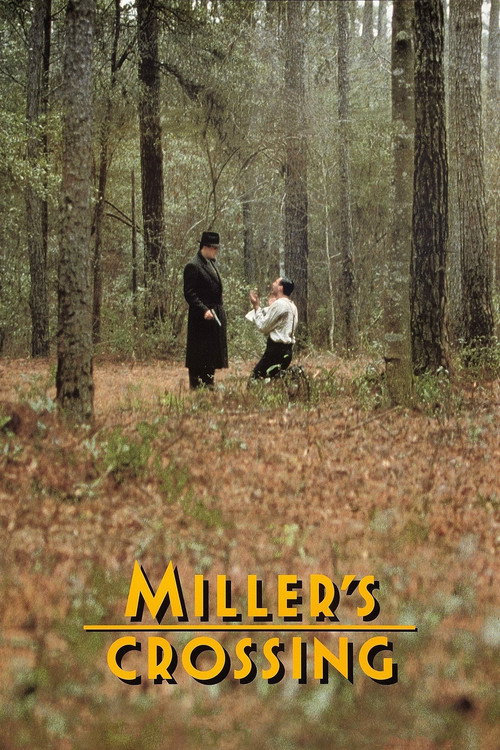
Miller's Crossing1990
Coen Brothers' Prohibition-era crime film with dialogue like music and a moral structure that rewards close attention. Stylish without being cold; violent without being gratuitous.
But Deliberately artificial in its tone and rhythm. If you want realism or straightforward plot, this mannered approach will feel like affectation.
In the Mood for Love2000
Wong Kar-wai's operatic romance set in 1960s Hong Kong, with visual composition so meticulous it stops time. A masterclass in how colour and geometry can convey feeling.
But Almost plotless, and the pace is glacial by design. The sensuality that captivates some viewers feels precious or empty to others.

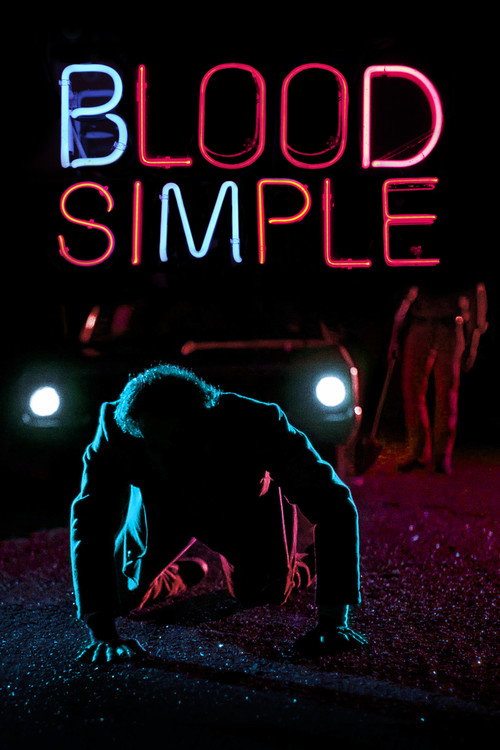
Blood Simple1985
Coen Brothers' debut wrings maximum dread from a simple Texas murder plot, building paranoia and inevitability with surgical precision. Proof that style and substance aren't opposites.
But The Texas noir tone is deliberately detached and cold. Some find it brilliant; others find it emotionally distant and small.
A Prophet2009
French prison drama tracking an illiterate North African boy's rise through the criminal hierarchy with startling speed. Morphs into tragedy without losing the thriller's urgency.
But The prison brutality is sustained and unglamorous. Subtitled, and the politics of immigration require cultural knowledge to fully land.

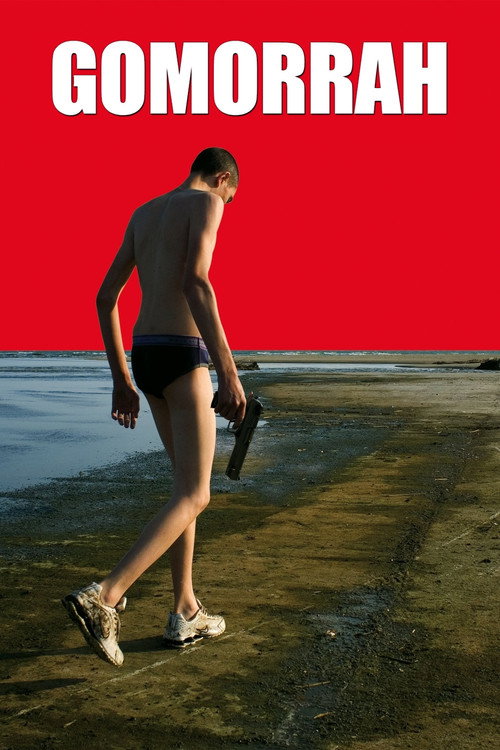
Gomorrah2008
Neapolitan crime filmed with documentary clarity, following multiple characters through the Camorra's everyday operations. Raw, unglamorous, specific to its place.
But Distributed across four separate storylines with minimal connective tissue. If you want a traditional plot, this fractured structure frustrates more than it illuminates.
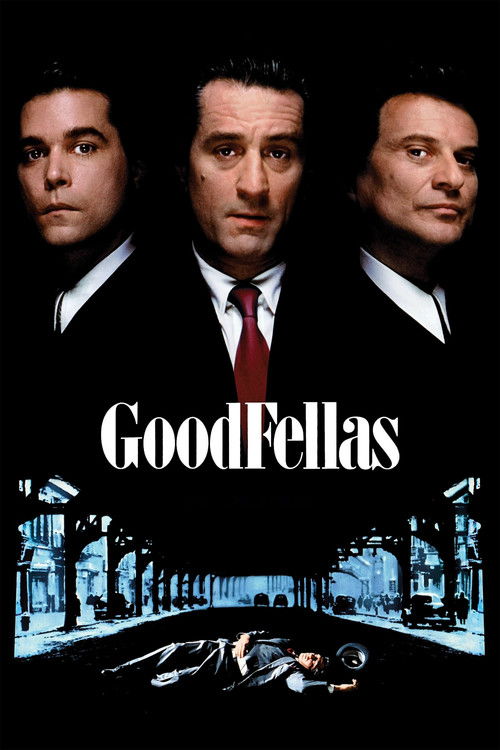
GoodFellas1990
Both follow working-level criminals navigating territorial disputes and rival operations. Goodfellas just has a bigger budget and Scorsese's directorial thunder—same structural DNA, different scale.
Scorsese's Mob epic told from a soldier's-eye view, with propulsive energy, tragicomic dialogue, and the exact right amount of glamour before the paranoid collapse. The pleasure of crime movies without the apology.
But Nearly two and a half hours, and the second half's cocaine-fueled paranoia can feel repetitive. Some viewers find the tonal shifts chaotic rather than effective.
Suspiria1977
Both are European genre films from the late 1970s-early 1980s that use visual excess and score to generate mood over plot clarity. Suspiria takes that tool kit into horror; Contraband stays in crime. Same formal lineage, opposite genre destinations.
Dario Argento's supernatural thriller uses the visual language and pacing of crime films—pursuit, betrayal, urban landscapes—but deploys them in a dance academy where reality corrodes. Technicolor nightmare with a propulsive score.
But The plot is deliberately obscure and the violence is stylized rather than realistic. If you want sense-making or naturalism, the intentional artifice will feel like obstacle rather than art.

People
Cast
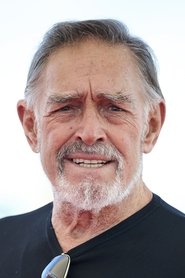 Fabio TestiLuca Di Angelo
 Ivana MontiAdele Di Angelo
 Guido AlbertiDon Morrone
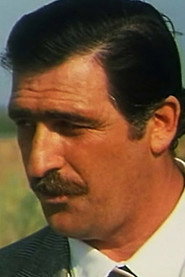 Enrico MaistoMickey Di Angelo
- Daniele DublinoProsecutor
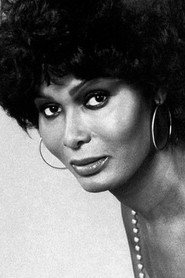 Ajita WilsonLuisa
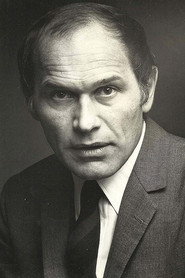 Marcel BozzuffiFrancois Jacois
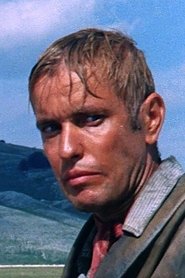 Luciano RossiChemist
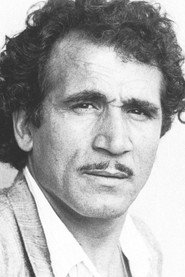 Salvatore BillaMarsigliese Thug
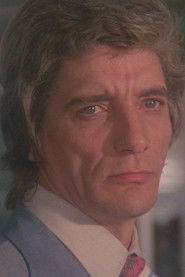 Romano PuppoEnforcer
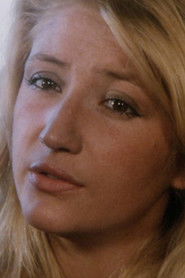 Cintia LodettiUrsula
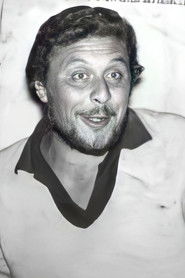 Nello PazzafiniTraitor
Directing
- Daniela TontiContinuity
- Lucio FulciDirector
Writing
- Ettore SanzòScreenplay
- Gianni De ChiaraScreenplay
- Giorgio MariuzzoWriter
- Lucio FulciWriter
Production
- Sandro InfascelliProducer