
Film
A Slight Case of Murder
A 1938 farce in which Edward G. Robinson, fresh from playing gangsters, gets to be funny—a former bootlegger trying to go legit while corpses keep piling up in his house. It's arch, fast, built on physical comedy and double-takes, the kind of thing where nobody plays it straight. For anyone who likes their crime with a wink.
If you liked this
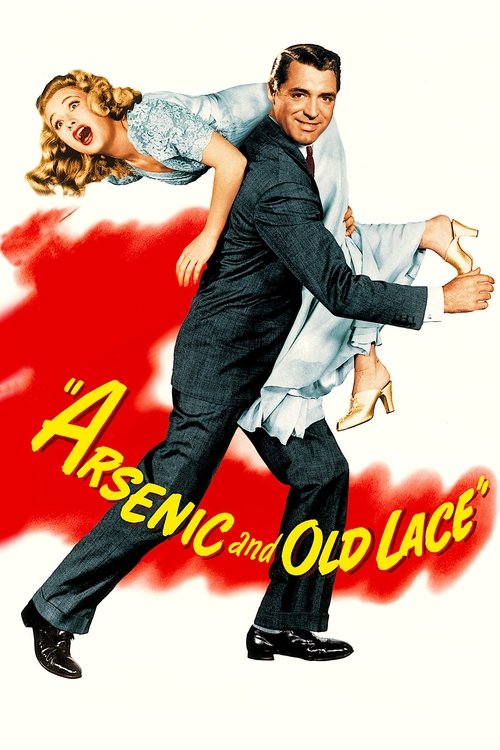
Arsenic and Old Lace1944
Cary Grant anchors a similar premise: respectable people with dark secrets and bodies in the basement, played at breakneck comic speed. It has the same theatrical energy and the same moral inversion—the real monsters are the decent ones.
But It leans heavily on the asylum jokes and screaming hysteria of the era. Some of it lands as cruel rather than funny now.
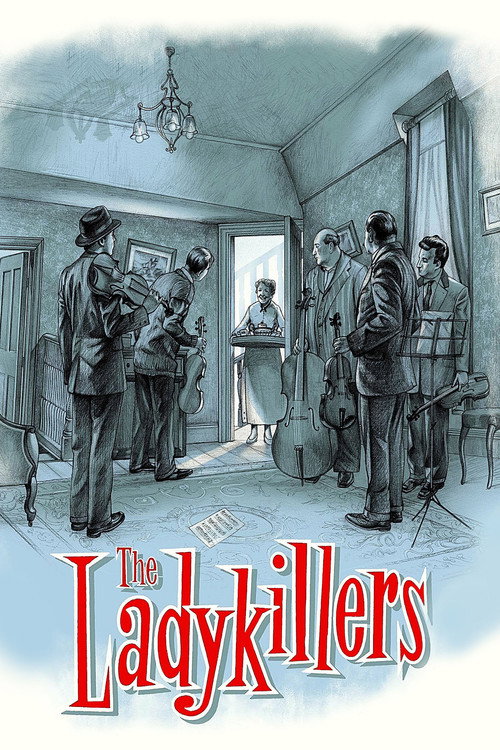
The Ladykillers1955
Five criminals posing as musicians rent from a sweet old landlady. It shares the premise—how do you hide criminality in plain sight?—and that same delight in elaborate deception and slapstick consequences when the plan falls apart.
But The pacing is uneven. Some scenes drag while others overstay their welcome with repetition.
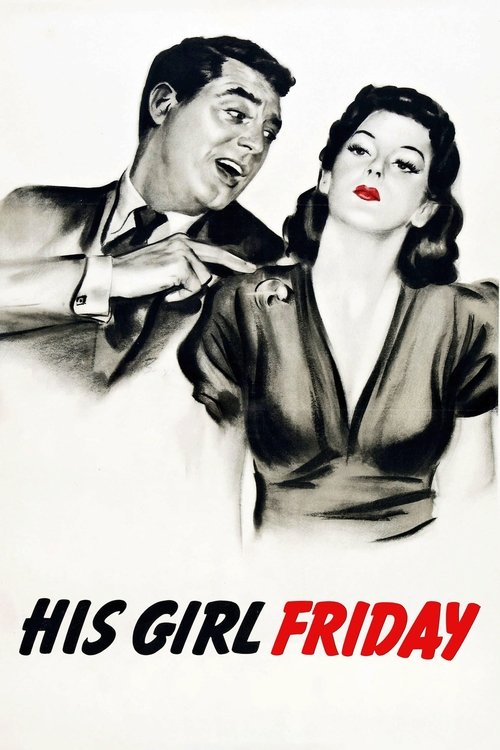
His Girl Friday1940
Rapid-fire dialogue, cynical characters doing unethical things with a grin, and the sense that everyone in the room is three steps ahead of everyone else. It's the screwball energy Robinson's film is reaching for, executed by masters.
But The plotting is thin and it relies on you finding newspaper politics as engaging as the leads do. Some find it exhausting rather than exhilarating.
Not sure tonight? Get a pick in a minute, starting from A Slight Case of Murder
The wildcard
Something you would not have found on your own.
M1931
Both films use the city as a character, and both understand that crime is a public event that rearranges everyone around it. Robinson's film is what you'd get if *M* decided to be funny about the same premise.
Fritz Lang's masterpiece about a city hunting a child murderer. It has the same essential structure as Robinson's film—a criminal loose in an ordinary city, society grinding into action, the machinery of justice and mob vengeance churning toward collision—but from the opposite angle entirely: deadly serious instead of comedic, observing instead of joshing.
But It's long, in German, and the moral weight is devastating. If you want escape rather than investigation, this will feel like punishment.

More like this (8)
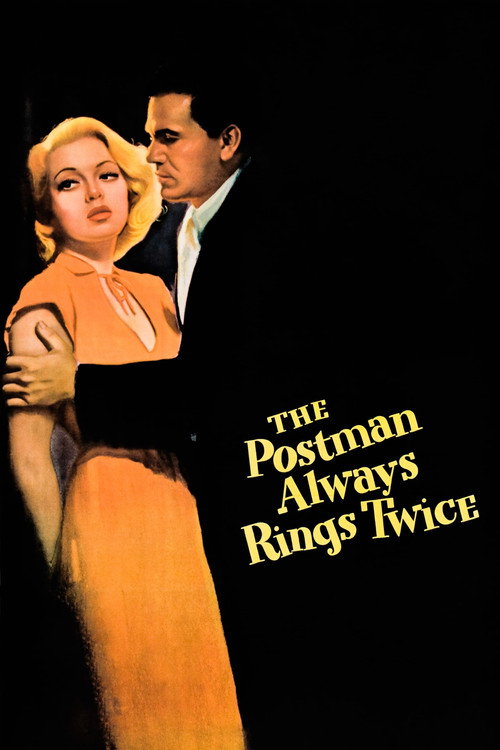
The Postman Always Rings Twice1946
Lana Turner and John Garfield as lovers plotting a murder they can't quite pull off. It's a noir with the same dark comedy lurking underneath—ordinary people in over their heads, schemes collapsing, consequences arriving.
But It's genuinely dark in a way Robinson's film isn't, and slower. If you want laughs, this will disappoint you.
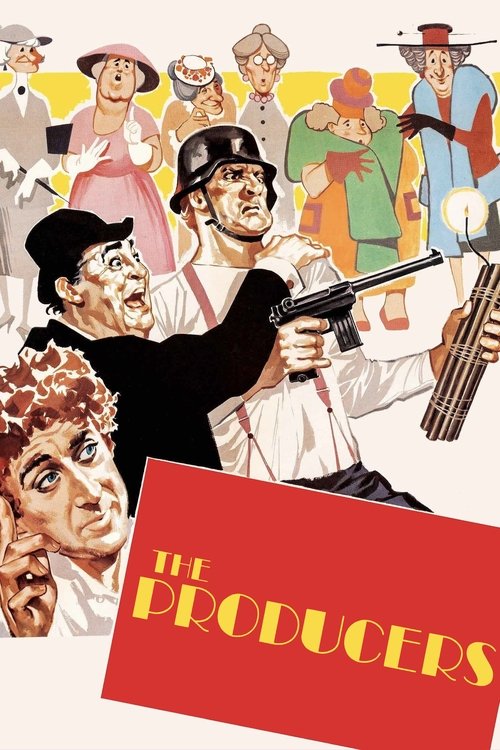
The Producers1968
Two con men trying to produce a Broadway flop instead produce a hit. Same DNA: criminals convinced their scheme is foolproof, the universe disagreeing, absurdity piling on absurdity until everything breaks.
But It's broader and broader as it goes. If you don't find Gene Wilder's hysteria funny, there's nowhere else for the film to go.
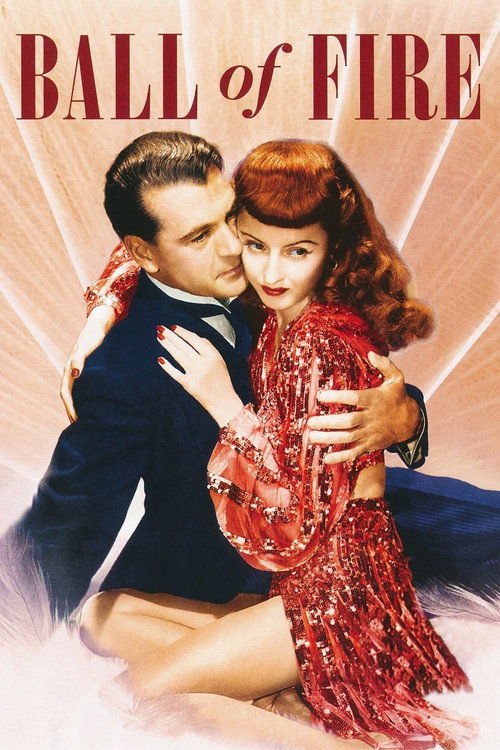
Ball of Fire1941
Professors and a strikecase plot involving murder and deception. It has that same spirit of respectable people forced into crime, physical gags, and the pleasure of watching a well-oiled plot hit all its marks.
But The tone wavers. It can't quite decide if it's a heist comedy or a romantic one, and neither thread is entirely satisfying.
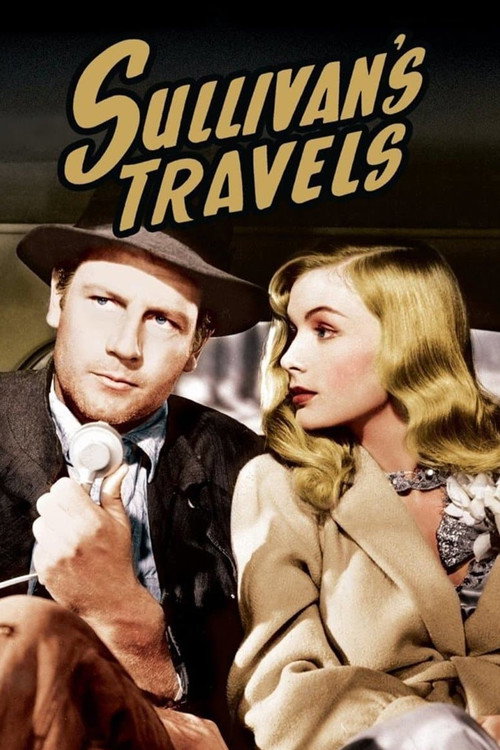
Sullivan's Travels1941
A film director investigating poverty to make a serious picture keeps getting derailed by circumstance and other people's schemes. It shares the theme of plans meeting reality, and the faith that comedy is its own form of truth-telling.
But It gets genuinely dark and philosophical in the second half. Some viewers want the whole thing to be funny and feel betrayed by the shift.
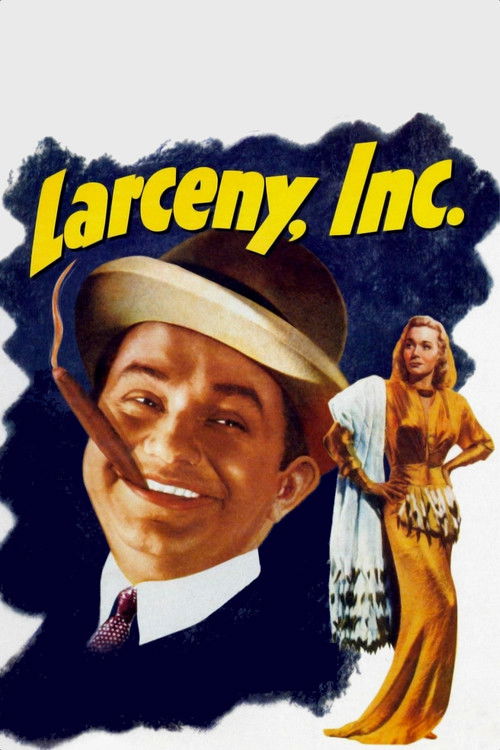
Larceny, Inc.1942
Edward G. Robinson again, this time as an ex-con trying to go straight and accidentally becoming a successful businessman. It's the same actor playing variations on the same man, and Raoul Walsh directs it with real pace.
But It's formulaic and slight. Once you see where it's going, there's not much reason to keep watching.
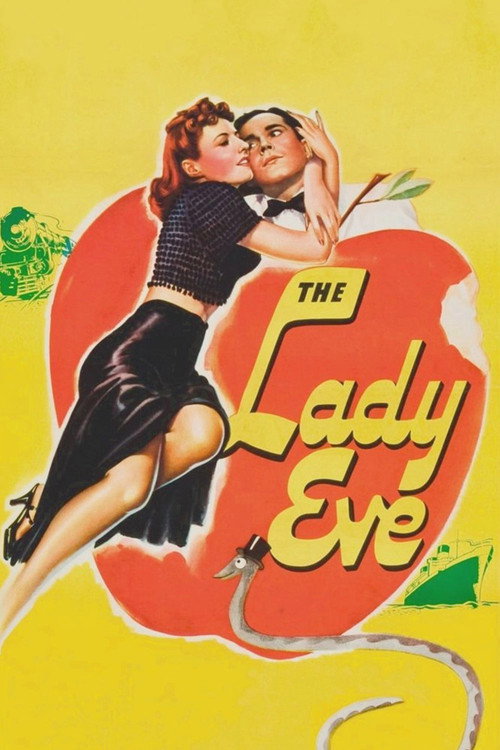
The Lady Eve1941
Preston Sturges at the height of his powers, Barbara Stanwyck as a con artist, and the kind of screwball timing that makes deception feel like a love language. It has Robinson's film's faith that crime and romance are just genres to play with.
But The gender politics have aged poorly in places, and if you don't find slapstick seduction funny, you'll find it uncomfortable.
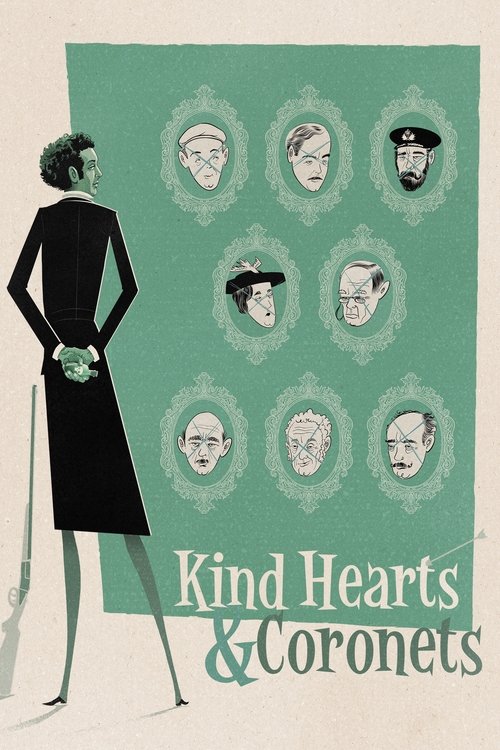
Kind Hearts and Coronets1949
Both films are about ordinary men hiding their crimes in plain sight, but while Robinson's film is chaos and physical comedy, this one is mathematics and wit. Same situation, different temperament entirely.
Dennis Price as a man committing a series of murders to inherit a dukedom, with Alec Guinness playing eight different family members. It has the same dark premise—a respectable facade hiding serial murder—but with the precision of a heist and the moral clarity of a tragedy.
But It's British, arch, and moves at its own pace. American audiences often find it slow and precious rather than darkly funny.
The Killing1956
Both are about men trying to pull off a job and ending up with bodies to hide. Robinson's version asks what if it were funny. Kubrick's asks what if it were inevitable.
Kubrick's debut about four men robbing a racetrack, told in fragmented time, every detail planned and nothing going right. It has the machinery of Robinson's film—the scheme, the corpses, the collapse—but shot through with genuine suspense and paranoia instead of laughs, and the editing makes it feel modern even now.
But It's austere and bleak. If you're watching for fun, you'll feel the film's contempt for that impulse.

People
Cast
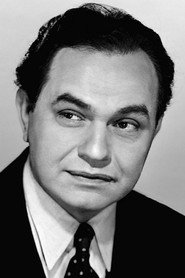 Edward G. RobinsonRemy Marko
 Jane BryanMary Marko
 Allen JenkinsMike
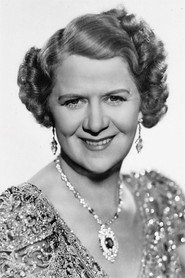 Ruth DonnellyNora Marko
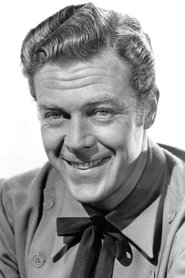 Willard ParkerDick Whitewood
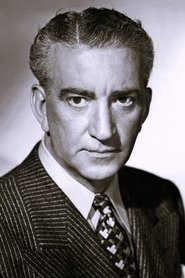 John LitelPost
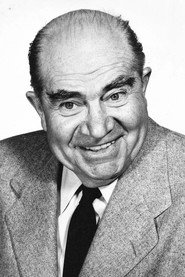 Edward BrophyLefty
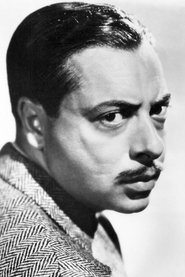 Harold HuberGuiseppe
- Eric StanleyRitter
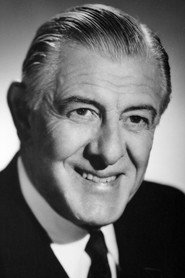 Paul HarveyMr. Whitewood
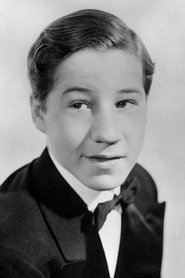 Bobby JordanDouglas Fairbanks Rosenbloom
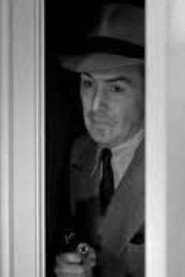 Joe DowningInnocence
Directing
- Richard MayberyAssistant Director
- Lloyd BaconDirector
Writing
- Jack SchollLyricist
- Earl BaldwinScreenplay
- Joseph SchrankScreenplay
- Damon RunyonTheatre Play
- Howard LindsayTheatre Play
Production
- Hal B. WallisExecutive Producer
- Jack L. WarnerExecutive Producer
- Samuel BischoffProducer