
Television series
The Great Food Truck Race
- Action
- Light-hearted
A competition show where food truck teams race across America, cooking against the clock and each other for a $50,000 prize. It's part cooking show, part road trip, part business simulation—watching people scramble to turn out good food in a moving vehicle under pressure. For anyone who loves food, travel, underdogs, and the particular chaos of small-business ownership.
Should you watch it?
Watch it if you like competition shows where the fun comes from scrappy small businesses improvising under pressure, with a cross-country road trip stitched through every week.
Skip it if you want a tight, scripted format or a host who dominates the frame; here the teams carry the show and the host mostly keeps the wagons moving.
What it asks of you: Each episode is an hour of quick cuts and kitchen scrambles, easy to dip into, and it runs for many seasons, so it settles in as background company rather than a single demanding commitment.
Not sure? Find tonight's pick in a minute.
If you liked this
The Taste2013
Blind-taste-based cooking competition that strips away plating and presentation, forcing focus on pure flavor. Each judge mentors their winning team, creating investment beyond one episode. Fast-paced and genuinely suspenseful.
But If you're tired of celebrity judge banter and manufactured drama, this has plenty of both. Some seasons lean harder into narrative than cooking.
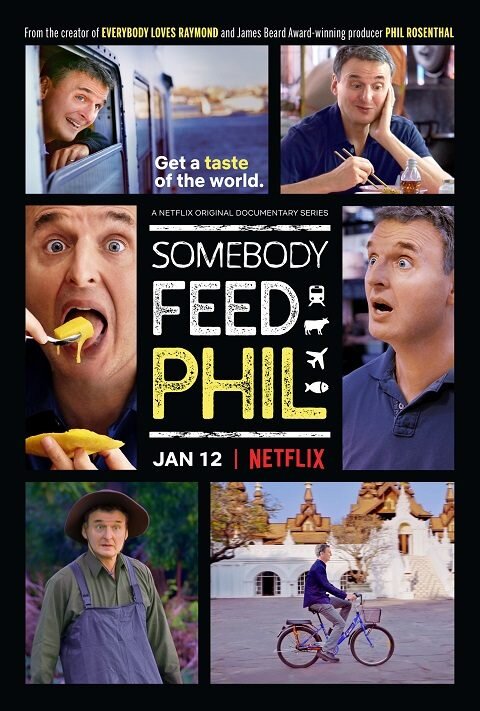
Somebody Feed Phil2018
Phil Rosenthal travels the world eating and talking to people. It's about place, culture, and what food reveals about how humans connect. Genuinely warm without being saccharine. Pure joy to watch.
But If you're in the mood for competition or stakes, this is the opposite—it's meditation. Slower paced than you might want.
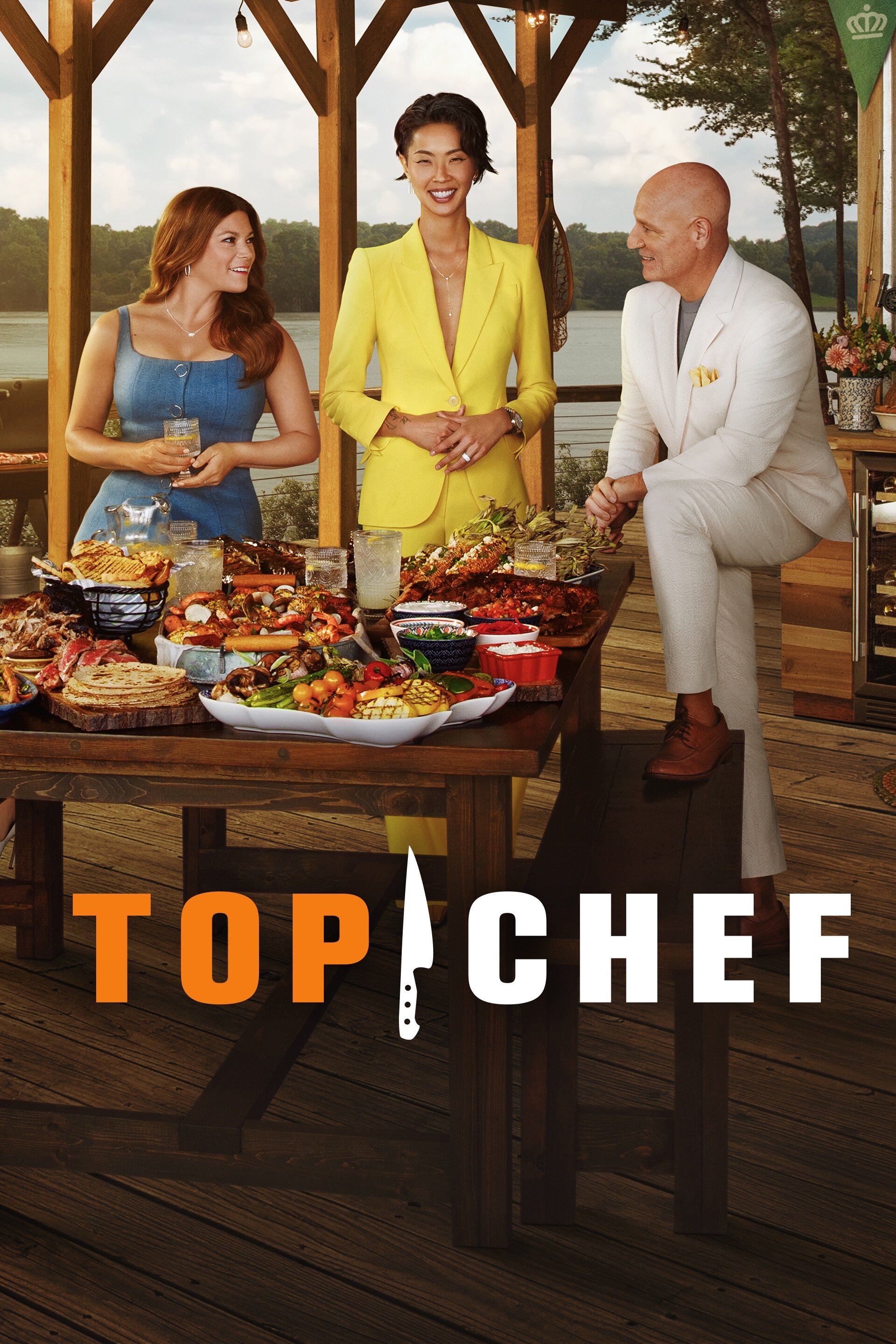
Top Chef2006
Professional chefs at the actual top of their game, solving problems in real time. The format is relentless: new city, new challenge, new ingredients every episode. Technical skill meets improvisation.
But Twenty seasons in, the format can feel worn. Judges' preferences matter as much as cooking ability. Some episodes feel produced rather than discovered.
Not sure tonight? Get a pick in a minute, starting from The Great Food Truck Race
The wildcard
Something you would not have found on your own.
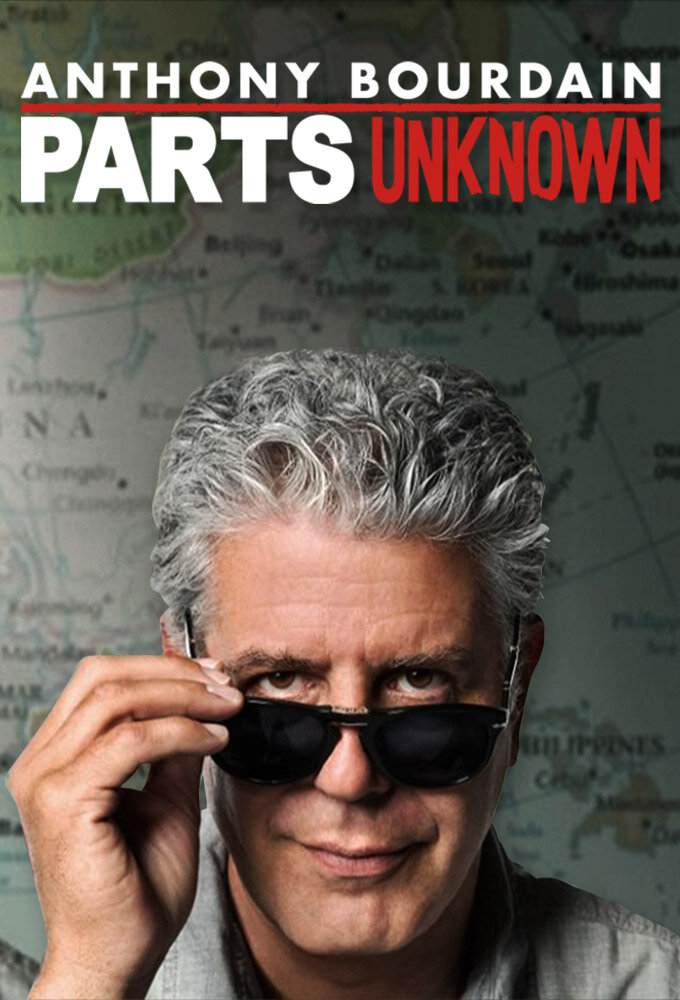
Anthony Bourdain: Parts Unknown2013
Both use food as the engine for observing people and place. The Food Truck Race is about winning; Parts Unknown is about understanding. Same tool, opposite purpose.
Anthony Bourdain travels to 80+ countries, but the show isn't about food tourism—it's about showing you how people actually live and eat. Food is the doorway into politics, history, grief, joy. Intellectually restless and deeply human.
But Bourdain's voice and perspective are everywhere; if you're not aligned with his worldview, it becomes grating. Some later seasons feel less sharp than early ones. He's no longer with us, which changes the viewing.
More like this (6)
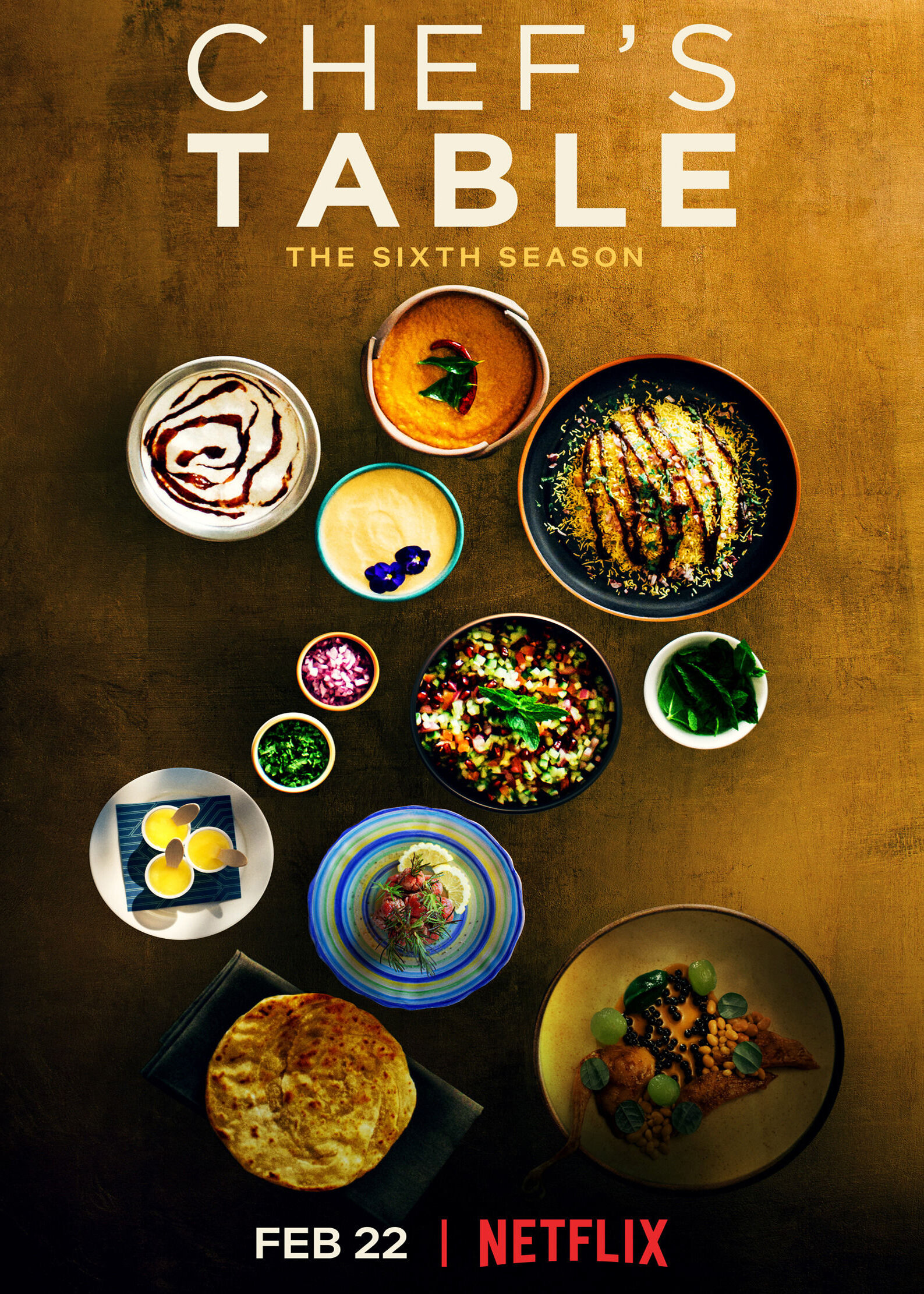
Chef's Table2015
Gorgeously shot deep-dives into the philosophy and obsession of world-class chefs. You're inside their kitchens, their heads, their creative process. Poetic and precise in equal measure.
But It moves slowly and assumes interest in fine dining as philosophy. If you want cooking action and immediate stakes, you'll find this meditative to the point of stillness.
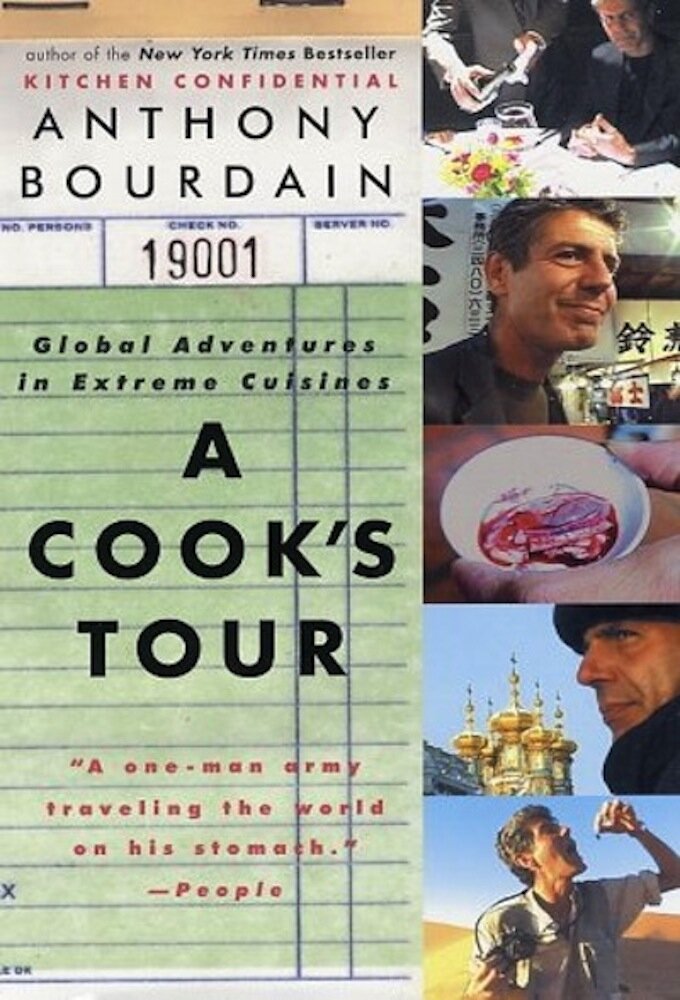
A Cook's Tour2002
Anthony Bourdain in his prime, traveling for food and letting the place dictate the story. Raw, curious, unscripted-feeling. He eats and talks and cares about both equally. Addictively watchable.
But Production is lo-fi compared to modern travel shows. Bourdain's presence will dominate your attention—if you're not drawn to him, nothing else will click.
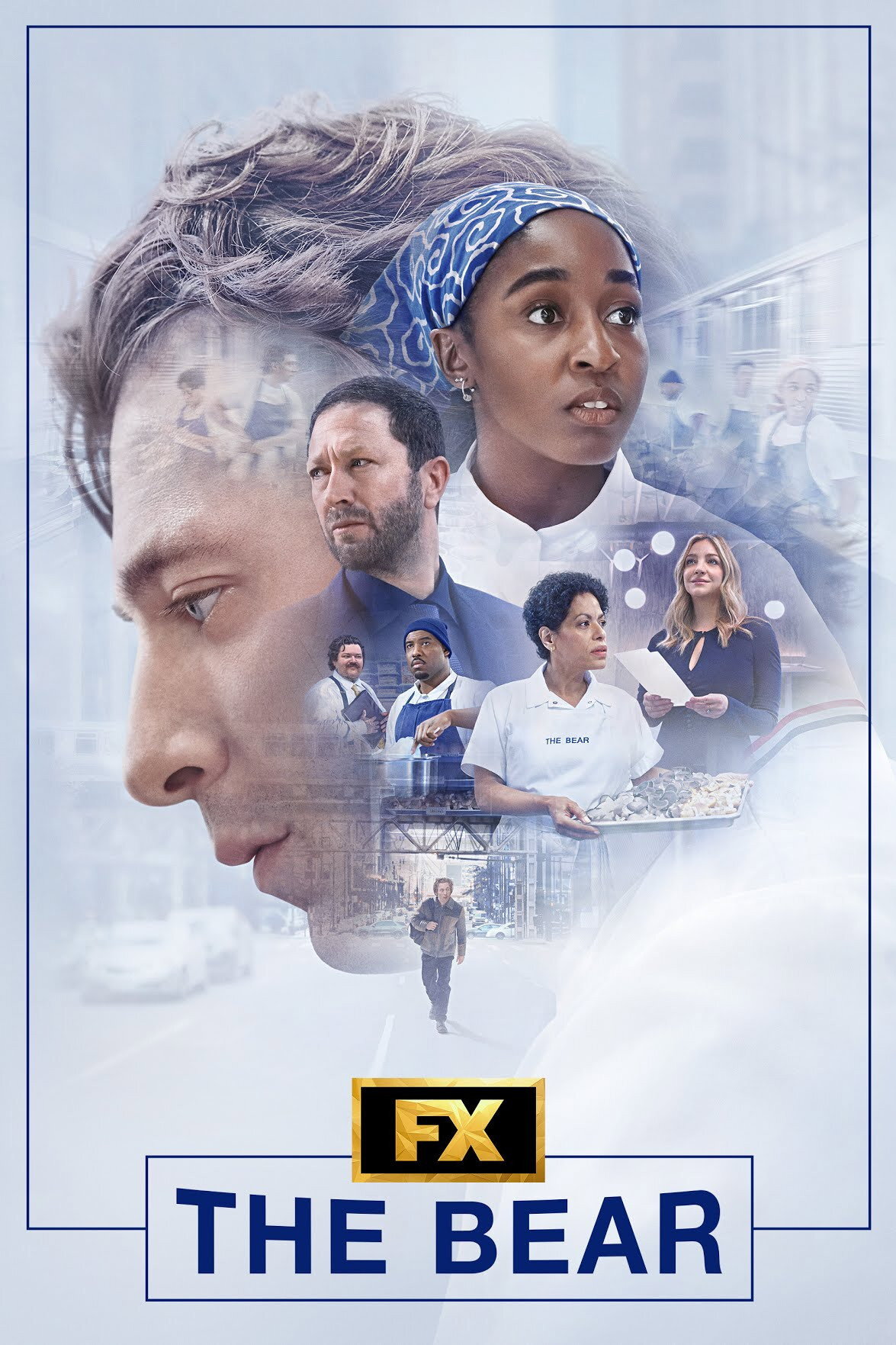
The Bear2022
Follows a fine-dining chef returning to run his family's sandwich shop in Chicago. Tense, character-driven, visually stunning. Treats cooking as craft and small-business ownership as real drama—no competition gimmicks needed.
But The first season is deliberately claustrophobic and stressful; it's not comfort viewing. Relies on you caring about the characters' emotional arcs, not just the food.
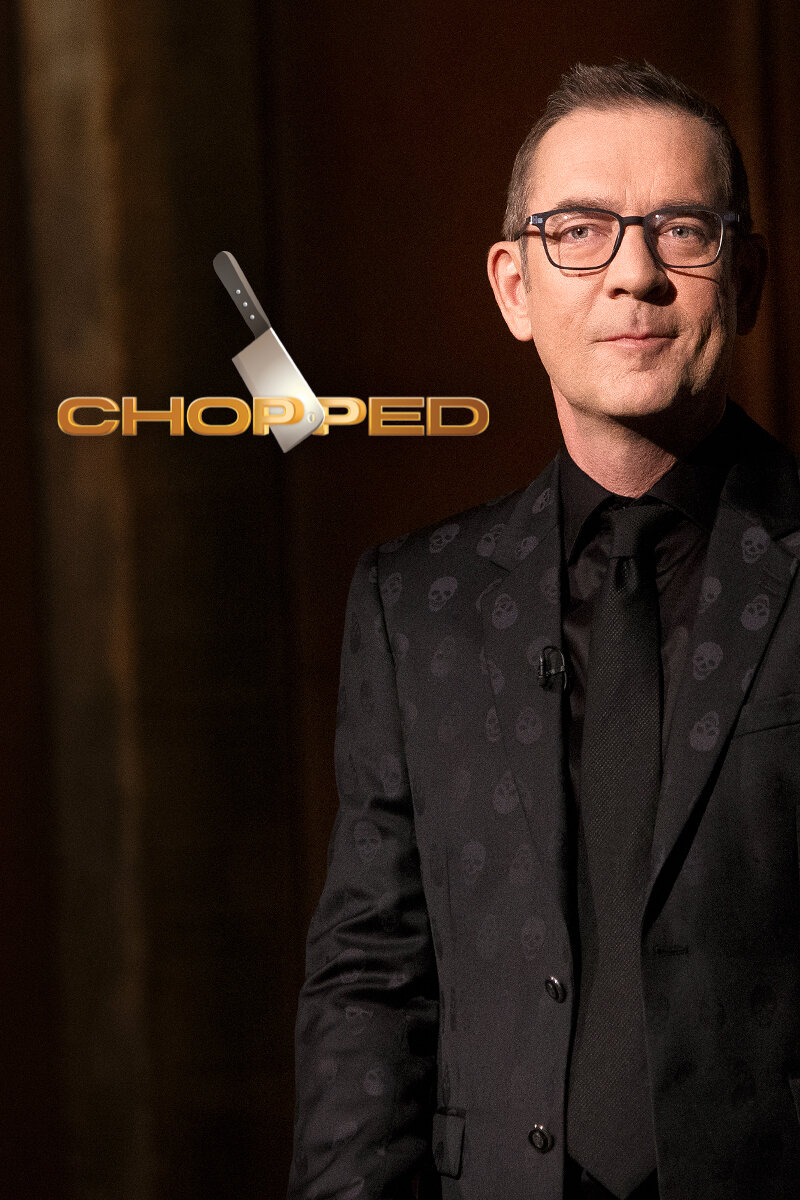
Chopped2009
Four chefs, 30 minutes, four bizarre ingredients they've never seen before. High-concept constraint that forces genuine problem-solving. Episodes are perfectly paced and judges stay out of the way of the food.
But Format repetition sets in fast. The show leans on shock value more than nuance. After a few seasons, you can predict the structure of every episode.
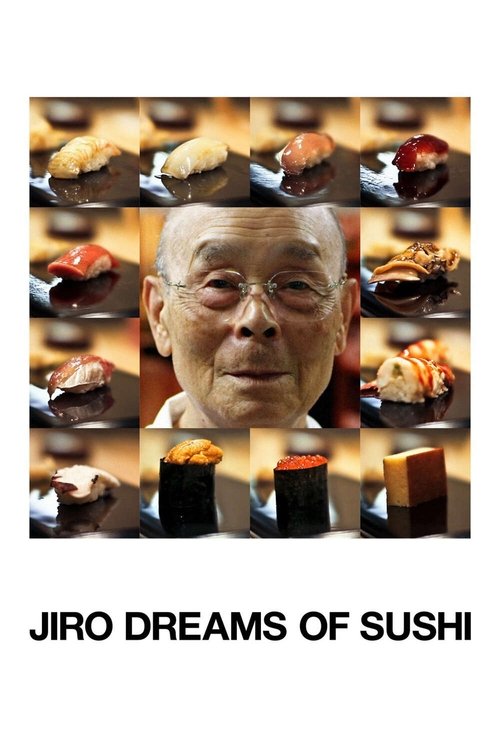
Jiro Dreams of Sushi2011
Both are about people committing their lives to feeding others, but Jiro is the inverse: one man, one art, perfected over decades versus teams scrambling across a continent. Competition versus mastery.
Documentary following an 85-year-old sushi master in Tokyo perfecting his craft across 50 years. It's about obsession, tradition, incremental improvement, and the philosophy of doing one thing forever. Meditative, visually stunning, quietly devastating.
But No narrative arc, no conflict, no dialogue barely. If you need plot momentum or emotional manipulation, this will feel like watching someone work in real time—because it is. Glacially paced.
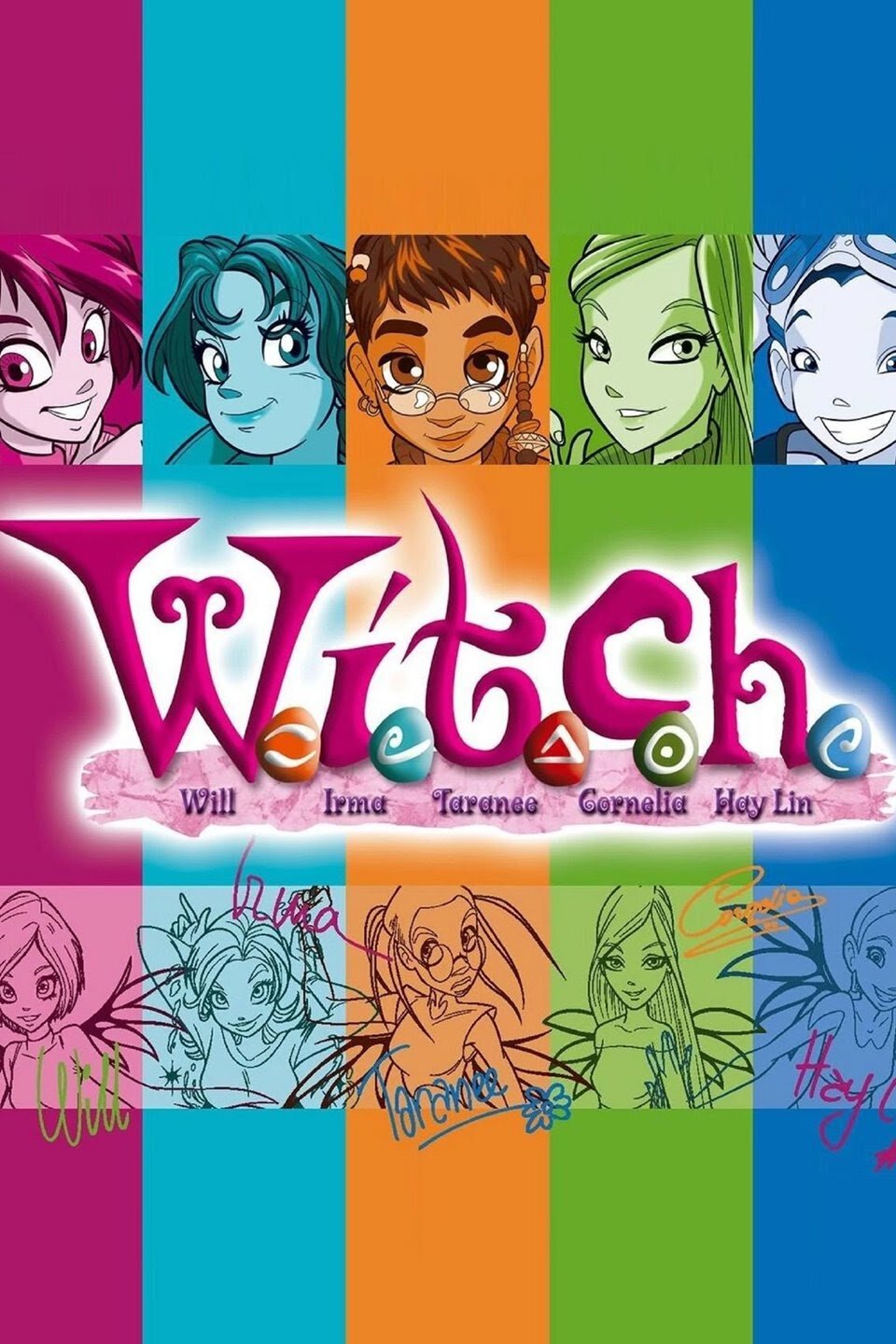
W.I.T.C.H.2004
Food business as survival story. The Food Truck Race is about winning money; Kitcho is about winning dignity and legacy. Same pressure, different language, entirely different emotional register.
Japanese drama (aired on NTV) about a young man trying to save his family's failing restaurant through food and determination. It's character-driven, beautifully shot, and treats the restaurant business as genuine emotional stakes—not entertainment.
But It's subtitled and slower than American TV. The emotional tone is melancholic rather than exciting. If you want American-style momentum and easy wins, this will feel understated.
People
Cast
Recommended by
Carnival Eats, United States of Bacon, Food Network Star, Around the World in 80 Plates