
Television series
Food Network Star
- Drama
- Light-hearted
Food Network Star is a competitive cooking and TV personality competition where aspiring food media stars cook under pressure while being evaluated on both culinary skill and on-camera charisma. Judges like Bobby Flay and Giada De Laurentiis mentor contestants through challenges designed to test entertainment value as much as technique. It's perfect for anyone who loves cooking shows but finds themselves more interested in the personalities than the recipes.
Should you watch it?
Watch it if you enjoy watching people coach each other through the awkward business of performing on camera, and you like seeing personalities sharpen into something usable under pressure.
Skip it if you want actual cooking, with recipes unfolding and dishes you could replicate, since this is mostly about charisma, pitches and critiques rather than the food itself.
What it asks of you: Each hour-long episode is steady and bright, asking for light, sustained attention across fourteen seasons rather than focused concentration, dipping in and out easily.
Not sure? Find tonight's pick in a minute.
If you liked this
The Great British Bake Off2010
The gold standard of competition cooking shows: genuinely warm, beautifully shot, and focused on character alongside skill. Contestants are likeable and the challenges escalate brilliantly. You'll actually care who wins.
But If you want high drama and conflict, this is too gentle. It's almost aggressively nice, which some find dull rather than charming.
Hell's Kitchen2005
Gordon Ramsay's kitchen pressure-cooker where amateur chefs compete for a head chef position. Fast-paced, genuinely tense, with real skill on display beneath the manufactured chaos. Each season builds a narrative arc.
But Ramsay's insults get repetitive, and the show leans hard on manufactured drama and editing tricks that feel increasingly cynical after a few seasons.
Top Chef2006
Sophisticated cooking competition with genuine judges, real chefs competing, and challenges that demand both technical precision and creativity. The show respects its audience and its contestants. Holds up beautifully across seasons.
But Less about personality and more about food—if you're watching for TV star appeal rather than culinary interest, you might find it cold.
Not sure tonight? Get a pick in a minute, starting from Food Network Star
The wildcard
Something you would not have found on your own.
Project Runway2004
Same competitive structure, same mentorship model, same emphasis on the contestant as brand: both ask whether you can execute *and* whether people will want to watch you.
The original format that Food Network Star followed: designers compete weekly with escalating challenges, mentorship from industry figures, and elimination. Fashion instead of food, but the DNA is identical—personality plus craft under pressure.
But If you don't care about fashion, watching someone agonise over fabric colour will feel like torture. The show assumes you're invested in the industry.
More like this (7)
Chopped2009
Fast, clever format: four chefs, three rounds, mystery ingredients. Each episode is self-contained so it's bingeable. Marc Summers is a genuinely funny host, and watching pros scramble is endlessly entertaining.
But The mystery ingredient concept is the whole show—if that gimmick doesn't hook you, there's not much else there. Gets repetitive at volume.

Worst Cooks in America2010
Anne Burrell and a rotating co-host teach genuinely terrible cooks basic skills. It's funny without being mean-spirited, and there's actual transformation. Lighter than other competition shows but genuinely engaging.
But The skill level starts so low that early episodes can feel more like watching someone figure out an oven than a cooking competition.
The Taste2013
Blind taste-based competition judged by Anthony Bourdain, Nigella Lawson, and others. Focuses entirely on what's in the mouth, not presentation. Fast-paced and genuinely surprising. The judges are charming together.
But Only two seasons—it never found its footing in the American market. Some challenges feel arbitrary when you can't see what you're tasting.
Iron Chef America2005
Battle format where challenger chefs face off against resident Iron Chefs. Alton Brown's commentary is excellent, the time pressure is real, and you watch working professionals problem-solve under stress.
But Less personality-driven than Food Network Star—it's pure technique and speed. If you want narrative and character arcs, you won't find them here.
The Great Food Truck Race2010
Teams run food trucks and compete in different cities. It's about business acumen and service as much as cooking, which is refreshingly different. The travel element and real customer interaction add genuine stakes.
But Quality varies wildly by season. Some teams are underprepared, and watching people struggle with basic logistics can feel painful rather than entertaining.
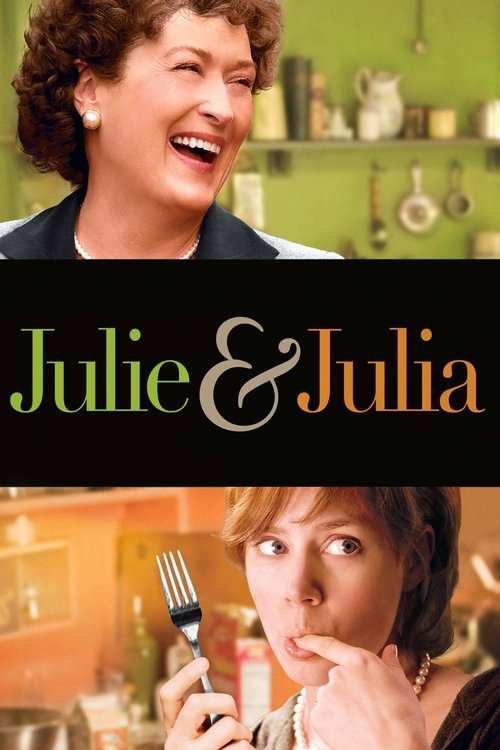
Julie & Julia2009
Both are fundamentally about the moment someone realises they have a gift for television itself—not just the skill, but the personality that makes people want to watch them do it.
Meryl Streep as Julia Child discovering television stardom in middle age. It's a love letter to learning a craft and the joy of performance. Warm, funny, and genuinely moving about becoming the version of yourself the camera needs.
But The modern-day storyline about a blogger is thin and distracting. Some find the tone too cosy, too much about achieving contentment rather than conflict.
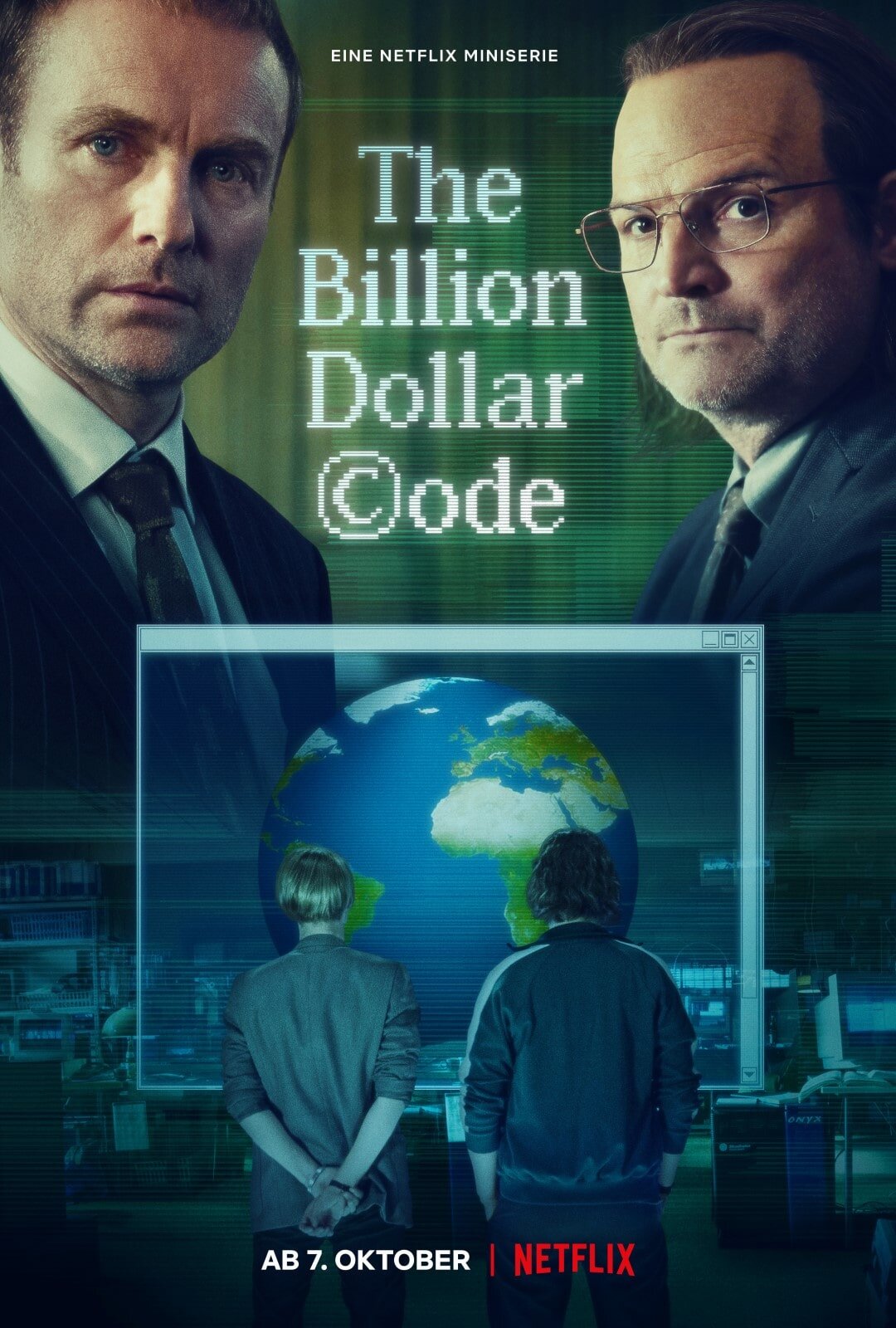
The Billion Dollar Code2021
Like Food Network Star, it's about people with genuine talent trying to build something while judges (literally: actual judges here) decide if they belong in the game. Both are about proving you're worthy of the platform.
Three-part miniseries about Art.com founders suing Google. It's a David-and-Goliath battle told with style, with OST by Dustin O'Halloran. The leads are magnetic, the stakes are real, and it's genuinely gripping.
But Tech litigation is inherently dry. If you need constant action or emotional catharsis, watching lawyers argue about code can feel slow, even at three episodes.
People
Cast
 Bobby FlayJudge
 Susie FogelsonJudge
 Bob TuschmanJudge
 Giada De LaurentiisJudge
 Marc SummersHost
- Alton BrownJudge
- Bobby FlayHost
Recommended by
Generation Hustle, Beat Bobby Flay, MasterChef Junior, United States of Bacon, Cake Wars, The Anarchists, Holiday Baking Championship, Myth & Mogul: John DeLorean