Television series
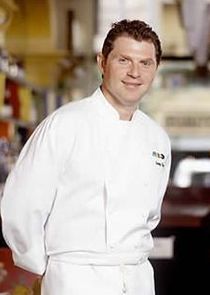
Beat Bobby Flay
- Light-hearted
- Dip in and out
Beat Bobby Flay strips cooking competition down to its essence: three chefs, one signature dish each, two rounds of pure culinary combat. It's addictive comfort viewing—low stakes, high skill, and a genuinely likeable champion who can actually lose. Perfect for people who love food but don't need drama manufactured by producers.
Should you watch it?
Watch it if you like cooking competitions where the fun is in the rivalry and the trash talk, and you enjoy watching a confident host grin his way through a challenge that could go either way.
Skip it if you want deep technique or slow, patient cooking; the episodes are brisk, built around quick heats and a lot of on-camera bravado rather than lingering over the food.
What it asks of you: Half an hour of attention, light and quick, with little to follow beyond who is cooking against whom; it moves at a clip and rewards casual viewing over close study.
Not sure? Find tonight's pick in a minute.
If you liked this
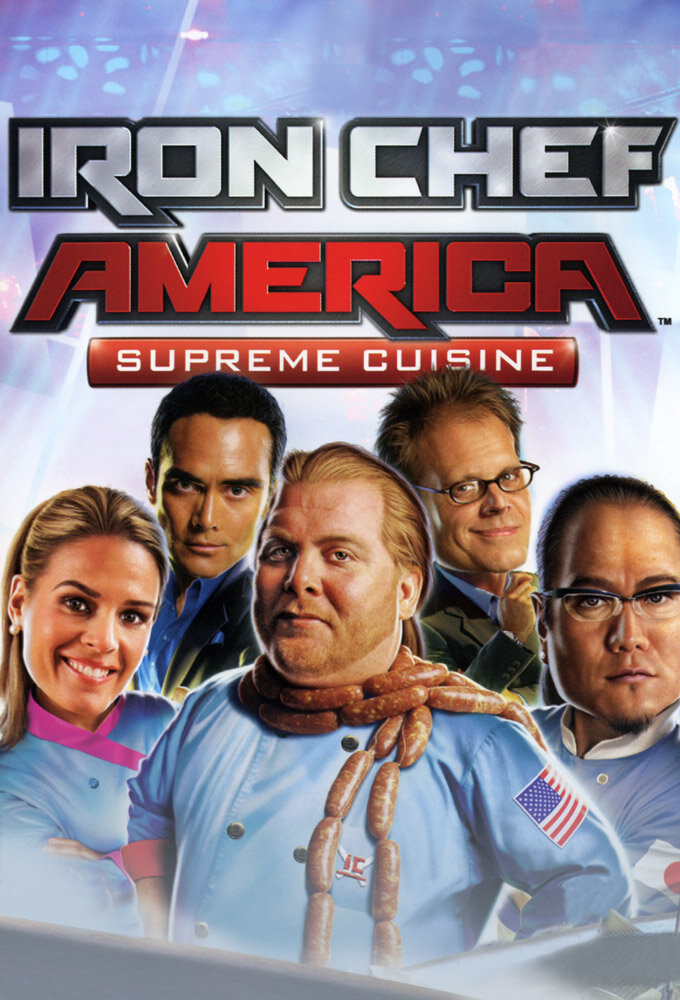
Iron Chef America2005
The spiritual ancestor: ingredient-driven battles between specialists, judges who know food deeply, and a format that lets technique speak louder than editing. Genuinely suspenseful.
But Longer episodes (60 minutes), less personality, and the judging can feel inscrutable if you're not already invested in the judges' palates.
The Great British Bake Off2010
Competition structured around constraint and skill rather than trash talk. Warm-hearted, genuinely tense, and people become memorable through how they handle pressure, not manufactured conflict.
But Slow-paced by American TV standards, and baking is genuinely less forgiving than most cooking—watching people fail can feel brutal.
Chopped2009
Quick-hit competition format that respects viewer intelligence: unknown ingredients, real judges, creative solutions under pressure. Episodes fly by. Endlessly rewatchable.
But The randomness sometimes favours luck over skill, and four courses in 30 minutes feels claustrophobic compared to Beat Bobby Flay's focus.
Not sure tonight? Get a pick in a minute, starting from Beat Bobby Flay
The wildcard
Something you would not have found on your own.
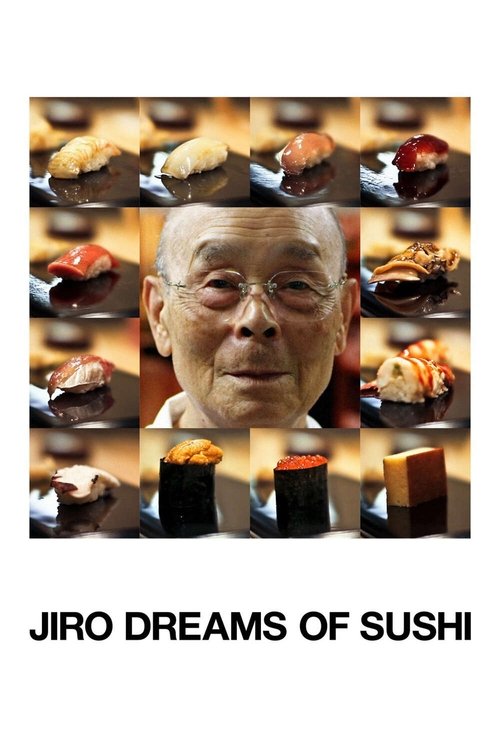
Jiro Dreams of Sushi2011
Both are about chefs defined by a signature dish staked on reputation. Beat Bobby Flay gives you the competition; this gives you the philosophical weight behind it.
A documentary about obsessive mastery in a single dish—sushi. Meditative, gorgeous, and shows what it actually looks like to be the best at one thing. Profound without being heavy.
But Slow, contemplative pacing and subtitles; not competition, just a portrait of pursuit. Will feel glacial if you want entertainment velocity.
More like this (7)
Top Chef2006
Longer-form competition that lets you actually know the contestants and watch their arcs. The challenges test thinking, not just execution. Judges are formidable and consistent.
But Spans 15+ episodes per season with heavy editing; pacing is glacial compared to the snappy satisfaction of Beat Bobby Flay's structure.
The Taste2013
Blind tastings strip away presentation entirely—pure flavour is all that matters. Concept is clever, and watching chefs reason through what they're eating is fascinating.
But Host drama occasionally overshadows the food, and the blind format sometimes feels gimmicky rather than illuminating.
Food Network Star2005
Different angle: watching people learn to be on television while cooking. Unpredictable, often hilarious, and genuinely rewards personality and quick thinking.
But Uneven quality of contestants, and the judging criteria shift so often it feels arbitrary rather than fair.

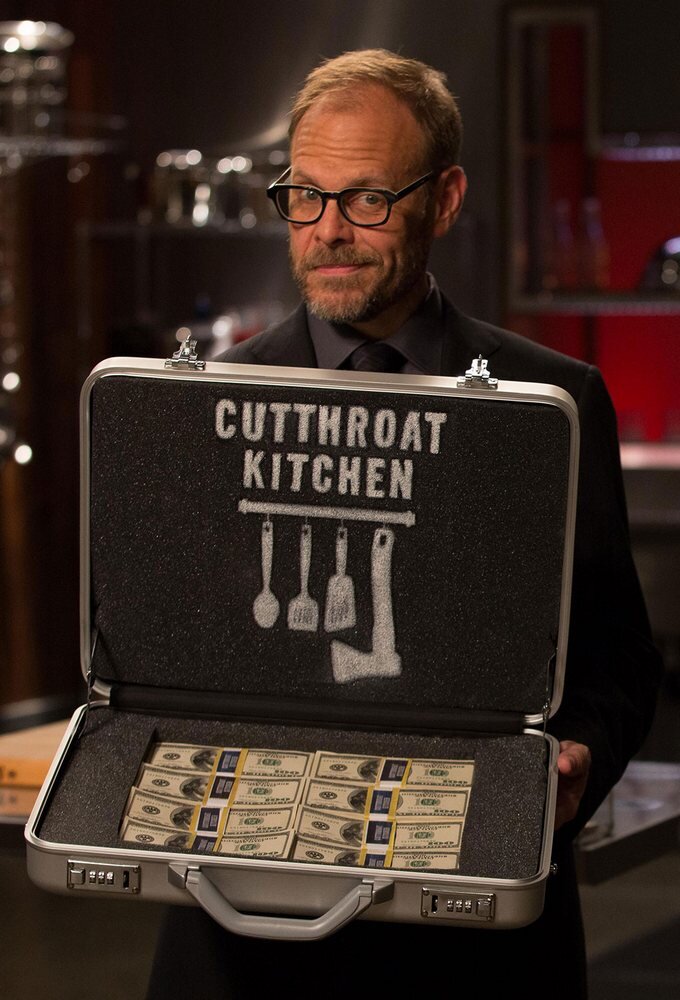
Cutthroat Kitchen2013
Sabotage format adds chaos in a way that's genuinely funny rather than mean-spirited. Chefs have to adapt brutally, and it rewards creative problem-solving.
But The gimmick wears thin after a few episodes, and it sometimes feels like luck matters more than skill.
Guy's Grocery Games2013
Constraint-based format (shopping aisles, ingredient limitations, time pressure) forces real creativity. Short and snappy, with a host who clearly loves food.
But Guy Fieri's persona dominates the show more than the competition itself, which can grate if you're not already a fan.

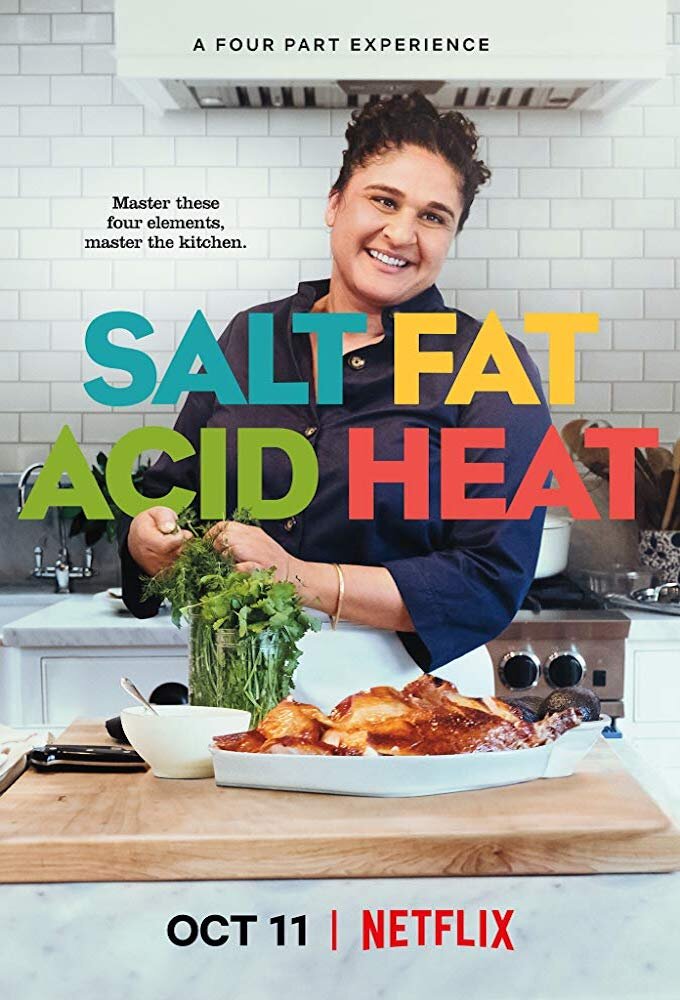
Salt Fat Acid Heat2018
Beat Bobby Flay shows mastery in action; this shows the fundamental knowledge underneath it. Understanding the 'why' transforms how you watch chefs work.
Samin Nosrat teaching the actual principles behind cooking rather than recipes. Joyful, clear-eyed, and suddenly food makes sense. Four episodes, each a revelation.
But Not a competition at all—pure education. If you need conflict or stakes, this is the opposite of what you're looking for.
The Godfather Part II1974
Beat Bobby Flay's structure (three chefs, semifinals, then the final) mirrors the nested-tournament architecture of classical drama. Both are about testing who belongs at the top.
Parallel structure: two timelines, two versions of the same story, showing rise and fall. Every scene earns its place. Filmmaking as craftsmanship, no wasted motion.
But Three and a half hours of crime drama with subtitled Italian sequences. It's a commitment, and it's heavy in ways cooking shows aren't.