
Television series
Around the World in 80 Plates
- Action
- Light-hearted
Twelve chefs race around the globe competing in location-specific cooking challenges that demand cultural fluency as much as culinary skill. It's a travel show that happens to be a competition, more interested in immersion than elimination drama. For viewers who want their cooking shows seasoned with genuine discovery.
If you liked this
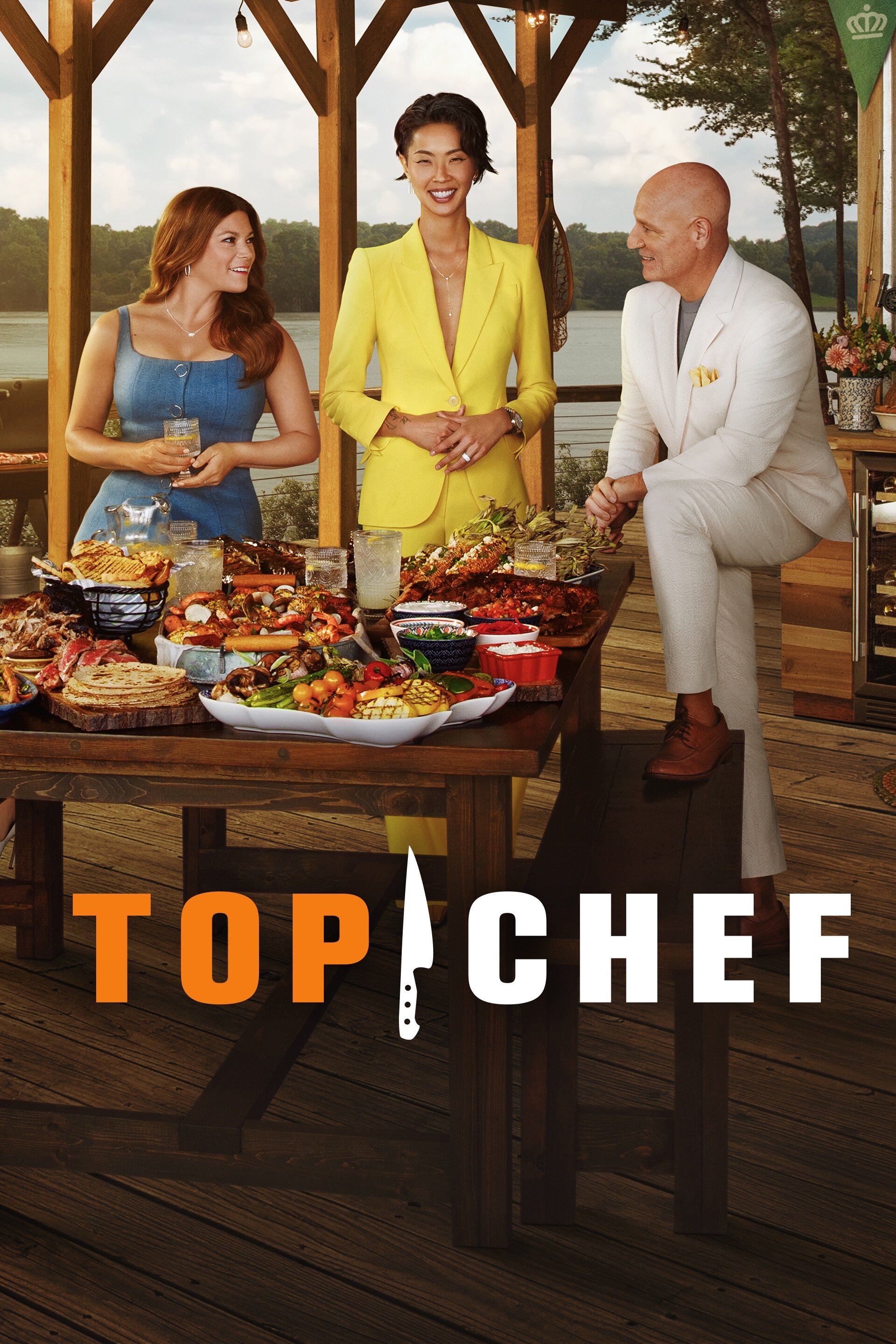
Top Chef2006
The spiritual parent of all modern cooking competitions. Sharp judging, real culinary stakes, and contestants who actually know what they're doing. Watching experts fail is riveting.
But Can feel repetitive after many seasons. Some judges' palates are treated as gospel when they're just opinions.
The Taste2013
Four elite judges taste blind and recruit teams based on a single bite. It strips away plating theatrics and forces pure flavor focus. Remarkably intimate for a competition show.
But The blind-taste gimmick eventually feels limiting. Seasons blur together once you've seen the format repeat.
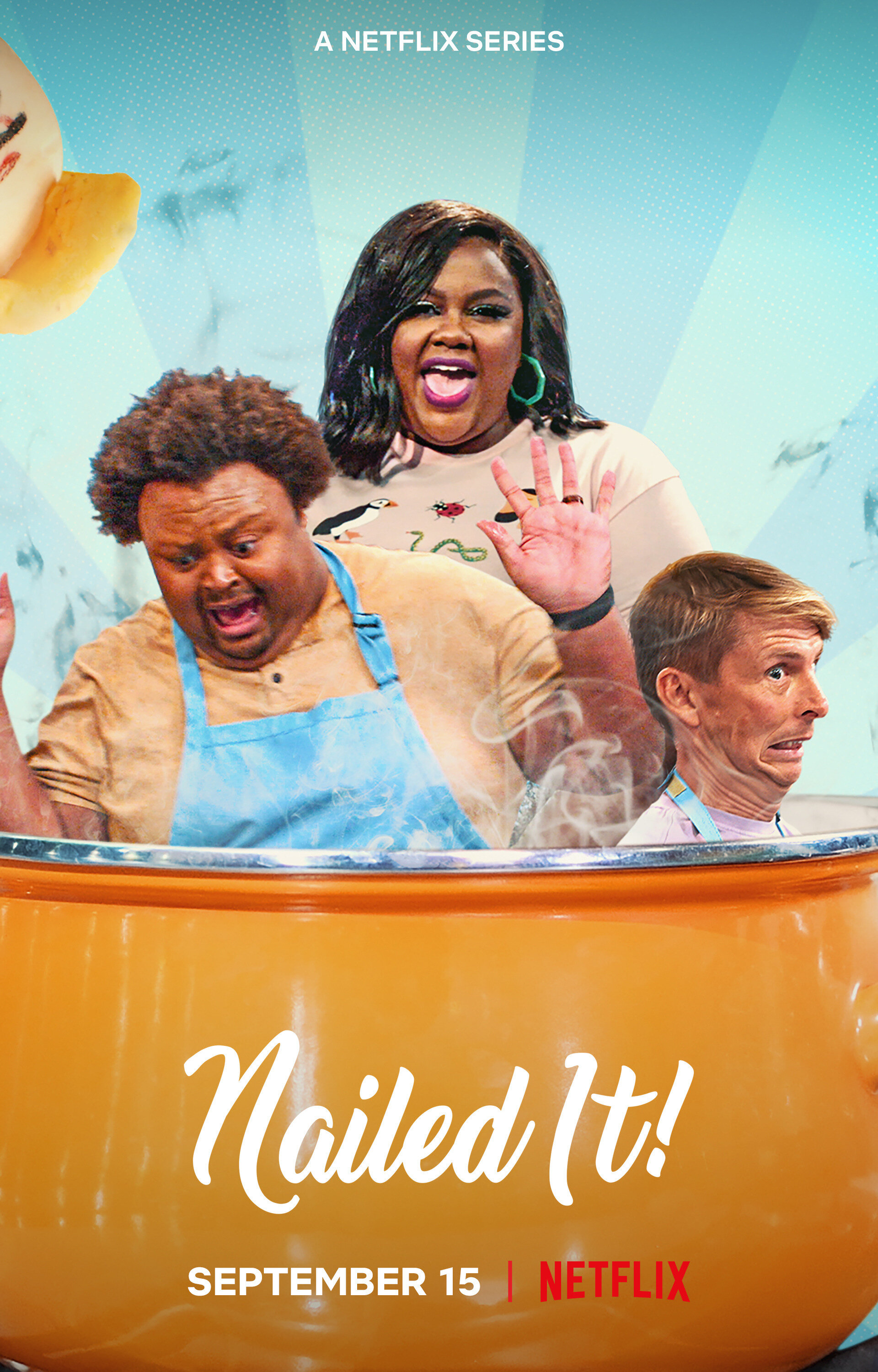
Nailed It!2018
Amateurs attempt impossible bakes with genuine joy. It's funny without being cruel, and celebrates effort over perfection. Wildly watchable in short bursts.
But The humor relies on failure, which can feel thin if you watch too many episodes at once. Gets formulaic quickly.
Not sure tonight? Get a pick in a minute, starting from Around the World in 80 Plates
The wildcard
Something you would not have found on your own.
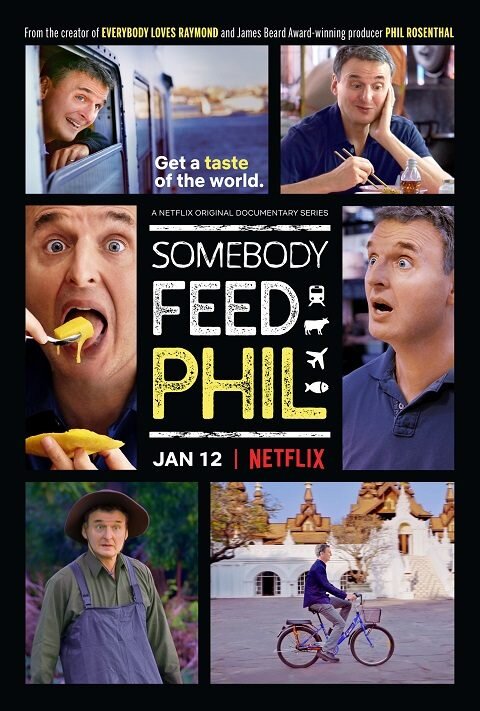
Somebody Feed Phil2018
Both use international travel and local cuisine as the spine, but where Around the World builds competition, this builds intimacy. Same geography, opposite question.
Phil Rosenthal travels the world eating local food and talking to people. Zero competition, no judges, just genuine curiosity and delight. It's a masterclass in how food creates connection.
But Utterly gentle and meandering. If you want conflict or stakes, this is the opposite direction.
More like this (8)
MasterChef Australia2009
The gold standard of cooking competition shows. Consistently brilliant challenges, genuinely kind judges, and contestants who range from home cooks to semi-professionals. Emotionally intelligent television.
But Long seasons demand real commitment. Some viewers find the earnestness cloying after extended viewing.
Chopped2009
Speed and constraint breed creativity. Three rounds, mystery ingredients, genuine jeopardy. Episodes are snackable and addictive in a way designed for rewatching.
But Format ossifies after a few seasons. Judging can seem arbitrary when ingredients genuinely don't work together.
A Chef's Life2013
Vivian Howard runs a restaurant in rural North Carolina and cooks regionally. It's as much documentary as cooking show—thoughtful, grounded, about real work and real stakes.
But Deliberately slow-paced. If you want competition drama, this is introspection instead.
Iron Chef1993
The original battle format. Mysterious secret ingredients, theatrical judges, sixty minutes of organized chaos. Pure cooking spectacle that invented the template everyone copies.
But The original Japanese version has a camp factor that's dated. The American remake took itself too seriously.
Great British Menu2006
Professional chefs compete to cook for state banquets. High skill threshold, genuine stakes, and a thoughtful judging panel that explains the 'why' behind decisions.
But British TV pacing means episodes move slowly. Not for viewers who want rapid-fire cuts and drama.
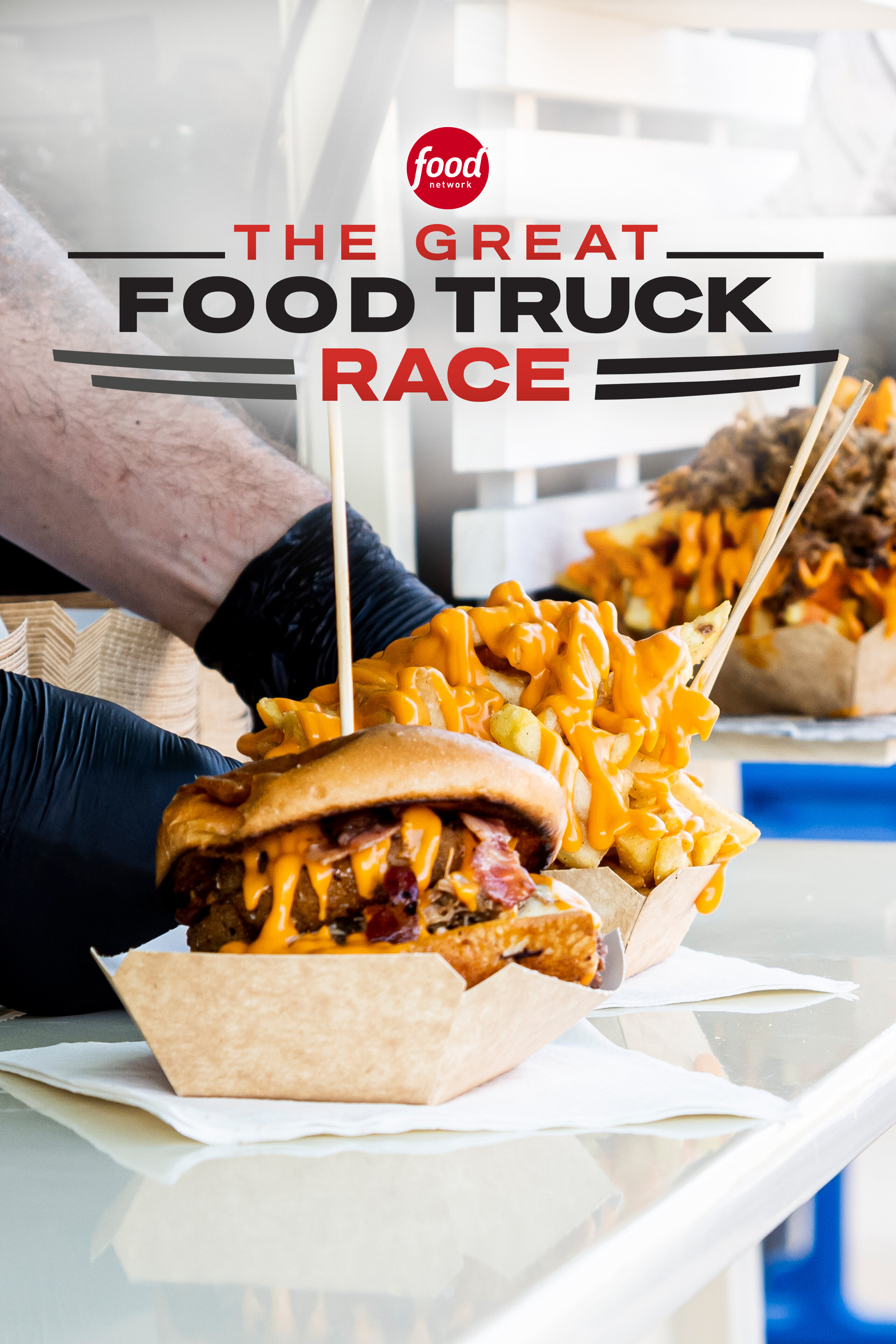
The Great Food Truck Race2010
Chefs run food trucks across America competing for cash. It adds logistical chaos to cooking competition. You see how restaurants actually operate under pressure.
But Host energy can grate. Some seasons lean more on manufactured drama than cooking quality.
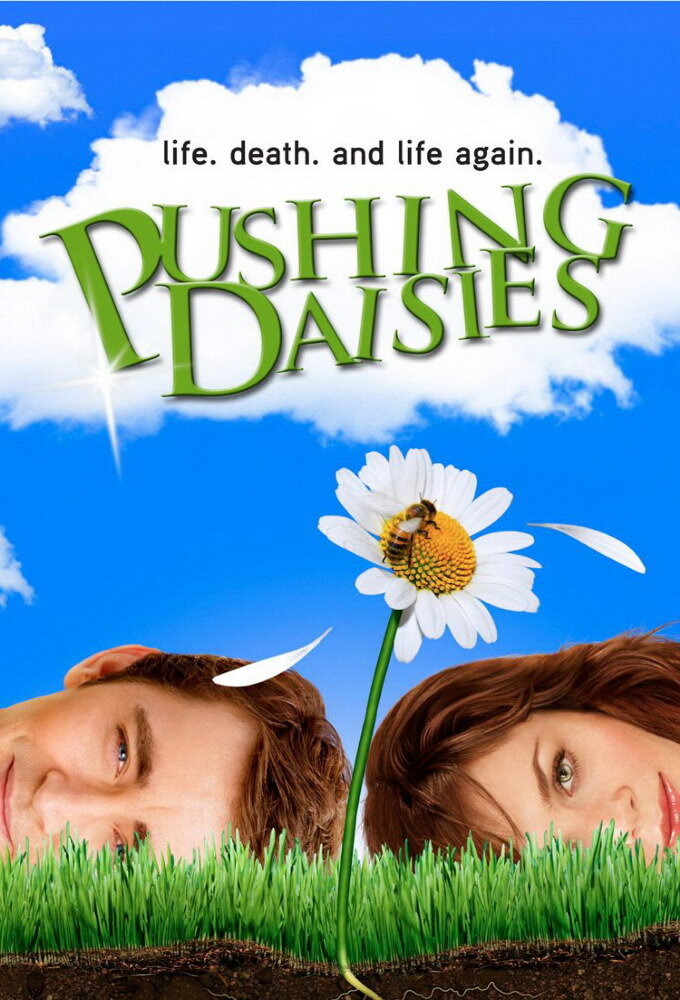
Pushing Daisies2007
Both treat food as more than fuel—as a language, a culture, a way of understanding people. One competes with it, one dreams in it.
A pie maker with magical powers solves murders with his revived dog and a dead girl he loves. Sumptuous food cinematography, vibrant visual style, and genuine heart underneath the whimsy.
But Deliberately artificial and theatrical. Some find the twee aesthetic exhausting. Only lasted two seasons.
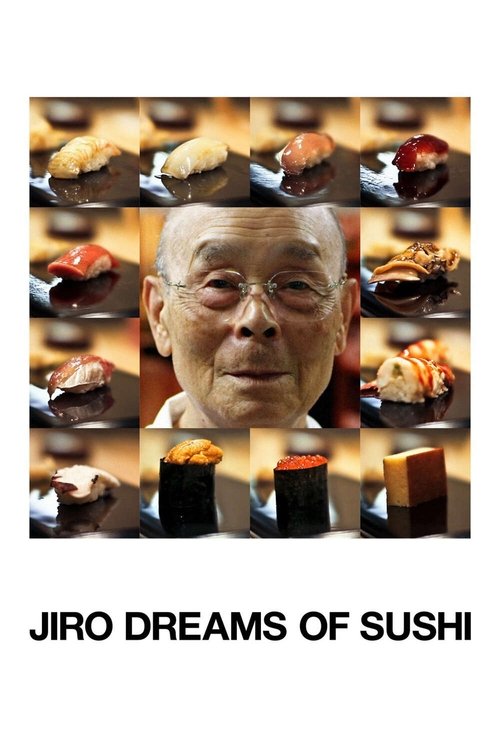
Jiro Dreams of Sushi2011
Both explore what happens when you're forced to engage deeply with a culture's food traditions—one through competition's pressure, one through a lifetime of quiet mastery.
A 10-minute documentary about an 85-year-old sushi master obsessed with perfection. Meditative, gorgeous, and a complete philosophical argument about craft and dedication delivered without narration.
But Glacially paced. Very serious. No competition, no stakes, just a man working. Some viewers find it boring.
People
Cast
 Curtis StoneHost
 Cat CoraJudge