Television series
Science Ninja Team Gatchaman
A 1972 Japanese action anime where five young heroes transform into bird-themed commandos to fight a shadowy criminal empire threatening global domination. Gatchaman moves with kinetic intensity, mixing spy-thriller plotting with early anime spectacle. It's for anyone who loves watching a team that actually works together, and for those curious about anime's foundation—this is where the template began.
Should you watch it?
Watch it if you are happy to ride a long, episodic serial built around a villain's weekly schemes and a team of costumed kids, and you like the bright, earnest clatter of 1970s animation.
Skip it if you want tight, self-contained stories, since this runs to 205 episodes of roughly 25 minutes and many instalments repeat the same pattern of attack and rescue.
What it asks of you: Settle in for a long haul: about two hundred episodes of brisk half-hour action, with a steady, earnest tone and little room for slow, quiet moments.
Not sure? Find tonight's pick in a minute.
If you liked this
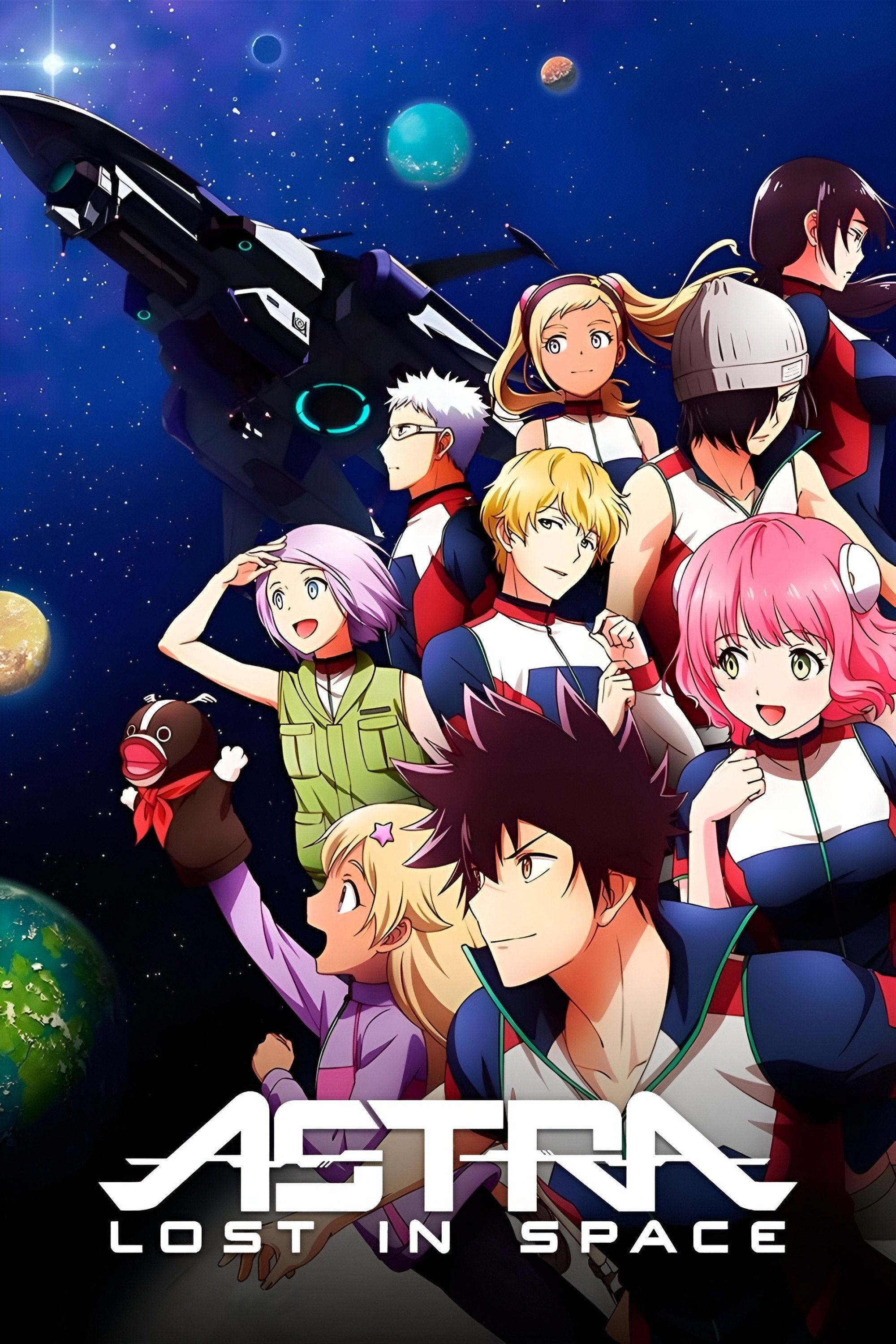
Mobile Suit Gundam1979
The spiritual successor to Gatchaman's formula: a team of young pilots in a hi-tech war against an invading force. Gundam adds philosophical weight and tragic consequence to the action-adventure template, building something that still resonates fifty years later.
But It's longer and slower-paced than Gatchaman. Early episodes are deliberately repetitive, establishing a universe before the stakes truly rise.
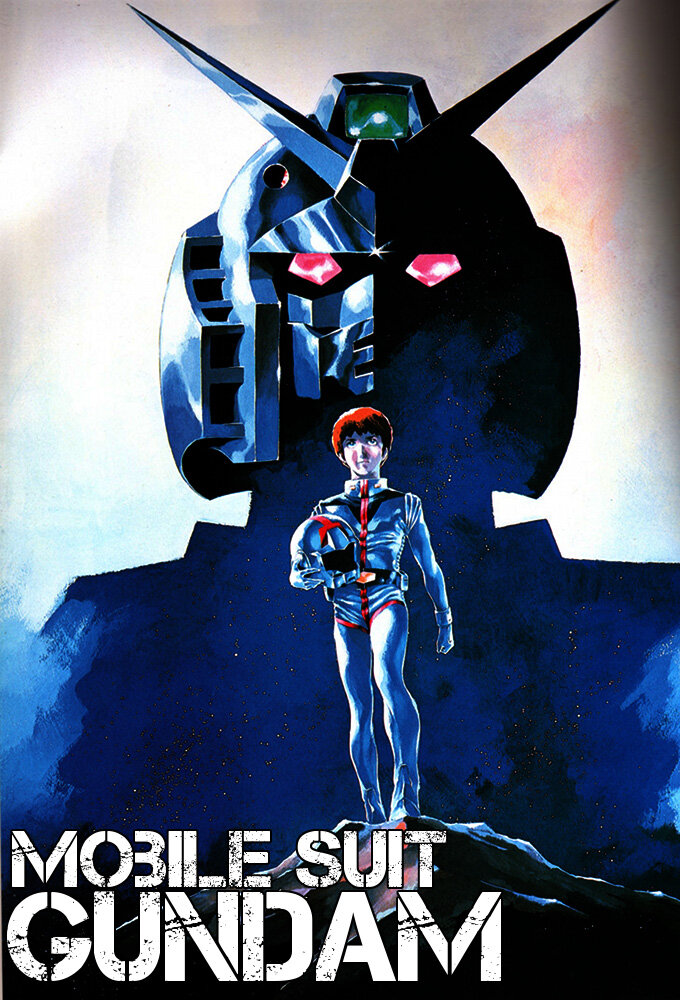
Natsume's Book of Friends2008
A gentler anime that inherits Gatchaman's warmth about a found family working together. It has that same episodic structure where each case matters, and the same deep affection for its ensemble cast doing impossible things with grace.
But Almost no action. If you're coming for the combat sequences, you'll be frustrated by the quiet supernatural drama instead.
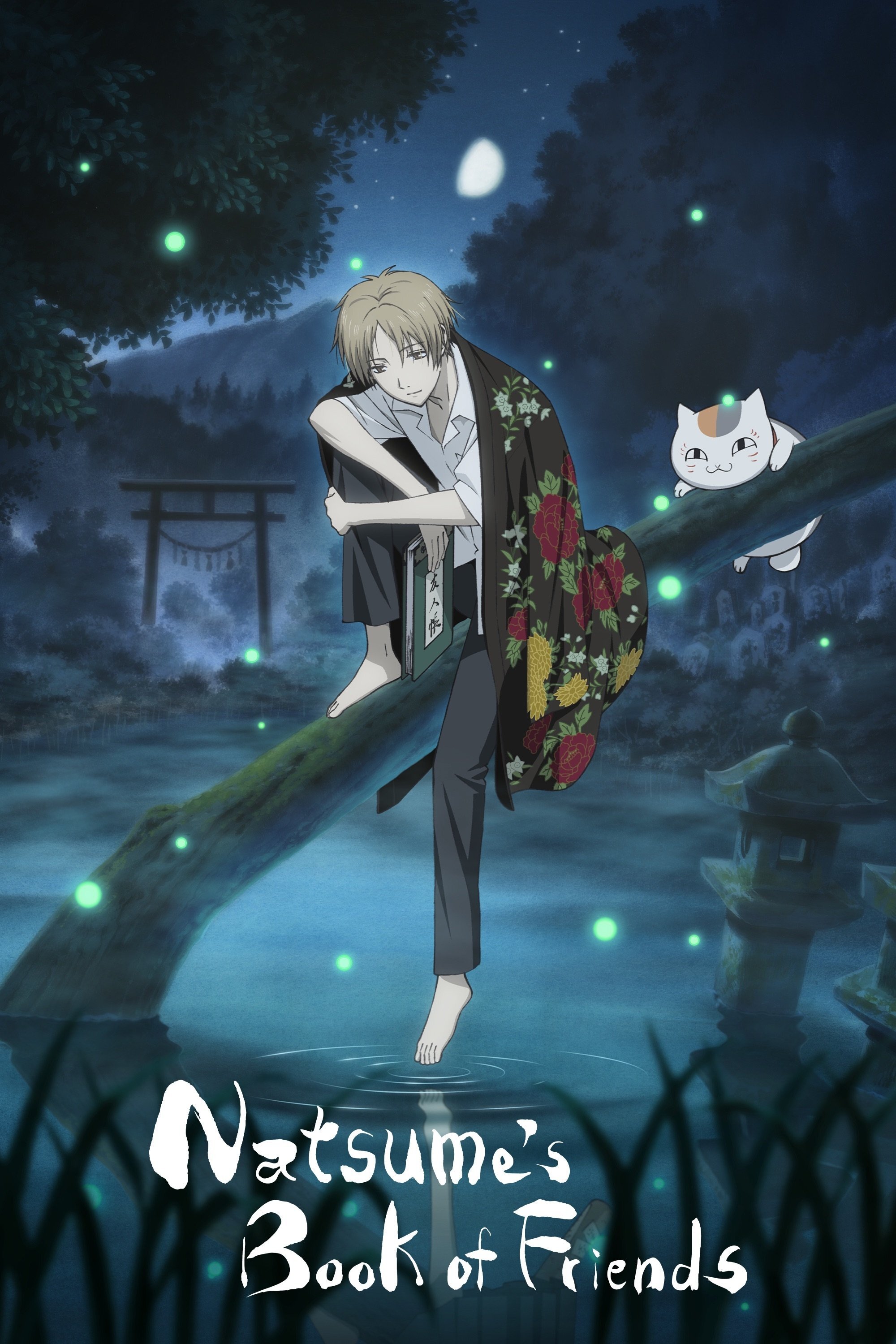
The Castle of Cagliostro1979
Theatrical anime action from the same era, with the same playful energy and impeccable visual storytelling. A master thief infiltrates an impossible castle. It moves like Gatchaman—every frame purposeful, every sequence thrilling—but with Miyazaki's perfectionism.
But It's a film, not a series, so there's less time for character development. The plot is simpler and more straightforward than you might expect.
Not sure tonight? Get a pick in a minute, starting from Science Ninja Team Gatchaman
The wildcard
Something you would not have found on your own.
The Prisoner1967
Both are '60s/'70s action series obsessed with how individuals resist vast organizational power. Both use visual flair and tech-forward design to suggest threat and complexity beyond what dialogue can carry.
A 1960s British spy series that predates Gatchaman but shares its DNA: lone agents and teams fighting shadowy organizations with advanced technology, surveillance, and psychological games. Episode 6, 'The General,' is exactly Gatchaman's sensibility transposed to live-action and psychedelia.
But It's abstract and philosophical in ways that can feel opaque. The episodic stories often don't resolve neatly, which will frustrate viewers wanting closure.
More like this (7)
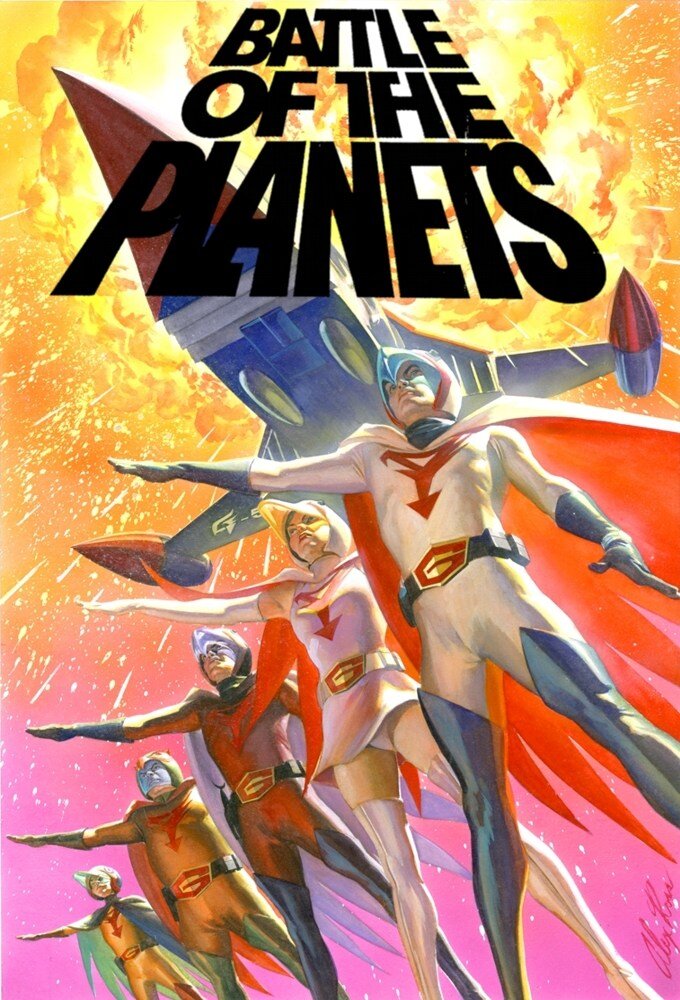
Battle of the Planets1978
This is actually Gatchaman repackaged for American TV with new voice acting, recut episodes, and an added robot character. It's fascinating as a time capsule of how anime was Americanized, and genuinely fun on its own terms.
But The additions feel awkwardly grafted on. Fans of the original often find the alterations distracting rather than complementary.
Code Geass: Hangyaku no Lelouch2006
A modern anime that captures Gatchaman's sense of constant readiness and escalating stakes. A gifted teenager leads a resistance against an empire, with the same blend of strategy, spectacle, and character moments that define the original.
But It's much darker and more violent. The moral questions weigh heavier, and there's less of the lighter, playful tone that makes Gatchaman fun.
Cowboy Bebop1998
Another ensemble anime with impeccable pacing and a found-family core. Five misfits in a ship taking odd jobs—different genre, same DNA of characters who trust each other implicitly while barely holding it together.
But It's episodic in a way that can feel aimless if you're expecting a driving narrative. Some episodes are melancholic rather than exciting.

Ultraman1966
The live-action tokusatsu that influenced everything Gatchaman learned about team dynamics and monster-of-the-week plotting. It has that same sense of professionals in constant readiness, though in suits and practical effects rather than animation.
But The acting is very broad and the effects are dated beyond even Gatchaman's charm. It requires patience with a different era of filmmaking entirely.
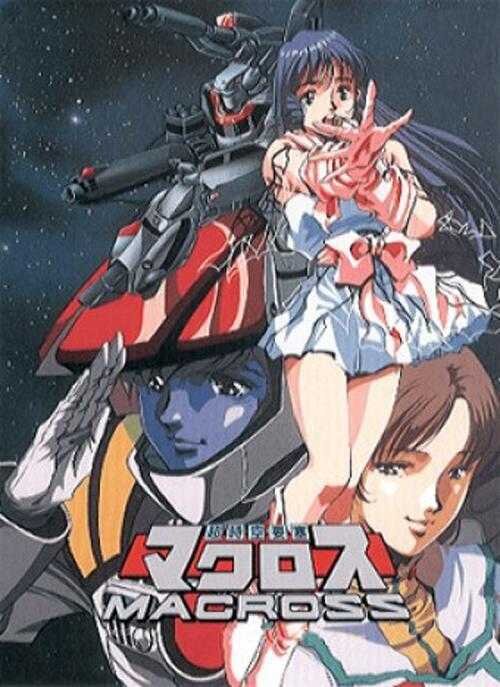
Macross1982
A space-opera anime where a team of pilots defend Earth against invaders using transforming mecha and pop music. It's Gatchaman's DNA scrambled with giant robots and soap opera, moving at Gatchaman's breathless pace.
But The romantic subplot overwhelms the action in ways that might frustrate viewers who came for pure spectacle. The animation quality varies wildly episode to episode.
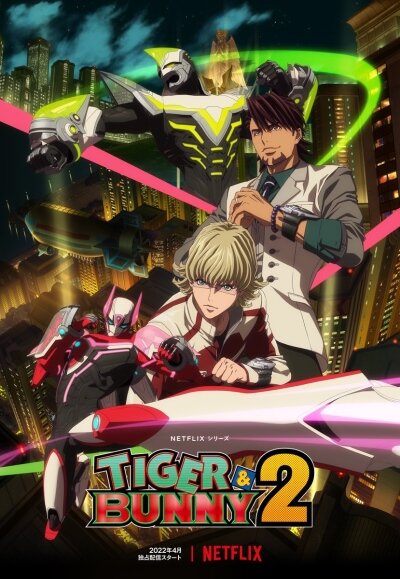
Tiger & Bunny2011
Superheroes sponsored by corporations in a modern city, paired up for action sequences that echo Gatchaman's dynamic teamwork. It's smart about ensemble casting and has that same joy in watching professionals work together under pressure.
But The sponsorship angle can feel gimmicky, and it tilts toward comedy in ways that undercut tension. The pacing slackens in the second half.
Astra Lost in Space2019
Both are ensemble narratives where a diverse group is stronger together than separately, and both treat their young casts with seriousness. Both believe in competence and preparation as heroism.
A twelve-episode anime where eight teenagers stranded on a derelict ship must navigate across space and between planets to survive. It has Gatchaman's absolute belief in ensemble teamwork—each character's specific skills matter—but adds genuine mystery and a coming-of-age melancholy beneath the adventure.
But The animation budget shows strain in later episodes. Some plot reveals feel rushed because of the compact episode count.