Television series
Little Busters!
A visual novel adaptation about a tight-knit group of high school friends processing childhood trauma through everyday joy and connection. Little Busters! blends comedy, romance, and genuine emotional depth, moving fluidly between laugh-out-loud shenanigans and moments of real vulnerability. It's for anyone who loves character-driven stories where friendship feels earned rather than assumed.
Should you watch it?
Watch it if you like slice-of-life comedy where the warmth comes from a tight group of friends squabbling and goofing off, and you don't mind the jokes landing unevenly before the feeling builds.
Skip it if you want a lean story with momentum; this one wanders through days of games and mischief, and its gags can feel repetitive across its long run.
What it asks of you: Thirty-nine episodes of twenty-five minutes each, taken at a loose, ambling pace; it wants patience for small daily moments more than close attention to plot.
Not sure? Find tonight's pick in a minute.
If you liked this
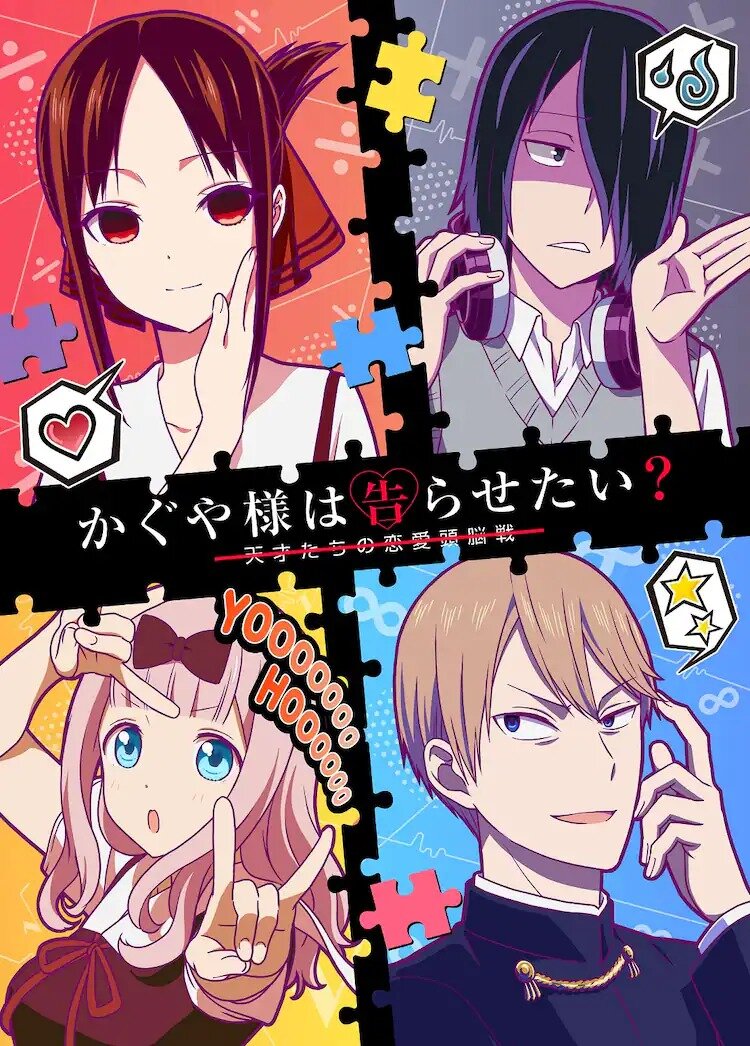
Clannad2007
The spiritual predecessor to Little Busters!, also adapted from a Key visual novel. It shares the same DNA: found family, supernatural undertones, and a willingness to wreck you emotionally while you're laughing at slice-of-life moments.
But Clannad's tonal whiplash is steeper, and its later arcs are genuinely devastating in ways that can feel manipulative if you're not in the mood for it.
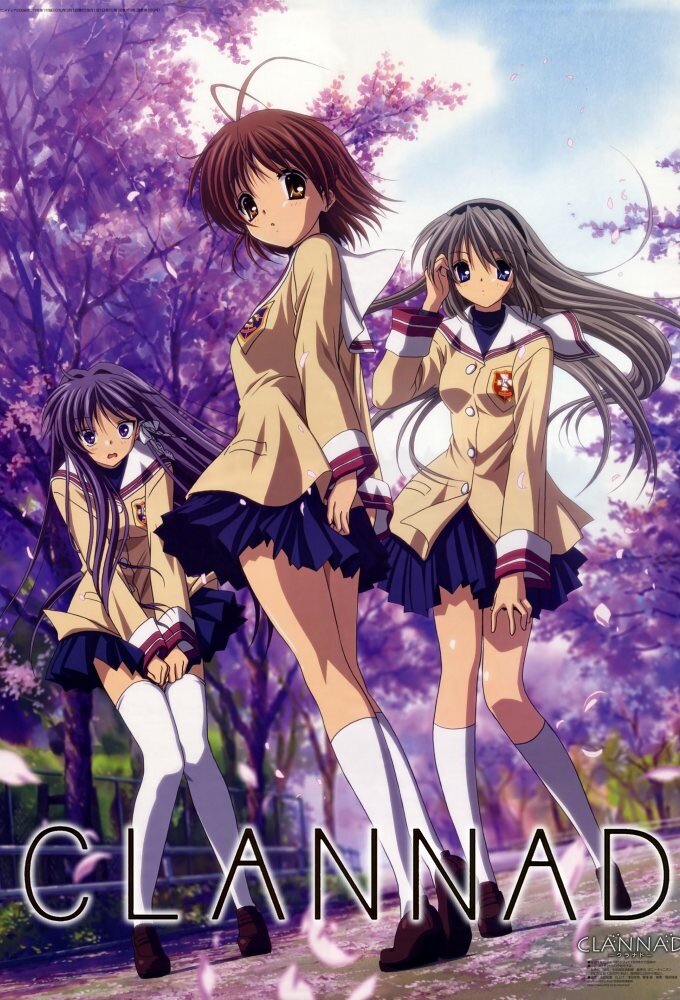
Toradora!2008
High school ensemble comedy that prioritizes character relationships over plot. It has the same warmth and humor, the same sense that these people actually matter to each other, and knows when to shift from funny to genuinely touching.
But The romance subplot dominates more heavily than in Little Busters!, and some comedic bits rely on dated gender dynamics that haven't aged perfectly.
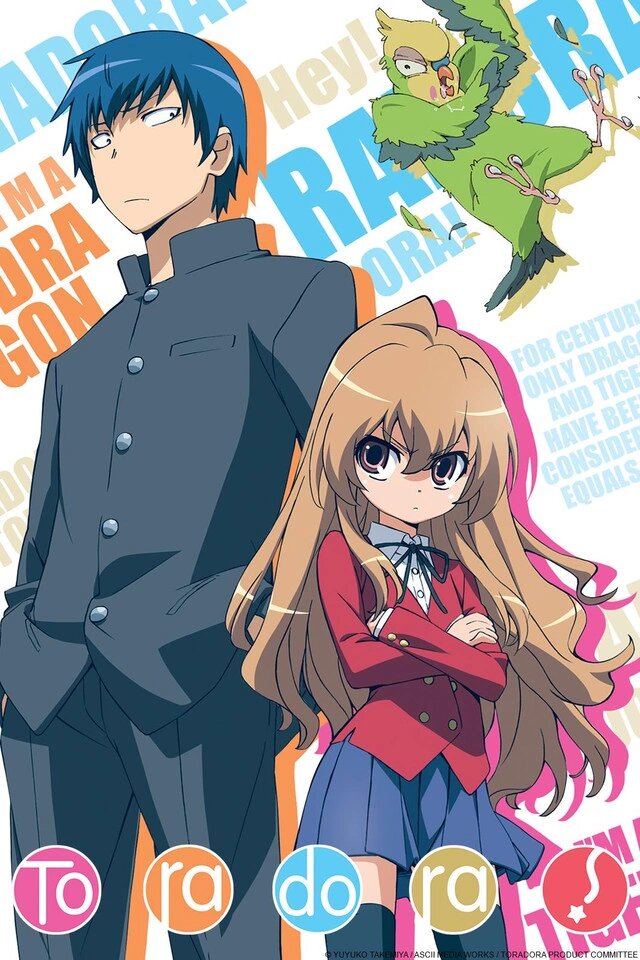
Ouran High School Host Club2006
Another ensemble where misfits form an unlikely family. It's clever, frequently hilarious, and understands that comedy and character depth aren't opposites—they're the same thing viewed from different angles.
But It's considerably lighter and less interested in emotional stakes. If you came to Little Busters! for the serious moments, this might feel like it's avoiding the hard stuff.
Not sure tonight? Get a pick in a minute, starting from Little Busters!
The wildcard
Something you would not have found on your own.
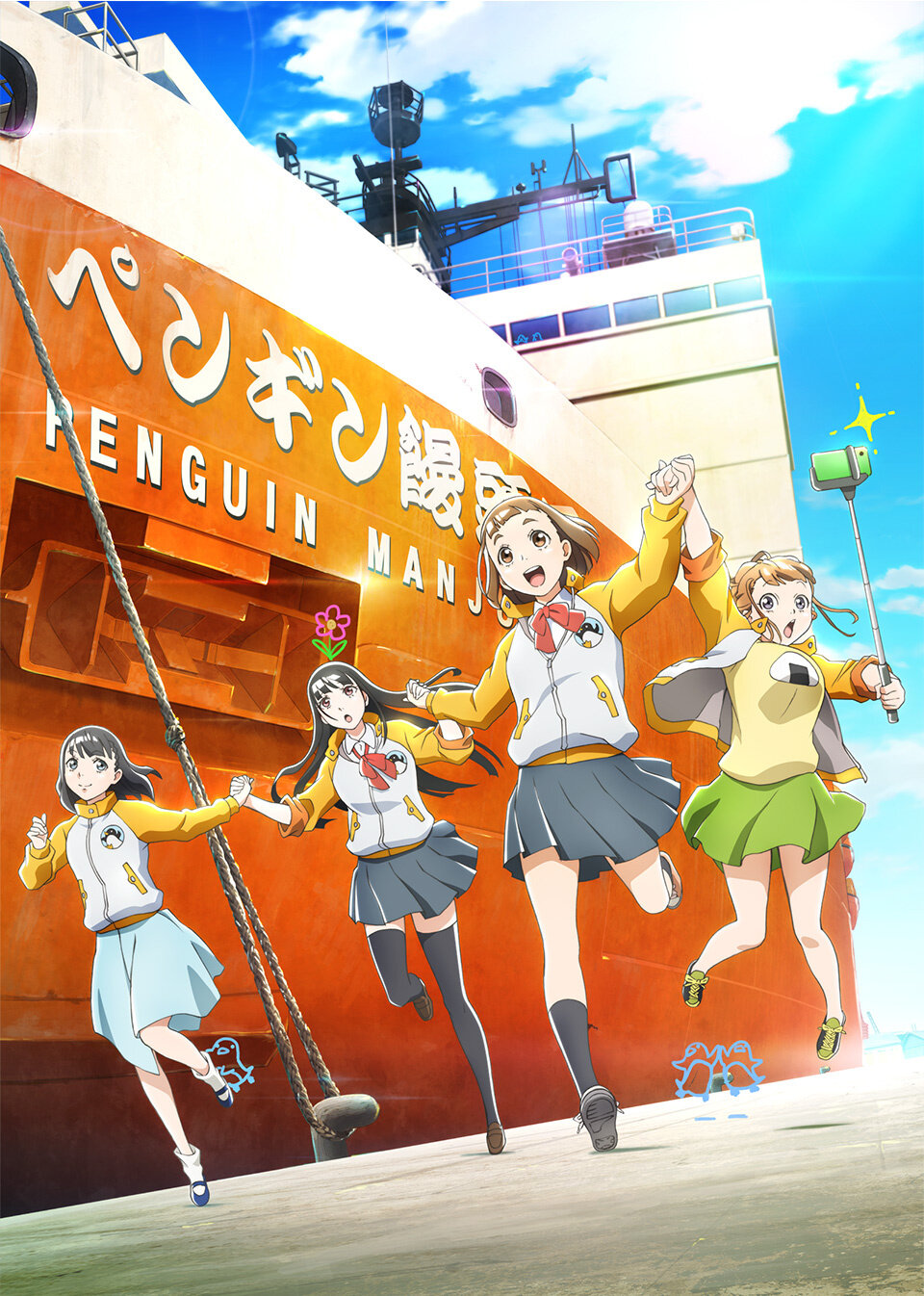
Sora yori mo Tooi Basho A Story that leads to the Antarctica2018
Both understand that found family is the cure for childhood abandonment, but this one makes the mission itself the point rather than using the mission as backdrop.
Four teenage girls process grief, family trauma, and displacement by committing to an impossible goal together. It's fundamentally about how commitment to others can save you—the exact engine of Little Busters!, but relocated to Antarctica and stripped of romance.
But It's more serious and less funny than Little Busters!, treating its characters' damage as real weight rather than something to recover from instantly. The emotional tone is richer but less escapist.
More like this (6)
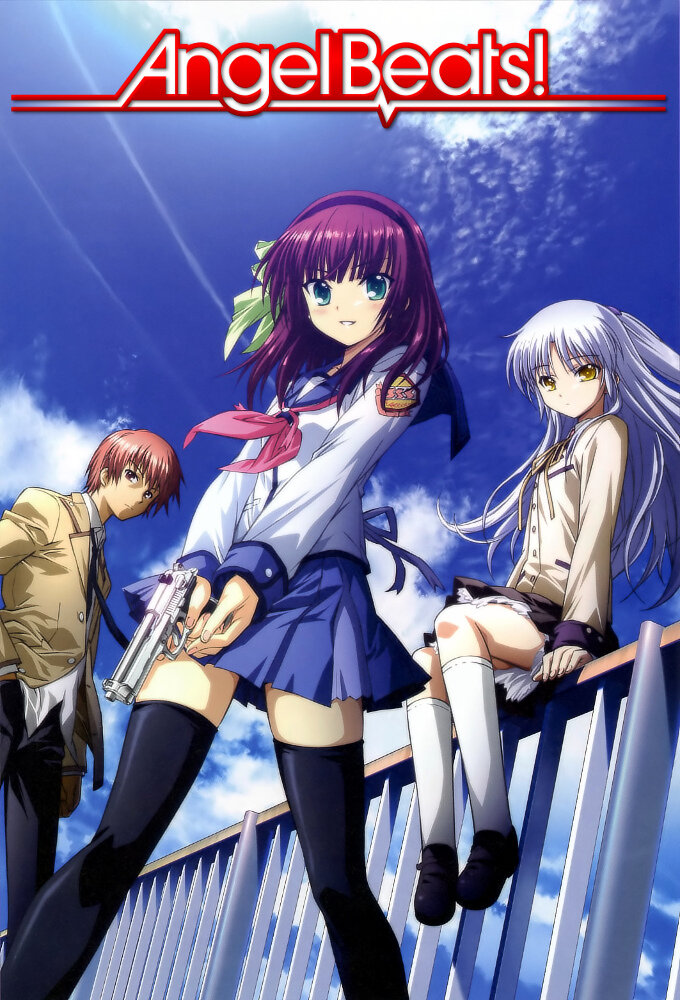
Angel Beats!2010
Also from Key. Reunites a group of traumatized teenagers in a liminal space to process grief together. It has Little Busters!' same tonal balance and the same belief that found family can heal what nothing else can.
But Some find its twist deeply moving; others find it manipulative. The emotional climax divides people sharply, and there's no middle ground.
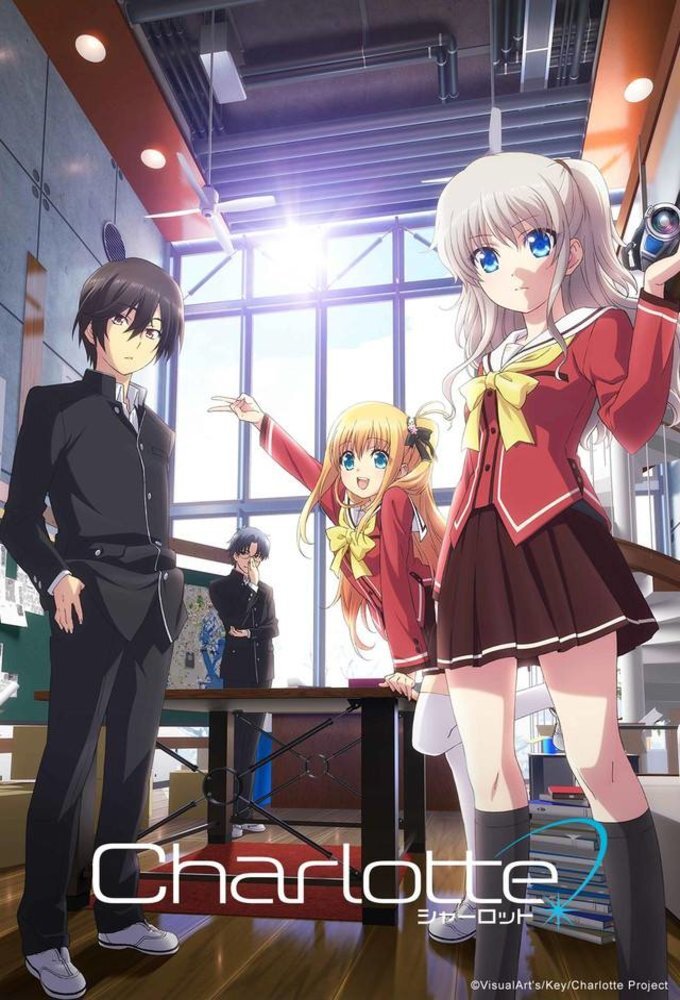
Charlotte2015
Lighter Key work about teenagers with supernatural abilities. Less intense than Clannad or Angel Beats!, but it shares the ensemble warmth and the commitment to making you care about ordinary kids in extraordinary situations.
But It's more straightforward and less interested in deep character development. If you loved Little Busters!' quieter character moments, this might feel rushed.
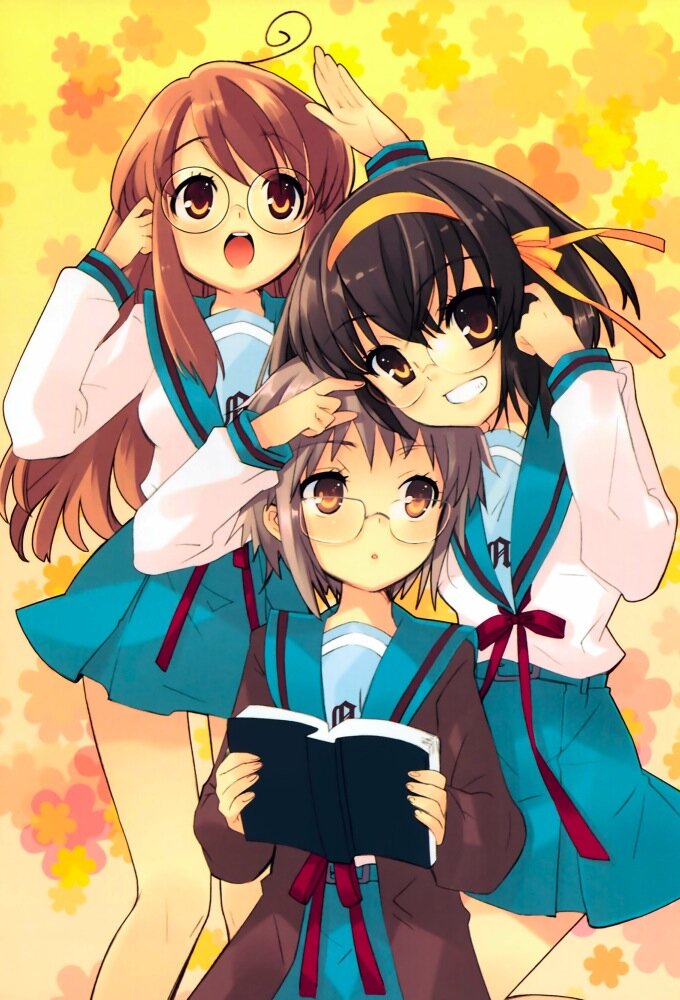
Suzumiya Haruhi no Yuuutsu2006
School club of misfits where chemistry between characters generates the actual story. Endlessly inventive, funny in surprising ways, and deeply weird in a manner that rewards attention and affection.
But The experimental structure and meta-humor won't land for everyone. Some find it clever; others find it exhausting and self-impressed.
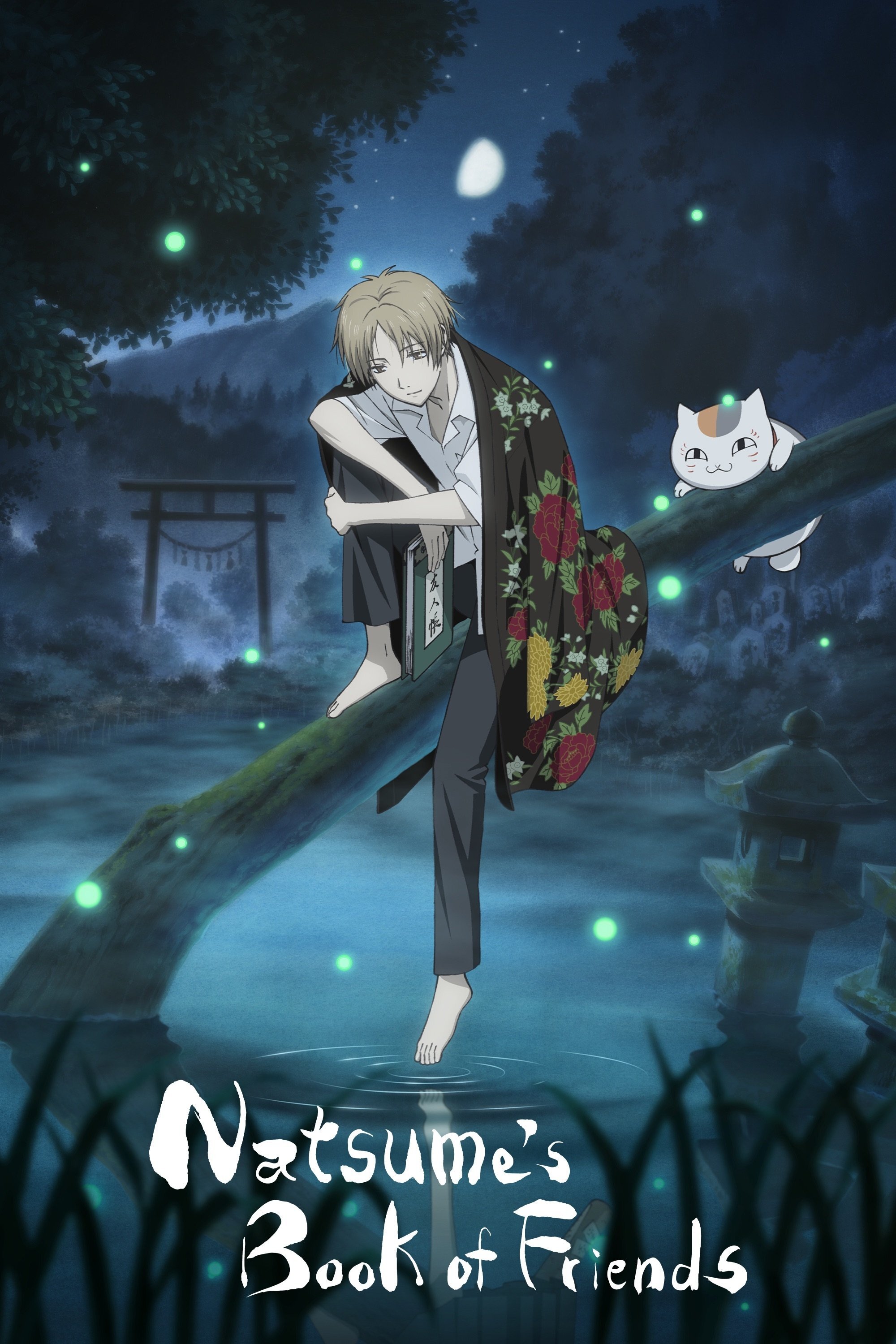
Natsume's Book of Friends2008
Quiet, character-focused series about a lonely teen learning connection. Each episode is brief and often standalone, but they accumulate into something genuinely moving about belonging and being known.
But It's deliberately paced and low-stakes. If you need plot momentum or high drama, the gentleness might feel inert rather than peaceful.
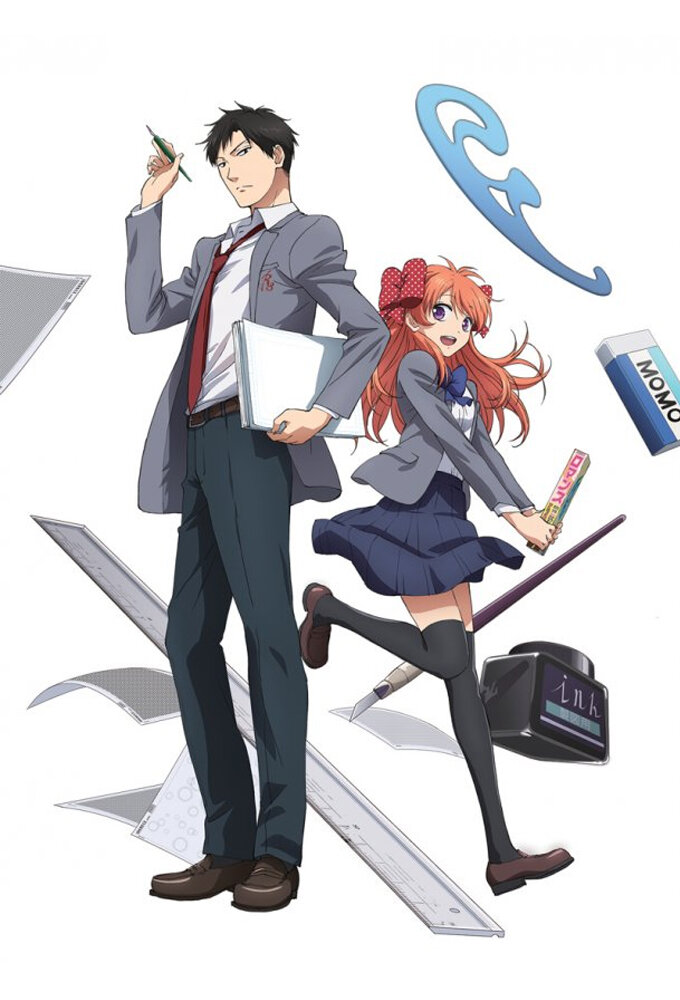
Gekkan Shoujo Nozaki-kun2014
School comedy ensemble with surprising depth beneath the gags. Characters feel like actual people with interior lives, and the humor comes from genuine affection rather than cruelty or stereotypes.
But Romance is deliberately sidelined in favor of ensemble comedy. If you're looking for romantic payoff, the series resists it intentionally, which frustrates some viewers.
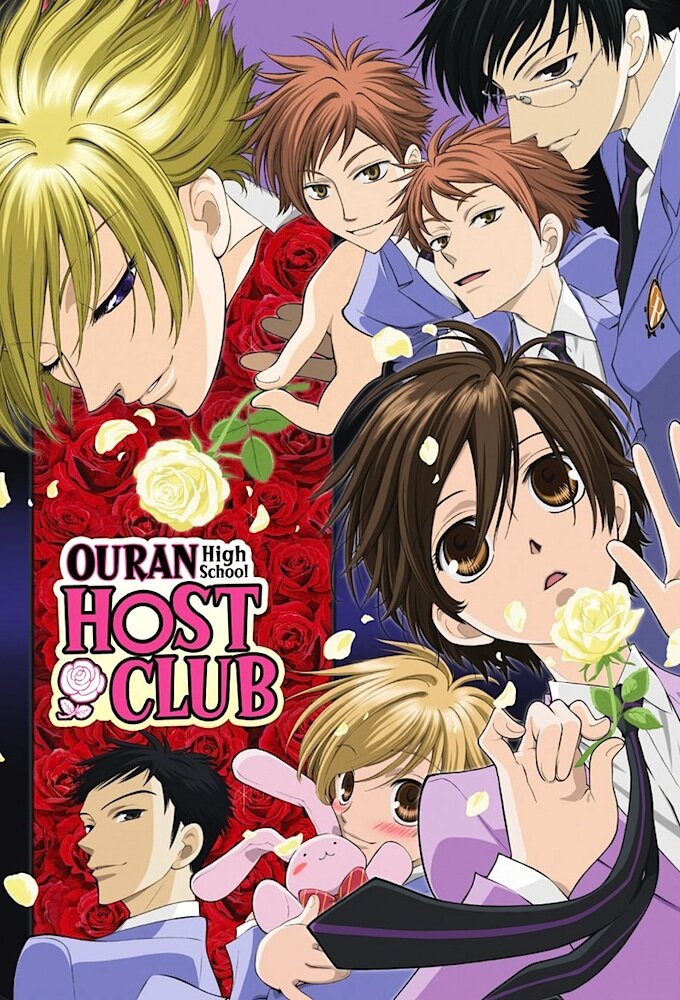
Kaguya-sama: Love Is War?2019
Both are about teenagers whose defenses keep others at arm's length, and both understand that the work of connection is also its proof. But this one keeps the masks on much longer, turning vulnerability itself into the narrative.
High school ensemble where real connection blooms under layers of performance and strategy. Hilarious, structurally innovative, and genuinely moving when it lets you see past the games to the people underneath.
But The comedy is dense and demands attention—you'll miss jokes if you aren't engaged. Also aggressively anime in its humor; some bits don't translate well outside that context.