
Television series
La Caída de El Mayo
A taut documentary miniseries examining the arrest of El Mayo Zambada, the Sinaloa Cartel's elusive co-founder, after fifty years evading capture. Spanning one hour across multiple episodes, it unpicks the mystery of his sudden surrender—was it betrayal, a deal, or something darker? Essential viewing for understanding modern cartel power and the fragile geopolitics of drug enforcement.
Should you watch it?
Watch it if you want a compact look at how one of the most wanted men in the drug trade ended up in U.S. custody, and you like chewing on open questions about who set the trap.
Skip it if you were hoping for a sprawling cartel saga; this is a short, tightly focused look at a single event and the questions swirling around it.
What it asks of you: Three brisk episodes with a lot of ground to cover, so it moves quickly and rewards close attention to names, dates and timelines.
Not sure? Find tonight's pick in a minute.
If you liked this
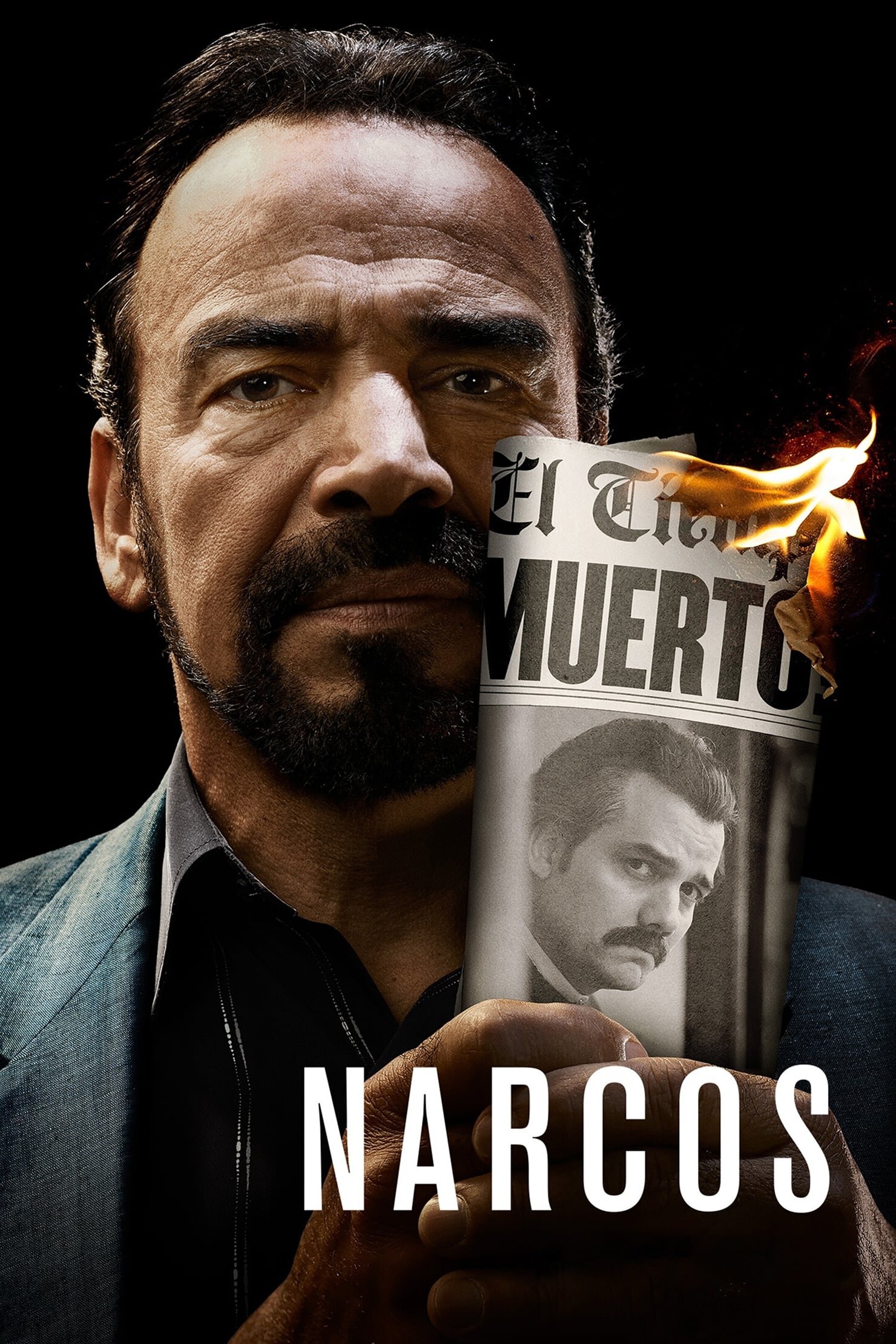
Narcos2015
The gold standard for crime documentaries with narrative drive. It follows DEA agents hunting kingpins with the same propulsive energy La Caída de El Mayo employs, making complex criminal networks lucid and gripping.
But The earlier seasons lean heavily into dramatisation and sometimes simplify the messier political reality. If you want pure documentation over storytelling, this leans the other way.
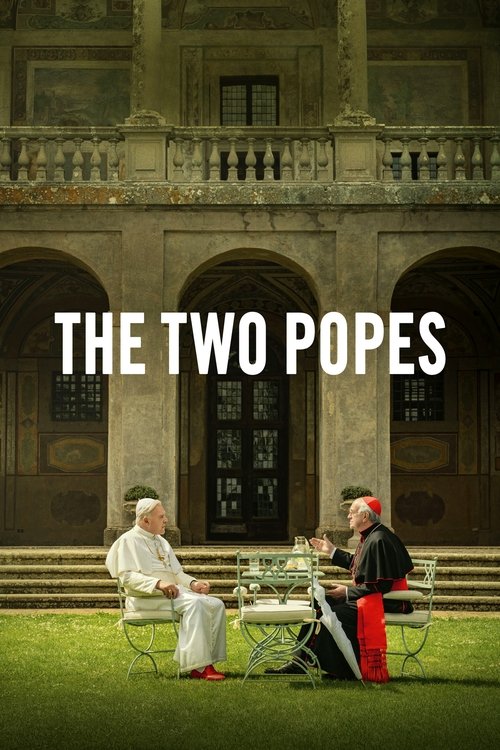
The Two Popes2019
A masterclass in depicting power transitions and institutional intrigue through conversation. Like El Mayo's arrest, it's about how someone long thought untouchable finally falls—here, exploring what happens when authority passes between men.
But It's dialogue-heavy and philosophical rather than action-driven. If you want plot momentum over meditation on legacy and succession, this will feel slow.
McMafia2018
A sophisticated exploration of organised crime's global infrastructure and the interconnected networks that keep it functioning. It shares La Caída's interest in how massive criminal enterprises operate at the highest levels.
But The narrative structure is deliberately fractured across multiple countries and storylines. Some viewers find it confusing or unnecessarily complex.

Not sure tonight? Get a pick in a minute, starting from La Caída de El Mayo
The wildcard
Something you would not have found on your own.
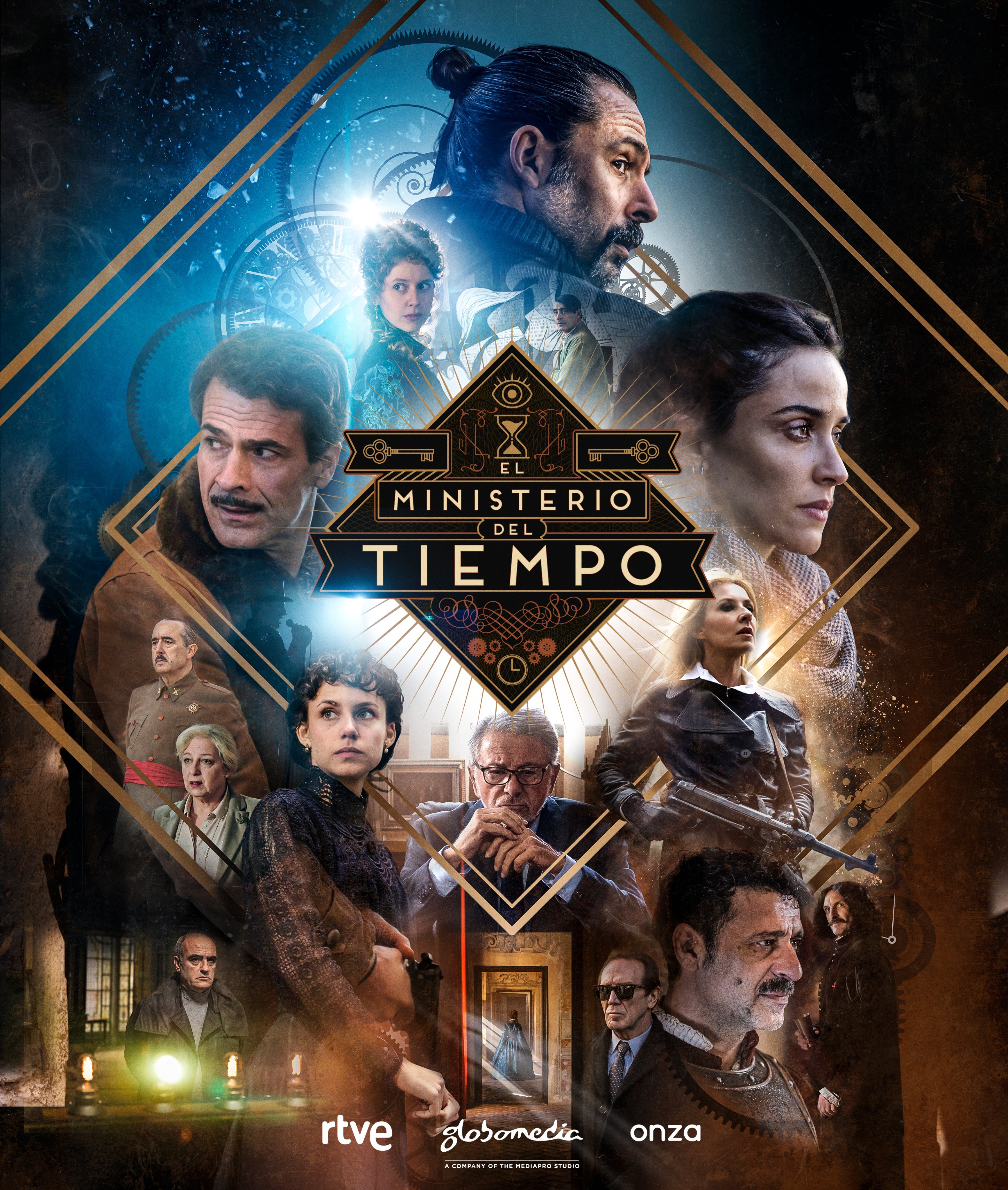
El Ministerio del Tiempo2015
Both explore how a single point of rupture can unravel seemingly untouchable power structures. El Ministerio asks 'what if we changed one moment?' La Caída asks 'what changed that moment?'
A Spanish sci-fi series about historical intervention and the unintended consequences of trying to alter the past. Its obsession with how small changes ripple outward mirrors the documentary's core question: what small decision or betrayal toppled a fifty-year reign?
But It's a genre leap into speculative fiction. If you want realism, whimsy and time-travel mechanics will feel tonally jarring.
More like this (7)
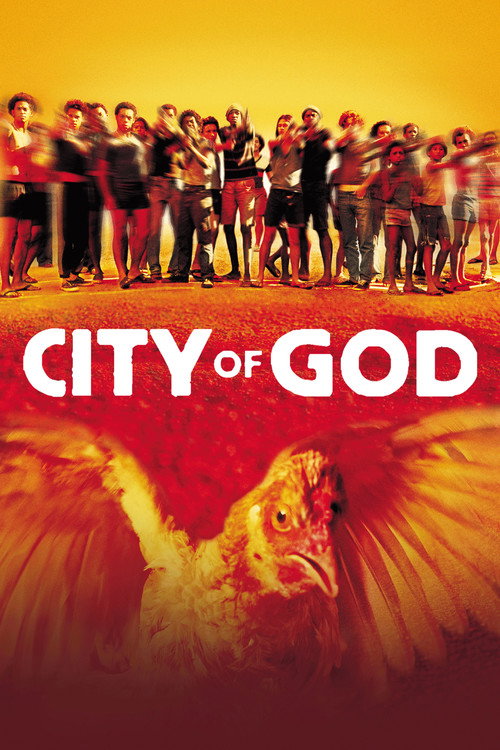
City of God2002
A visceral, formally brilliant film about favela drug trade hierarchies and how power consolidates and fractures. It captures the human reality beneath cartel economics in ways few crime films attempt.
But It's violent and deliberately brutal. The rapid-fire editing and non-linear storytelling can feel exhausting if you're looking for something contemplative.
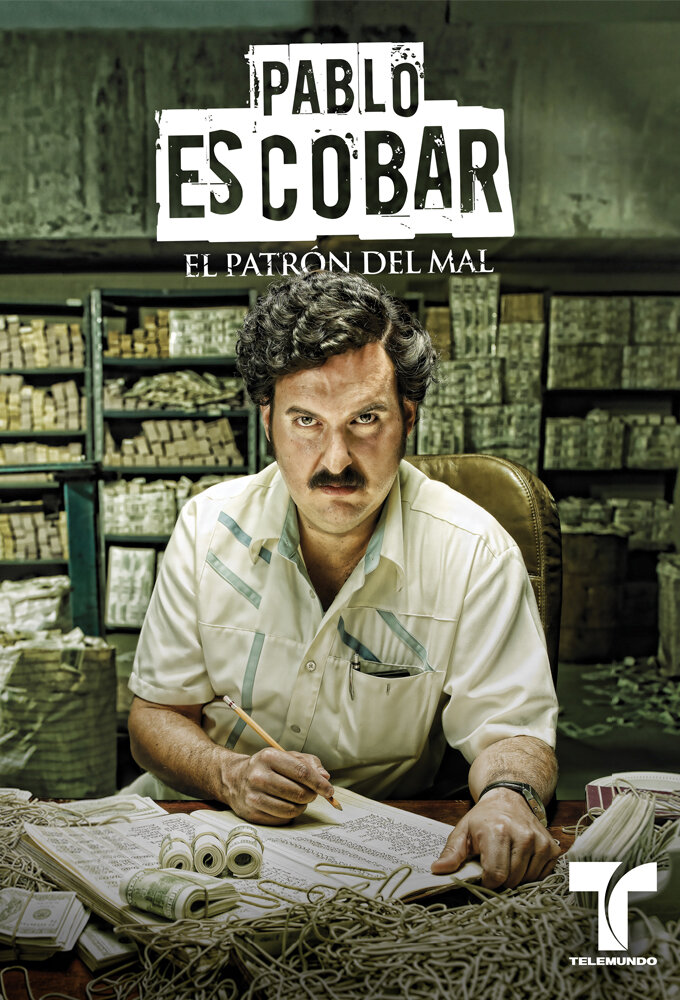
Pablo Escobar: El Patrón del Mal2012
A Colombian series dramatising Pablo Escobar's rise and fall with enormous detail and production value. If you're fascinated by how cartel architects build empires, this goes deep into methodology and psychology.
But It's nearly a hundred episodes. The commitment required is substantial, and subtitles fatigue is real if you're not accustomed to it.
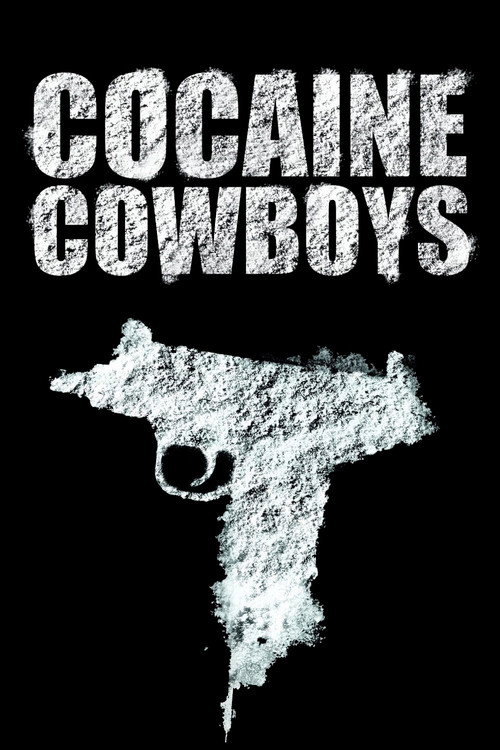
Cocaine Cowboys2006
A lean, engaging documentary about Miami's cocaine trade in the 1980s. It's archive-heavy and features interviews with actual traffickers, giving it an authenticity that complements El Mayo's focus on real people.
But The production quality is dated, and the subject matter is from an earlier era, so it may feel like historical curiosity rather than current events.
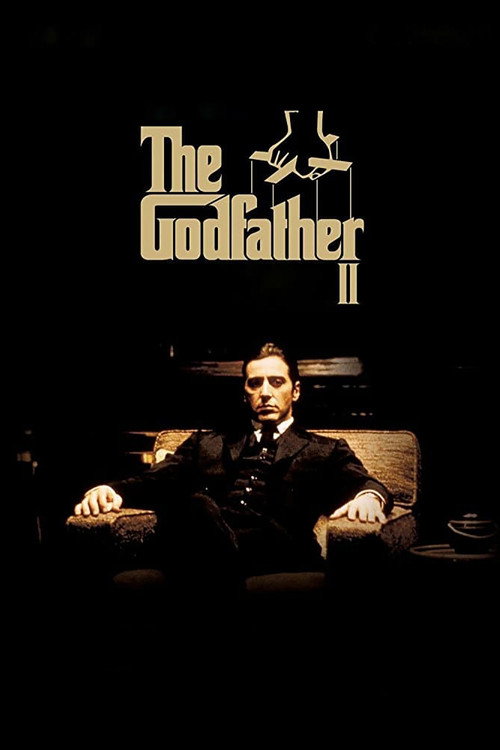
The Godfather Part II1974
A foundational text about succession, betrayal, and the institutional logic of criminal enterprises. Its parallel narratives about power being handed down and seized mirror the questions La Caída raises about cartel transitions.
But It's nearly four hours, and its pacing is deliberate. Impatient viewers may struggle with scenes that prioritise atmosphere over plot momentum.
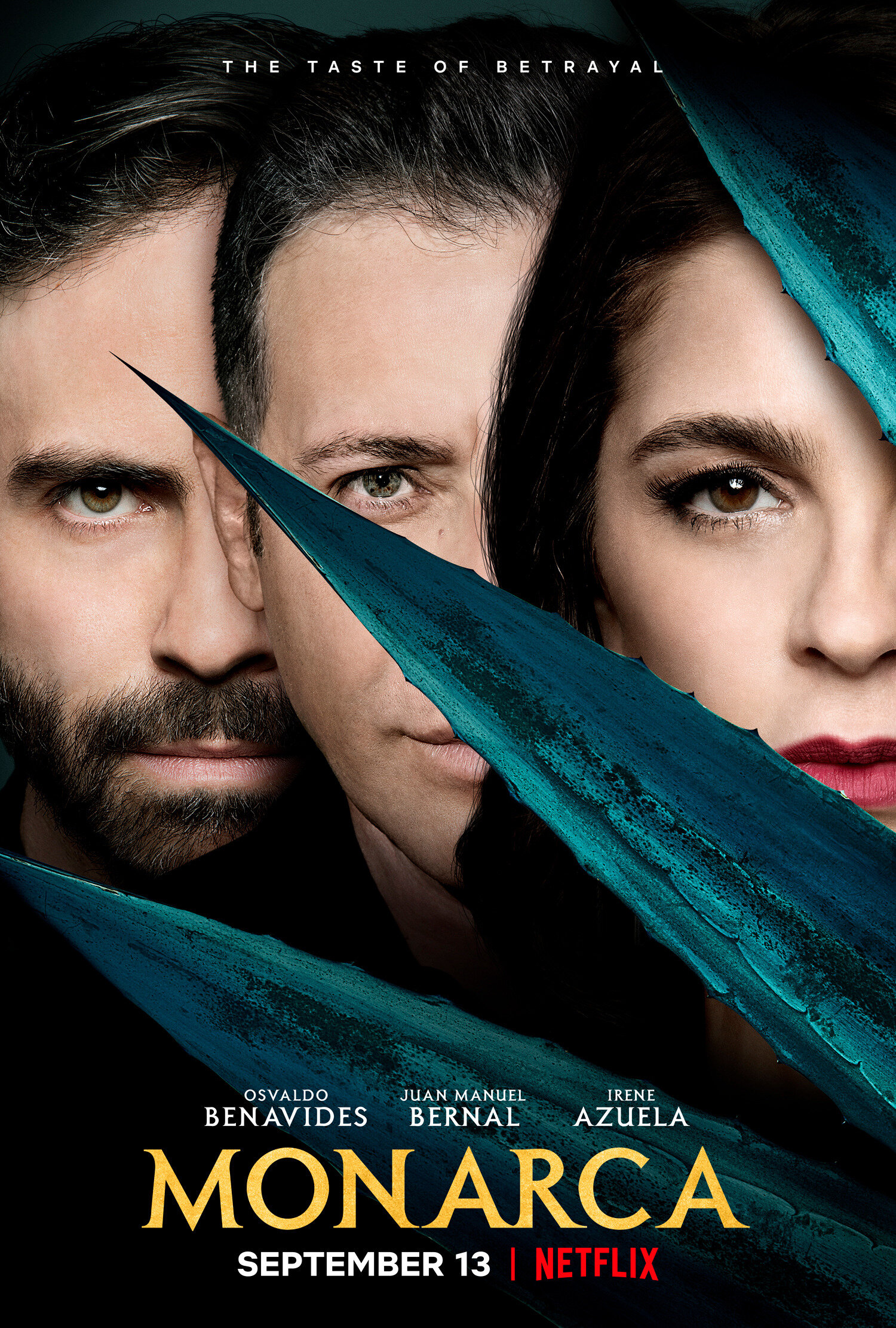
Monarca2019
A Mexican drama about family dynasty, corruption, and navigating criminal power structures. It grounds itself in Mexican institutional reality in ways that give context to El Mayo's long evasion and eventual capture.
But The family melodrama can overshadow the political intrigue. If you want pure cartel mechanics, the soap opera elements might feel like distraction.
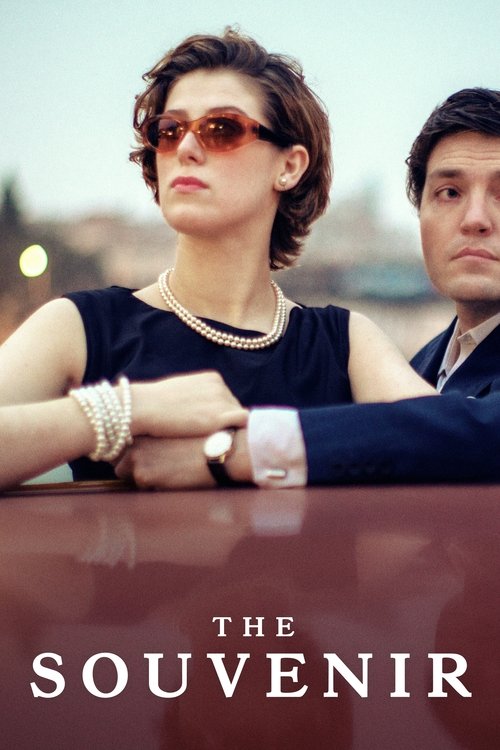
The Souvenir2019
Both are mysteries about why someone we thought we understood suddenly becomes incomprehensible. The film explores intimate betrayal; the documentary explores institutional ones. Both ask: how do we see what was always there?
An oblique, formally experimental film about a young woman's inability to see what's truly happening in her relationship until catastrophe forces clarity. It captures the disorientation of realising that someone central to your understanding of power has been operating under false premises.
But It's slow, deliberately opaque, and resists conventional narrative. If you want clarity and propulsion, this demands patience and tolerance for ambiguity.
A Prophet2009
Where La Caída investigates why an empire fell, A Prophet examines how empires are built and why they're fragile. Both understand that criminal power is always contingent, always threatened by the people closest to it.
A French prison drama following a young man's rise through carceral hierarchy and institutional power. It's a precise, unflinching study of how criminal authority consolidates—and why even the most powerful figures eventually face challenge or collapse from within.
But It's in French, runs two and a half hours, and is unremittingly grim. No lightness, no moral comfort, no easy answers.
