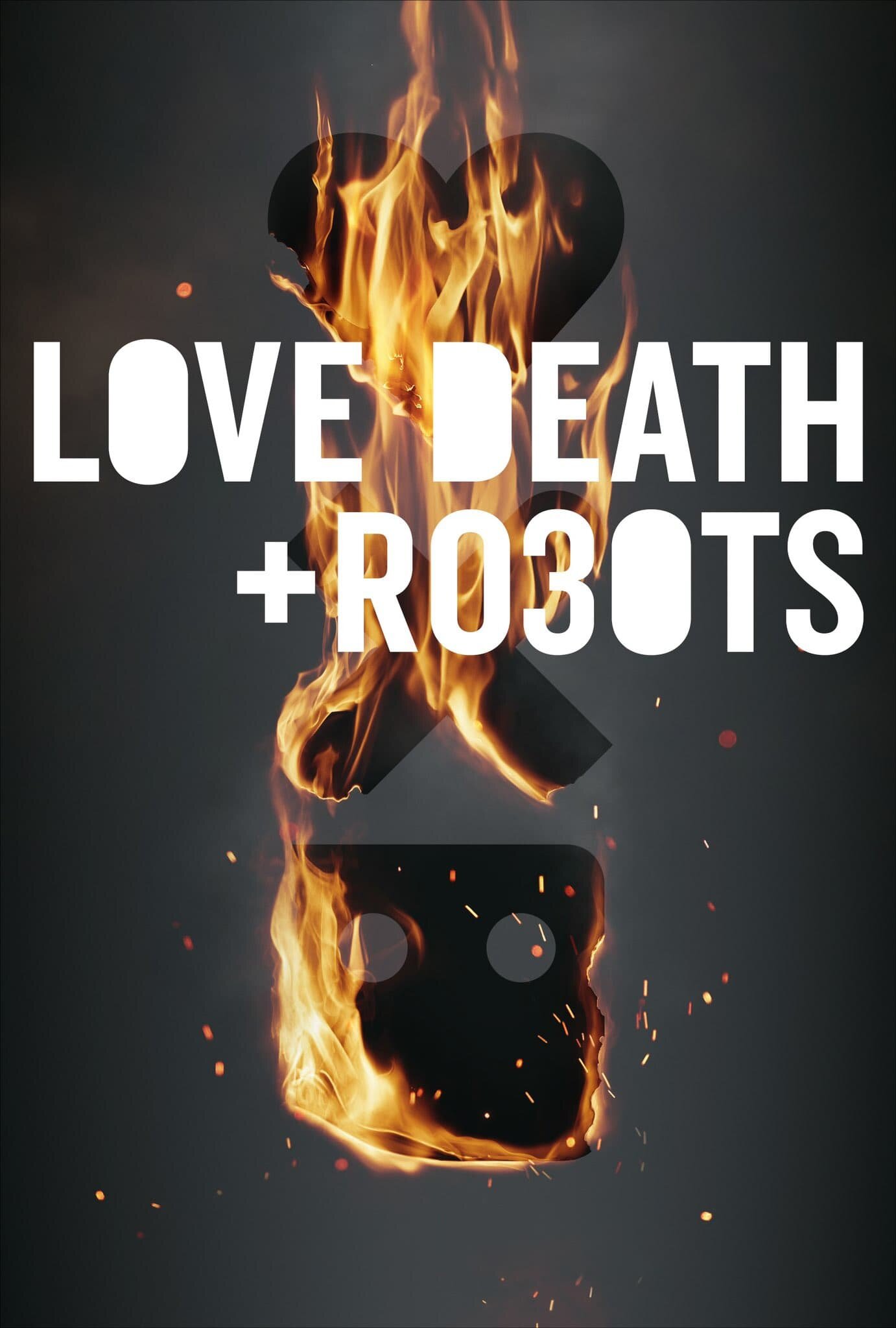
Television series
Dating in the Dark
Dating in the Dark strips away physical appearance to test whether genuine connection can form in total darkness. Six singles enter a house where they date entirely in a pitch-black room, relying purely on conversation, touch, and chemistry. After several days, they reveal themselves and decide whether their spark survives in the light. It's a high-concept dating show that takes its premise seriously, treating attraction and compatibility as genuinely complex questions.
If you liked this
Love Is Blind2020
The definitive evolution of the concept: singles get engaged without ever seeing each other, then navigate real life together. It's messier, more committed, and far more emotionally invested than Dating in the Dark's lighter touch.
But Seasons grow repetitive in structure, and some episodes feel padded. The show sometimes mistakes drama for depth, and you'll recognize the relationship arcs by season three.
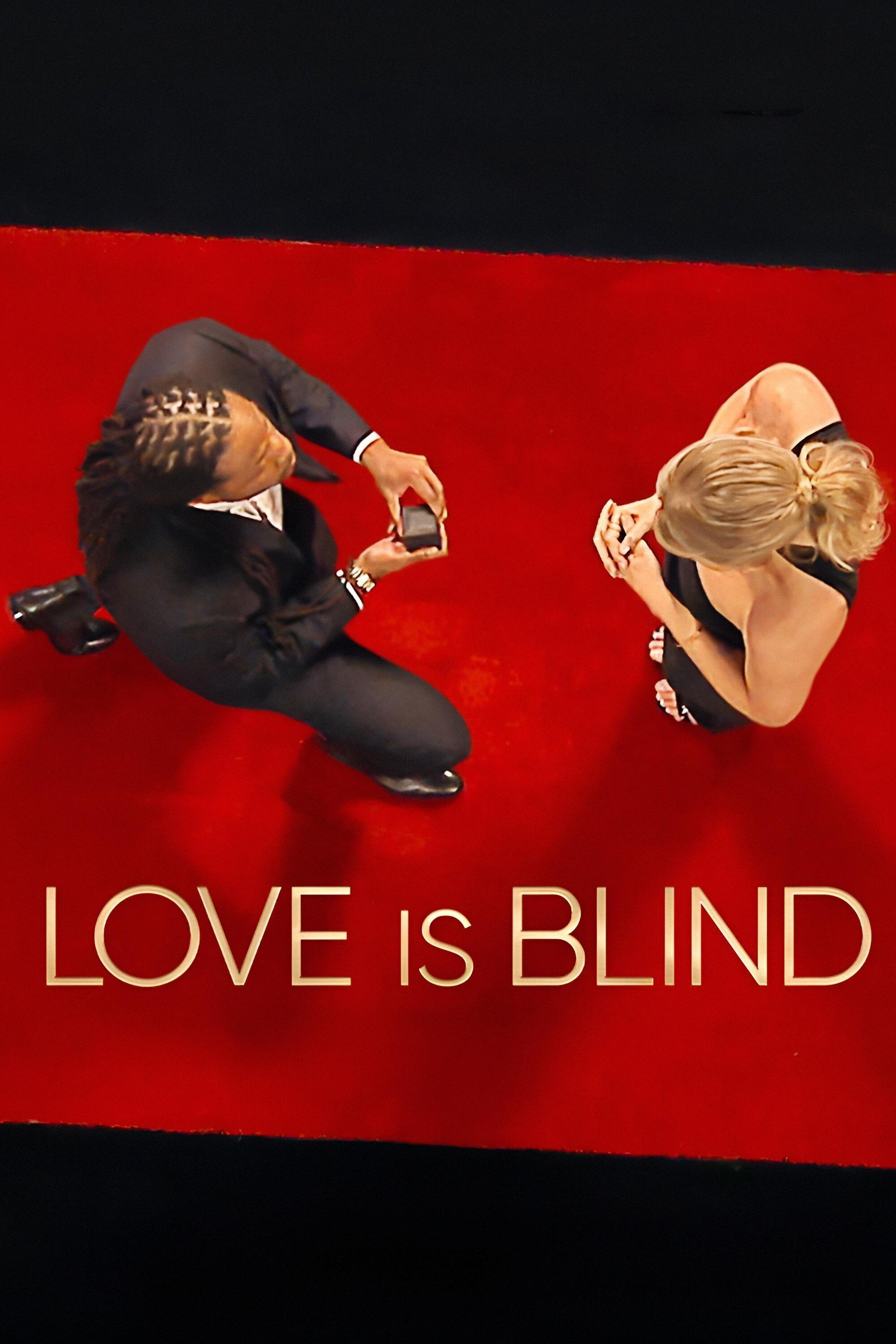
The Bachelor2003
The template for modern romance television. A single person dates multiple people in carefully constructed scenarios designed to manufacture connection and chemistry. If you liked Dating in the Dark's format, this is where to understand how dating shows think.
But It's genuinely long—seasons run 12+ episodes—and the formula becomes predictable. You're watching the same emotional beats recycle with different faces.
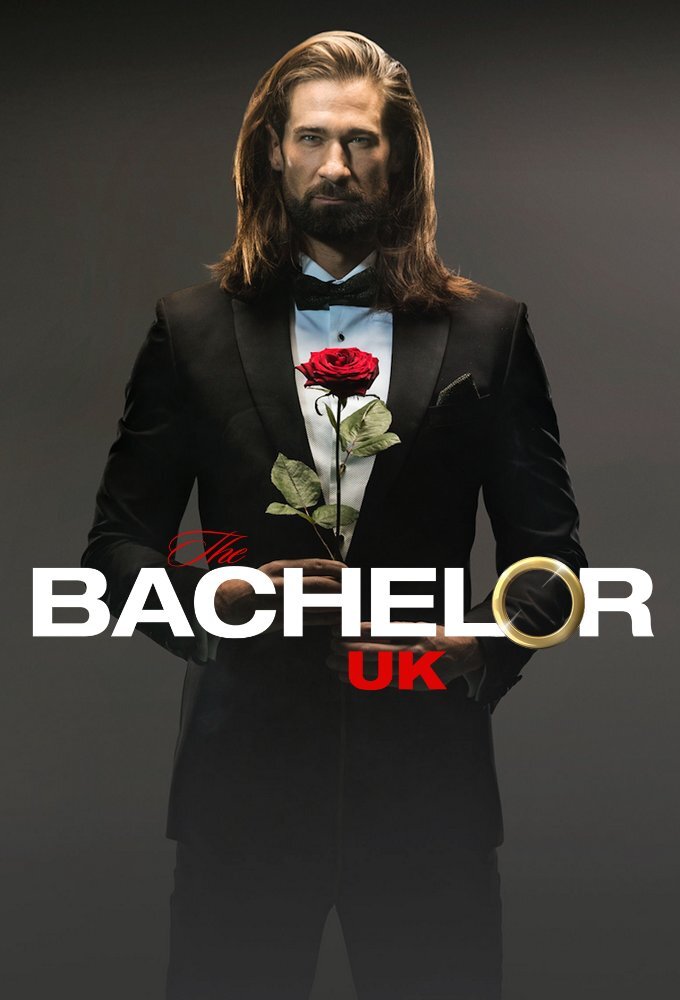
Are You the One?2014
MTV's spin on matchmaking as puzzle: ten singles must pair up with their algorithmically determined 'perfect match.' It combines Dating in the Dark's central question with game-show stakes and far more chaotic energy.
But The tone is raucous and aggressive in ways that haven't aged well. If you want emotional sincerity, this veers hard into spectacle instead.

Not sure tonight? Get a pick in a minute, starting from Dating in the Dark
The wildcard
Something you would not have found on your own.
In the Mood for Love2000
Both are fascinated by connection that exists in restriction—Dating in the Dark uses literal darkness; In the Mood for Love uses social prohibition and physical distance. Both argue that constraint can intensify intimacy rather than diminish it.
Wong Kar-wai's masterpiece about two neighbors who suspect their spouses are having an affair, so they meet in shadows and hotels to rehearse potential confrontations. It's all whispered conversation, longing glances, and chemistry built entirely through implication and absence.
But It's deliberately slow, visually hypnotic, and dialogue-light. If you need plot momentum, this will feel like watching paint dry, and the ending refuses catharsis.

More like this (8)
Married at First Sight2014
Three couples meet at the altar, chosen by experts, having never seen each other before. It mirrors Dating in the Dark's 'can connection survive first impression?' but with actual marriage at stake, raising the emotional stakes considerably.
But Episodes drag, and the show recycles the same conflicts. Production manipulation becomes increasingly obvious as seasons continue.
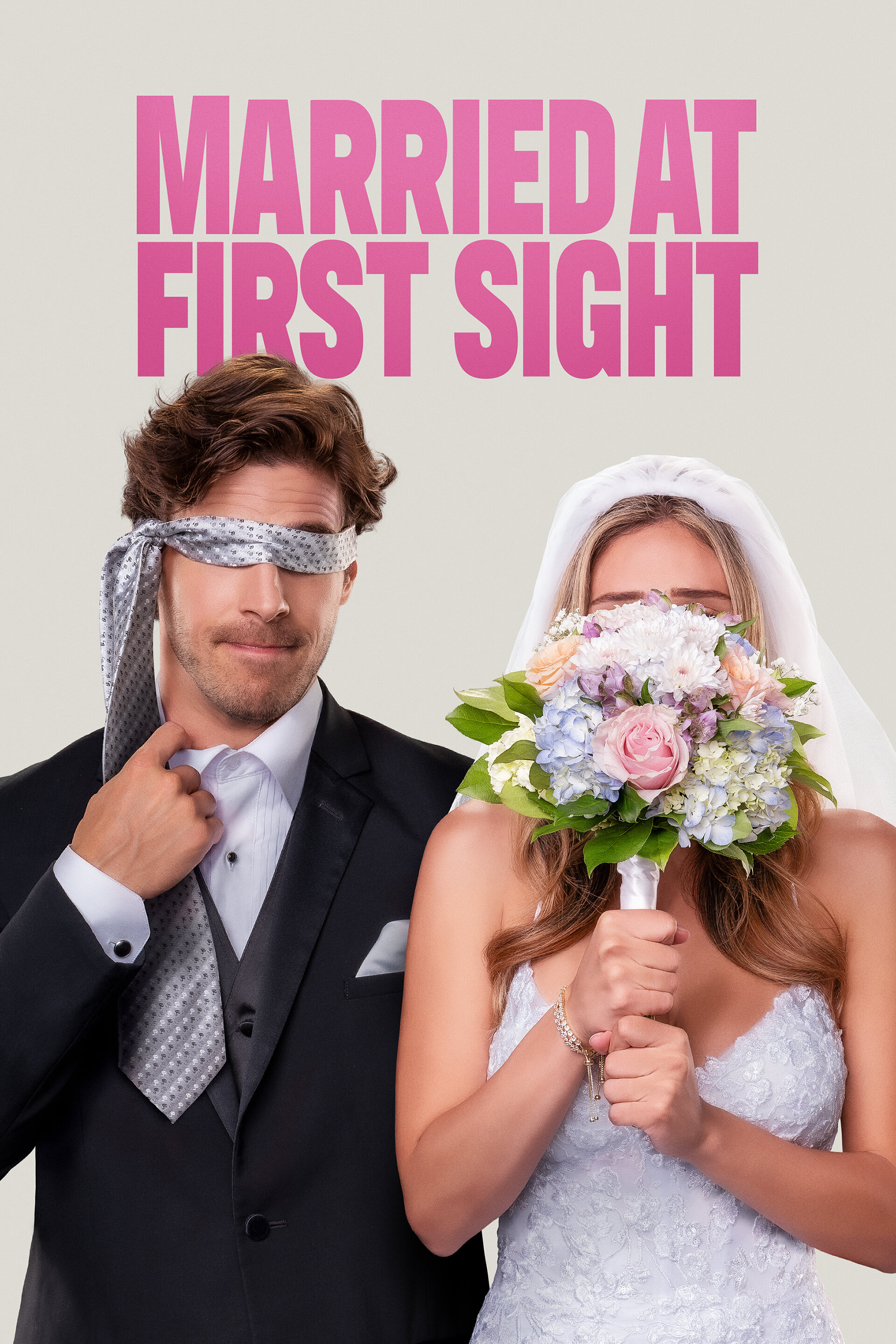
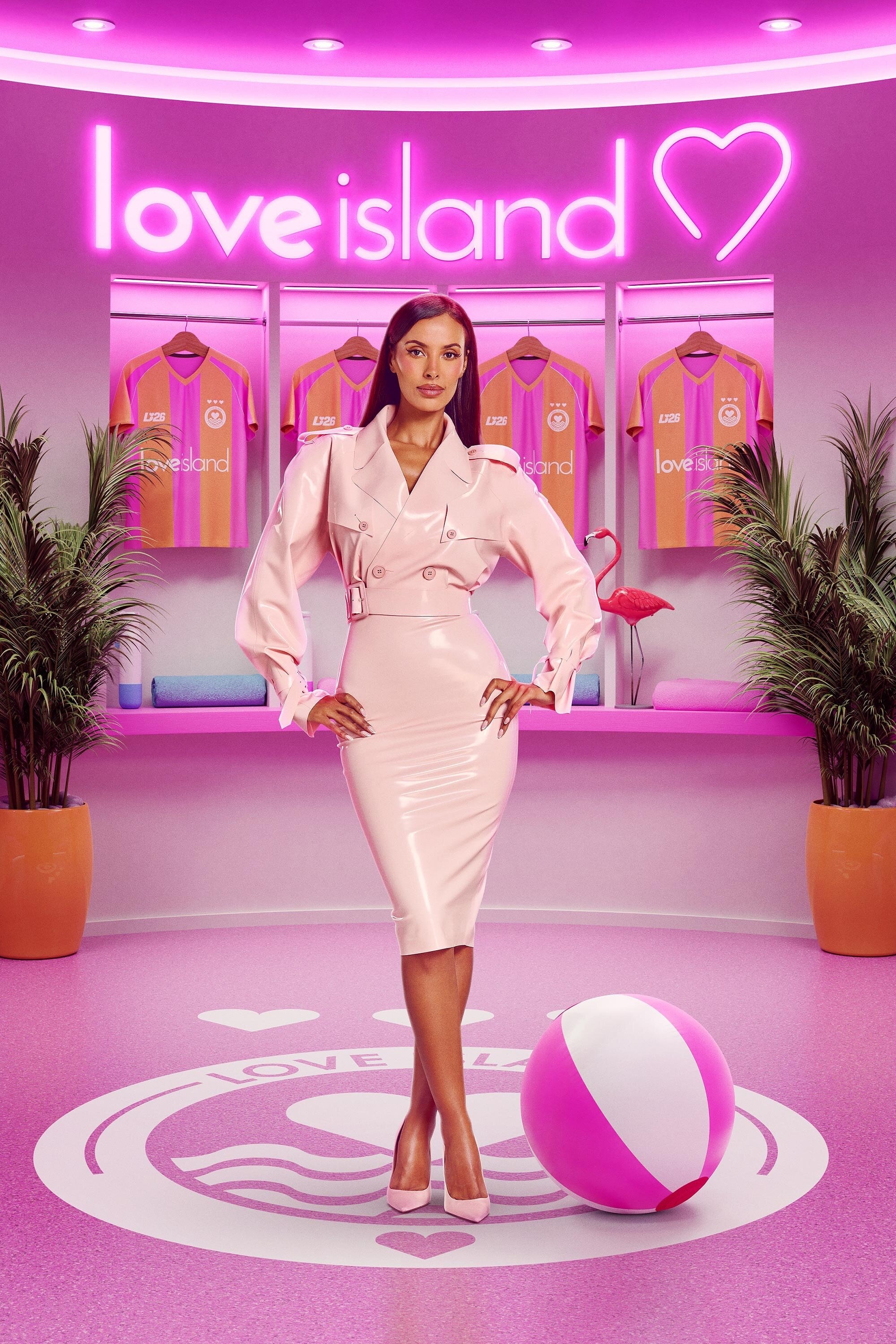
Love Island2015
Single people couple up in a villa based on immediate attraction, then face regular recouplings that force genuine recalibration of their choices. It's about watching people discover what they actually want versus what they thought they wanted.
But It's exhausting to keep up with—the US version especially sprawls across 50+ episodes per season. If you need plot to move, you'll go mad watching people sit around the pool.
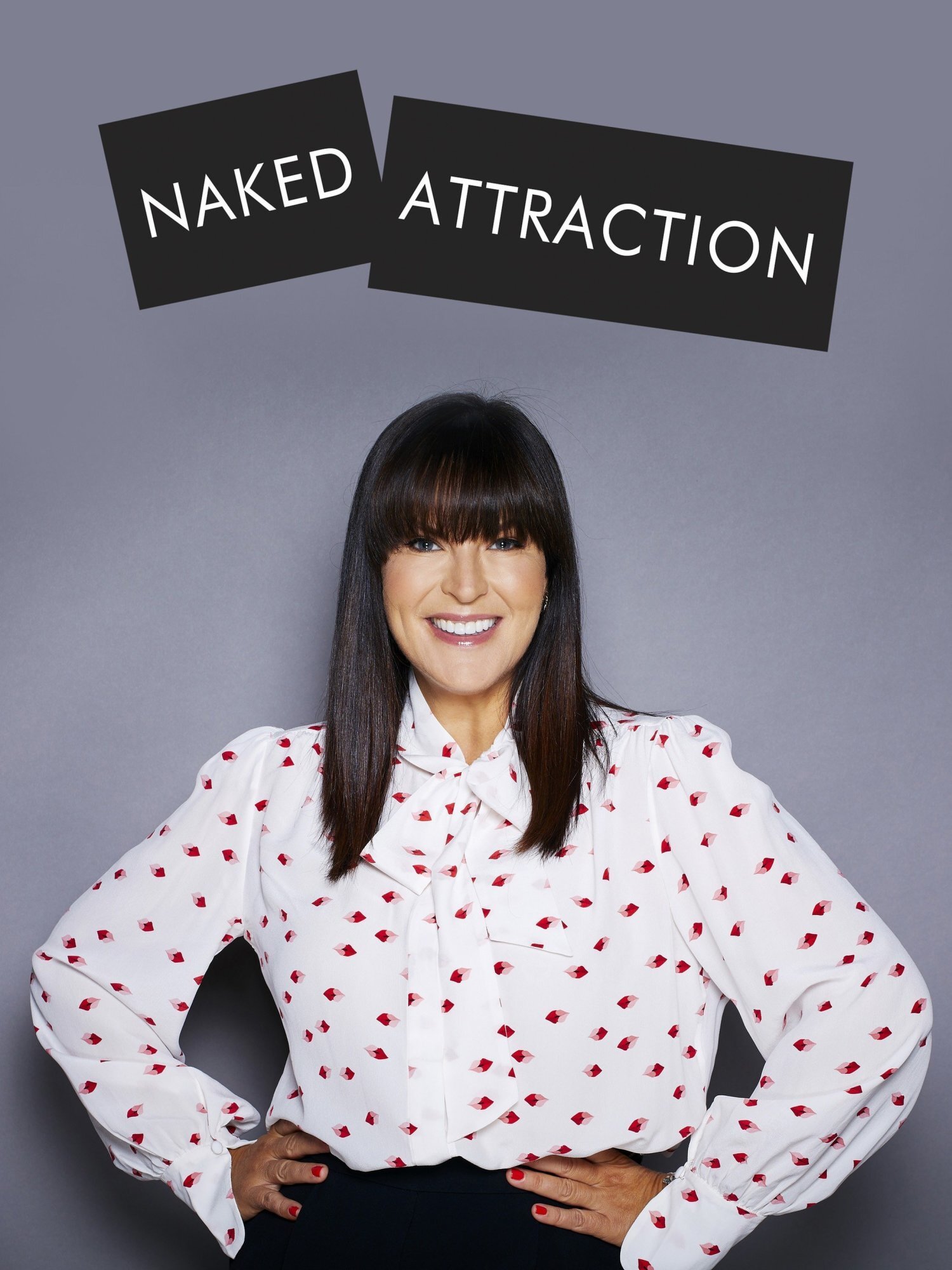
Naked Attraction2016
The darkest possible inverse: six nude people stand in pods; a clothed single picks one based purely on physical attraction before they speak. It aggressively challenges every assumption Dating in the Dark makes about how attraction actually works.
But The nudity makes it gratuitous in ways that feel hollow rather than illuminating. Some people will find the premise distasteful regardless of execution.
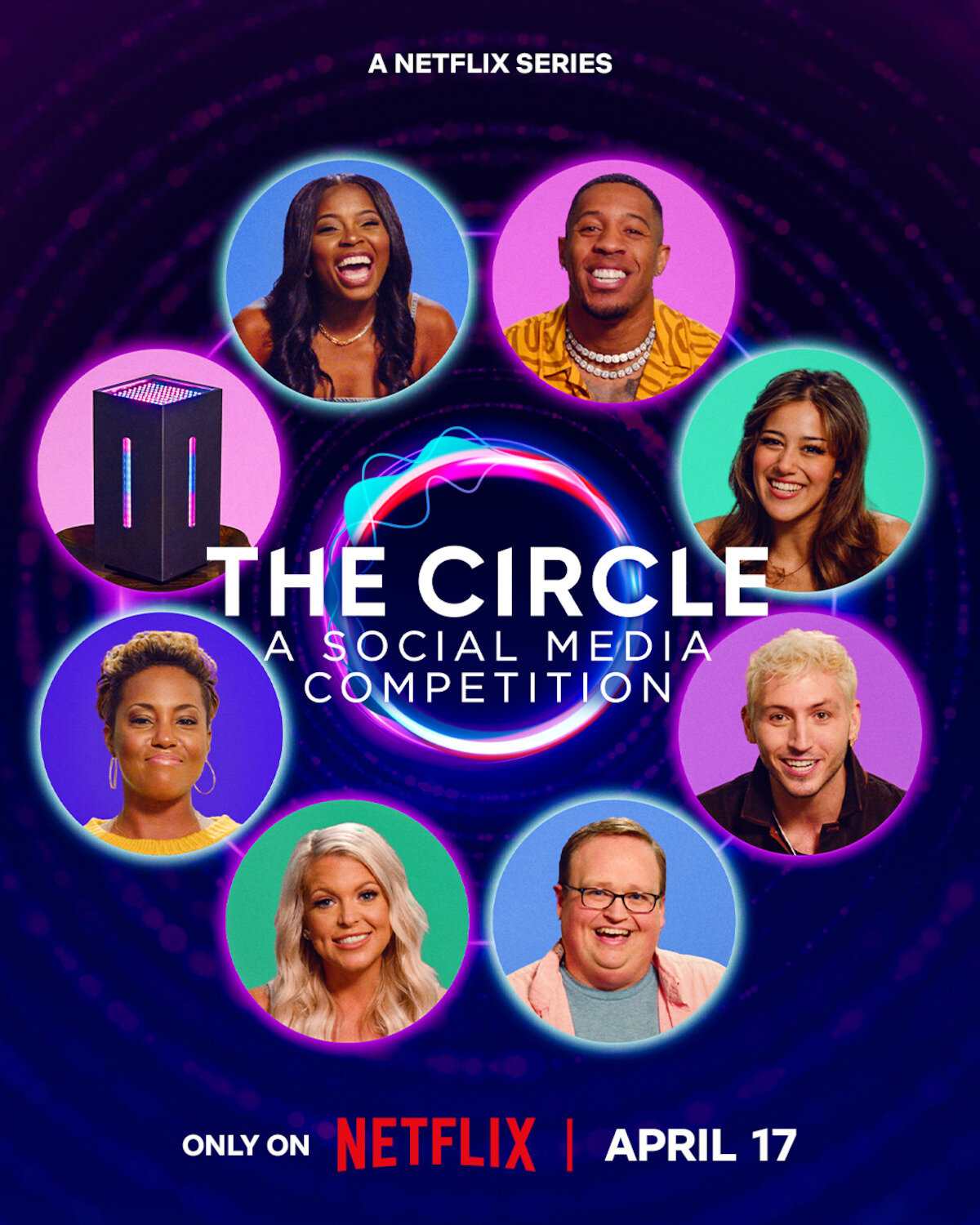
The Circle2020
Players compete for money while isolated in separate flats, interacting only through a messaging app. It's a dating show stripped of romance but loaded with the same questions about whether you can know someone without seeing them.
But It becomes repetitive strategically—blocking and alliances play the same every episode. The social dynamics are less complex than the show thinks they are.
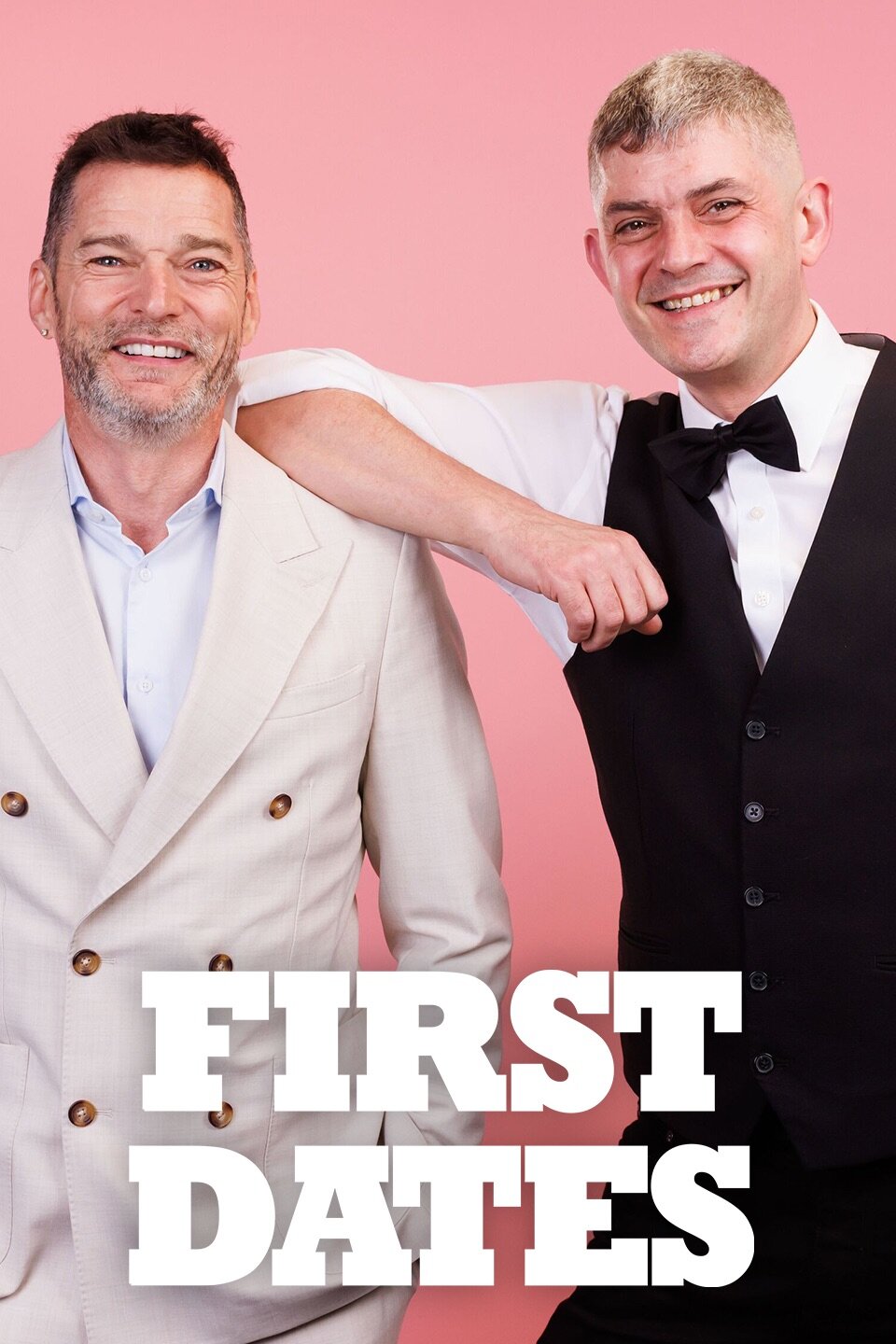
First Dates2013
A dating show that actually cares about the first date itself as a moment, not just a stepping stone. Couples go on carefully designed dates, and their genuine chemistry (or lack thereof) drives every episode.
But It's gentle and low-stakes to the point of inertia. Without ongoing relationships or real consequences, episodes feel episodic and forgettable.
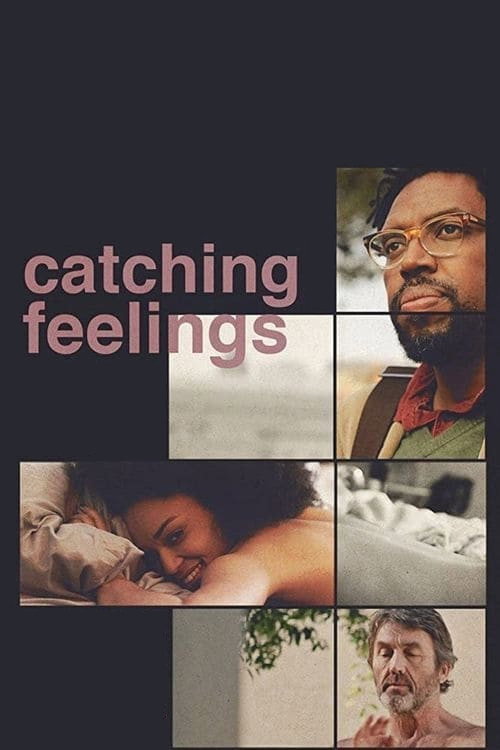
Catching Feelings2017
Six single people live together and date each other across four weeks. It's Dating in the Dark's spiritual cousin: intimate, domestic, focused on how feelings actually accumulate when you're forced into proximity and genuine conversation.
But It never quite explodes into anything—the stakes feel manufactured rather than organic. You're watching people politely date in a living room for too long.
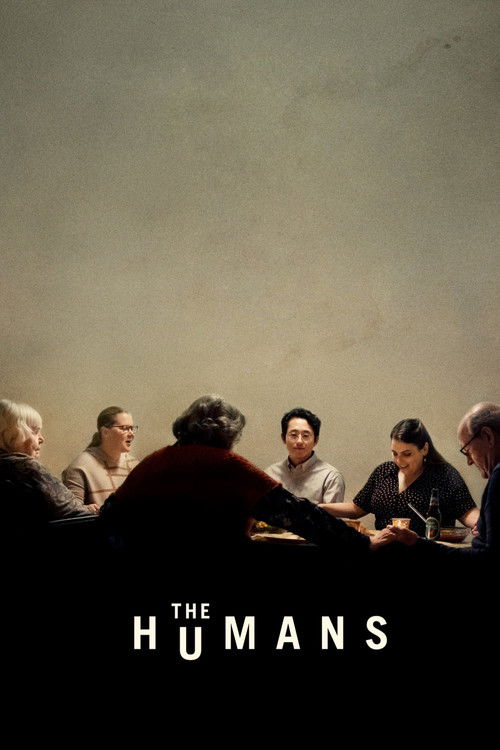
The Humans2021
Both understand that genuine connection happens through conversation and presence rather than circumstance. Dating in the Dark removes sight to force that presence; The Humans does it through family obligation and shared dread.
Stephen Karam's film adaptation of his play: a multi-generational family gathers in a crumbling NYC apartment for Thanksgiving, and tension accumulates through simple proximity. Dread and affection coexist in a single space, and small moments of connection feel earned and real.
But It's almost entirely dialogue and watching people sit with each other. If you came for plot or visual spectacle, you'll find neither.
Love, Death & Robots2019
Both challenge the assumption that romance needs conventional scenarios or familiar beats. Dating in the Dark does it by removing sight; Love, Death & Robots does it by refusing genre conventions entirely—examining what attraction and bonding look like outside traditional romance frameworks.
Animated anthology series exploring desire, connection, and relationships through wildly different genre glasses—sci-fi, horror, comedy, tragedy. Episodes range from three to fifteen minutes and treat romance as philosophically complex rather than cute.
But It's aggressively uneven—some episodes are brilliant, others waste their premise. Animation quality varies wildly, and some entries skew gratuitously sexual rather than thoughtfully erotic.