
Film
We Own the Night
A tense, beautifully shot crime thriller about loyalty and family fracture. Bobby runs a nightclub while his cop father and brother pursue Russian gangsters; when their worlds collide violently, he's forced to choose sides. It's intimate and propulsive, with Joaquin Phoenix delivering a performance of coiled desperation. A character-driven thriller that earns its stakes.
Should you watch it?
Watch it if you are drawn to stories where loyalty to family pulls against the law and your own safety, and the tension comes from people's choices rather than set-piece action.
Skip it if you want the genre's clean plotting and quick payoffs, since this one moves at a deliberate, character-led pace and its family arguments run long.
What it asks of you: Just under two hours of patience with unhurried domestic scenes, and close attention to faces, since much of the weight sits in what goes unsaid.
Not sure? Find tonight's pick in a minute.
If you liked this
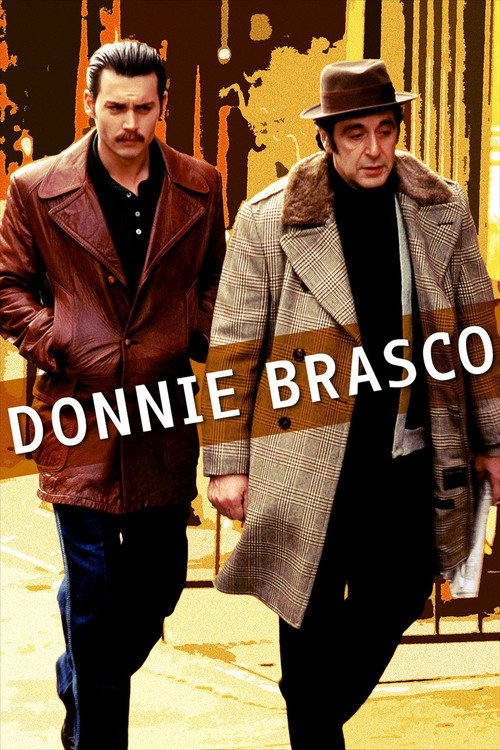
Donnie Brasco1997
Explores the same anguish: a man caught between two families, each demanding his loyalty. Al Pacino and Johnny Depp create unbearable tension from affection twisted into betrayal. It's about the weight of impossible choices.
But Slower and quieter than action thrillers; the violence matters because it's rare, which some find boring rather than earned.
The Departed2006
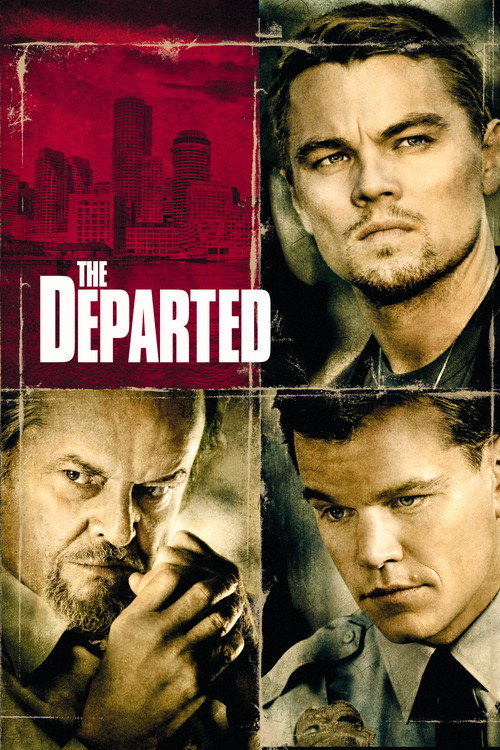
Boston cops-and-criminals drama with the same moral architecture: infiltration, divided loyalty, and a world where being inside means choosing a side. Scorsese's command makes it feel like watching dominoes fall inevitably.
But Scattershot plotting and a huge cast means some threads go nowhere; the ending divides audiences sharply.
City of God2002
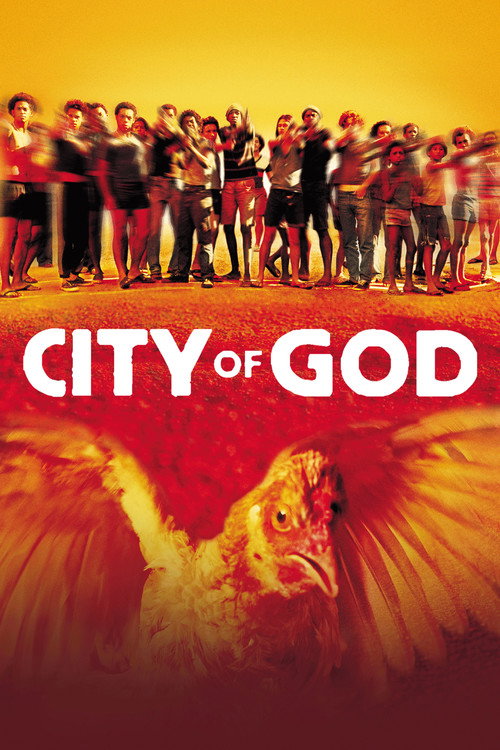
Brazilian crime epic that locates tragedy in the gap between family bonds and systemic violence. Visually kinetic and morally serious. It shows how environment crushes good intentions, which is *We Own the Night*'s central engine too.
But Subtitled, dense with characters, and the violence is real—not cinematic. Some find the rapid editing exhausting.
Not sure tonight? Get a pick in a minute, starting from We Own the Night
The wildcard
Something you would not have found on your own.
Killing Zoe1993
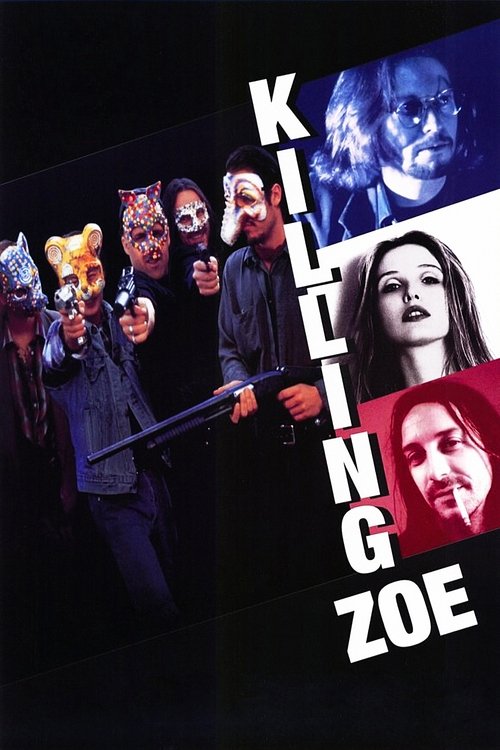
Both track the psychological disintegration of a decent man drawn into violence through love/family obligation; both have the same melancholic fatalism about how we betray ourselves.
A heist film that's actually a character study of complicity and desire. Zeke (Eric Stoltz) arrives in Paris for a bank job and falls into moral freefall. It shares *We Own the Night*'s architecture—a good man compromised by proximity to criminal energy—but filters it through hallucinogenic neo-noir. Utterly hypnotic and cruel.
But Deliberately artificial, with a 90s aesthetic that reads as dated; the plotting is secondary to atmosphere, which frustrates people wanting clarity.
More like this (8)
A Prophet2009
A young man inside prison must navigate loyalty, survival, and the line between victim and perpetrator. Mathieu Kassovitz creates suffocating pressure; you feel every compromise. The moral stakes are as serious as they come.
But Subtitled, grim, and occasionally unclear—it moves inside a character's perspective rather than explaining itself to you.

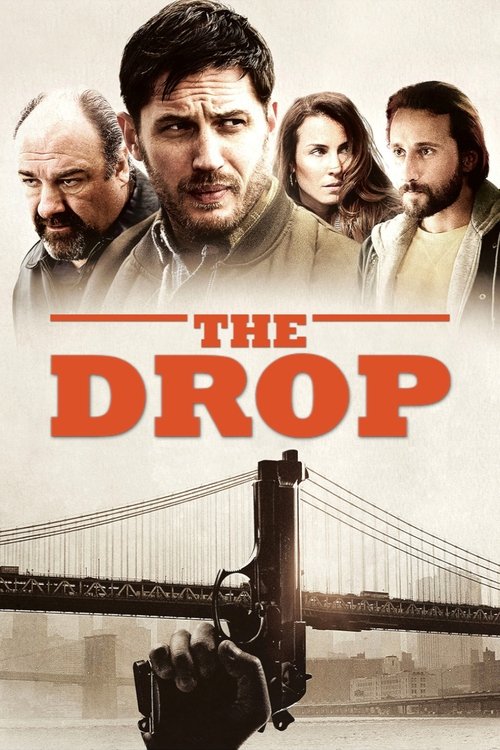
The Drop2014
Tom Hardy as a Brooklyn bartender pulled into mob violence through proximity and family obligation. Ponderous and character-focused, it dwells on the weight of small choices that bind you to larger systems.
But Very slow; the plot is thin and some will find it self-indulgent rather than meditative.
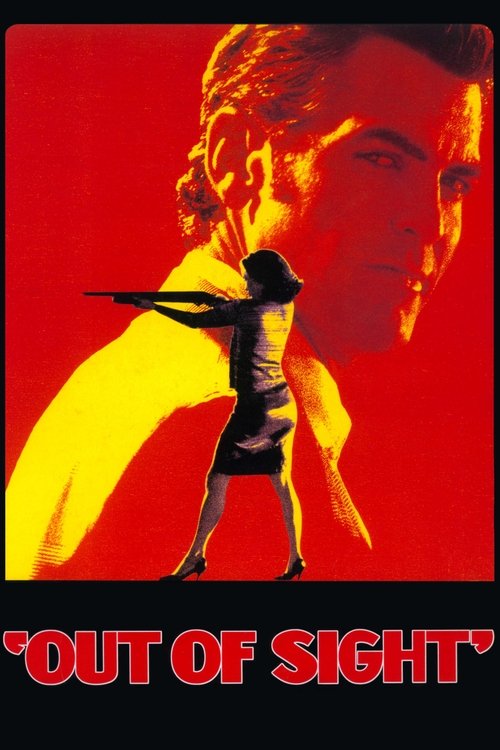
Out of Sight1998
Soderbergh's film about a career criminal and a federal agent who recognize something in each other. It captures the strange intimacy between opposing sides of the law, and does it with style and humor.
But Less dark than *We Own the Night*; the tone is playful, which undercuts moral seriousness for some viewers.
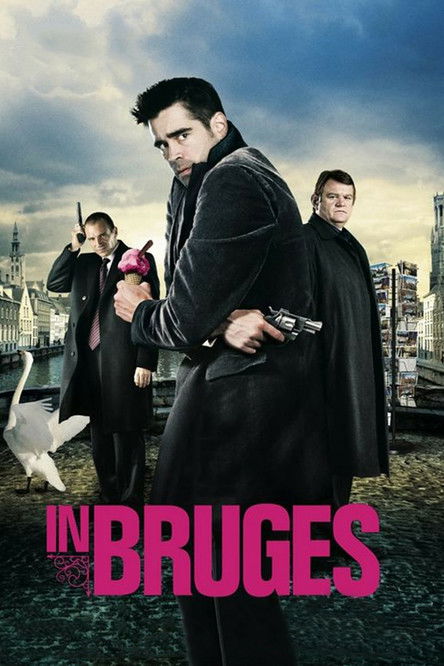
In Bruges2008
Two hitmen hide in a medieval city after a job goes wrong. It's funny and brutal and deeply sad—a film about guilt, brotherhood, and the possibility of redemption. Martin McDonagh finds humanity in darkness.
But The shifting tone (comedy to tragedy) can feel manipulative; violence is shocking rather than consequential for much of it.
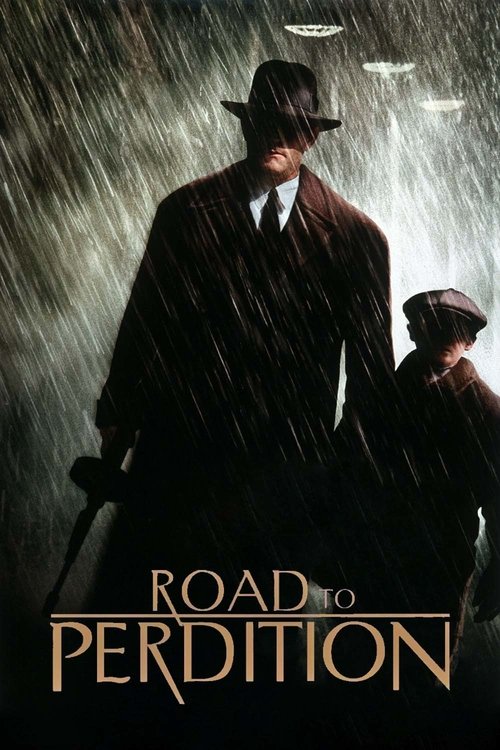
Road to Perdition2002
Tom Hanks as a mob enforcer torn between loyalty to his boss and protection of his son. Cinematography is architectural; every frame is composed like a painting. It's about the cost of choosing one family over everything else.
But Methodical and painterly when some want momentum; the emotional core can feel distant behind all that beauty.
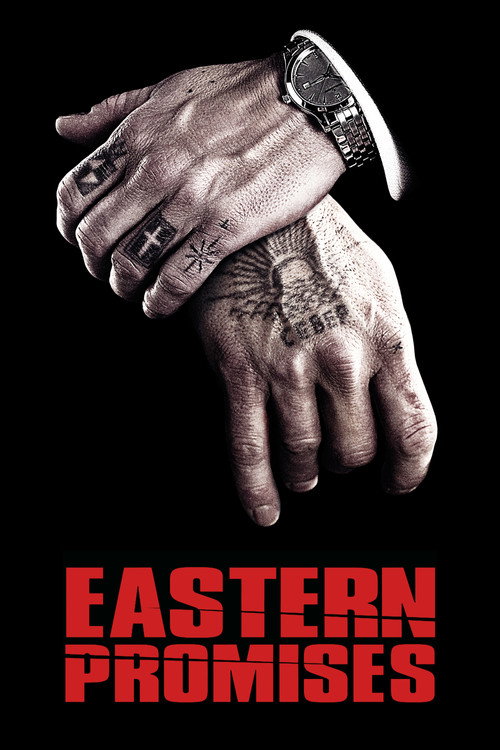
Eastern Promises2007
Viggo Mortensen infiltrates Russian crime networks. Like *We Own the Night*, it's about a man between worlds, and it captures the cold professionalism and casual horror of organized crime. Cronenberg shoots it like a funeral.
But Austere and bleak with minimal plot payoff; the violence is sudden and nauseating rather than thrilling.
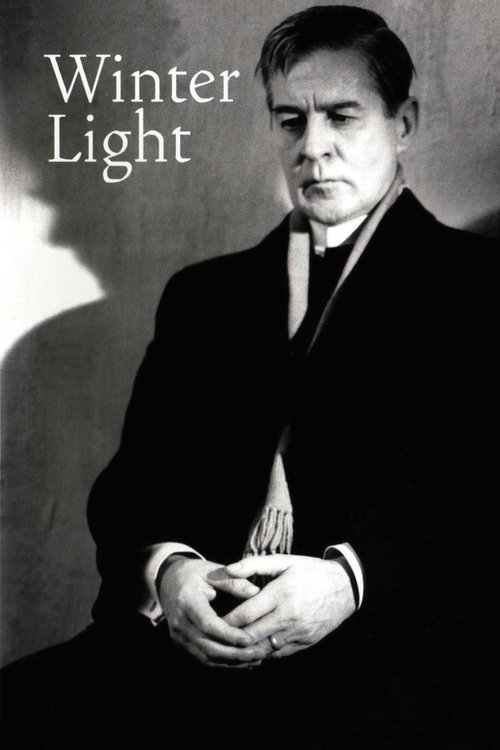
Winter Light1963
Both are about the spiritual cost of choosing sides; both make their power from what characters *can't* do rather than what they do.
Bergman's sparse, glacial study of a man (Gunnar Björnstrand) failing the people who depend on him—his lover, a troubled parishioner, his faith. It's about the paralysis of divided loyalties and the horror of realizing you have nothing to offer. Existentially brutal.
But Bergman in miniature and monochrome; fifty-eight minutes of quiet despair with zero plot. Only watch if you want to sit in winter for an hour.
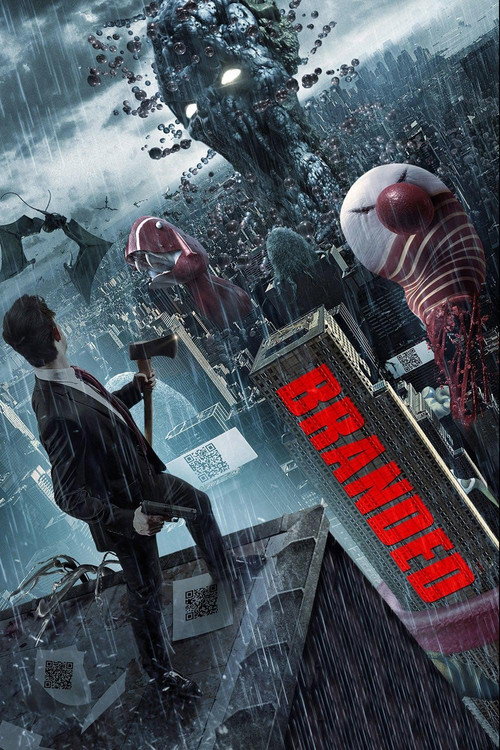
Branded2012
Both are about men from a specific culture and crime world who watch it being erased from the inside; both frame this as spiritual death, not just plot complication.
A Soviet-born marketing executive in Moscow recognizes his culture is being colonized by American consumer images and loses his mind. It's experimental, visual, and deeply angry—animated sequences, split screens, images of cattle and neon bleeding together. Barker (Seabiscuit, Tristan+Isolde) made something genuinely unhinged about identity and compromise.
But Aggressively weird and didactic; it preaches anticapitalism through surrealism, which some will find self-important or pretentious.
People
Cast
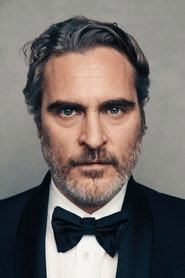 Joaquin PhoenixBobby Green
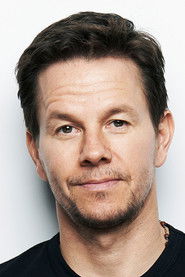 Mark WahlbergJoseph Grusinsky
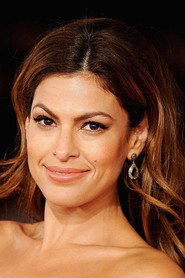 Eva MendesAmada Juarez
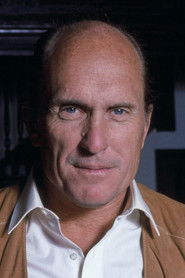 Robert DuvallBurt Grusinsky
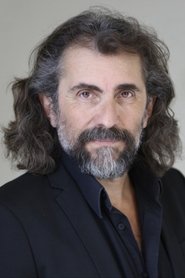 Alex VeadovVadim Nezhinski
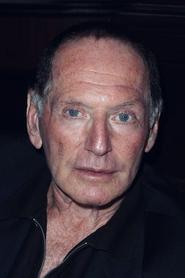 Paul HermanSpiro Giavannis
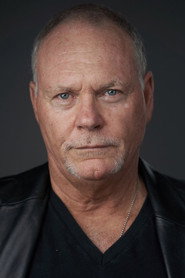 Antoni CoroneMichael Solo
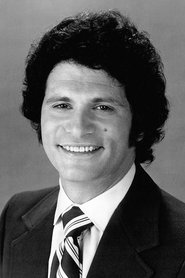 Tony MusanteJack Shapiro
- Katie CondidorioHazel
- Danny HochJumbo Falsetti
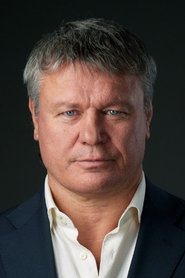 Oleg TaktarovPavel Lubyarsky
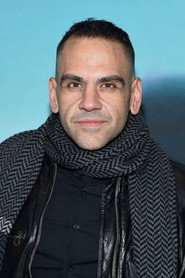 Dominic ColónFreddie
Directing
- Les McDonoughAdditional Second Assistant Director
- Brian KenyonAssistant Director
- Patrick McDonaldAssistant Director
- James GrayDirector
- Doug TorresFirst Assistant Director
- Rebecca FultonScript Supervisor
- Veronica LupuScript Supervisor
- Patrick ManganSecond Assistant Director
- Francisco OrtizSecond Second Assistant Director
- Craig HaagensenSecond Unit Director
- Patrick ManganSecond Unit First Assistant Director
Writing
- James GrayScreenplay
Production
- Barbara HarrisADR Voice Casting
- Kevin FlatowAssociate Producer
- Douglas AibelCasting
- Stephanie HolbrookCasting Associate
- Couper SamuelsonCo-Producer
- Mike UptonCo-Producer
- Anthony KatagasExecutive Producer
- Mark CubanExecutive Producer
- Todd WagnerExecutive Producer
- Gayle VangrofskyLocation Manager
- Joaquin PhoenixProducer
- Marc ButanProducer
- Mark WahlbergProducer
- Nick WechslerProducer
- Kathi ScharerProduction Accountant
- Kerin FeralloProduction Coordinator
- Janice WilliamsProduction Supervisor
- Anthony KatagasUnit Production Manager
Recommended by
Bad Lieutenant, End of Watch, Animal Kingdom, Pride and Glory