
Film
The Whole Town's Talking
- Screwball comedy
- Crime
- Light-hearted
A Depression-era screwball comedy in which a dull office clerk is mistaken for a notorious gangster, given an official police pass to clear his name, which the actual criminal promptly steals. Edward G. Robinson plays both—the meek Jones and the vicious Mannion—in a nimble farce about identity and the chaos that erupts when a perfect double exists. It's brisk, silly, and genuinely charming.
Should you watch it?
Watch it if you love a mild-mannered fellow tangled in mistaken identity, where Edward G. Robinson playing two near-identical men and a snappy screwball rhythm make the confusion a pleasure.
Skip it if you need modern pacing or sharp, cynical edges, since its 1935 studio gags are broad, sunny and sometimes creak.
What it asks of you: Ninety-three brisk minutes that ask you to swallow a farcical premise whole and keep pace with rapid-fire dialogue.
Not sure? Find tonight's pick in a minute.
If you liked this
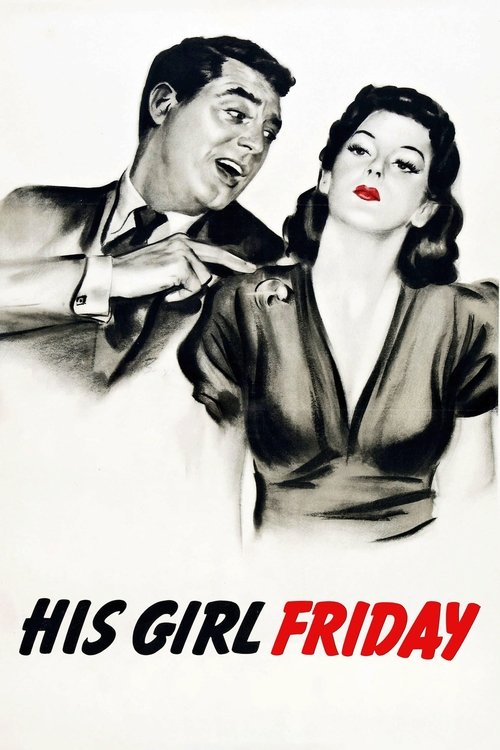
His Girl Friday1940
A rapid-fire newspaper comedy with Cary Grant and Rosalind Russell that shares the same screwball energy and Depression-era New York setting. The banter crackles and the plot spirals beautifully as it charges ahead.
But The pacing is relentless and dialogue-heavy; if you want to settle back, this won't let you. Some of the gender dynamics feel dated even for 1940.
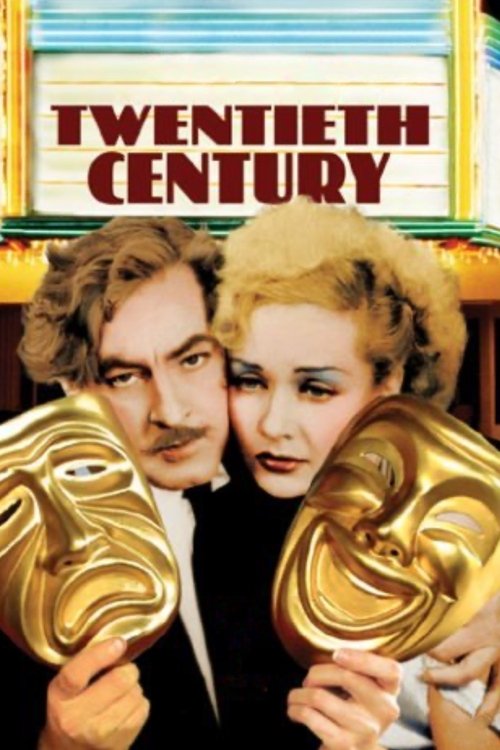
Twentieth Century1934
John Barrymore and Carole Lombard on a train, neither believing a word the other says. It has the same theatrical absurdity and speed as Whole Town's Talking, plus Howard Hawks directing both films with identical comic precision.
But The humour is entirely based on performative excess; if broad acting annoys you rather than delights you, this will wear thin fast.
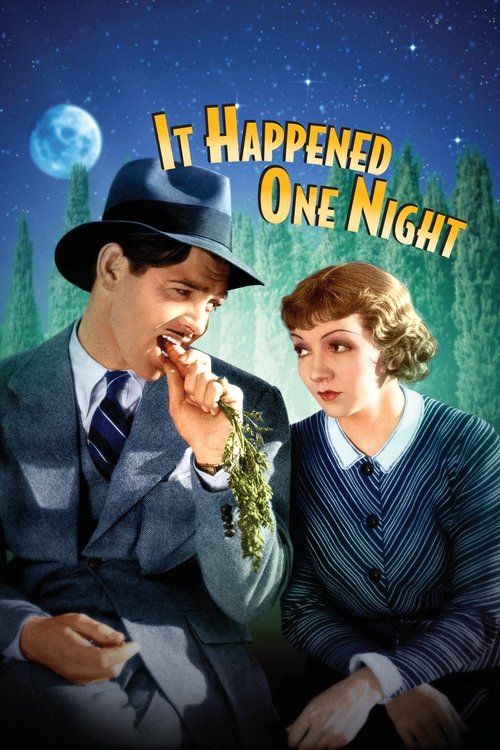
It Happened One Night1934
Claudette Colbert and Clark Gable in a road movie that defined the romantic screwball formula. It's funny, warm, and moves with perfect comic rhythm. A masterclass in how to make plot servile to character and charm.
But The central romance is never in doubt, so if plot surprise matters to you, you're watching for tone and banter alone. Some may find that not quite enough.
Not sure tonight? Get a pick in a minute, starting from The Whole Town's Talking
The wildcard
Something you would not have found on your own.
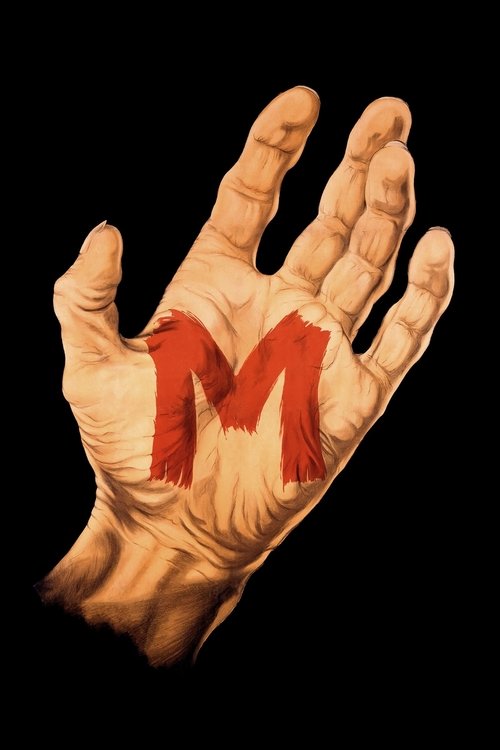
M1931
Both films turn the engine of mistaken identity; one makes you laugh, one makes you afraid. Lang shows what the same premise becomes when you remove the mercy of comedy.
Fritz Lang's masterpiece about a child murderer hunted through Berlin. It's a crime thriller, not a comedy—but it's about a man being hunted because he looks like someone else, and about how a city becomes a machine of suspicion. The architecture of mistaken identity, played for tragedy instead of laughs.
But It's bleak, brutal, and full of real dread. There are scenes of genuine horror and the ending is ambiguous in ways that won't comfort you. And it's in German with subtitles, in 1931, with no musical score to carry you.
More like this (8)
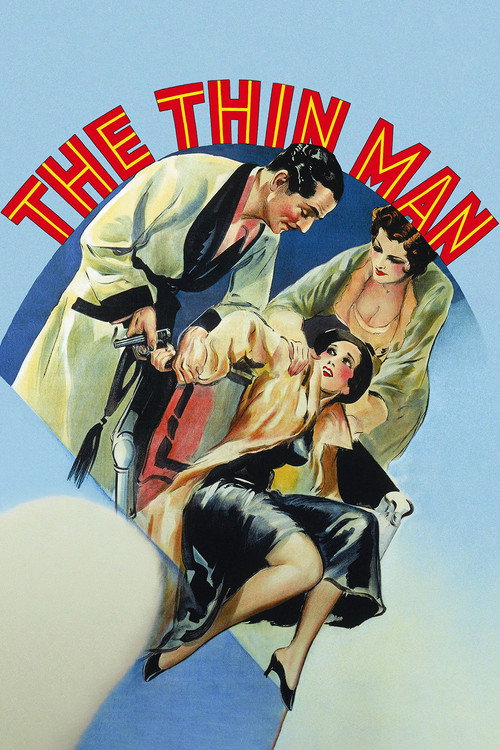
The Thin Man1934
William Powell and Myrna Loy as a married detective couple. It has Robinson's gift for playing both danger and comedy, plus the same sophisticated screwball lightness. A murder mystery that never forgets to be funny.
But The mystery plot is genuinely intricate; you'll need to pay attention or you'll lose the thread entirely.
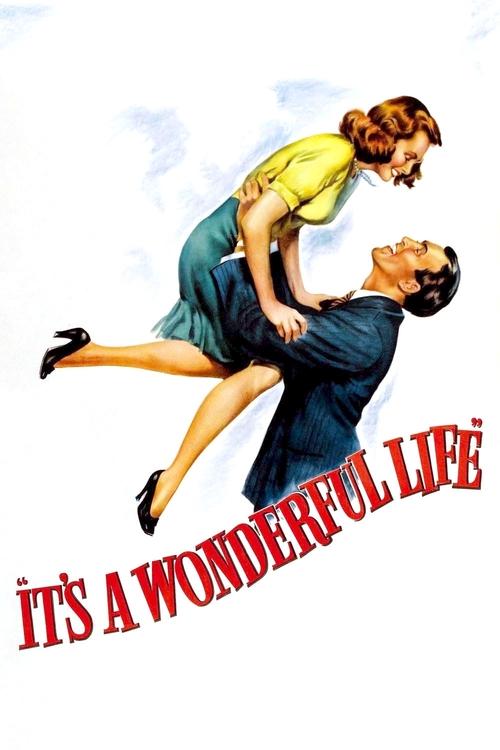
It's a Wonderful Life1946
Another film about an ordinary man's life intersecting with fate and circumstance, but with genuine heart underneath the whimsy. Capra's vision of small-town America feels ancestral to the world of Whole Town's Talking.
But It's sentimental where Whole Town's Talking is cynical, and nearly four hours long. The tone is completely different, so expect a different kind of film.
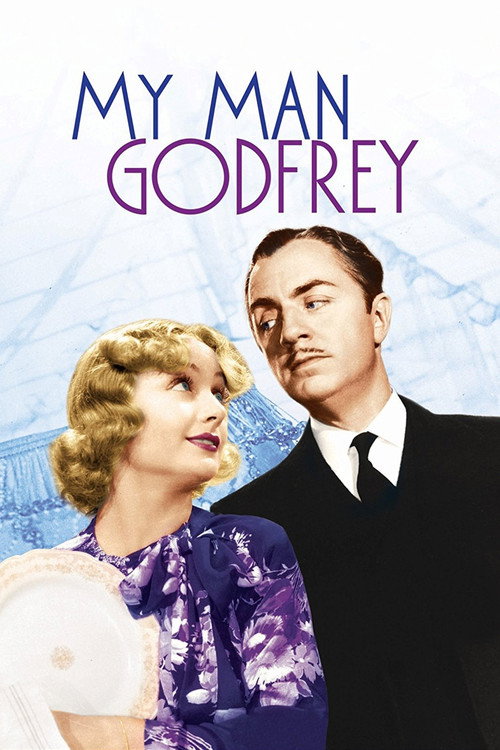
My Man Godfrey1936
William Powell again, this time as a Depression-era tramp mistaken for a butler. The same mistaken-identity engine, the same sprightly pace, and a real warmth underneath the comedy. Carole Lombard is magnificent.
But The screwball conventions are laid on thick; if you find the genre itself exhausting, this won't convert you. It trades on knowing these rhythms already.
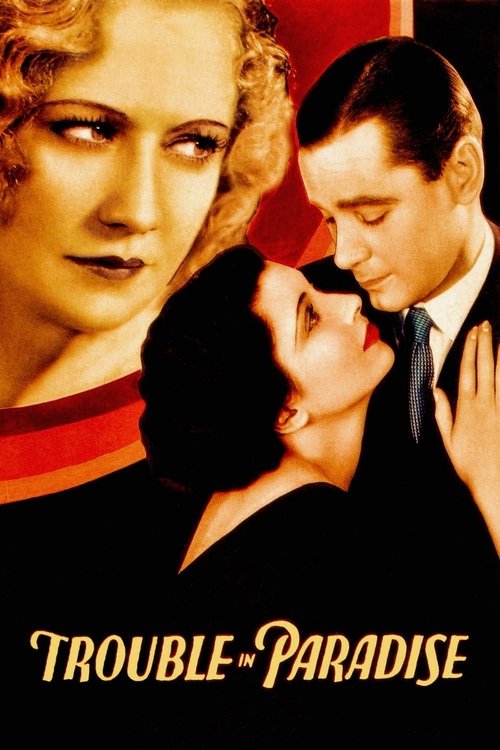
Trouble in Paradise1932
Ernst Lubitsch directing a heist comedy where identity is currency and nothing is what it seems. It's urbane, witty, and moves with jeweller's precision. A reminder that Depression comedies were often really about survival.
But The sophistication is relentless; there's no moment to breathe or settle into sentiment. Some viewers find Lubitsch's style cold.
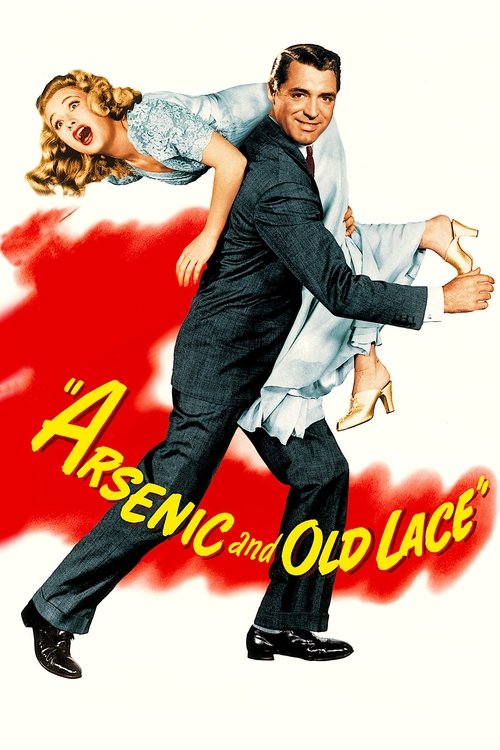
Arsenic and Old Lace1944
Cary Grant caught between a murderous family and a case of mistaken identity. It shares Robinson's willingness to play both menace and comedy, and Frank Capra's gift for chaos accelerating into farce.
But The stage origins show; it plays like a play filmed, all broad gesture and shouted punchlines. The energy is manic, which some find exhausting rather than exhilarating.
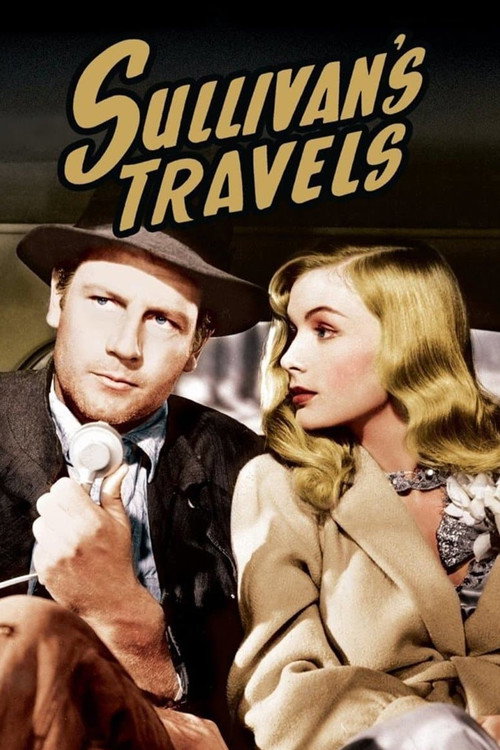
Sullivan's Travels1941
Preston Sturges directing Joel McCrea as a director who wants to make serious art and gets mistaken for a vagrant. It's both comedy and something deeper—about identity, class, and what we owe each other. Brilliant architecture.
But It tones shift markedly halfway through into something almost tragic; if you want pure comedy, you'll find the third act genuinely difficult.
The Asphalt Jungle1950
Where Whole Town's Talking keeps the criminal and the clerk separate by comedy, Asphalt Jungle suggests they're not so different at all—just in different economic circumstances. Same DNA, different register entirely.
John Huston's heist film, shot in stark black and white, about ordinary men planning an extraordinary crime. It plays the same relationship between the mundane and the criminal, but it's hardboiled and fatalistic. No laughs, all consequence.
But It's a procedural about crime that treats crime as a job, not a moral melodrama. If you want clear heroes and villains, you'll find this amoral and cold. And the pace is deliberate, not brisk.

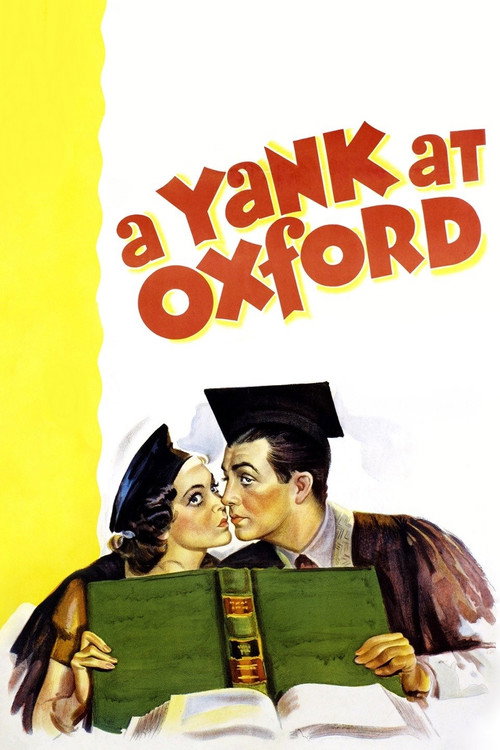
A Yank at Oxford1938
Both are comedies about identity and belonging in a place that's not quite yours. Whole Town's Talking is about a man mistaken for someone else in his own city; this is about a man being mistaken for a type in a foreign one. Same question, different geography.
Robert Taylor as an American athlete at Oxford, playing a version of himself who's actually charming. It's a light comedy but made in Britain by a British director, shooting in England, with an American lead and British supporting cast. A hybrid that shouldn't work but does.
But It feels like a studio product designed to sell both markets at once, which it is. The plotting is thin and it relies entirely on charm and charisma. If you need narrative weight, you won't find it here.
People
Cast
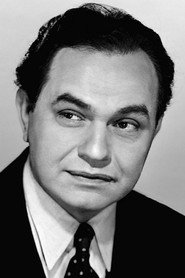 Edward G. RobinsonArthur Ferguson 'Jonesy' Jones / 'Killer' Mannion
 Jean ArthurWilhelmina 'Bill' Clark
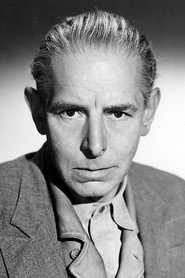 Arthur HohlDet. Sgt. Michael F. Boyle
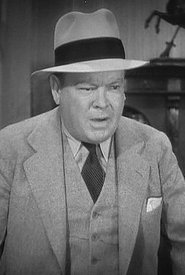 James DonlanDetective Sergeant Patrick J. Howe
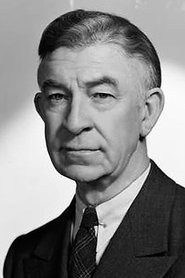 Arthur ByronSpencer
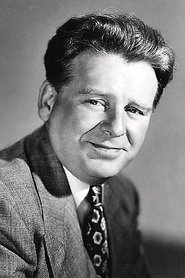 Wallace FordHealy
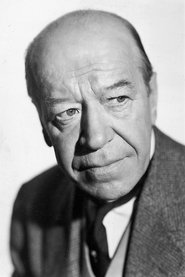 Donald MeekHoyt
 Etienne GirardotSeaver
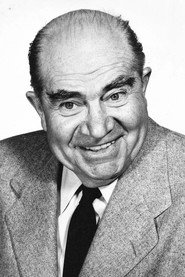 Edward Brophy'Slugs' Martin
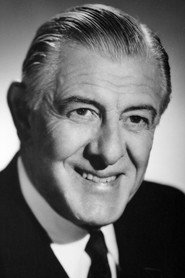 Paul Harvey'J.G.' Carpenter
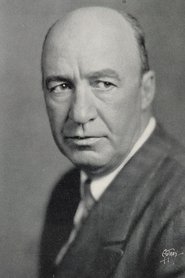 J. Farrell MacDonaldPrison Warden (uncredited)
- Ralph RemleySam Dixon
Directing
- Edward DonahueAssistant Director
- Wilbur McGaughAssistant Director
- John FordDirector
Writing
- Jo SwerlingScreenplay
- Robert RiskinScreenplay
- W.R. BurnettStory
Production
- John FordProducer
- Lester CowanProducer