
Film
The Poisoner's Handbook
A briskly paced documentary about two forensic pioneers who essentially invented modern toxicology in 1920s New York. It's a procedural in film form—methodical, genuinely thrilling, full of period detail and dark humour. For anyone fascinated by how science solves crimes, or by the gritty birth of institutions we now take for granted.
Should you watch it?
Watch it if you enjoy stories where patient, meticulous science quietly solves real puzzles, like a case file told through lab benches, glassware and the slow accumulation of proof.
Skip it if you want a brisk, cinematic pace or a film driven by dramatic reenactment; this one leans on talking heads and archival material, so the momentum comes from the ideas rather than the action.
What it asks of you: It runs about under two hours and moves at a measured, documentary pace, asking you to follow chemistry and historical detail closely rather than be carried along by spectacle.
Not sure? Find tonight's pick in a minute.
If you liked this
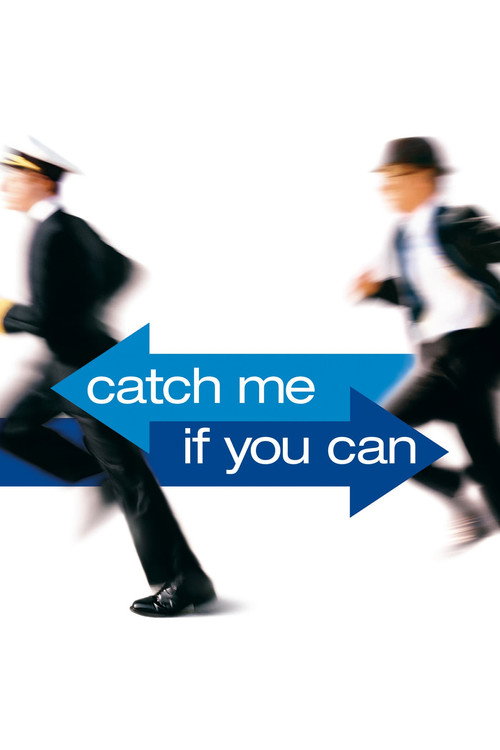
Catch Me If You Can2002
Steven Spielberg's account of a charismatic con man and the FBI agent obsessed with catching him. Like The Poisoner's Handbook, it's a cat-and-mouse game between innovation and detection, told with infectious energy and real affection for both sides.
But It's a fairly straightforward biopic that doesn't dig particularly deep into moral complexity or the darker edges of its subject.
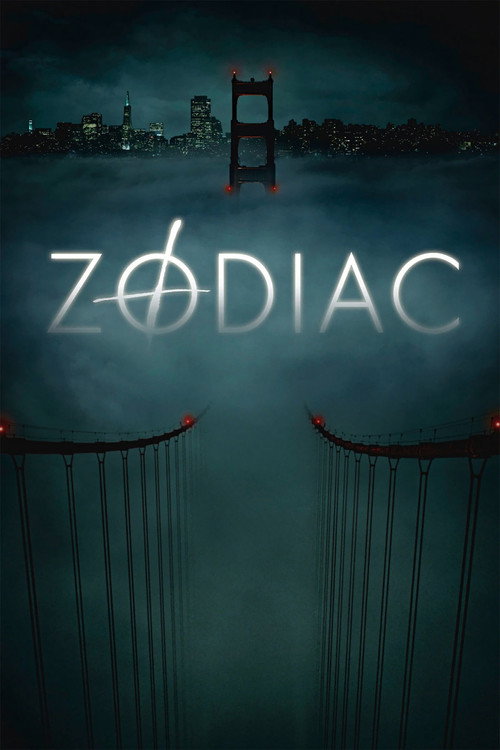
Zodiac2007
Fincher's meticulous obsession with a killer who was never caught. Shares the documentary's forensic precision and methodical detective work, but drenches it in dread. Watching people piece together evidence is genuinely gripping when the stakes feel this high.
But It's deliberately paced and bleak. If you want narrative resolution or a sense of triumph, this isn't it.
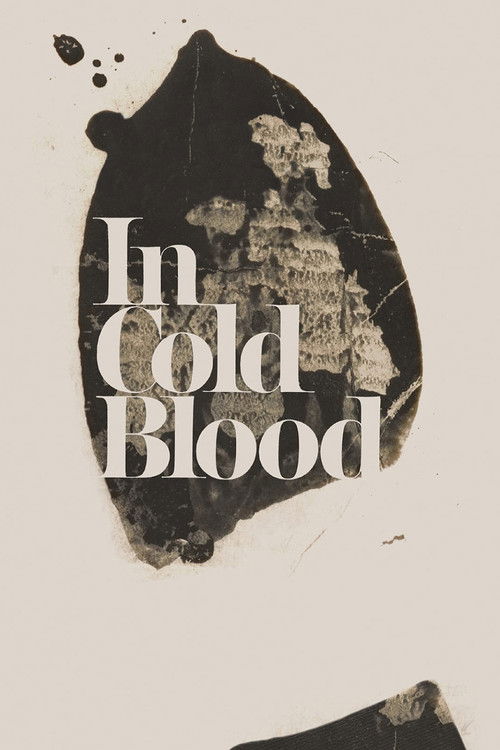
In Cold Blood1967
The film version of Capote's true-crime masterpiece, with a haunting symmetry between the investigators and the investigated. It pioneered the novelistic approach to crime that everything after it either mimics or reacts against.
But The pacing is slow by modern standards, and the film is more interested in psychology than procedure. You need patience with mood.
Not sure tonight? Get a pick in a minute, starting from The Poisoner's Handbook
The wildcard
Something you would not have found on your own.
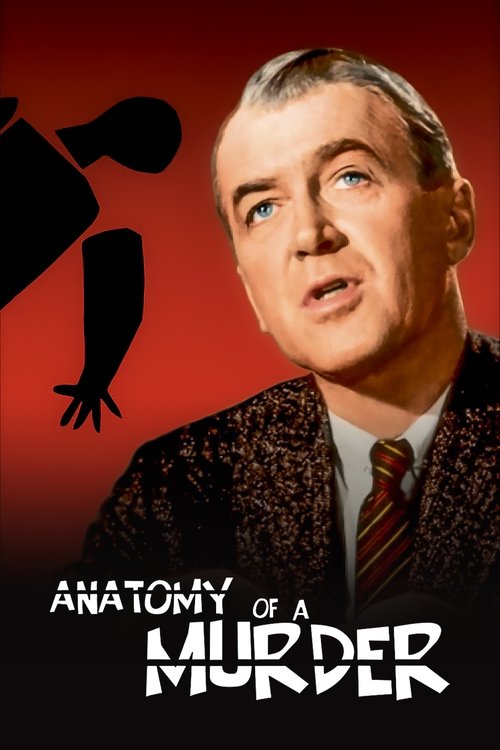
Anatomy of a Murder1959
Both are fundamentally about the birth of forensic evidence as legal truth—how science learned to speak in court.
Otto Preminger's three-hour courtroom film about a murder trial where forensic and character evidence collide. Shot in black and white, deliberately paced, utterly gripping. It's about how stories are constructed from evidence, which is exactly what The Poisoner's Handbook demonstrates.
But It's glacially slow by modern standards, and the sexual politics are very much of 1959. Patience required; skip if you want momentum.
More like this (5)
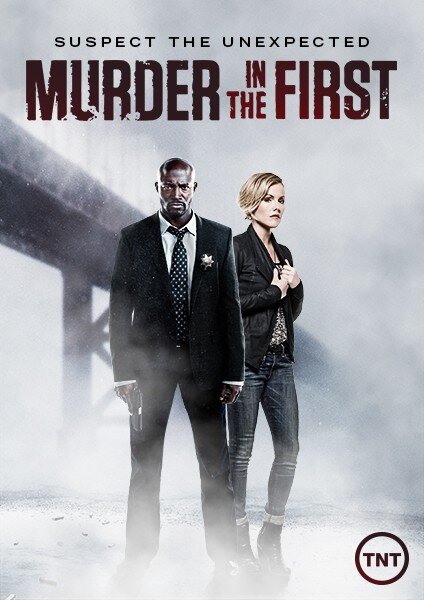
Murder in the First2014
A legal procedural set in San Francisco that mirrors The Poisoner's Handbook's structure: a complex investigation slowly yielding to forensic evidence and courtroom argument. Smart writing and real tension about whether justice will prevail.
But It leans toward soap-opera dynamics between characters. If you want pure investigative focus, the personal drama might feel distracting.
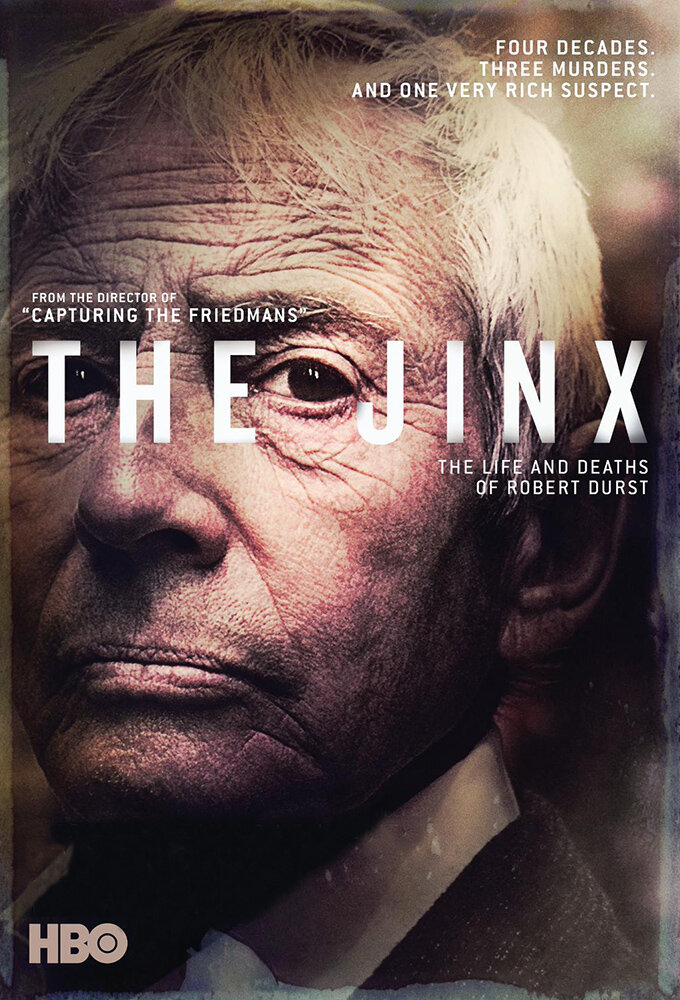
The Jinx: The Life and Deaths of Robert Durst2015
Andrew Jarecki's HBO miniseries about Robert Durst, a real estate heir and probable multiple murderer. It's meticulously reported and features the thrill of evidence gradually accumulating—you're solving a puzzle alongside the filmmakers.
But It hinges on a single moment of seeming confession that may or may not mean what viewers interpreted. Some find the documentary's certainty troubling.
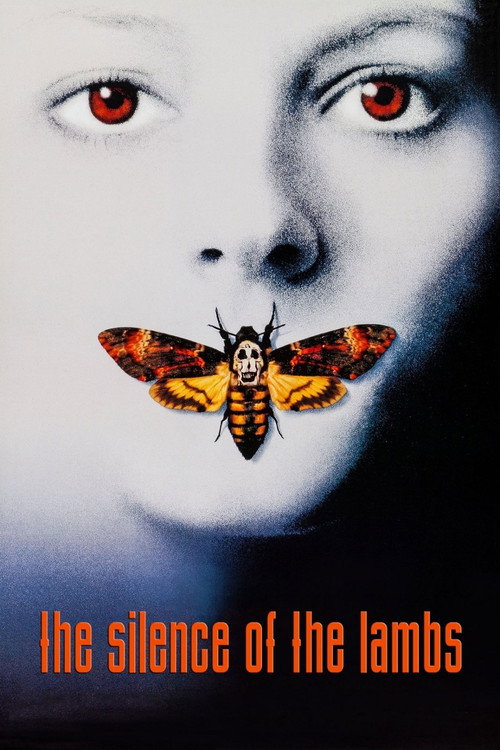
The Silence of the Lambs1991
A procedural with teeth. The film treats forensic psychology and trace evidence as genuinely exciting, and the partnership between investigator and consultant mirrors that doctor-and-toxicologist dynamic beautifully.
But It's a thriller first, so it's far glossier and more sensational than anything in The Poisoner's Handbook. The horror elements might overshadow the investigation for some.
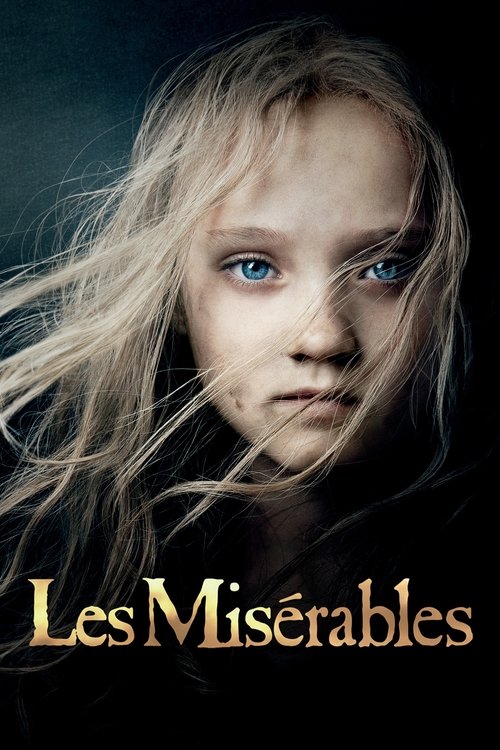
Les Misérables2012
Not obvious, but it's also about the birth of modern justice systems and institutional change. The inspector character—Javert—is obsessed with law as science. It's more operatic, but shares the era and the moral question of progress.
But It's a musical. If that's not your medium, nothing here will convince you. It's also three hours of emotional intensity.
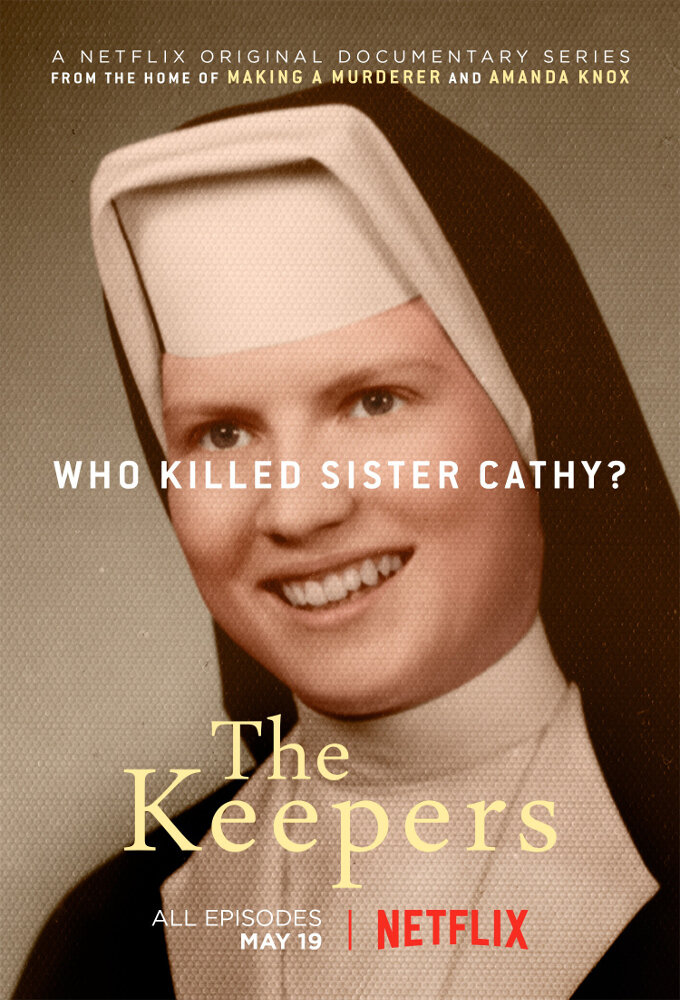
The Keepers2017
Both ask what happens when institutions try to hide the truth and who gets to decide what counts as evidence—but this one shows the limits of science when power resists.
A documentary series about a Baltimore nun's unsolved murder in 1969 and the people still investigating it decades later. It combines forensic procedure with the deeper truth-seeking impulse—not just what happened, but why, and what remains hidden.
But It's heavy and painful. The case touches institutional abuse and real trauma. It's not a puzzle; it's a wound.
People
Cast
- Chris BowersAlexander Gettler
Directing
- Rob RapleyDirector
Writing
- Deborah BlumBook
- Michelle FerrariStory
- Rob RapleyTeleplay