
Film
Soldiers of the King
A British musical comedy from 1933 about a music-hall dynasty navigating love, duty, and the pull of the past. Cicely Courtneidge dominates the screen with theatrical flair, playing a retired performer and her successor as the family matriarch. It's a backstage romp with songs, sentiment, and the particular charm of early sound cinema—intimate, slightly creaky, utterly earnest.
If you liked this
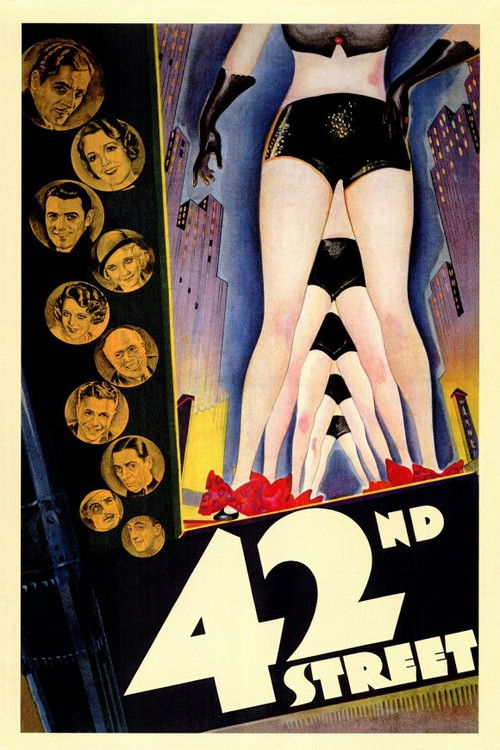
42nd Street1933
Released the same year, this is the template for all backstage musicals: dazzling dance numbers, a love story tangled with show-business ambition, and genuine stakes beneath the glitter. You'll see why this era mattered.
But The pacing is slack by modern standards, and the romance feels obligatory. Some of the comedy, especially around gender, has aged poorly.
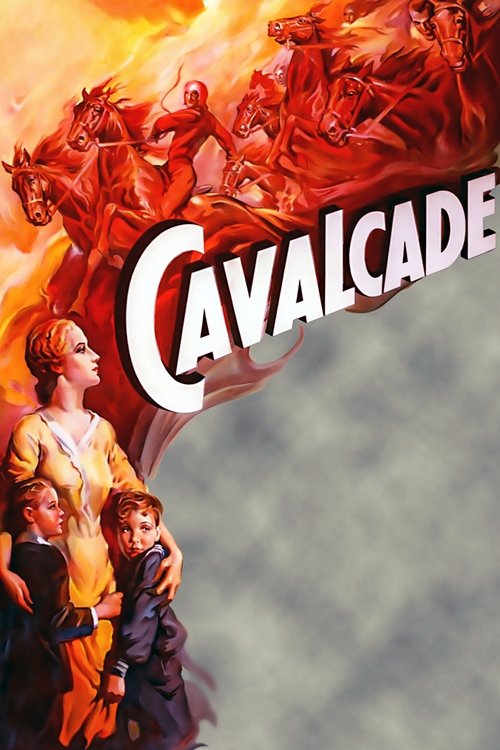
Cavalcade1933
Another 1933 gem with similar emotional DNA—a multigenerational family saga built on duty, memory, and the tension between personal desire and larger responsibilities. Noel Coward's wit and warmth apply perfectly here.
But It's sentimental, and the framing device around empire and patriotism may feel dated or earnest in ways that don't land. Very much of its moment.
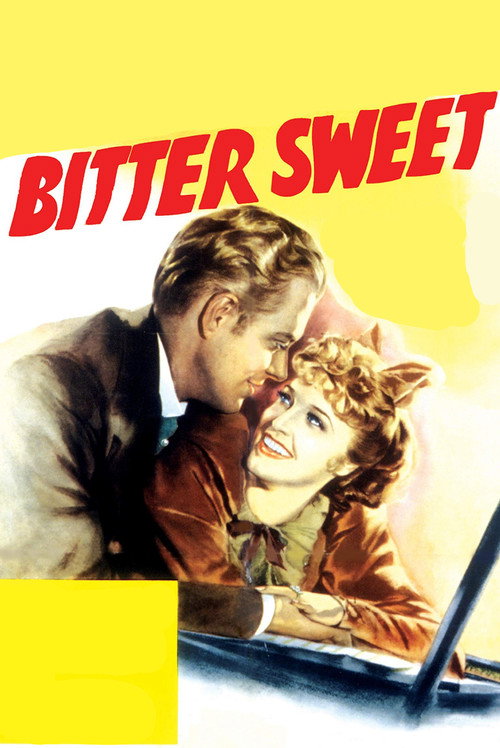
Bitter Sweet1940
Jeanette MacDonald and Nelson Eddy in another Noel Coward operetta about love, duty, and looking back. The tug between romance and responsibility is its beating heart. Operetta, not comedy, but the emotion is kin.
But It's very earnest, and the operetta genre requires a certain tolerance for sustained melodrama. The romance is the whole point, which won't suit everyone.
Not sure tonight? Get a pick in a minute, starting from Soldiers of the King
The wildcard
Something you would not have found on your own.
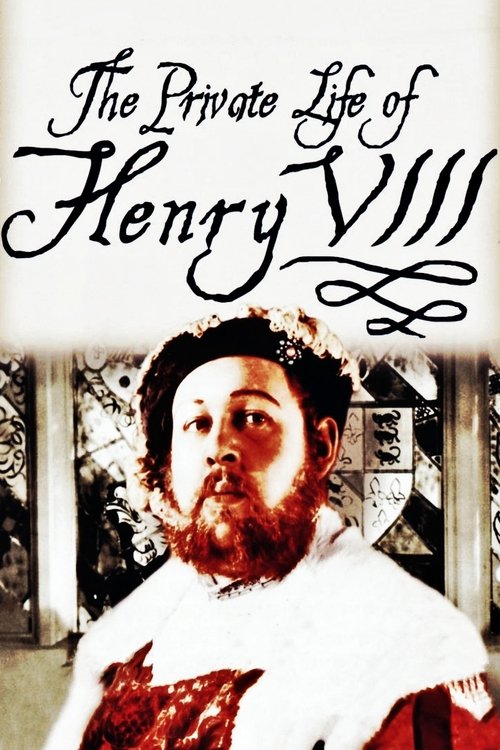
The Private Life of Henry VIII1933
Both are British films from 1933 built on the charisma of a single actor, using theatre and performance as the lens through which to see the world.
Also 1933, also British, but Korda's historical romp is a different beast entirely—theatrical in a grander way, showy, with Charles Laughton commandeering every frame. Both films share an actor (Anthony Bushell) and an era's confidence that personality matters more than plot.
But It's a costume drama, not a musical, and the tone is closer to Shakespearean high comedy. If you're seeking the backstage world and the songs, this goes somewhere else entirely.
More like this (6)
Glamorous Night1937no page yet
Ivor Novello's operetta, filmed on a slightly larger scale but with the same theatrical DNA. It's about show business, romance, and the life of the spotlight. Novello himself stars, and his charm is enormous.
But It's even more operetta than Bitter Sweet—longer musical numbers, less dialogue. The story is secondary to the spectacle and songs.
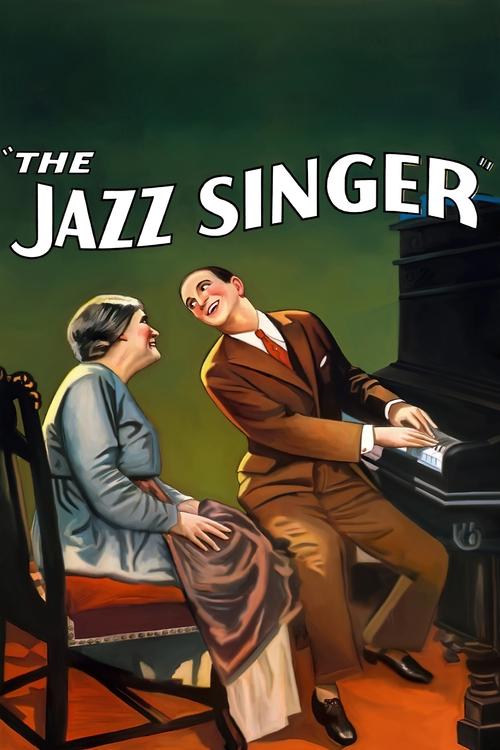
The Jazz Singer1927
The grandfather of all sound musicals: Al Jolson as a cantor's son torn between tradition and show business. It invented this whole register. A pilgrimage, not just a film.
But Blackface sequences are shocking and inexcusable. The technology is visibly experimental—sound and image aren't always synchronized. It's a historical document first, entertainment second.
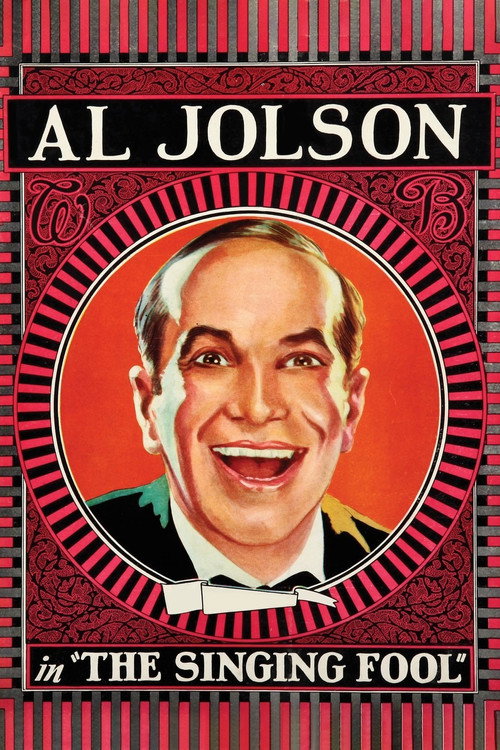
The Singing Fool1928
Al Jolson again, this time as a performer trying to balance love and ambition. It's the clearest ancestor to Soldiers—the same emotional landscape, a decade earlier, with similar theatrical warmth.
But Jolson's performance is hammy even by the standards of 1928. The sentiment is thick. The story is fairly thin, and so is the musical variety.
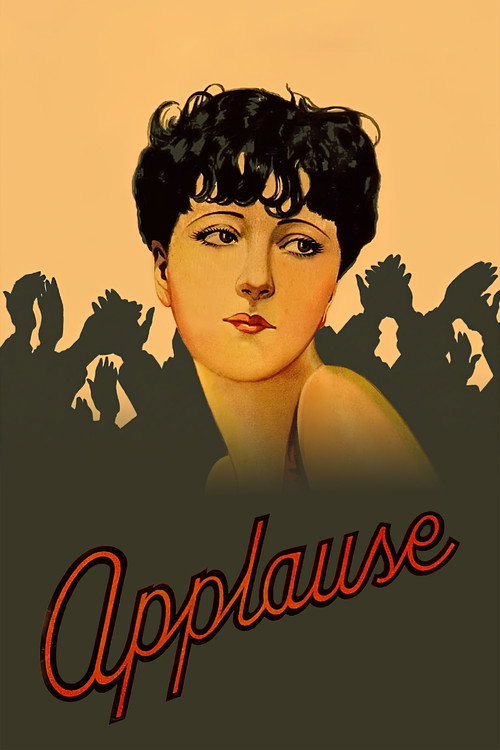
Applause1929
Helen Morgan as an aging vaudeville star, her daughter, and the collision of their worlds. It's serious where Soldiers is comic, but the bones are identical: generational tension in show business, memory versus the present.
But It's quite bleak—there are no easy answers, and the emotional register is austere. If you want a lighter touch, look elsewhere. The second half sags.
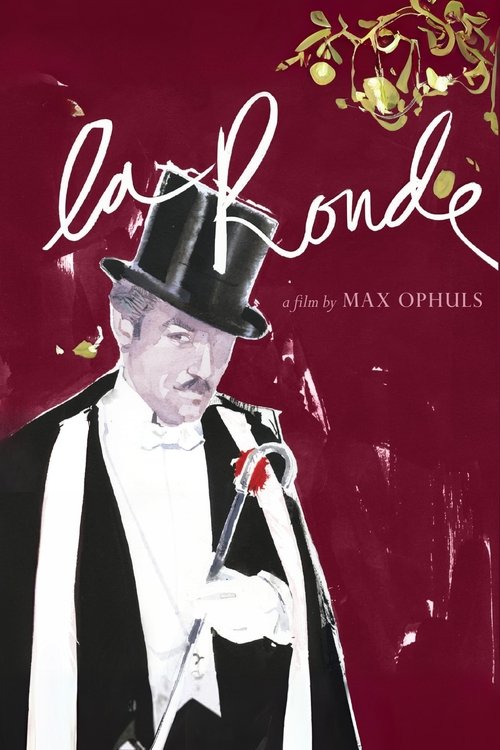
La Ronde1950
Both explore how a soldier's romance from years past shapes the present, but Soldiers is comedy and memory, while La Ronde is noir and consequence.
Max Ophüls' circle of seduction, with an old soldier (Anton Walbrook) as the connective thread between stories of desire and disappointment. Like Soldiers, it's about the past haunting the present, but it's told in layers and shadows, with a waltz instead of a march.
But It's in French, it's fatalistic rather than comforting, and it's about sex and infidelity in ways that require a grown-up tolerance for moral ambiguity. Not a romp.
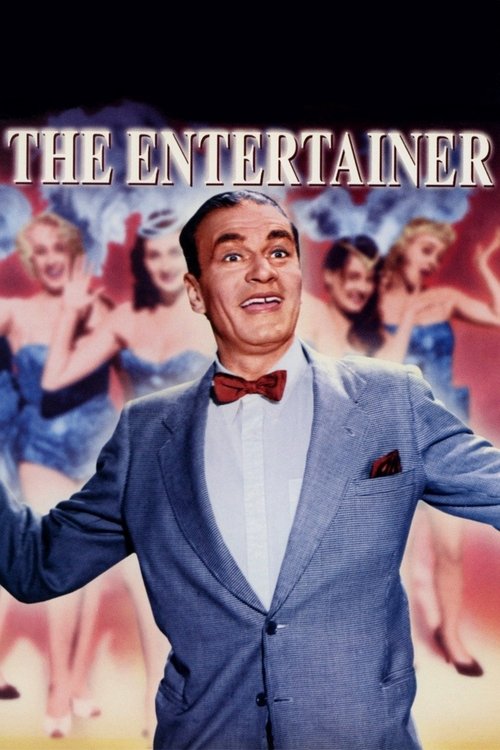
The Entertainer1960
Both are love letters to British music-hall tradition, but one celebrates it while the other mourns it—same world, opposite emotional poles.
Laurence Olivier as Archie Rice, a third-rate music-hall performer watching his world die and his daughter watch him fail. It's the dark mirror to Soldiers—same setting, same tradition, but seen from inside a collapse. Rawer, sadder, more truthful about what that life costs.
But It's depressing, and intentionally so. There's no sentimentality here, only the stink of desperation and decline. If you want warmth and theatrical charm, this will wound you.
People
Cast
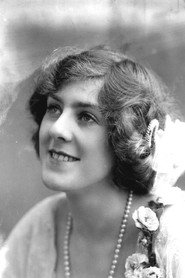 Cicely CourtneidgeJenny Marvello / Maisie Marvello
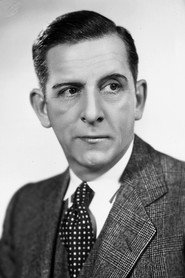 Edward Everett HortonSebastian Marvello
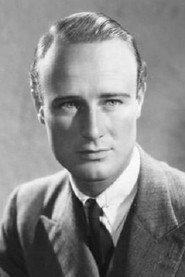 Anthony BushellLt. Ronald Jamieson
 Dorothy HysonJudy Marvello
Directing
- Maurice ElveyDirector