
Film
Rising Phoenix
Rising Phoenix captures the Paralympic Games through the eyes of elite disabled athletes, examining what the competition reveals about human potential, resilience and what society chooses to see. It's intimate and exhilarating—part sports film, part meditation on how we define ability. For anyone moved by athletic excellence or curious about disability beyond tragedy narratives.
Should you watch it?
Watch it if you want a warm, energetic look at the Paralympics told through athletes' own voices, where the sport's physical brilliance does the persuading and the politics of disability arrive without a lecture.
Skip it if you come to documentaries wanting hard investigation or a tight narrative line, since this is a celebratory, testimony-driven film that leans on interviews and highlight reels more than argument.
What it asks of you: It runs about an hour and three-quarters and moves briskly between athletes, sometimes pausing for a reflective talking head, so it asks for steady attention rather than deep immersion.
Not sure? Find tonight's pick in a minute.
If you liked this
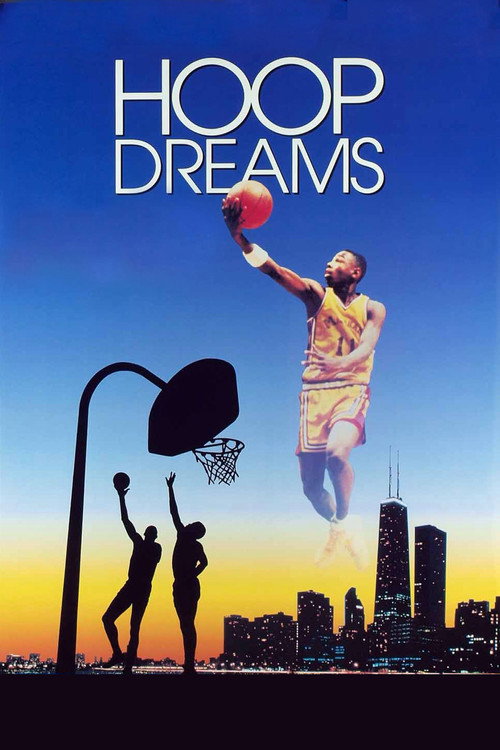
Hoop Dreams1994
A landmark documentary that follows two basketball players from childhood through college, exploring talent, class, race and the machinery that grinds around young athletes. Essential viewing on sport as pathway and trap.
But Nearly three and a half hours long, and it's deliberately paced—this is observation, not highlight reel. Demands investment.
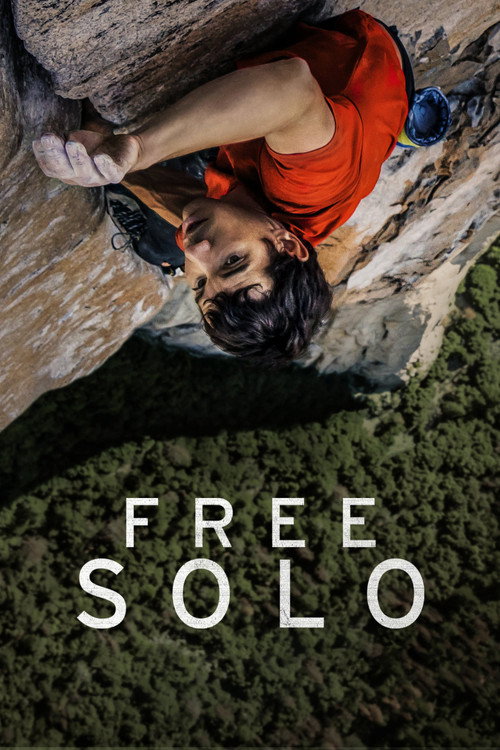
Free Solo2018
A rock climber ascends a 3,000-foot vertical cliff with no ropes, no safety equipment. Stunning cinematography paired with intimate portrait of obsession, fear and the cost of excellence. Pure visceral filmmaking.
But The tension can be almost unbearable. If you're prone to vertigo or anxiety, this will wreck you.
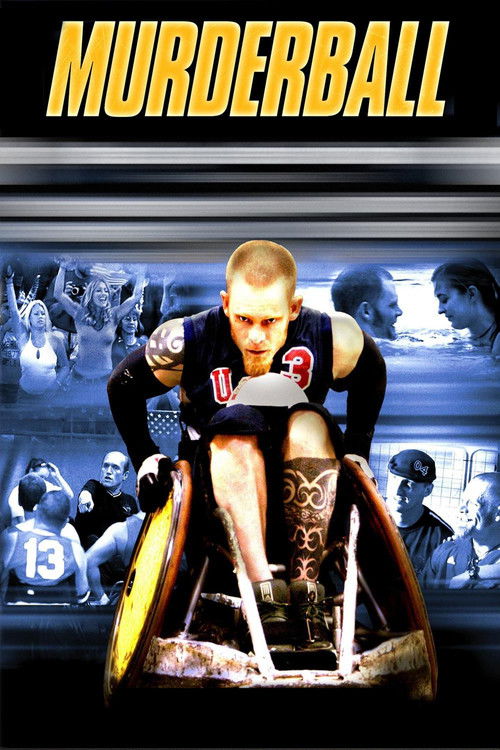
Murderball2005
Wheelchair rugby players training for Paralympics—raw, funny, profane and absolutely riveting. Shows disabled athletes as complex people with egos, humor and competitive fire, not inspiration porn.
But Shot in HD but feels dated now. The disability politics have evolved beyond some of what's presented here.
Not sure tonight? Get a pick in a minute, starting from Rising Phoenix
The wildcard
Something you would not have found on your own.
The Perfect Storm2000
Both films are love letters to the body's capability under pressure, but Riefenstahl's vision of the perfect body and the perfect state stands in sharp opposition to Rising Phoenix's democratization of excellence and disability.
Leni Riefenstahl's documentary of the 1952 Helsinki Olympics—extraordinary cinematography of athletic bodies in motion, celebration of human performance at peak. The technical innovation is staggering.
But Riefenstahl was a Nazi propagandist; the film's aesthetics are inseparable from that history. Watching requires grappling with beauty made by someone complicit in atrocity. Not comfortable viewing.
More like this (8)
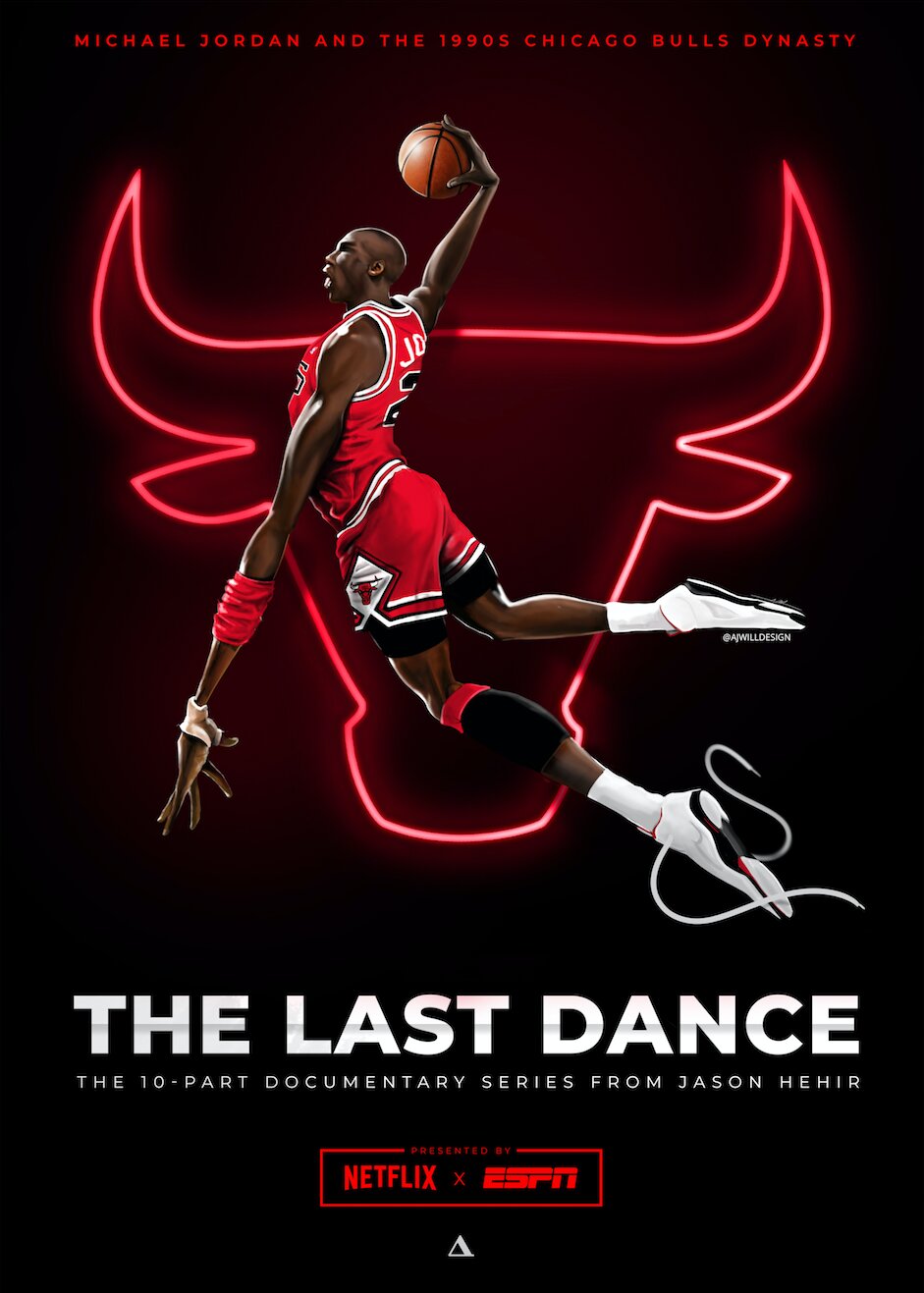
The Last Dance2020
Ten-part docuseries on Michael Jordan's final season with the Bulls. Extraordinary access, dissects winning at the highest level, obsession and what drives greatness. Gorgeously made.
But If you don't care about basketball, this won't convert you. Also, Jordan comes across as genuinely difficult to be around.
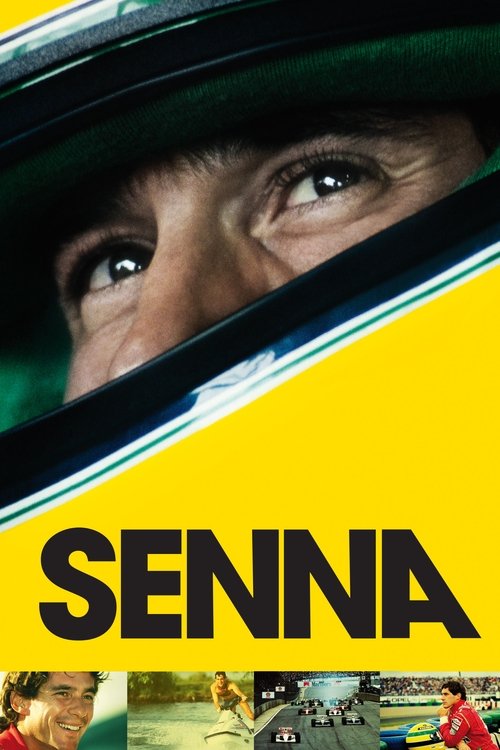
Senna2010
Animated documentary about Formula 1 driver Ayrton Senna—his rise, his rivalry with Alain Prost, and his death. Visually inventive, emotionally devastating, and thrilling even if you've never watched racing.
But The animation is occasionally stiff. And it's a tragedy, so the arc is predetermined; only the poetry matters.
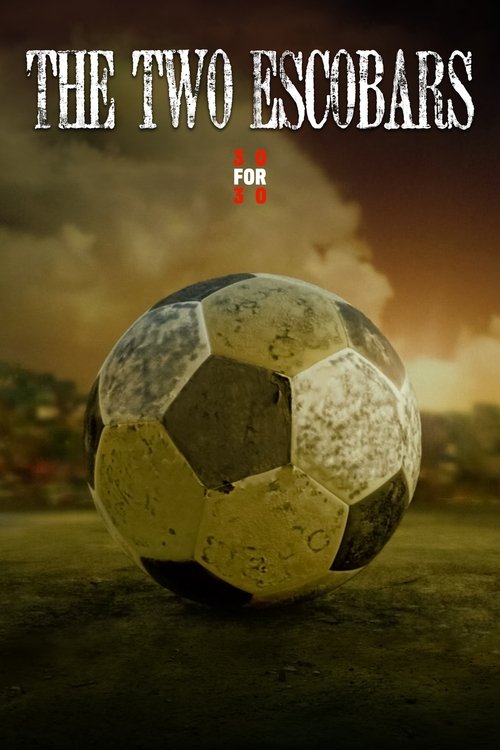
The Two Escobars2010
Brilliantly constructed parallel biography: a Colombian footballer and a drug lord, both named Escobar, whose lives and deaths became intertwined. Sport, politics, and corruption told with real style.
But Heavy subject matter. Colombia's violence in the 1990s isn't background detail—it's the point. Not a feel-good watch.
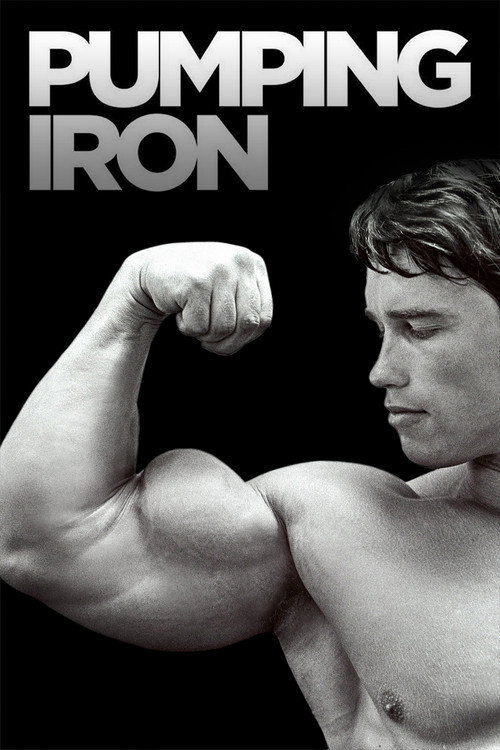
Pumping Iron1977
Young Arnold Schwarzenegger competing for the Mr. Olympia title. Campy, charismatic, and oddly philosophical about discipline and the body. A document of a specific moment in bodybuilding culture that's genuinely funny.
But The body-obsession might feel uncomfortably alienating. And it's very much a product of 1970s attitudes toward gender and masculinity.
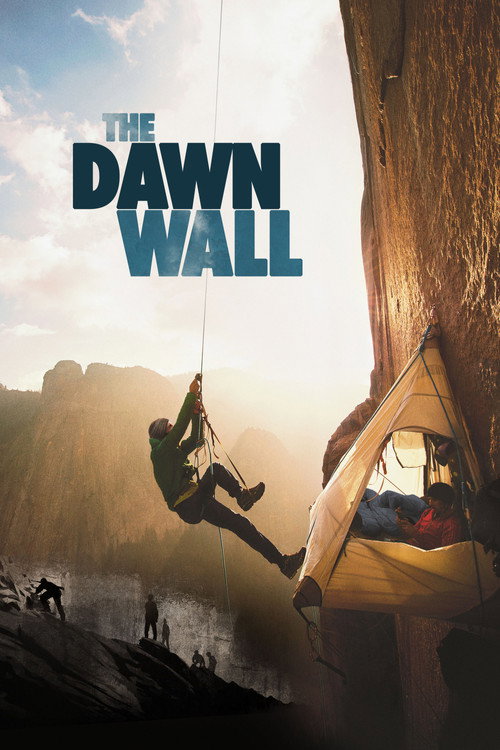
The Dawn Wall2017
Rock climbers attempt a previously unclimbed vertical wall in Yosemite over weeks of living on the rock face. Meditative, gorgeous, quietly intense. About persistence and partnership under impossible conditions.
But Slow-paced and contemplative. If you need plot momentum, this will frustrate you. Also quite niche—you're watching people climb rock for 100 minutes.
Tickled2016
Starts with competitive tickling on the internet and spirals into something genuinely strange and unsettling. A mystery documentary that keeps wrong-footing you. Absolutely singular experience.
But The tickling footage becomes disturbing rather than funny. Goes to uncomfortable places deliberately. This is weird on purpose.
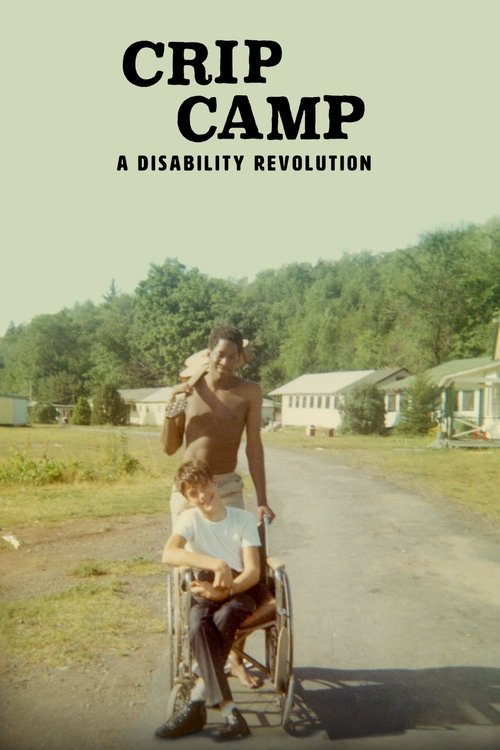
Crip Camp: A Disability Revolution2020
Rising Phoenix shows what elite disabled athletes can do; Crip Camp shows how disabled people fought for the right to be seen at all. One celebrates triumph, the other celebrates the fight for dignity.
A summer camp for disabled teenagers in the 1970s becomes the birthplace of the disability rights movement. Archive footage and present-day interviews weave a political awakening story that's joyful, angry and clarifying.
But The pacing is sometimes slack; it's trying to be both personal memoir and historical record, and those don't always align smoothly. Some viewers find it sentimental.
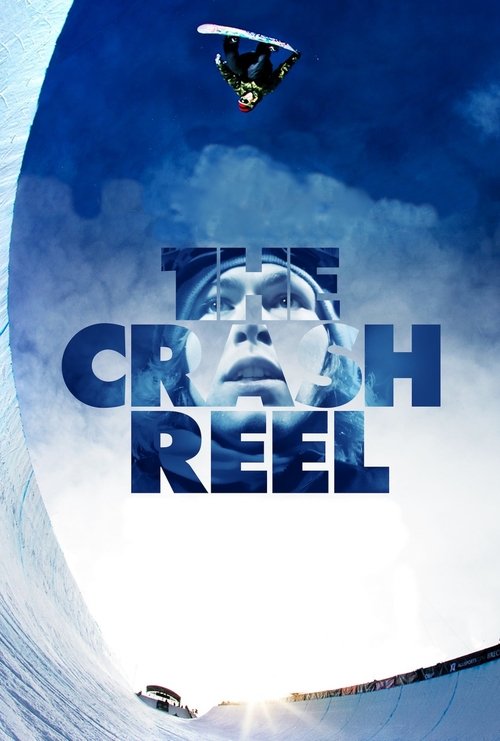
The Crash Reel2013
Where Rising Phoenix celebrates bodies that work differently to spectacular effect, The Crash Reel asks what happens when the body breaks and whether you can rebuild yourself into the person you were meant to be. Both ask: what defines us beyond what our bodies can do?
Snowboarder Kevin Pearce suffers a catastrophic brain injury and the film follows his slow return—or attempted return—to the sport. Honest about recovery, ambition, pain and the cost of living for one thing.
But It's a portrait of suffering and disability that doesn't resolve neatly. The ending won't satisfy you if you need closure or redemption in a tidy arc.
People
Cast
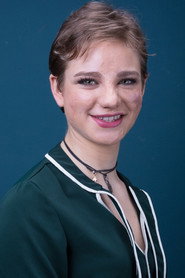 Bebe VioSelf
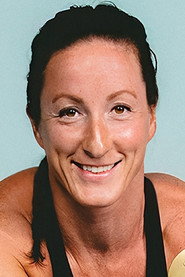 Tatyana McFaddenSelf
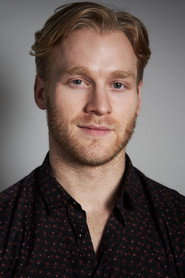 Jonnie PeacockSelf
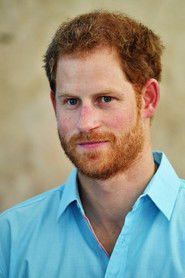
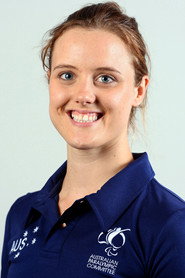 Ellie ColeSelf
- Eva LoefflerSelf
- Cui ZheSelf
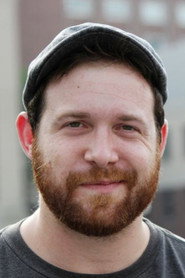 Andrew ParsonsSelf
- Xavier GonzalezSelf
- Matt StutzmanSelf
- Ntando MahlanguSelf
Directing
- Ian BonhôteDirector
- Peter EttedguiDirector
Production
- Andee RyderExecutive Producer
- Andrew RuhemannExecutive Producer
- Barbara BroccoliExecutive Producer
- Barnaby SpurrierExecutive Producer
- Richard CurtisExecutive Producer
- Tatyana McFaddenExecutive Producer
- Xavier GonzalezExecutive Producer
- Greg NugentProducer
- Ian BonhôteProducer
- John BattsekProducer