
Film
Nasty Baby
Sebastián Silva's provocative comedy follows a gay couple and their friend navigating surrogacy while dealing with a relentlessly vicious neighbour. It's messy, darkly funny, and uncomfortable—equal parts intimate character study and social provocation. For viewers who like their comedy unpolished and their drama laced with genuine threat.
If you liked this
Obvious Child2014
Jenny Slate delivers a breakthrough performance in this warm, hilarious film about an unplanned pregnancy. It finds comedy in life's messier moments without ever losing sight of real emotional stakes or character complexity.
But The humour relies heavily on cringe and bodily functions, which won't land for everyone. Some may find the protagonist's specific brand of neurosis exhausting rather than endearing.

Mistress America2015
Noah Baumbach captures the particular comedy of female friendship with precision and generosity. It's funny, fast, and deeply alive to how people actually talk—especially the scene-stealing turns from supporting characters.
But The plot is deliberately loose and structurally scattered. If you need conventional narrative momentum, this will feel frustratingly aimless.

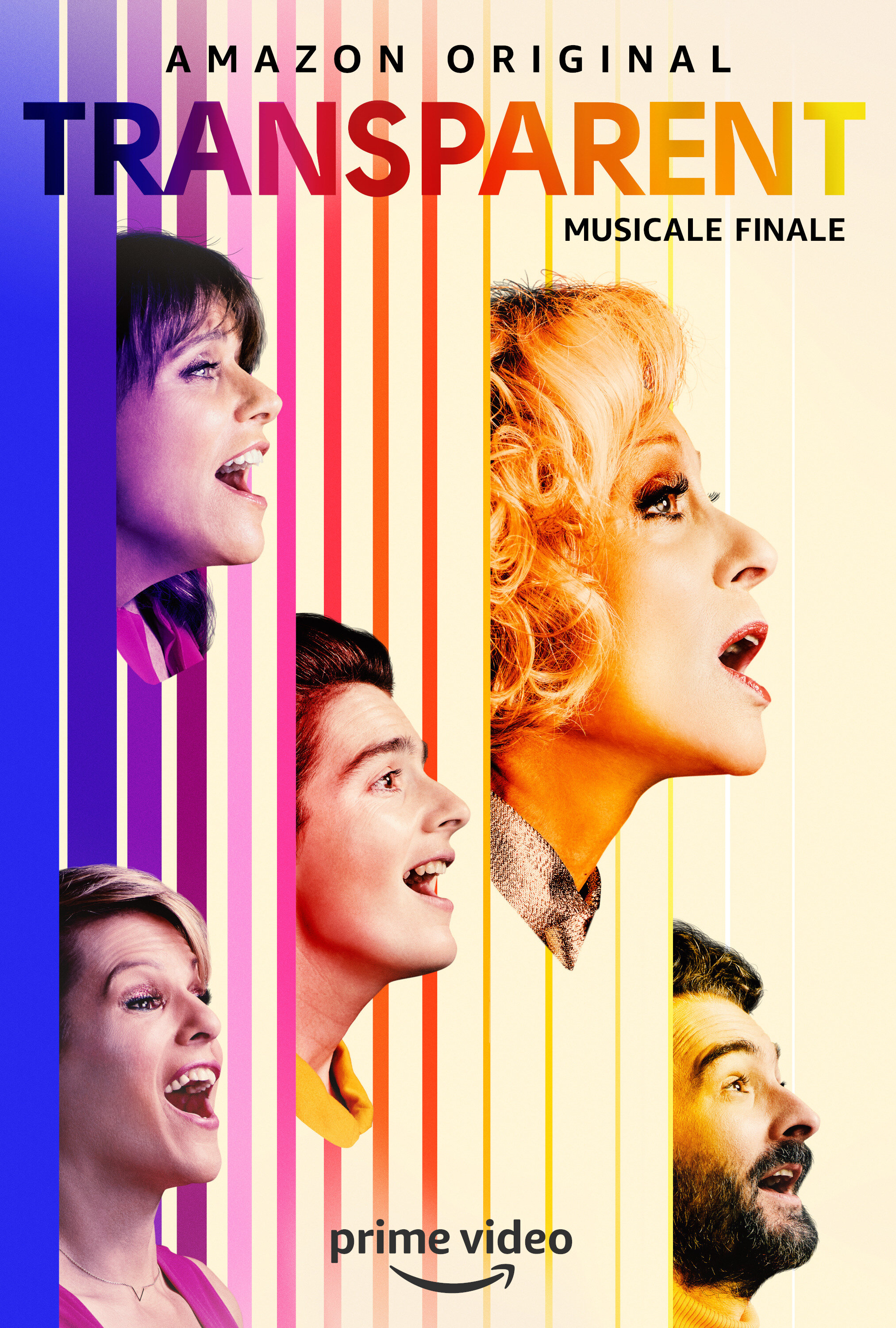
Transparent2014
Jill Soloway's ensemble drama about a family navigating gender, sexuality, and identity with humour and tenderness. It's politically sophisticated without becoming didactic, and genuinely moving without sacrificing the absurdity of family life.
But It can be emotionally draining over multiple episodes. Some storylines veer into melodrama, and the pacing occasionally prioritises character moments over plot momentum.
Not sure tonight? Get a pick in a minute, starting from Nasty Baby
The wildcard
Something you would not have found on your own.
The Disaster Artist2017
Both films are interested in how chosen family works—how people outside traditional structures create their own networks and support systems. Both also treat their messiest, most flawed characters with real compassion.
James Franco's film about making *The Room* is itself hilarious and moving—a story about friendship, ambition, and art-making between two people. It's formally clever without showing off, and deeply affectionate toward its subjects.
But It's a meta-comedy about a cult film that requires some familiarity with the source material to fully land. The ending softens into sentiment in ways that slightly betray the earlier tone.

More like this (8)
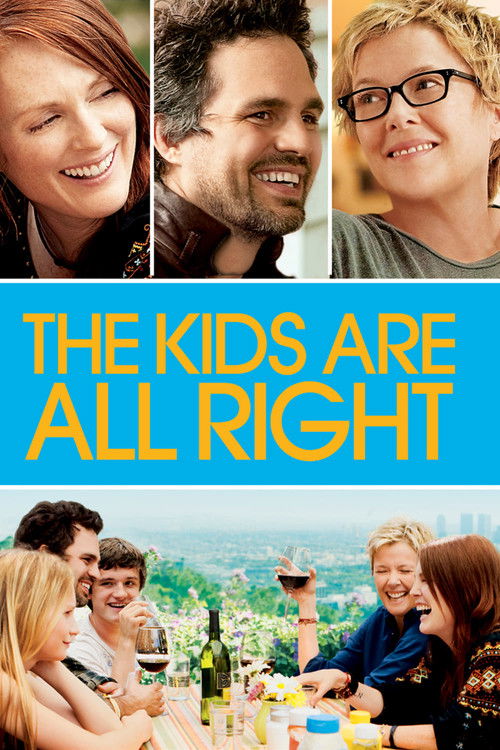
The Kids Are All Right2010
Lisa Cholodenko's warm, funny film about a same-sex couple and their teenage kids finding their family. It's smart about desire, parenthood, and loyalty without ever becoming sentimental or preachy.
But The third act pivots into more conventional family-drama territory after the earlier lightness. Some may find it retreats from its more interesting provocations.
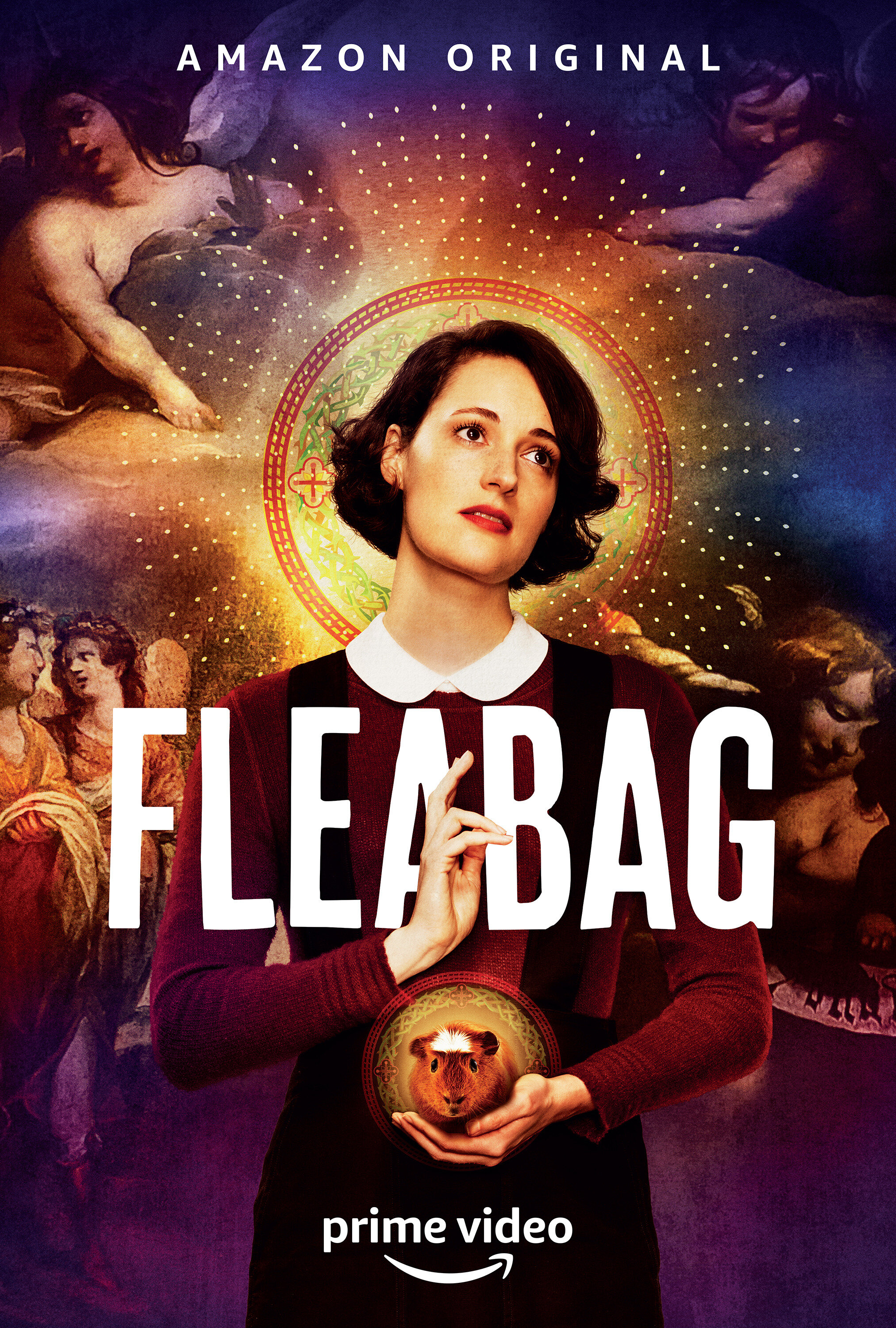
Fleabag2016
Phoebe Waller-Bridge created something wholly original: anarchic, hilarious, deeply tender, and formally inventive. It captures the specific chaos of navigating family, relationships, and self-destruction with perfect tonal control.
But The main character is genuinely difficult and makes poor choices repeatedly. If you need to like your protagonist unconditionally, you'll struggle.
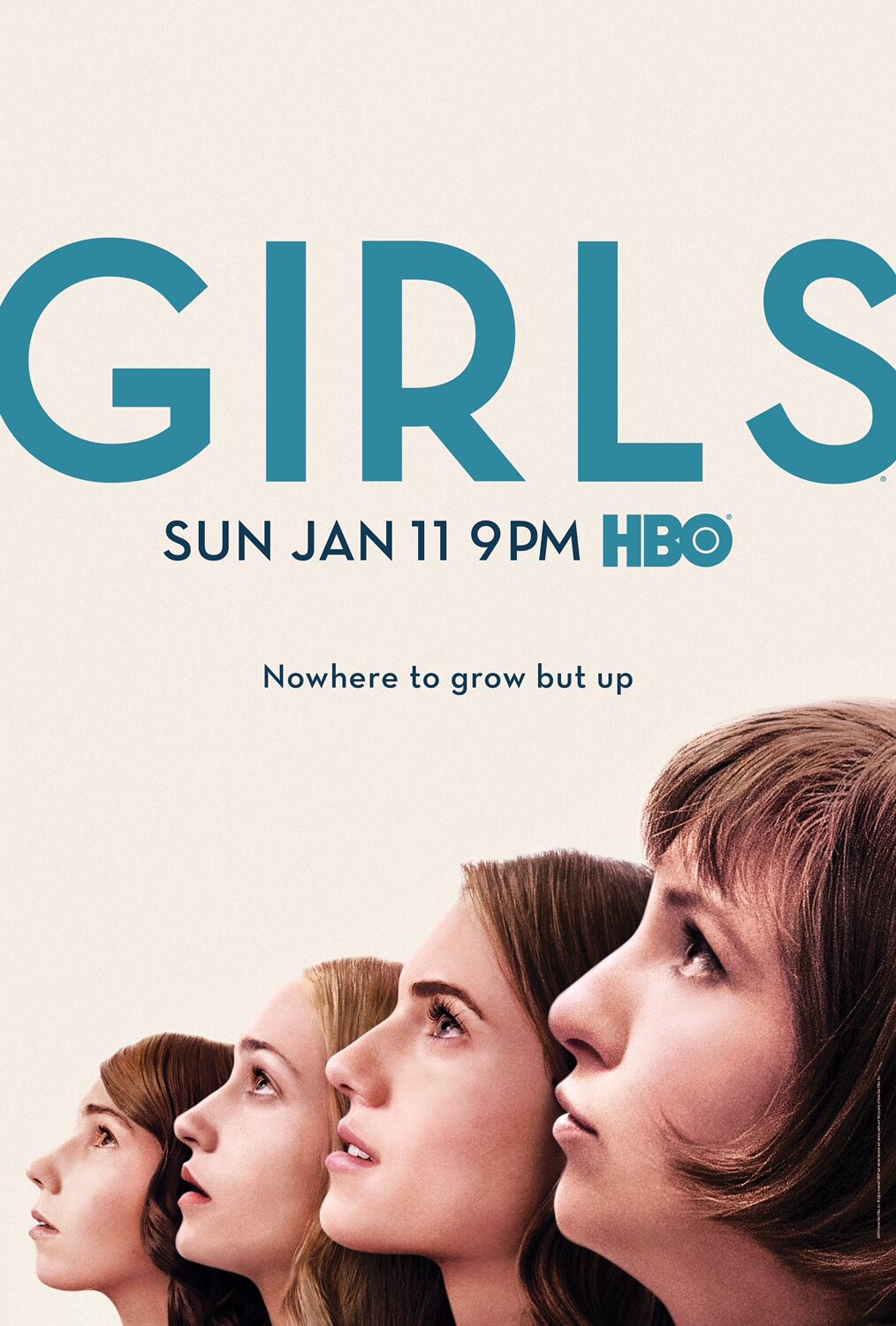
Girls2012
Lena Dunham's series captures the particular confusion and comedy of your twenties in New York with unflinching specificity. It's rough, funny, and genuinely invested in its characters' actual problems rather than manufactured drama.
But The characters are frequently insufferable and self-absorbed. The show's embrace of cringe humour and sexual awkwardness is not for everyone, and it can feel punishing in its refusal to provide easy catharsis.
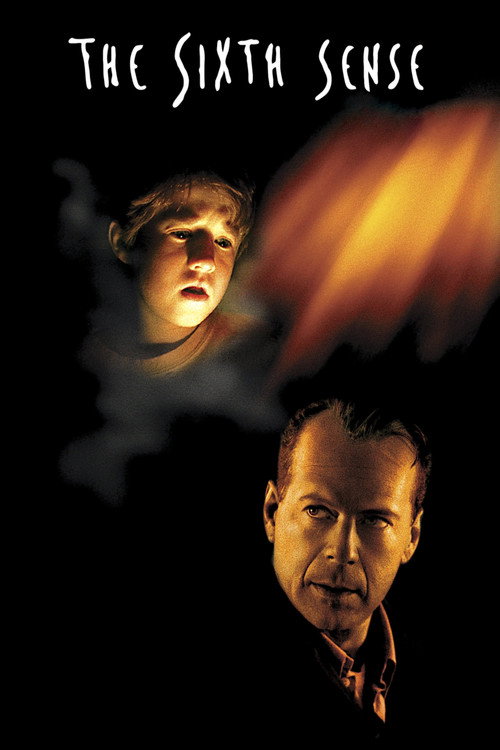
The Sixth Sense1999
M. Night Shyamalan's most accomplished film works as both ghost story and intimate portrait of grief. The genre structure allows real emotional weight to accumulate without ever feeling manipulative.
But If you're watching after the twist has been spoiled, much of the film's construction becomes overly visible. Some viewers find the pace glacial.
Krisha2016
Ari Aster's debut is a shattering, elliptical portrait of family dysfunction and addiction told with brutal honesty and formal daring. It feels scraped from actual life rather than constructed from plot points.
But It's deliberately obscure in structure and offers no catharsis. The subject matter—addiction, family collapse—is relentlessly bleak without much comic relief.

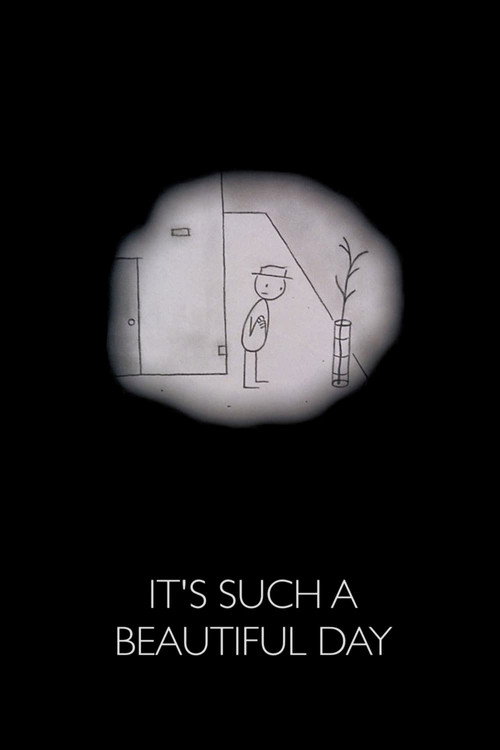
It's Such a Beautiful Day2012
Don Hertzfeldt's rotoscope animation follows a man's gradual mental disintegration with both devastating pathos and unexpected humour. It's formally inventive and emotionally raw in ways few films achieve.
But The animation style takes adjustment. The film is philosophically dense and intentionally demanding; it doesn't offer comfortable viewing.
The Farewell2019
Like *Nasty Baby*, it's about family creation and navigation across difference, and about how love operates within specific cultural and personal constraints. Both films trust their audiences to sit with discomfort.
Lulu Wang's film moves between comedy and tragedy without choosing between them, treating cultural difference with specificity and humour. It's a family drama that feels genuinely lived-in, balancing generations and secrets with grace.
But Much of the comedy emerges from cultural context that not all viewers will immediately recognise. The central secret creates emotional distance rather than dramatic propulsion for some people.

Requiem for a Dream2000
Both films refuse the comfort of comedy when the material doesn't warrant it. Both are interested in what happens when desire meets reality, and both treat human damage with refusal to look away or comfort the viewer.
Darren Aronofsky's fractured narrative about addiction and desire across four interconnected lives is formally audacious and genuinely harrowing. It's what happens when you take the interior experience of desperation completely seriously.
But It's deliberately punishing and offers no exit or redemption. The formal experimentation can feel excessive, and the subject matter—addiction, mental illness, degradation—is not cathartic viewing.

People
Cast
 Sebastián SilvaFreddy
 Kristen WiigPolly

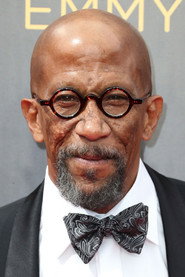 Reg E. CatheyThe Bishop
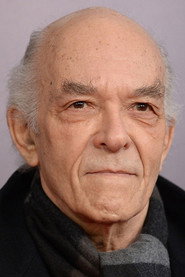 Mark MargolisRichard
 Agustín SilvaChino
 Alia ShawkatWendy
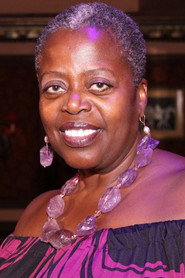 Lillias WhiteCecilia
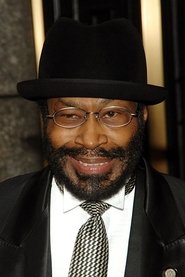 Anthony ChisholmMo's Father
 Marsha Stephanie BlakeMo's Sister / Haimy
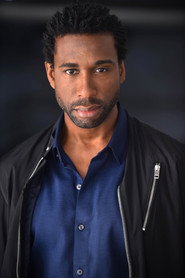 William Oliver WatkinsMo's Brother-in-Law
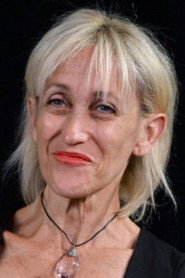 Constance ShulmanBishop's Girlfriend
Directing
- Sebastián SilvaDirector
- Daniel LugoFirst Assistant Director
- Jeffrey M. WeberSecond Assistant Director
Writing
- Sebastián SilvaScreenplay
Production
- Jessica DanielsCasting
- Katja BlichfeldCasting
- Alia ShawkatCo-Producer
- Christine VachonExecutive Producer
- Mariane HartardExecutive Producer
- Pape BoyeExecutive Producer
- Peter DannerExecutive Producer
- Rocío JadueExecutive Producer
- Sebastián SilvaExecutive Producer
- Violaine PichonExecutive Producer
- Charlie DibeProducer
- David HinojosaProducer
- Juan de Dios LarraínProducer
- Julia OhProducer
- Pablo LarraínProducer