
Film
Junk
- Coming-of-age
- Very dark
A BAFTA-winning drama following a teenager who leaves home and is drawn into heroin addiction by glamorous older friends. Shot with unflinching clarity, *Junk* watches a descent into addiction without sentimentality or moralizing. Urgent and claustrophobic, it's for anyone who wants to understand how quickly circumstance and charisma can derail a life.
If you liked this
Requiem for a Dream2000
A hypnotic, formally inventive portrait of four people destroyed by different addictions. Darren Aronofsky's visual language makes the neurochemistry of dependency visceral and devastating without ever feeling exploitative or preachy.
But The style can feel overwhelming—rapid cuts, distorted audio, visual repetition. Some find the bleakness relentless rather than enlightening.

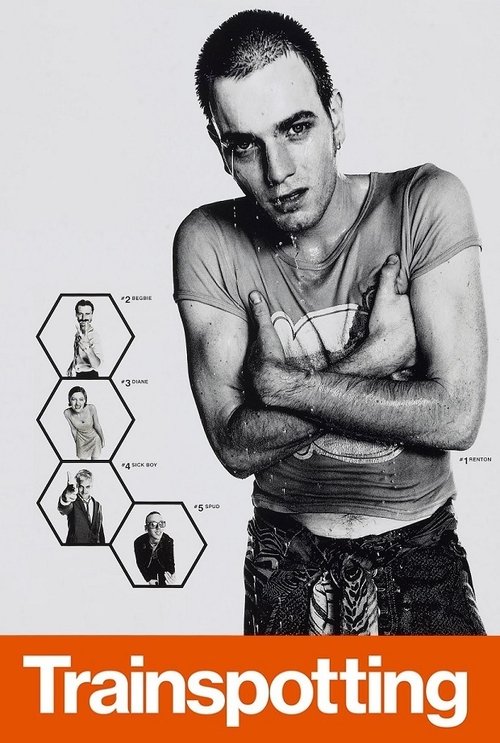
Trainspotting1996
The defining film about heroin addiction in Britain: kinetic, darkly funny, and brutally honest about the seductive pull of oblivion. Danny Boyle's energy never lets you look away, and the cast is magnetic.
But The humour and style occasionally risks glamorizing the lifestyle it's critiquing. Some viewers find the tonal shifts jarring.
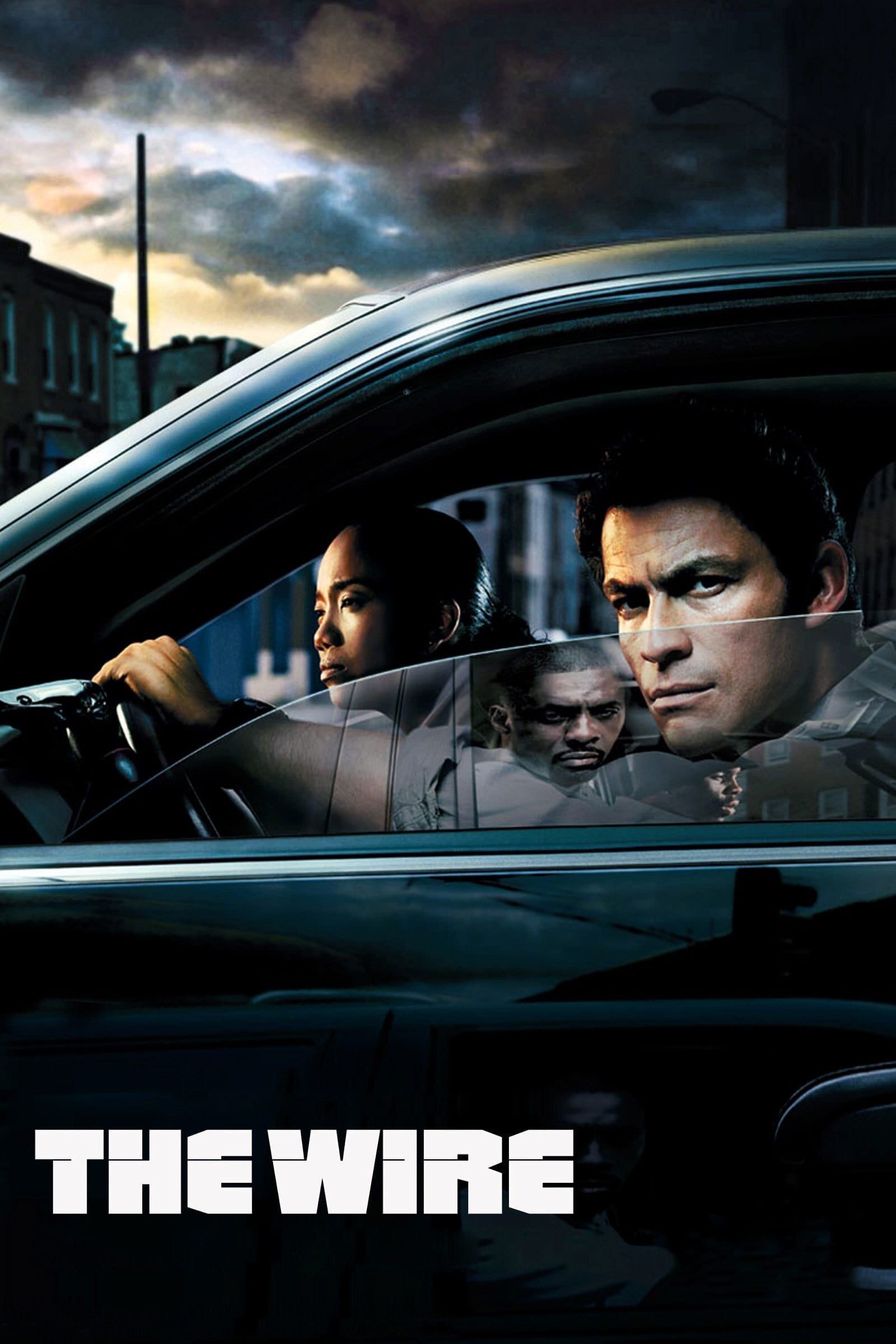
The Wire2002
Five seasons anatomizing drug trade, addiction, and institutional failure in Baltimore. It's patient, sprawling, and treats every character—user, dealer, cop, bureaucrat—with equal moral seriousness and humanity.
But The first season is slow to grip. With 60 episodes, it demands real commitment. Dense with characters and plot threads that need attention.
Not sure tonight? Get a pick in a minute, starting from Junk
The wildcard
Something you would not have found on your own.
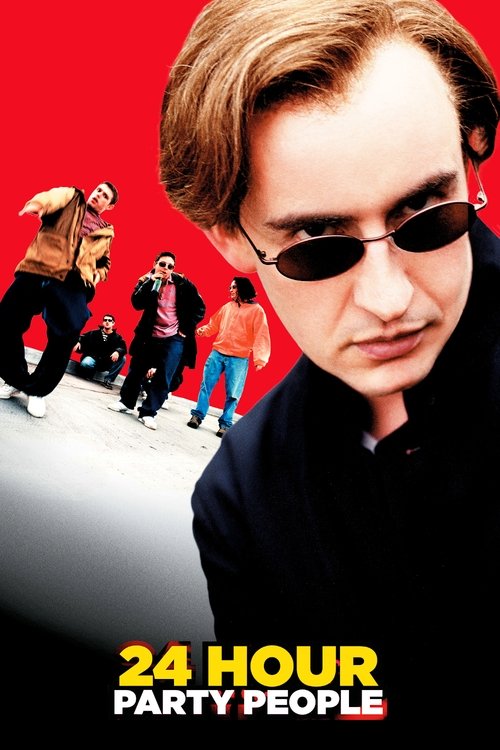
24 Hour Party People2002
Both follow youth culture and drug use in Britain, but *24 Hour Party People* shows the other side: the scene that makes addiction seductive, the cultural context *Junk* never pauses to examine.
A comedy-drama about Manchester's acid house scene and Factory Records, told by a character who uses drugs as casually as coffee. Tony Wilson's story frames addiction and excess as inseparable from cultural invention and joy—not a cautionary tale.
But Anarchic and digressive; it celebrates hedonism without moral tut-tutting, which some viewers will read as irresponsible. The style is playful rather than grave.
More like this (8)
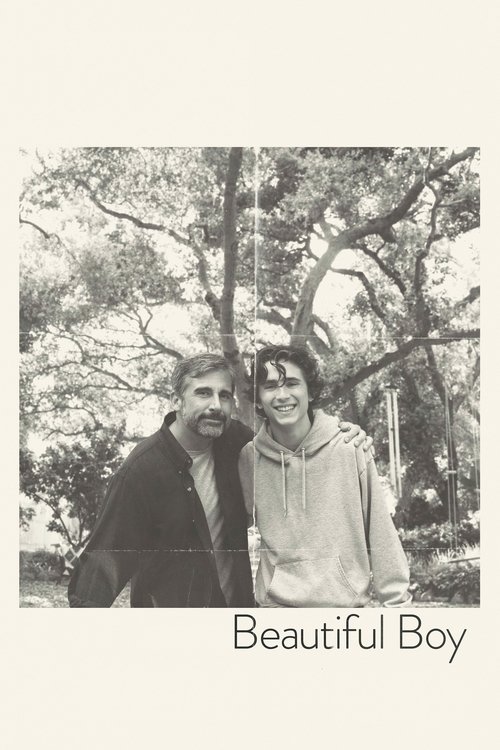
Beautiful Boy2018
A father and son navigate crystal meth addiction with raw, unsentimental intimacy. Steve Carell and Timothée Chalamet give performances stripped of vanity, and the film captures the peculiar torture of loving an addict.
But Repetitive structure—relapse, recovery, relapse—can feel cyclical rather than dramatic. Some scenes feel more therapeutic than cinematic.
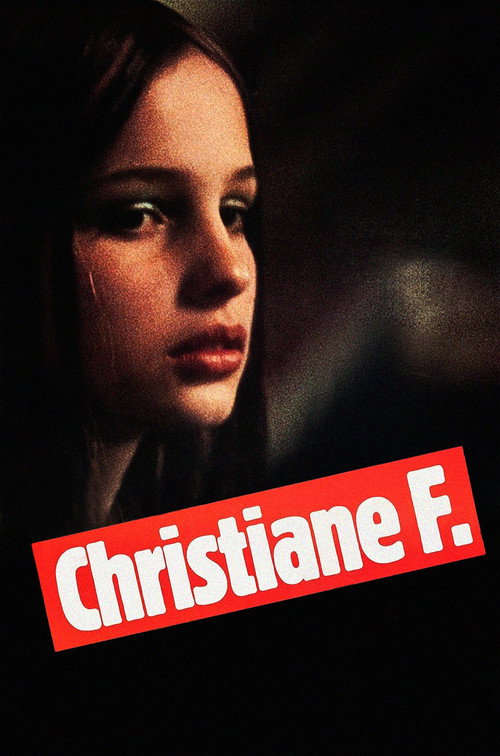
Christiane F.1981
A German documentary-style film about a 14-year-old girl's heroin addiction in 1970s Berlin. Unflinching and shot with documentary realism, it's a cultural landmark that still feels shockingly immediate.
But Genuinely harrowing subject matter and exploitative moments. The pacing is episodic and can feel shapeless compared to narrative drama.
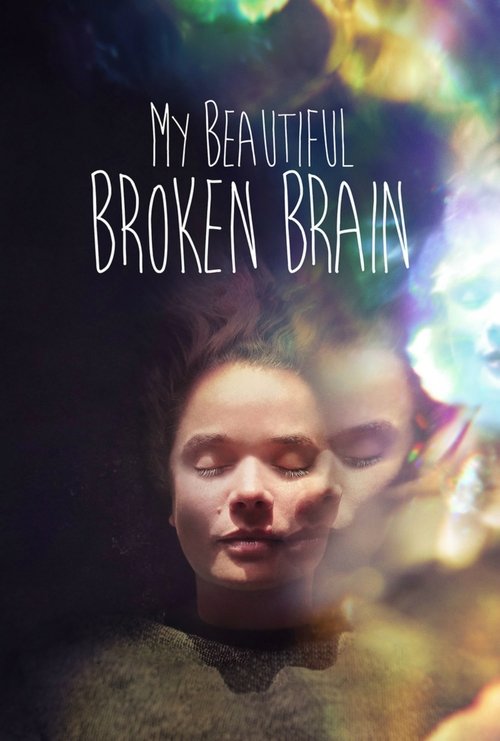
My Beautiful Broken Brain2014
A woman rebuilds her life after a catastrophic stroke. Intimate, visual, and about neuroplasticity and recovery, it's less about pathology and more about resilience and the strangeness of consciousness itself.
But The personal essay format won't appeal to everyone. Some find the magical thinking around recovery frustratingly vague.
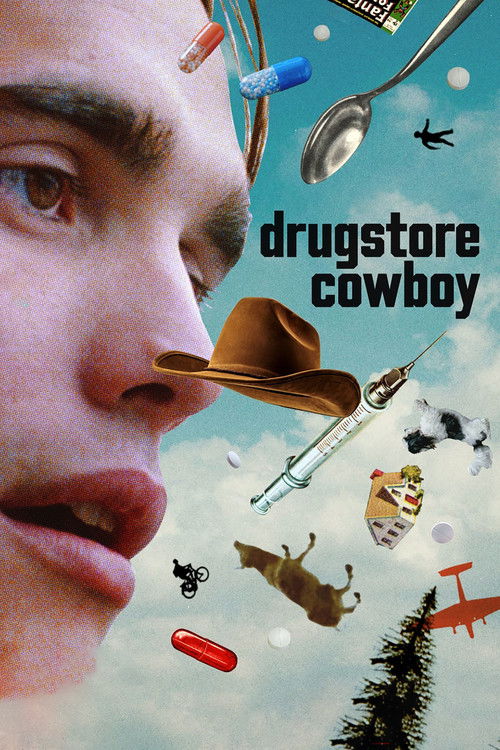
Drugstore Cowboy1989
Gus Van Sant's hypnotic portrait of a small-time drug crew in 1970s Portland. Methodical and melancholic, it captures the routines and superstitions of addiction without sensationalism or redemption narratives.
But Deliberately paced and detached. There's little dramatic momentum, and the emotional payoff is quiet and oblique.
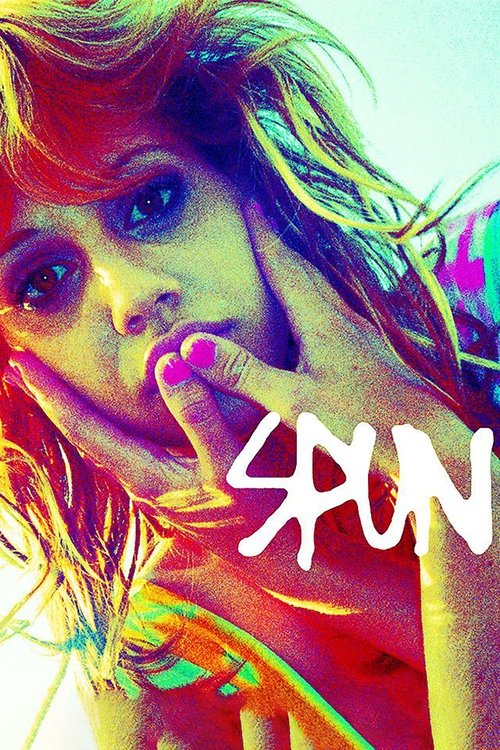
Spun2003
A frenetic, formally inventive chronicle of a three-day crystal meth binge in Los Angeles. Jonas Åkerlund's visual density and the ensemble cast create a portrait of addiction as both banal and nightmarish.
But The style—fast cuts, distorted colour, constant motion—mirrors amphetamine intoxication, which is the point, but it's exhausting to watch.
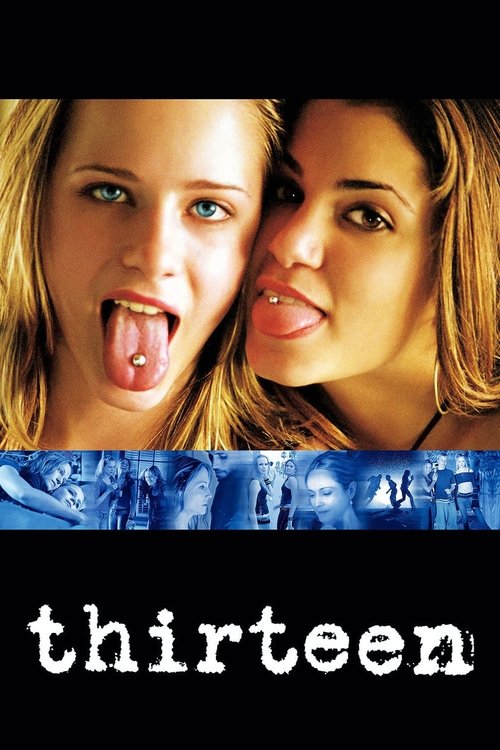
Thirteen2003
A girl and boy spiral into drugs, petty crime, and self-harm after an intense friendship forms. Gritty and intimate, it's an unflinching look at adolescent recklessness without ever explaining it away.
But Contains depictions of self-harm and sexual content involving minors. The performance-driven style prioritizes rawness over clarity; some sequences feel deliberately difficult to follow.
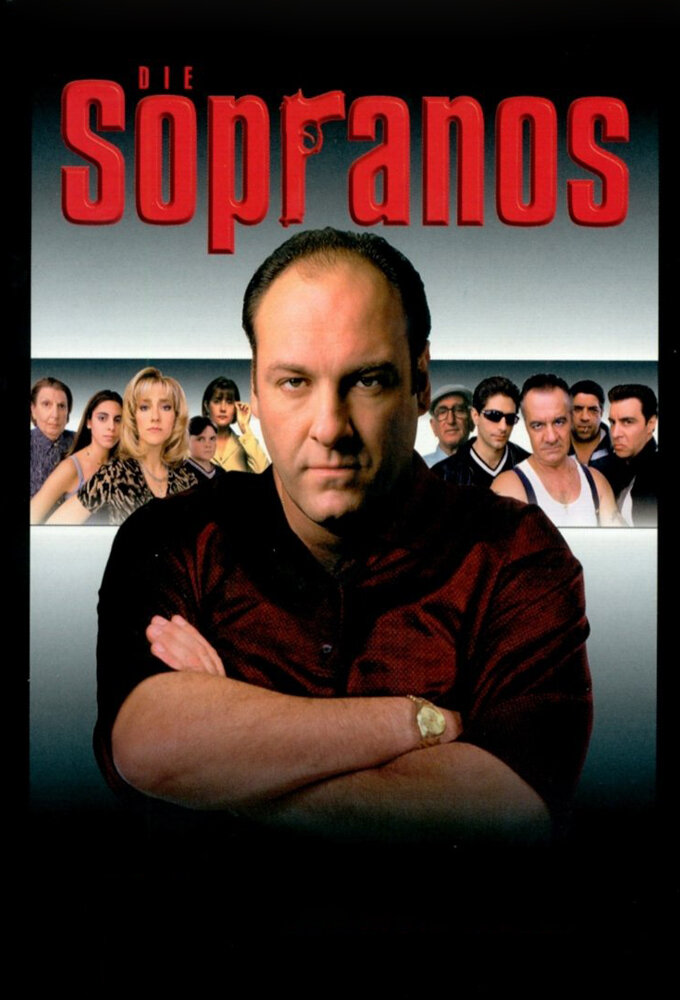
The Sopranos1999
Both examine how charismatic, damaged people corrupt those around them. *The Sopranos* shows addiction and moral numbness from inside the addict's mind, where it feels rational and survivable.
A crime boss in therapy. Across eight seasons, David Chase explores how violence, addiction, and dependency are threaded through family and psychology. It invented prestige television and remains unsurpassed at showing how people rationalize harm.
But Slow, very slowly paced. The middle seasons meander. Some viewers find the psychology repetitive and the protagonist's lack of growth frustrating.
Kes1970
Both track how circumstance and indifference can crush a young person. Where *Junk* shows active destruction through addiction, *Kes* shows passive destruction through class and neglect. Same outcome, different mechanism—both irreversible.
A working-class Yorkshire boy bonds with a hawk while his life collapses around him: poverty, brutal school, absent father, no future. Shot in monochrome with documentary plainness, it's tender and devastating without ever asking for pity.
But No plot in the conventional sense. The climax is abrupt and hopeless. A 1960s British regional film will feel slow and austere to modern viewers expecting dramatic structure.

People
Cast
- Trevor ByfieldSkolly
- Ben CatoJunky
 Anita DobsonMrs Lawson
- Marcelle DupreyLily
 Lee InglebyRob
 David MallinsonMr Lawson
 Daniel NewmanTar Lawson
 Susan PenhaligonMrs Brogan
 Jemima RooperGemma Brogan
 David SchofieldMr Brogan
 Joe ShawJerry
- Katryna Thomas-ShellVonny
Directing
- Monica HeathAssistant Director
- Marcus D.F. WhiteDirector
Writing
- Barry PurcheseWriter
- Melvin BurgessWriter
Production
- Derek BarnesCasting
- John PriceProducer
- Barbara McFarlaneProduction Coordinator
- Simon HavelandProduction Manager