
Film
Foster
- Social drama
- Very dark
Foster follows caseworkers in Los Angeles County's overwhelmed child welfare system as they navigate heartbreaking decisions with limited resources. It's an unflinching look at a bureaucracy trying to protect children while families fracture—neither sentimental nor cynical, just honest. For anyone interested in social systems, institutional failure, or the human cost of policy.
Should you watch it?
Watch it if you want a patient, observational documentary that lets caseworkers and families speak for themselves, and you can sit with hard institutional decisions without needing them explained to you.
Skip it if you need a clear narrative or resolution, since this is a fly-on-the-wall look at a system, and its weight rarely lifts.
What it asks of you: It runs just under two hours and moves at an unhurried, observational pace, staying with paperwork, phone calls and long conversations rather than cutting toward dramatic peaks.
Not sure? Find tonight's pick in a minute.
If you liked this
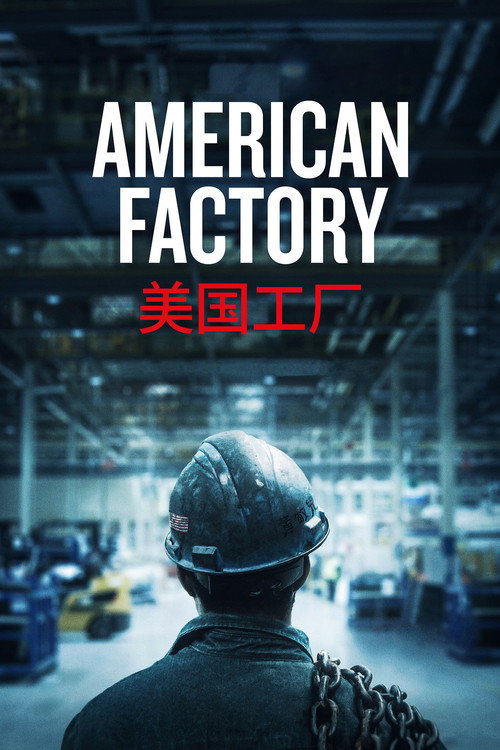
American Factory2019
A factory town's economic collapse filmed with the same unsentimental rigor. Shows how institutions fail ordinary people without turning them into victims or heroes. Beautifully structured.
But The politics are obvious and it can feel heavy-handed about whose side it's on. Some will find it preachy rather than exploratory.
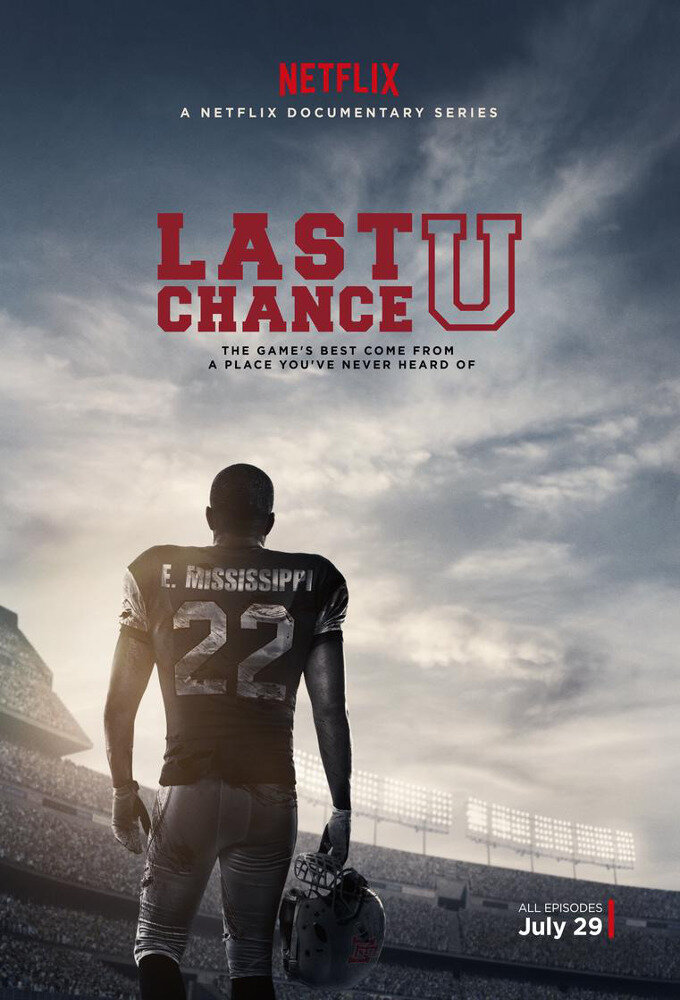
Last Chance U2016
Follows college football recruitment in Mississippi with clinical precision, revealing how systems exploit vulnerable kids. Same refusal to provide easy comfort or villains.
But It's about football and higher education, not child welfare, so the subject matter may feel distant. Also genuinely depressing.
The Investigator2022
A prosecutor examines decades-old child abuse cases through documents and memory. Quiet, methodical, focused on institutional responsibility rather than dramatic reconstruction.
But No re-enactments or narrative momentum. Relies entirely on your tolerance for procedural patience and emotional restraint.

Not sure tonight? Get a pick in a minute, starting from Foster
The wildcard
Something you would not have found on your own.
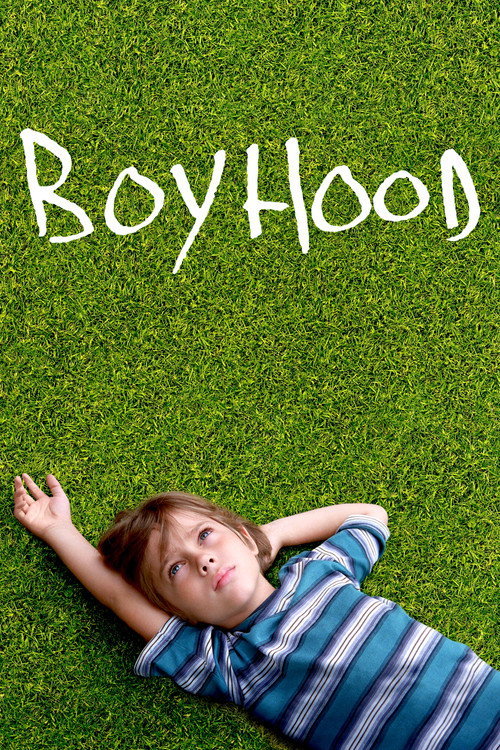
Boyhood2014
Both use duration and restraint to show how systems affect individuals over time rather than in crisis moments—the wear and not the breaking point.
Shot in fragments over 12 years with the same actor, it captures how institutions—schools, families, law enforcement—grind away at a single life over time. Same observational patience as Foster but stretched across childhood itself.
But It's nearly three hours of a boy growing up, with no dramatic arc or climax. Feels like watching paint dry to anyone who needs traditional narrative momentum.
More like this (7)
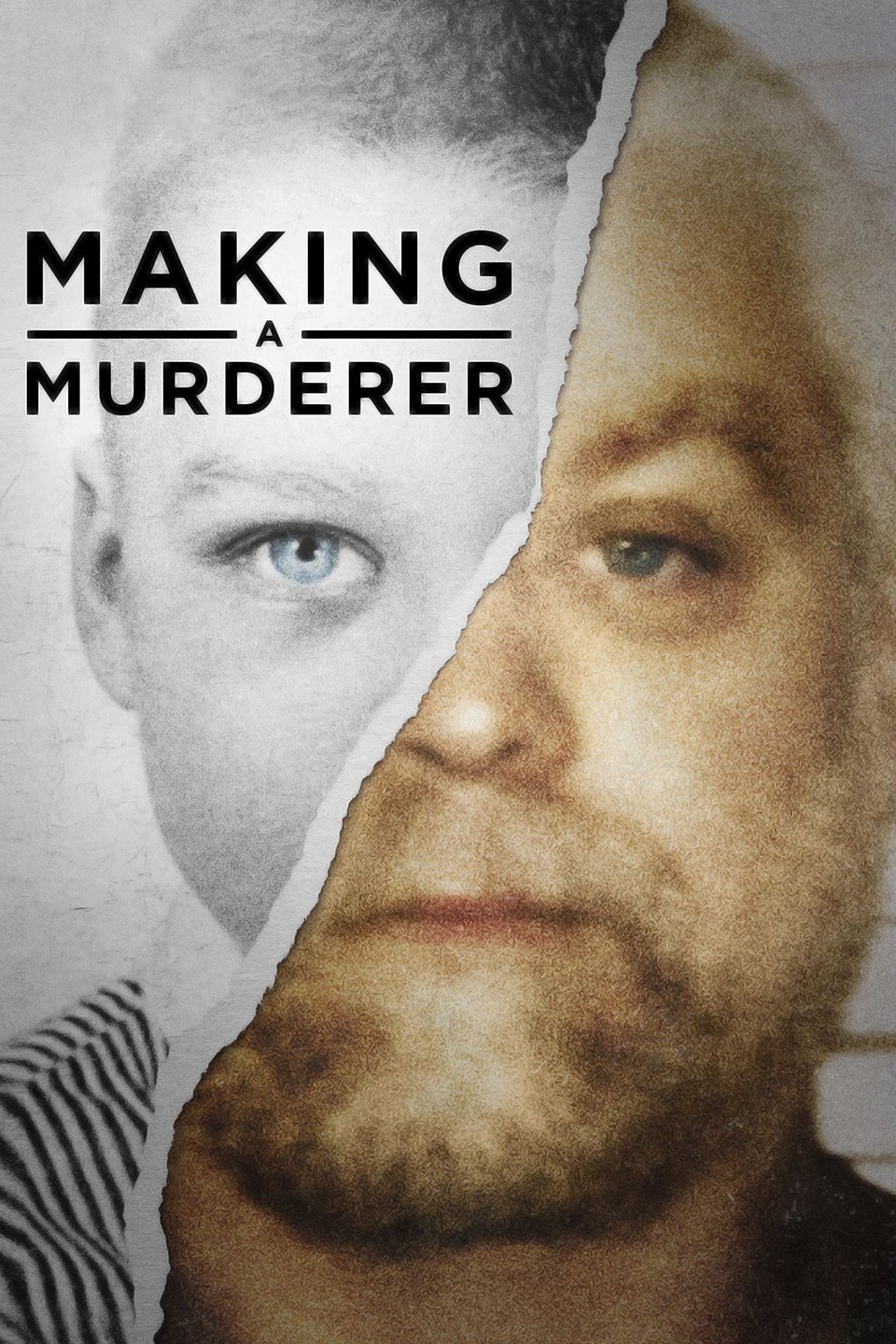
Making a Murderer2015
An intensive look at failure in the American justice system—how institutions harm people through incompetence and incentive structures, not just corruption.
But It's long, it's heavy, and many people find the filmmakers' conclusions controversial. Can feel like watching an argument about a closed case.
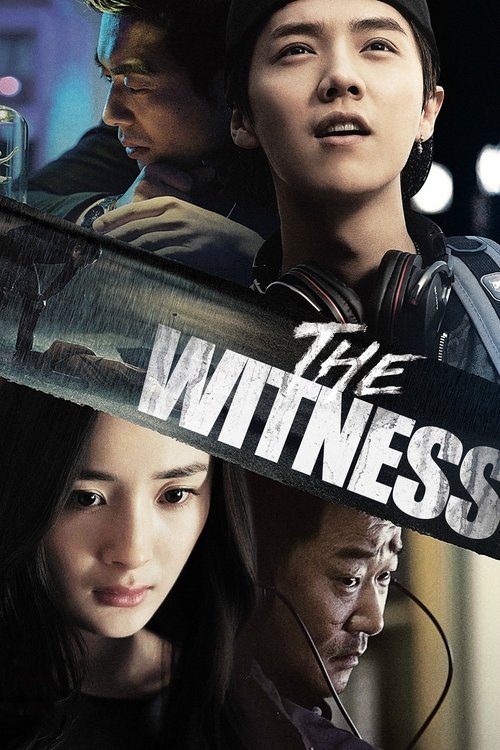
The Witness2015
Documents Kitty Genovese's murder and what her death reveals about institutional failure and community indifference. Reexamines an icon with real rigor.
But Focuses on media mythology as much as tragedy. Some viewers want the straightforward story, not an examination of how we tell stories.
Hoop Dreams1994
Follows two basketball players for five years, showing how institutions—schools, colleges, families—fail young Black men chasing a dream. Prescient and detailed.
But It's long and the basketball barely matters; the focus on systemic limitation can feel relentless rather than revealing.
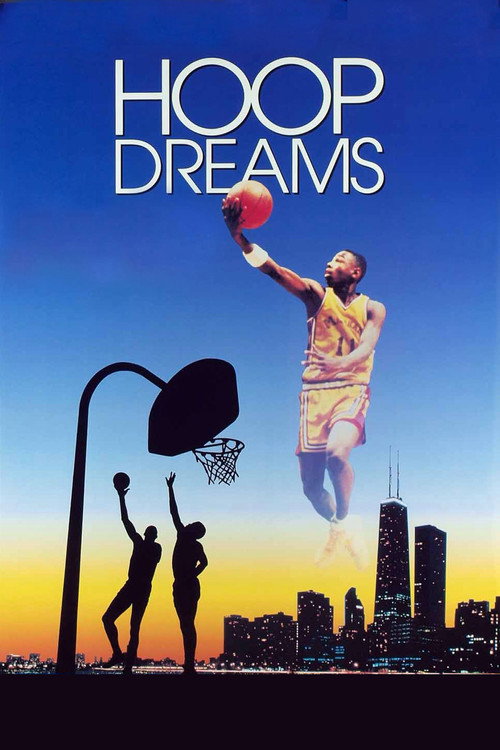
Three Kings1999
A war film that suddenly pivots to show what American military action actually does to civilians. Shifts genre mid-film to expose the human cost of policy.
But The tonal shift from action-comedy to atrocity is jarring and some find it manipulative. The filmmaking can feel showy about its own seriousness.
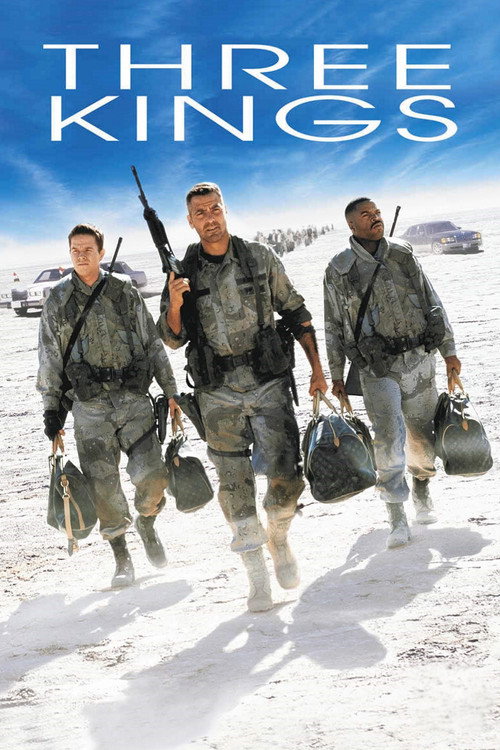
Requiem for a Dream2000
Four lives destroyed by addiction and institutional indifference, filmed with desperate stylistic energy. Shows how systems fail the desperate and how desperation creates systems.
But Genuinely punishing to watch—visually assaultive, emotionally devastating, offers no catharsis. Some viewers feel it's style over substance.

Midnight in Paris2011
Both examine how narratives and institutions shape identity—Foster shows the cost when institutions fail you, this shows the cost when you fail institutions by wanting to belong elsewhere.
A romantic fantasy about longing for a time that never existed. Sounds nothing like Foster, but it's actually about institutional belonging—who has a place in which world, and what we tell ourselves about fitting in.
But It's a Woody Allen film and some won't watch him. Even fans find it precious and slight compared to his better work.
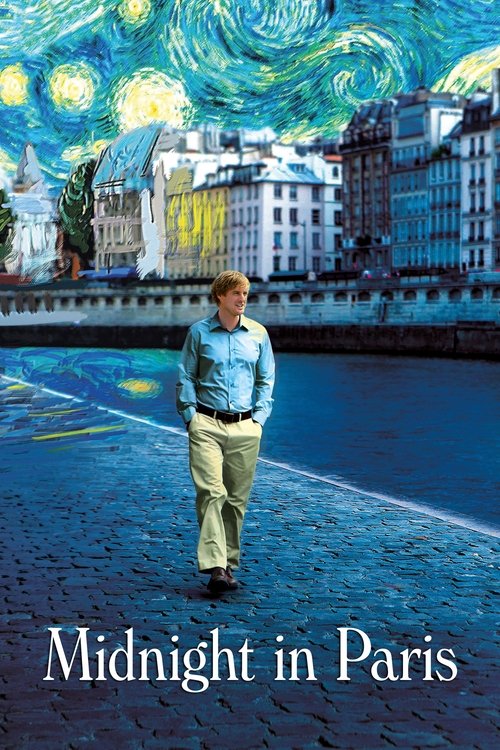
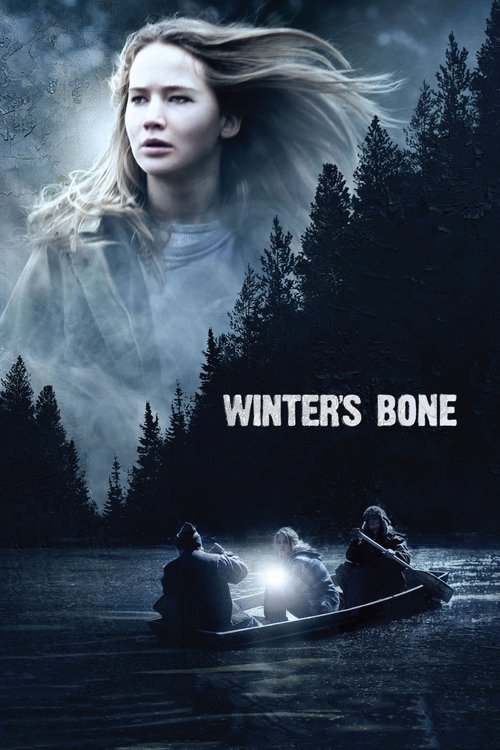
Winter's Bone2010
Both ask what happens to children when systems—whether present or absent—fail to protect them. Foster shows the machinery; this shows the void.
A rural girl hunts for her disappeared father in Appalachia, navigating family loyalty, legal systems, and survival. It's about institutional abandonment in a place where institutions barely exist—the inverse of Foster's overwhelming bureaucracy.
But Deliberately paced, visually bleak, and offers no resolution or comfort. Very dark without the narrative structure most people expect from drama.
People
Cast
- Jessica ChandlerSelf
- Jacqueline ChunSelf
- Ben ColellaSelf
- Patricia SoungSelf
Directing
- Mark Jonathan HarrisDirector
Writing
- Mark Jonathan HarrisWriter
Production
- Diane WeyermannExecutive Producer
- Jeff SkollExecutive Producer
- Deborah OppenheimerProducer
- Lisa RemingtonProducer
- Samantha PolanProducer