
Film
Following
Christopher Nolan's debut is a sleek urban thriller about obsession and the gap between watching and knowing. Shot in crisp black-and-white on a micro-budget, it follows a lonely man who starts tailing strangers for entertainment—until he follows the wrong person. Taut, clever, and genuinely unsettling.
If you liked this
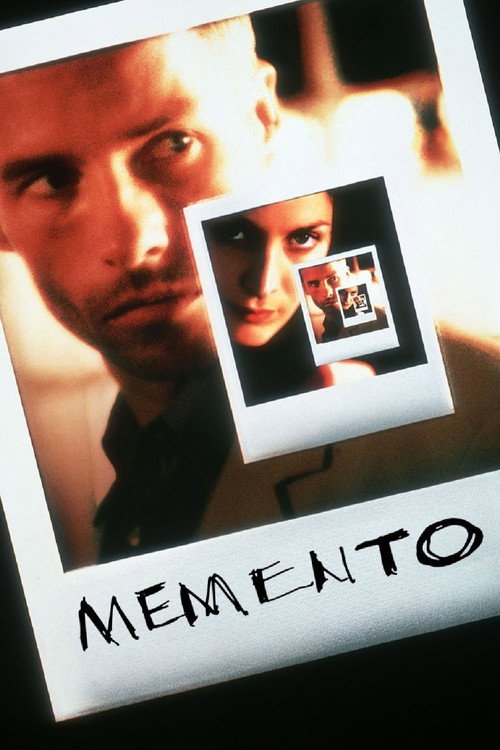
Memento2000
Nolan's follow-up refines everything Following pioneered: a protagonist with fractured perspective, a labyrinthine plot that rewards rewatching, and the sense that you're solving a puzzle alongside him. Hypnotic and formally brilliant.
But The backwards chronology can feel gimmicky on first watch, and the moral ambiguity of the ending frustrates viewers seeking catharsis.
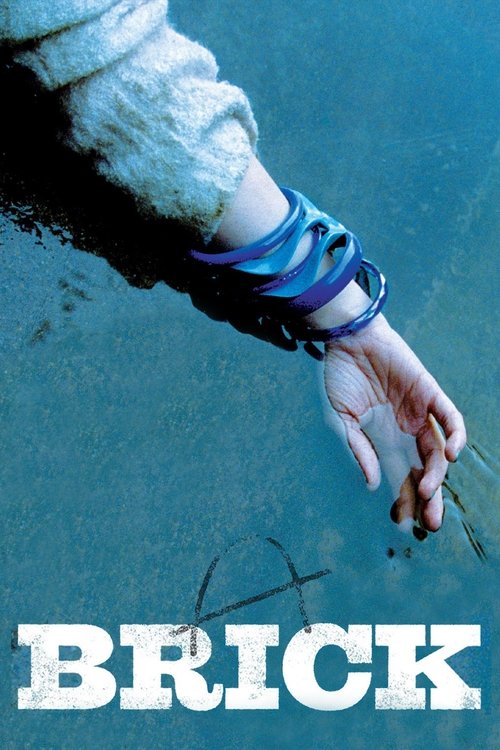
Brick2006
Rian Johnson's debut is similarly ingenious on a modest budget: a high school noir with a mystery that unfolds through obsessive following and observation. Same propulsive energy, different setting, equally rewarding.
But The 1940s detective speak layered over teen drama takes adjustment. If you're not buying the tone quickly, it'll feel silly.
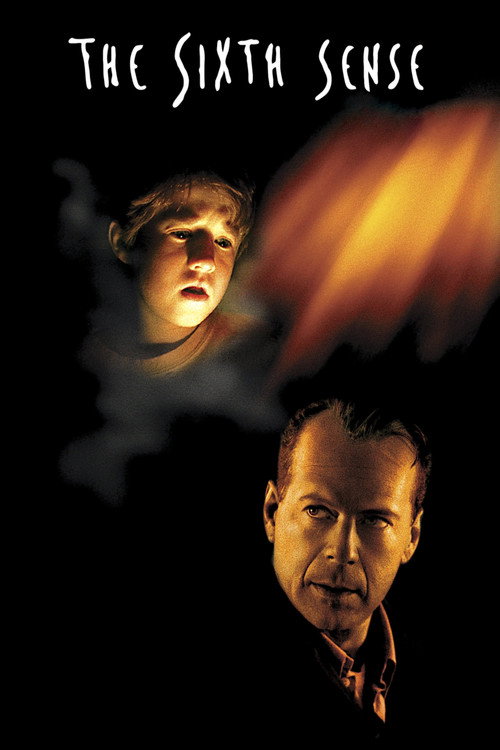
The Sixth Sense1999
Released the same year, it shares Following's economy of storytelling and its twist-driven architecture. A ghost story that respects your intelligence and rewards attention to detail.
But Once you know the ending, the mechanics become too visible. Repeat viewings flatten some of the initial magic.
Not sure tonight? Get a pick in a minute, starting from Following
The wildcard
Something you would not have found on your own.
In the Mood for Love2000
Both are essays in watching: Following watches the watcher, In the Mood for Love watches desire through frames. Both understand that observation is never innocent.
Wong Kar-wai's masterpiece about two neighbors discovering their spouses are having an affair. Following is about surveillance and assumption; this is about what desire and regret look like when watched in mirrors and shadows. Formally ravishing, and shares Following's economy of frame and gesture.
But If you need plot momentum, you'll hate it. The film moves at the speed of longing, not action. Some find it glacially paced.

More like this (7)
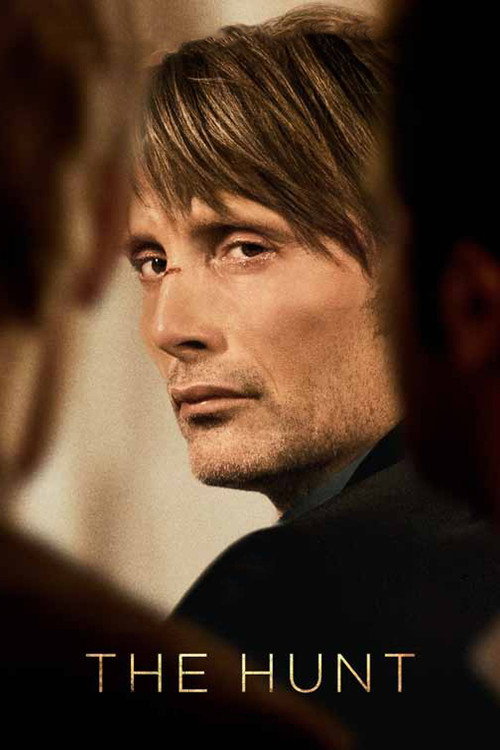
The Hunt2012
A Dogme 95 thriller about a man falsely accused and pursued. Like Following, it explores how quickly appearance and assumption become conviction, with mounting dread.
But It's a slow-burn social horror that never offers relief. The protagonist's torment is relentless and genuinely miserable.
Red Road2006
A CCTV operator becomes obsessed with a figure on her monitors, then follows him into the real world. Scottish, precise, and explores the corruption that comes from watching without context.
But The payoff is bleak. If you're watching for noir satisfaction or justice, you'll leave disappointed.

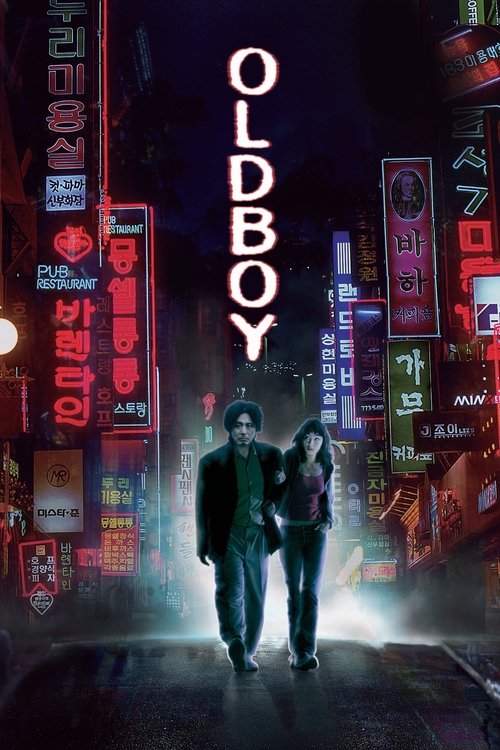
Oldboy2003
A man imprisoned for fifteen years is released and begins following his mysterious captor. Audacious, stylish, and builds to a revelation that recontextualizes everything you've watched.
But The violence is extreme and the third act contains one of cinema's most disturbing twists. Not for the squeamish or easily rattled.
Kes1970
Ken Loach's humanist classic follows a working-class boy discovering agency and escape. Following's DNA is here: close observation, economy, a protagonist trying to exist outside the world's expectations.
But It's a slow, small story about poverty and stalled futures. No plot pyrotechnics, just patient sadness.

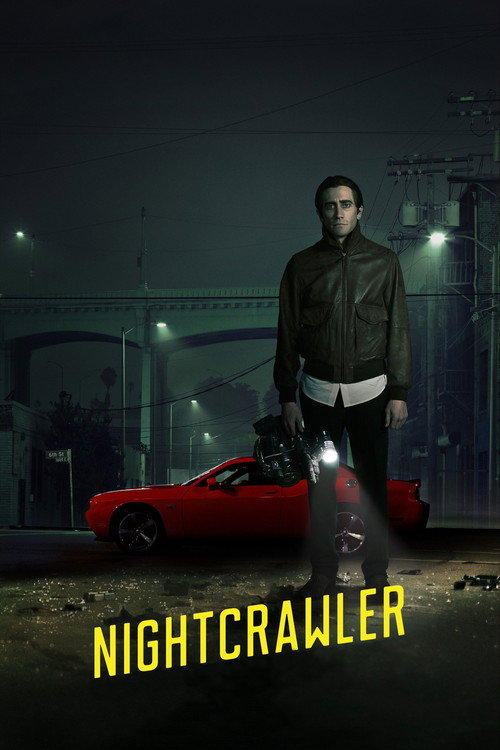
Nightcrawler2014
A striver hunts LA at night filming crime scenes for TV news. Jake Gyllenhaal's performance is magnetic, and the film shares Following's focus on a protagonist whose perception of reality is dangerously warped.
But It's a character study of a sociopath with zero redemption. The relentless awfulness can feel punishing rather than illuminating.
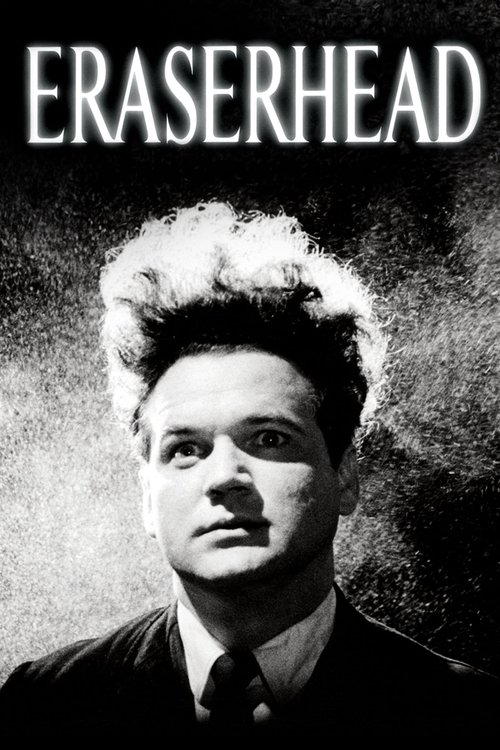
Eraserhead1977
Both are low-budget debuts shot in black-and-white that treat the city as a predatory space. Both understand that alienation has a texture.
David Lynch's nightmarish debut uses high-contrast black-and-white and fractured narrative to convey alienation and paranoia. Like Following, it's microscopically precise about dread, disorientation, and a man alone in a hostile city.
But It's dreamlogic, not plot. If you need coherence or explanation, Eraserhead becomes frustrating rather than fascinating. It's experimental and unapologetically strange.
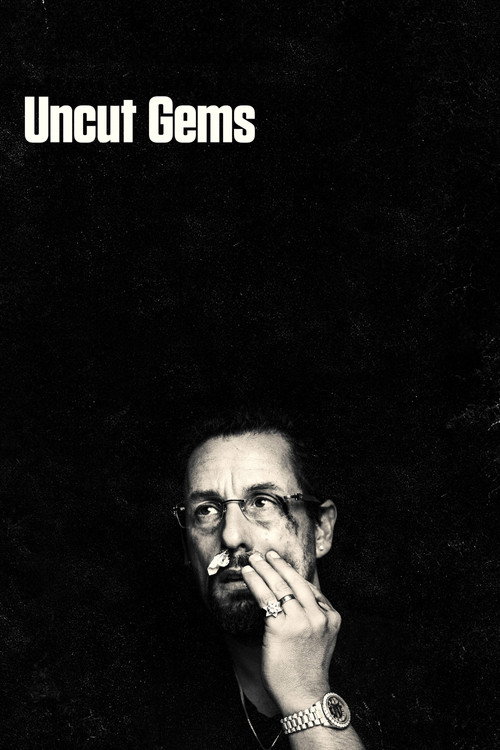
Uncut Gems2019
Both follow a flawed protagonist into deepening spiral, watching the moment he realizes he's in over his head. The addiction is to the momentum itself.
A Safdie Brothers fever dream about a New York jeweler's mounting paranoia and debt. Like Following, it's about a man whose obsessions and poor decisions accelerate into chaos. High-speed and propulsive where Following is deliberate, but the logic is identical: watch what happens when you cross the wrong line.
But It's deliberately exhausting. The film assaults you with noise, color, and frenetic editing. Some viewers find it anxious rather than entertaining.
People
Cast
 Jeremy TheobaldThe Young Man
 Alex HawCobb
 Lucy RussellThe Blonde
 John NolanThe Policeman
 Dick BradsellThe Bald Guy
- Gillian El-KadiHome Owner
- Jennifer AngelWaitress
- Nicolas CarlottiBarman
- Darren OrmandyAccountant
- Guy GreenwayHeavy #1
- Tassos StevensHeavy #2
- Tristan MartinMan at Bar
Directing
- Christopher NolanDirector
Writing
- Christopher NolanWriter
Production
- Peter BroderickExecutive Producer
- Christopher NolanProducer
- Emma ThomasProducer
- Jeremy TheobaldProducer