
Film
A Thousand Words
- Comedy
- Magical realism
- Light-hearted
Eddie Murphy plays a motor-mouthed literary agent cursed by a magical tree: each word he speaks costs him a leaf, and when they're gone, so is he. It's a high-concept fantasy-comedy that treats its premise seriously, blending Murphy's gift for physical comedy with genuine stakes and surprisingly tender moments about family and redemption. For anyone who likes Murphy but wants something with actual heart.
If you liked this
Click2006
Adam Sandler plays a man with a remote that controls time, and like A Thousand Words, it wraps a fantastical conceit around genuine emotional devastation. Both films surprise you by actually meaning something beneath the premise.
But It's manipulative in its sentiment, and Sandler's performance can feel one-note compared to Murphy's specificity. Some find the tonal whiplash exhausting.

Liar Liar1997
Jim Carrey as a lawyer who cannot lie—another magical constraint that forces a motormouth to confront who he actually is. The ingenuity of how he works around the rules mirrors Murphy's problem-solving here.
But Carrey's performance is so broad it borders on assault. The '90s comedy styling feels ancient now, and the emotional beats can feel saccharine.

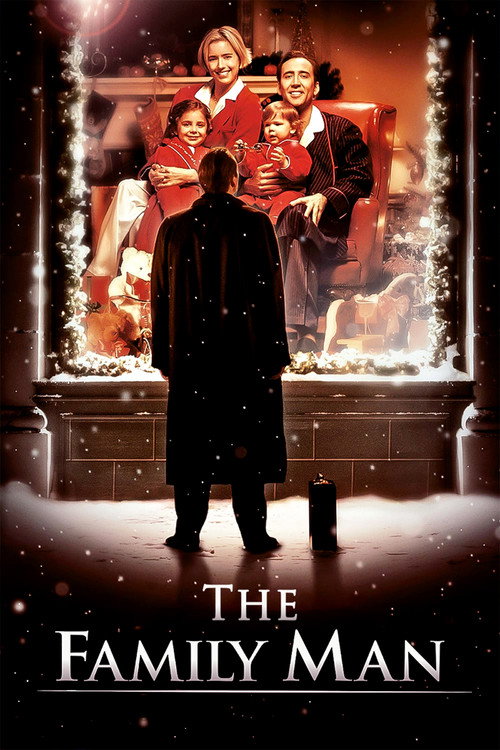
The Family Man2000
Nicolas Cage gets a glimpse of the life he didn't choose, forcing him to reckon with ambition versus connection. Both films traffic in wish-fulfillment-as-comeuppance, and both find real poignancy in the comedown.
But It's deeply conventional in its messaging about what matters. The fantasy elements exist only to serve the moral lesson, which some find preachy.
Not sure tonight? Get a pick in a minute, starting from A Thousand Words
The wildcard
Something you would not have found on your own.
Synecdoche, New York2008
Both use an impossible circumstance (tree, theatre) as a mirror: the protagonist cannot escape their own nature, and the magic is really just consequence made visible.
Charlie Kaufman's masterpiece about a theatre director whose life collapses as he builds an increasingly elaborate stage replica of it. Like A Thousand Words, it's about a man watching his creation consume him, and both use fantasy logic to explore real grief and ego. This is where the high-concept heartbreak lives.
But It's deliberately oblique and demands multiple viewings. Kaufman's register is bleak and unflinching; there's no warmth here, only excavation. It can feel punishing to watch.

More like this (8)
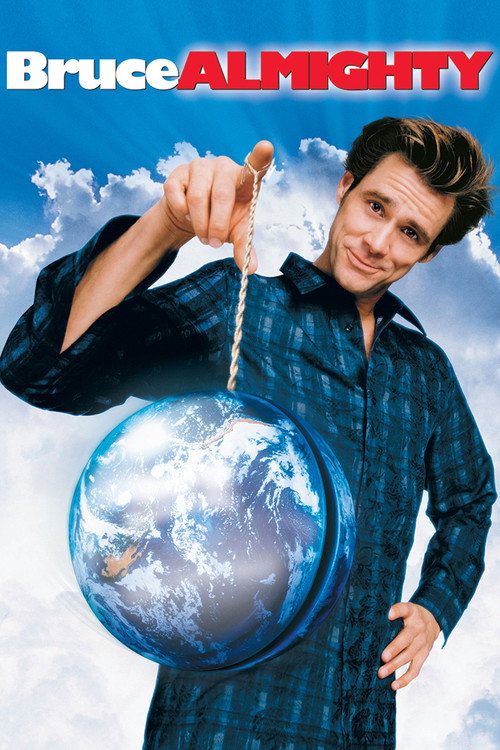
Bruce Almighty2003
Jim Carrey as a man given divine powers learns restraint and empathy. Like Murphy's tree, it's a constraint that forces self-examination, and it finds genuine warmth without abandoning the comedy.
But The religious framework won't work for everyone, and Carrey's performance can feel scattered. It occasionally mistakes volume for humor.
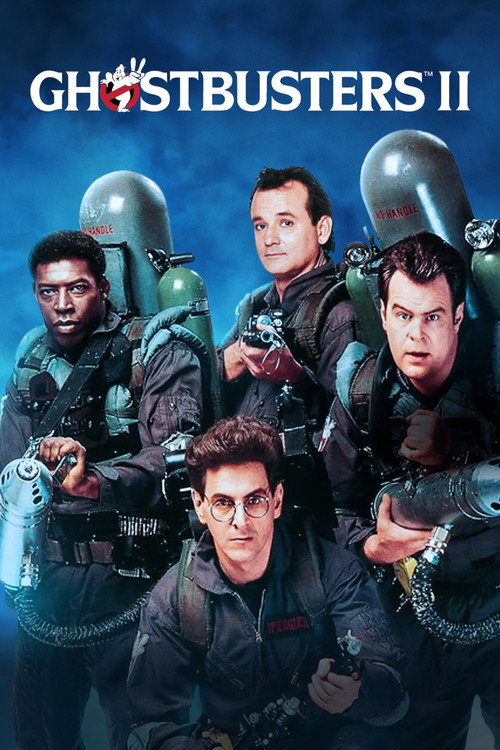
Ghostbusters II1989
Eddie Murphy in a supporting role as the wisecracks get grounded by actual stakes. It shows Murphy in ensemble mode, playing off brilliant comedians, with the same blend of humor and consequence.
But It's a sequel to a perfect film and never quite justifies itself. Some find it a step down from the original in almost every way.
The Secret Life of Walter Mitty2013
Ben Stiller plays an unassuming man forced out of his head and into the world. Both films explore how constraint—whether magical or circumstantial—can force genuine transformation and connection.
But It's a fantasy about itself in a way that feels self-congratulatory. The visual spectacle sometimes overwhelms the character work.

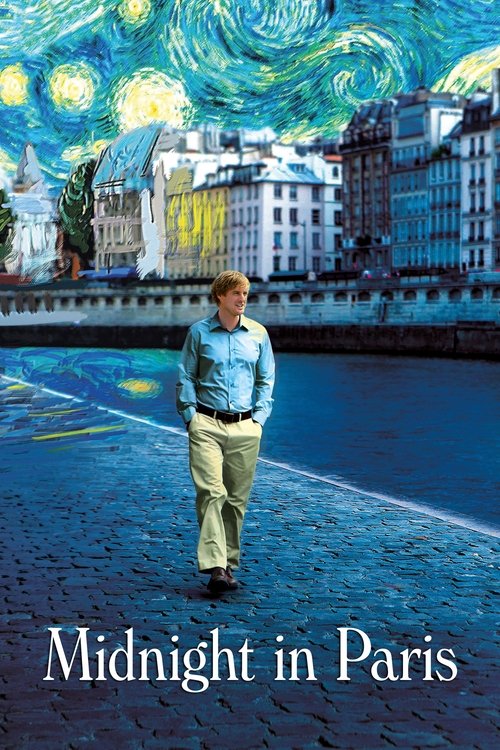
Midnight in Paris2011
Owen Wilson stumbles into a magical adventure that forces him to choose between fantasy and reality. Like A Thousand Words, it uses the impossible to explore what we actually want from life.
But Woody Allen's nostalgia can feel precious and exclusionary. The philosophical questions get sidelined by rom-com plotting.
Stranger Than Fiction2006
Will Ferrell as an IRS auditor discovers he's a character in a novel, and he must find the author to change his ending. Both films use absurdist premises to explore free will, agency, and the stories we tell about ourselves.
But It's quirky in a way that feels calculated. Some find the metafictional elements exhausting rather than clever.

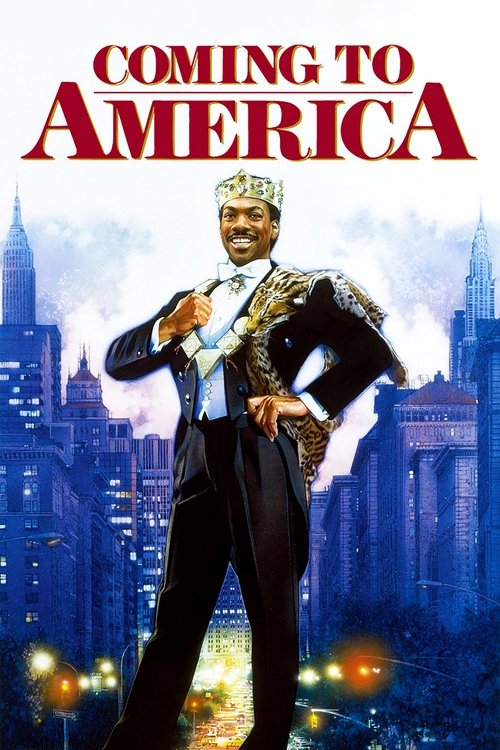
Coming to America1988
Murphy at his comic peak, playing multiple roles with precision and warmth. You'll see the performer Murphy could be at his best: generous with scene partners, committed to character over just being funny.
But It's a product of the '80s in ways that have aged poorly, and some of the humor relies on tropes now understood differently. The romance feels thin compared to the comedy.
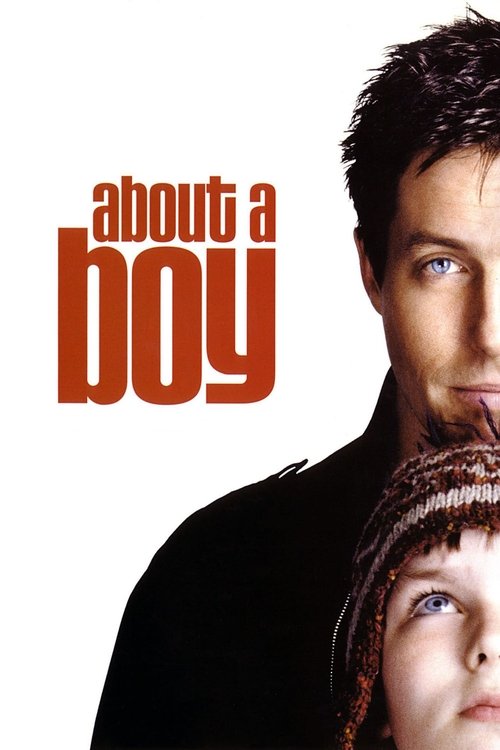
About a Boy2002
Both are about men who talk too much—or live too selfishly—forced by circumstance into real vulnerability. Both suggest that stopping, listening, and showing up is the actual magic.
Hugh Grant plays a man-child forced into real connection with a troubled boy and his mother. It has Murphy's blend of comedy and genuine feeling, but it trusts the emotion completely. The humor serves the character work rather than replacing it.
But It's resolutely British in its restraint. American audiences sometimes find it too quiet, too comfortable with ambiguity about whether the protagonist has truly changed.
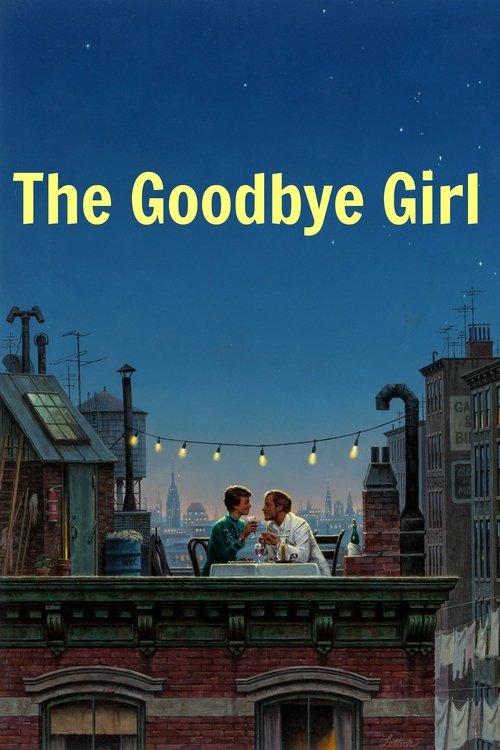
The Goodbye Girl1977
Both believe that real connection requires you to stop performing, and both use comedy as the language of people learning to be honest. Both are genuinely about that, not just claiming to be.
Richard Dreyfuss and Marsha Mason in a scrappy New York love story that's funny and sad in equal measure. It shares A Thousand Words' warmth and its belief that comedy and heartbreak are not opposites. Older, stranger, and funnier than you'd expect.
But It's a '70s relationship drama; the gender politics are what they are. The pacing is deliberate in a way modern audiences sometimes read as slow, and the sentimentality is unironic.
People
Cast
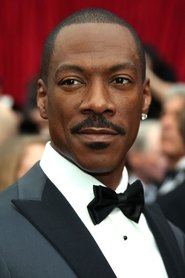 Eddie MurphyJack McCall
 Kerry WashingtonCaroline McCall
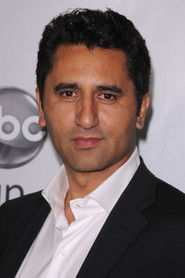 Cliff CurtisDr. Sinja
 Clark DukeAaron Wiseberger
 Allison JanneySamantha Davis
 Ruby DeeAnnie McCall
 Alain ChabatChristian Leger de la Touffe
 Jill BaseyWoman in Starbucks
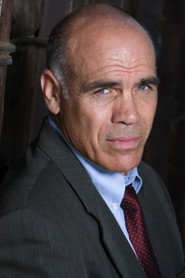 Greg CollinsConstruction Worker
 Edi PattersonYoung Female Agent
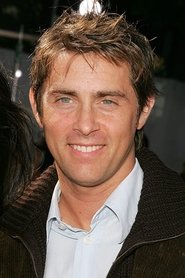 John GatinsValet
 Tracy MulhollandYoung Student
Directing
- Brian RobbinsDirector
- Lars P. WintherFirst Assistant Director
Writing
- Steve KorenWriter
Production
- Juel BestropCasting
- Seth YanklewitzCasting
- Alain ChabatProducer
- Brian RobbinsProducer
- Nicolas CageProducer
- Norman GolightlyProducer
- Sharla SumpterProducer
- Stephanie DananProducer