
Television series
To Tell the Truth
- Mystery
- Light-hearted
- Dip in and out
A deceptively simple game show where celebrity panelists interrogate three contestants to identify the one telling the truth about their extraordinary profession or experience. It's a masterclass in reading people, quick wit, and the particular charm of 1950s television—where the pleasure comes from watching clever people think on their feet. For anyone who loves conversation, observation, and the bygone art of the panel show.
Should you watch it?
Watch it if you enjoy quick-witted people sharpening their instincts on a simple premise, and you like the sly pleasure of catching a fib before anyone else does.
Skip it if you want a drama with a through-line, since each half-hour rebuilds the same setup from scratch and the panel's banter carries most of the weight.
What it asks of you: Half an hour of steady guessing and questioning; you sit back and play along, and the fun lives in small tells rather than any story arc.
Not sure? Find tonight's pick in a minute.
If you liked this
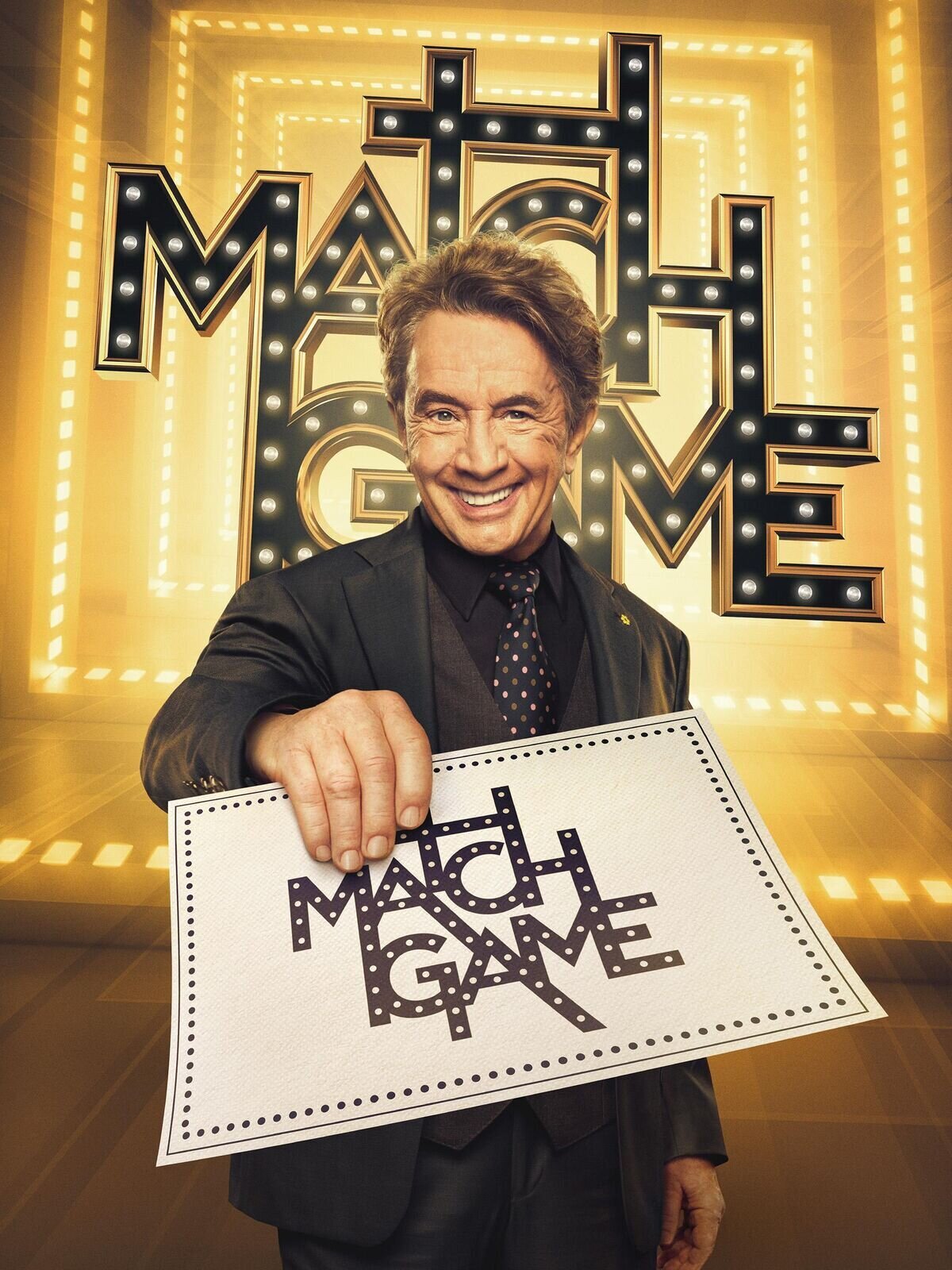
Match Game2016
The DNA of modern game shows: celebrities riffing, inside jokes building across episodes, the host as ringmaster. It has the same improvisational energy and the same appeal—watching bright people be funny under minimal pressure.
But If you're looking for high stakes or drama, this is pure socializing. The games themselves are almost secondary to the banter.
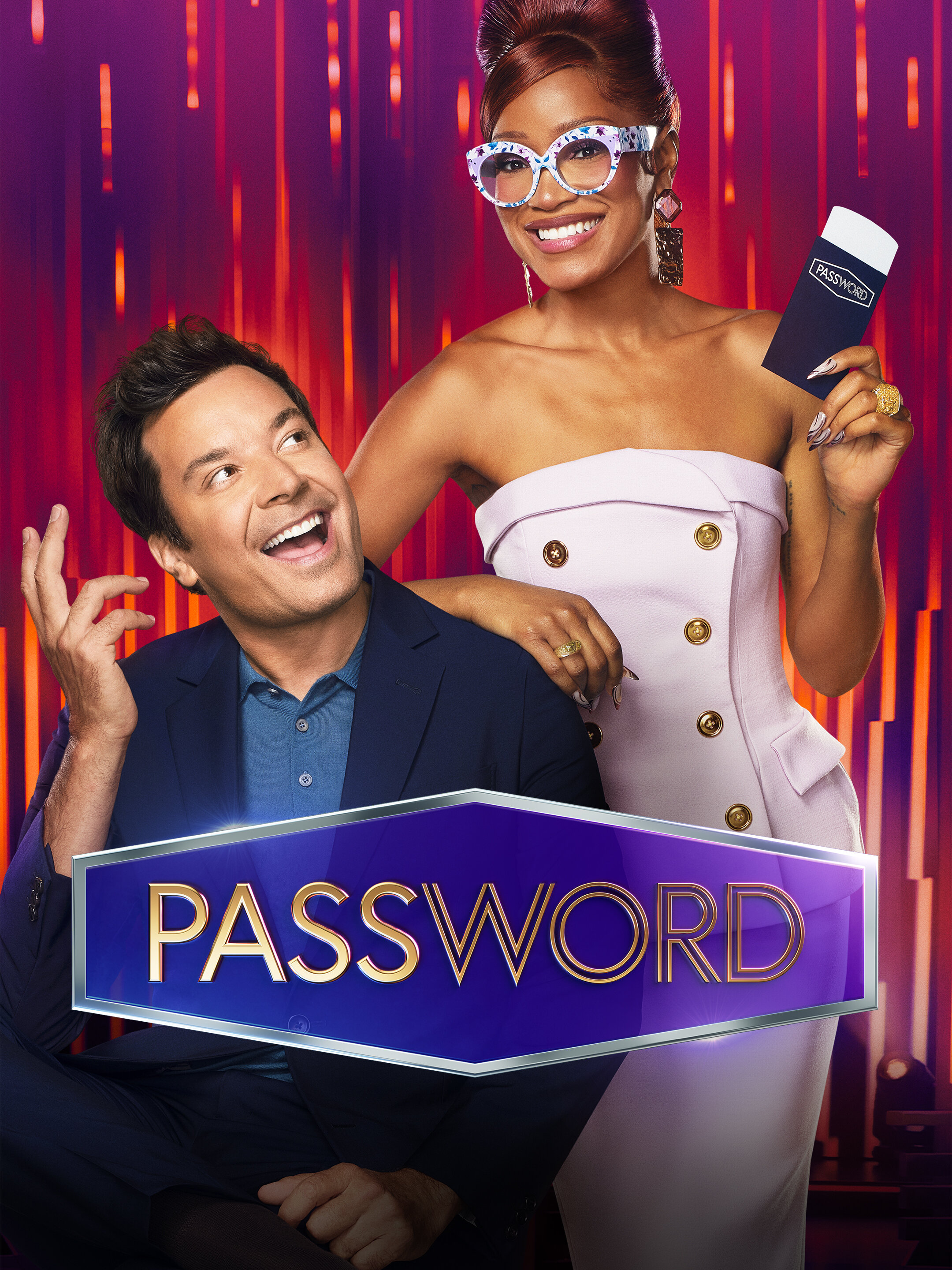
Password2022
Another Allen Ludden triumph, built on the same principle: celebrities and civilians partnering to decode clues. It's intimate, collaborative, and endlessly rewatchable because every pairing creates different chemistry.
But The format is narrow. Once you've watched a few rounds, you understand the entire premise—it just repeats with different words.
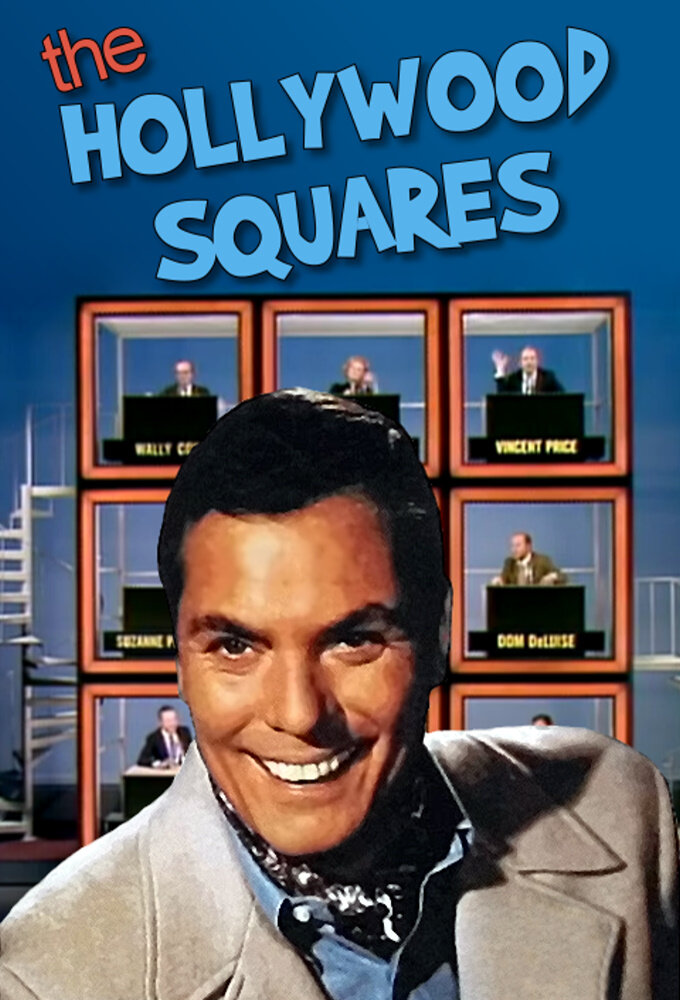
The Hollywood Squares1966
Tic-tac-toe played by celebrities giving absurd answers to trivia questions. It's silly in the best way, with Peter Marshall as the perfect straight man to a grid of comedians. Pure, unguarded fun.
But The humor is broad and occasionally creaky by modern standards. If you need clever over loud, you'll find stretches where it tests your patience.
Not sure tonight? Get a pick in a minute, starting from To Tell the Truth
The wildcard
Something you would not have found on your own.
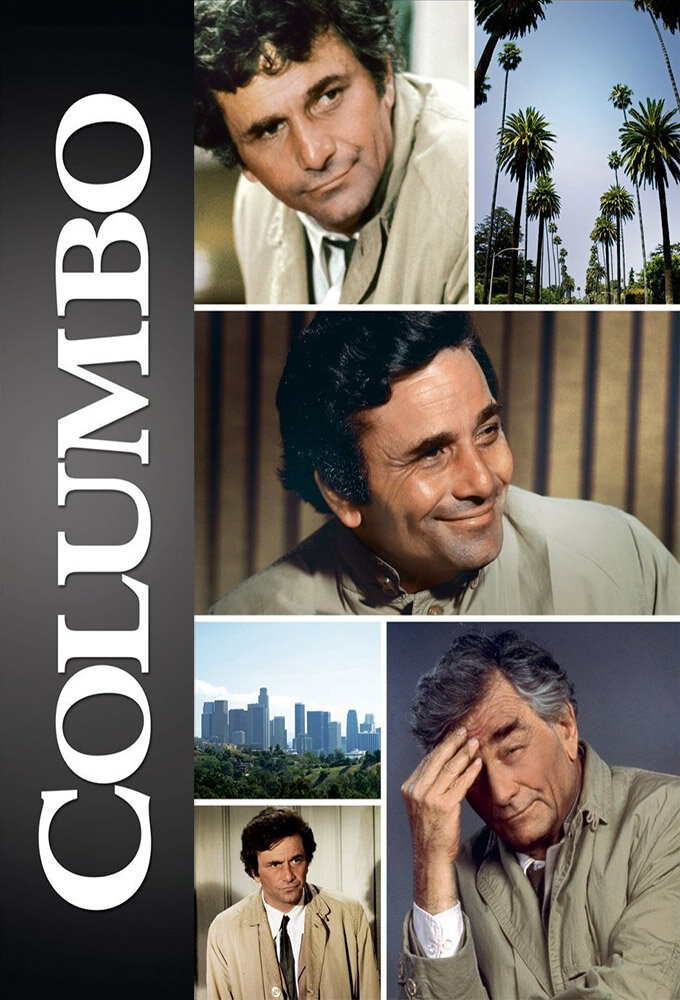
Columbo1968
Both are built on the architecture of interrogation: a questioner trying to separate truth from performance, watching for the microexpressions and slips that reveal what people are hiding.
Peter Falk's detective interrogates suspects, and the entire game is about reading people and catching liars. It's To Tell the Truth with murder and stakes—the same pleasure of watching someone unearth the truth through conversation, but transformed into gripping drama. You're watching the panel game become art.
But It's a full narrative, not pure observation. If you want to watch civilians being questioned for fun, this gets heavy with plot and consequence.
More like this (4)
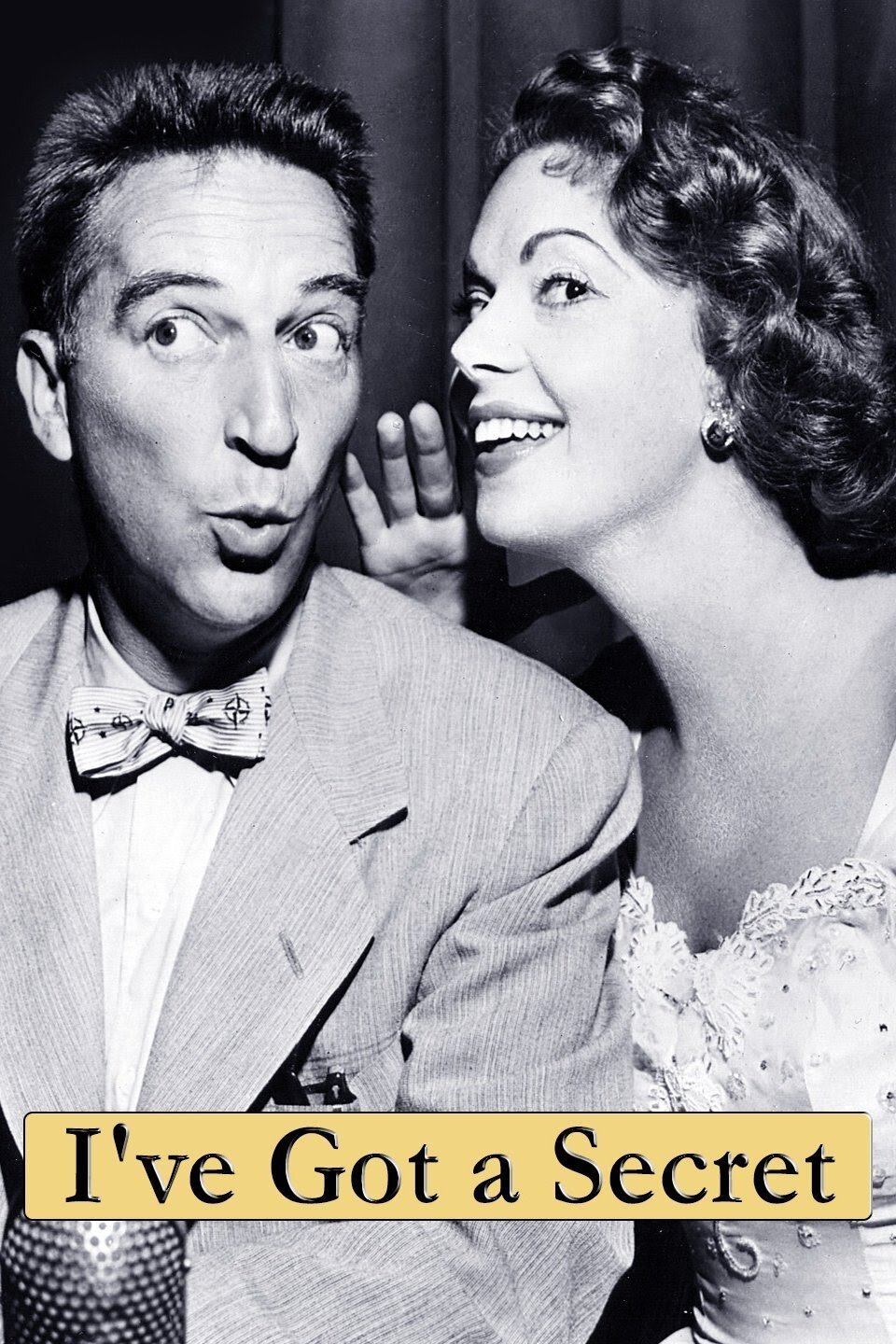
I've Got a Secret1952
The closest cousin to To Tell the Truth, where celebrities try to guess a guest's unusual secret or skill. Same panel, same era, same elegant constraint—minimal production, maximum personality.
But The pacing is slow by modern standards. Silences that once felt thoughtful now feel like dead air.
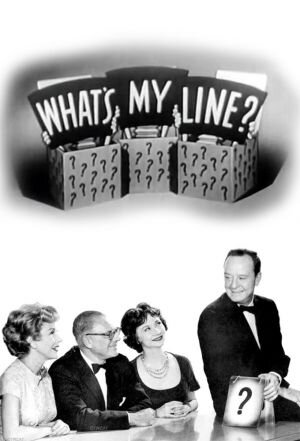
What's My Line?1950
The granddaddy of the genre. Panelists guess contestants' professions through yes-or-no questions. It's the template all others followed, done with real style and surprising intelligence.
But Because it's the original, it sometimes feels less zippy than what came after—the format hadn't yet been perfected.
Liar Game2007
Both make their entire runtime from the human act of reading faces and voices to detect deception, but Liar Game weaponizes it.
A Japanese psychological thriller where contestants are forced to lie and bluff their way through games for enormous money. It takes the panel show format—reading people, determining who's telling the truth—and makes it sinister, desperate, and genuinely unsettling. Mesmerizing.
But It's intense and morally dark. The fun of To Tell the Truth comes from innocence; this pulses with paranoia and cruelty.

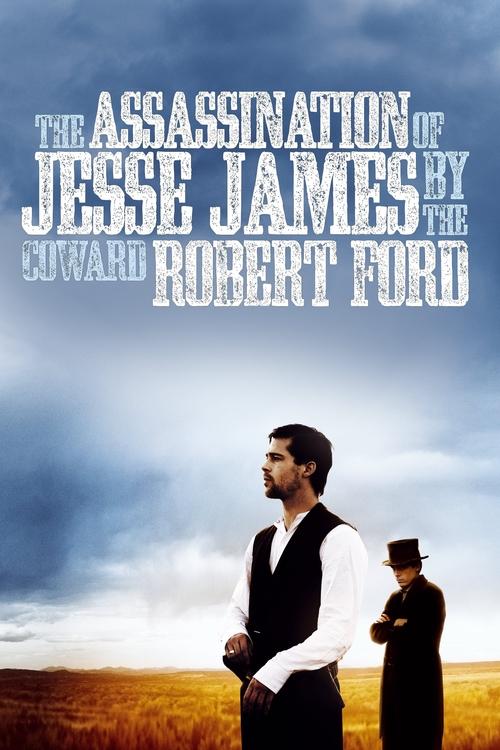
The Assassination of Jesse James by the Coward Robert Ford2007
Both are built around the act of looking at someone's face and trying to divine the truth beneath the surface—except here the stakes are life and death, and the camera holds the stare for an unbearable length of time.
A Western built on the slow, obsessive study of one man watching another, trying to understand what he's thinking, what he's about to do. It's patient and meditative in a way most films aren't—pure observation of performance and authenticity. You're watching someone try to read the truth in another person's stillness.
But It's glacially slow. If you need plot momentum or action, this will feel like three hours of staring. Some find it hypnotic; others find it tedious.
People
Cast

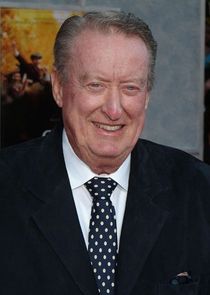



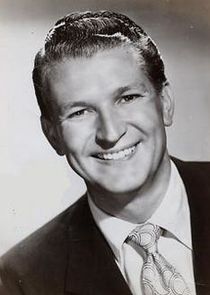 Bud CollyerHost
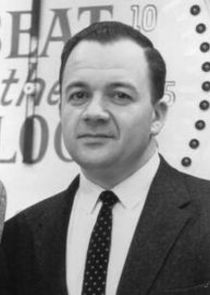 Bern BennettAnnouncer