
Television series
Three's Company
Three's Company is door-slamming farce built on one absurd, era-defining premise: a straight man pretends to be gay so his landlord will let him live platonically with two women. It's broad, silly, laugh-track comedy powered by John Ritter's rubber-limbed pratfalls and constant mishearings. Watch it as pure slapstick and as a time capsule of what counted as scandalous on 1977 network TV.
If you liked this
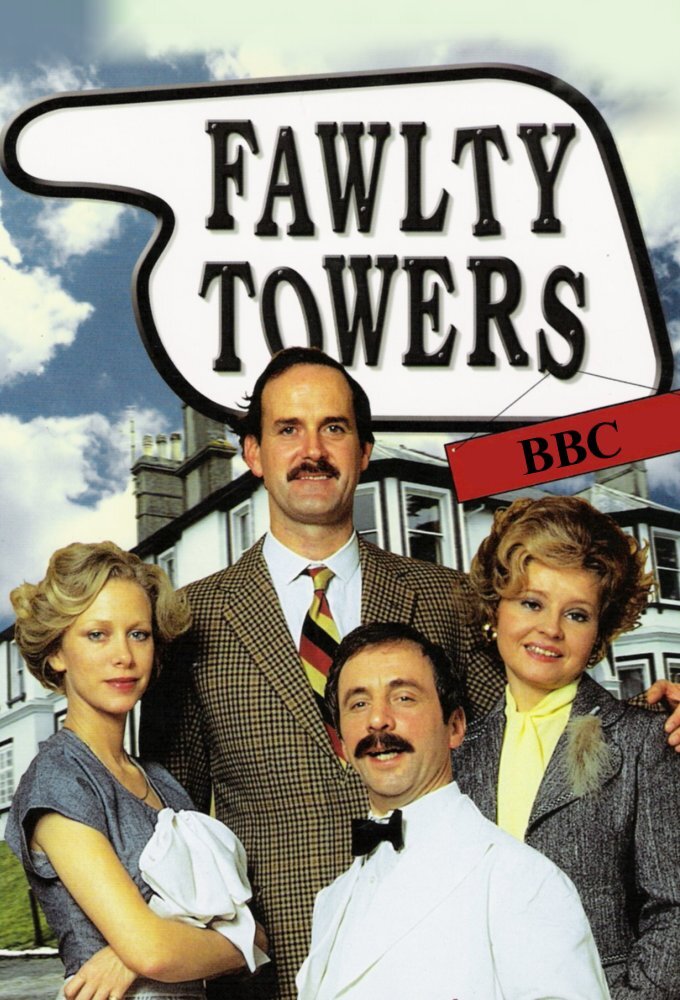
Fawlty Towers1975
Cleese's hotel farce runs on the same fuel as Jack's living room: escalating lies, terrible timing, and doors slamming at exactly the wrong moment. Tighter, meaner, and even more physical.
But Only twelve episodes exist, and Basil's cruelty toward everyone around him is a rawer nerve than Jack's fibs ever pull.
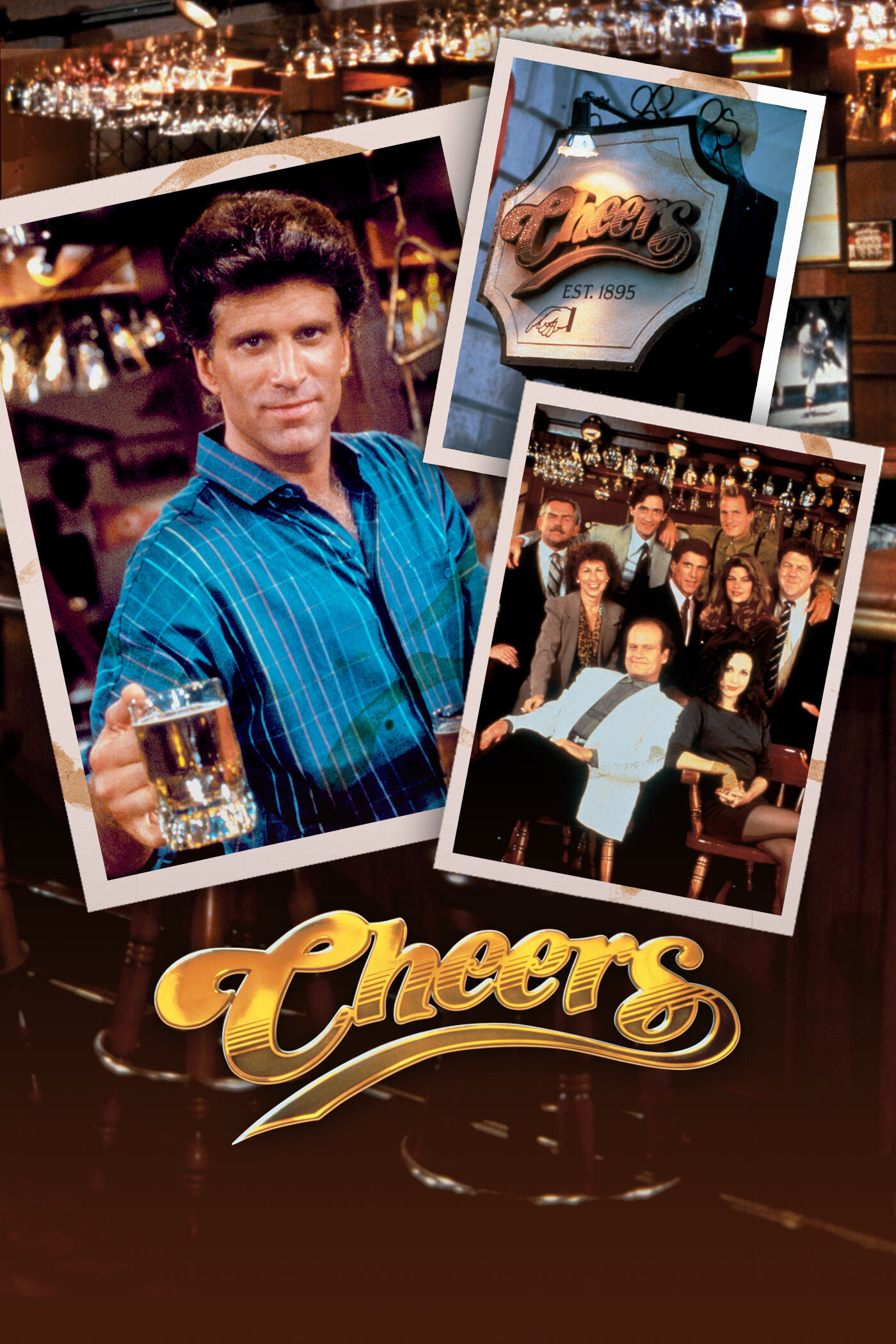
Cheers1982
Same late-70s/80s ensemble warmth, traded pratfalls for barroom banter. If you loved the found-family vibe of the apartment, the bar delivers the same comfort with sharper dialogue.
But Slower-paced and wittier than wacky — if you came for slapstick, you'll be waiting a while.
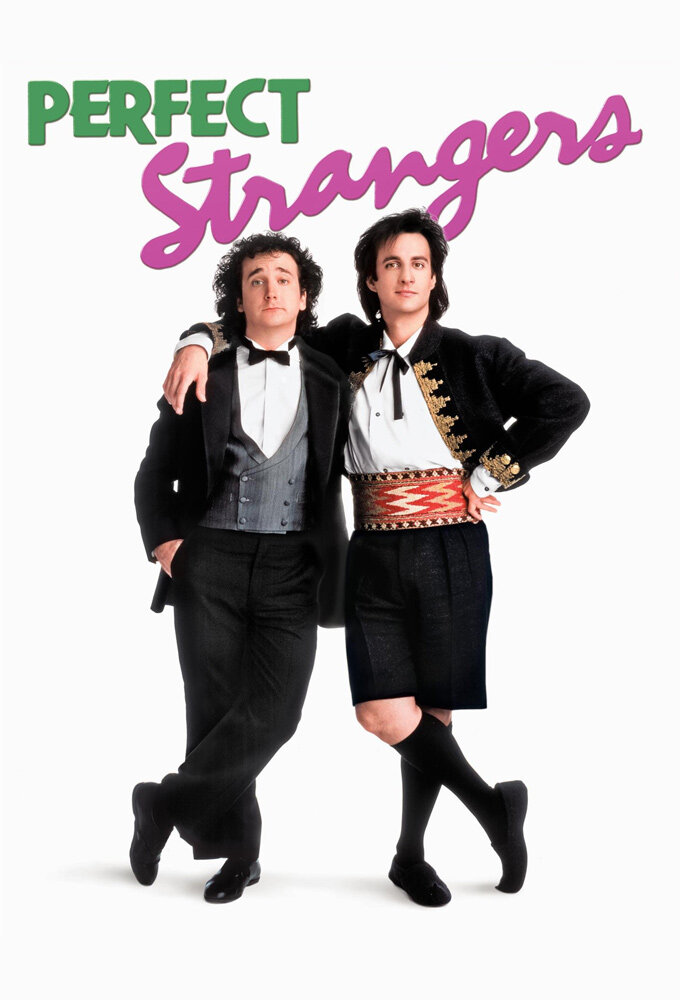
Perfect Strangers1986
Another odd-couple roommate sitcom from the same ABC stable, built on culture-clash misunderstanding instead of gender panic. Balki and Larry have their own goofy, endearing chemistry.
But Leans sweeter and less risqué — the edge that made Three's Company scandalous is mostly gone.
The wildcard
Something you would not have found on your own.
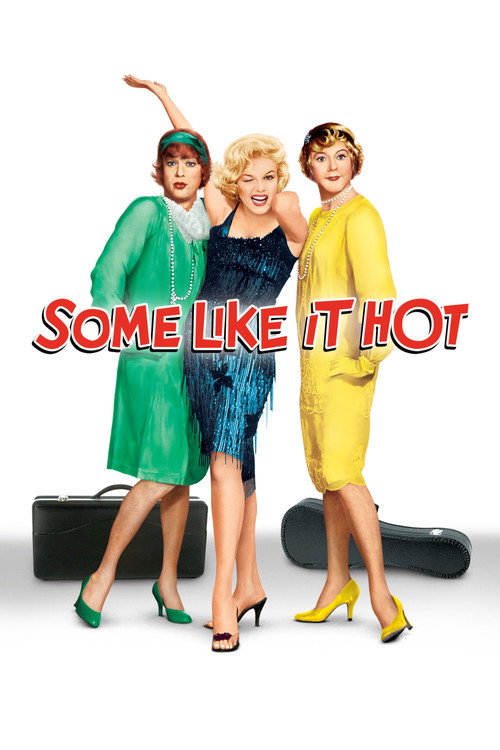
Some Like It Hot1959
Jack fakes being gay to live with two women; here two men fake being women to hide from the mob. Same engine — assumed identity as survival, plus every door-slam consequence — decades before network TV dared touch it.
Two musicians dress as women to escape gangsters, and Marilyn Monroe steals every scene — sharp, fast, and possibly the funniest gender-disguise farce ever made.
But Black and white and forty years older; expect a different comic rhythm than laugh-track sitcom pacing.
More like this (8)
Coupling2000no page yet
British, filthier, and structurally clever — misunderstandings pile up with near-mathematical precision. If Chrissy's mishearings delighted you, this turns miscommunication into an art form.
But Dialogue-heavy and fast; it wants your full attention rather than letting you fold laundry while it plays.
Who's the Boss?1984no page yet
Another ABC gender-role sitcom built on a premise designed to raise eyebrows — a male housekeeper in a female-headed household. Same decade, same appetite for mild scandal.
But Gentler and more sentimental than Company; the innuendo is toned down considerably by comparison.
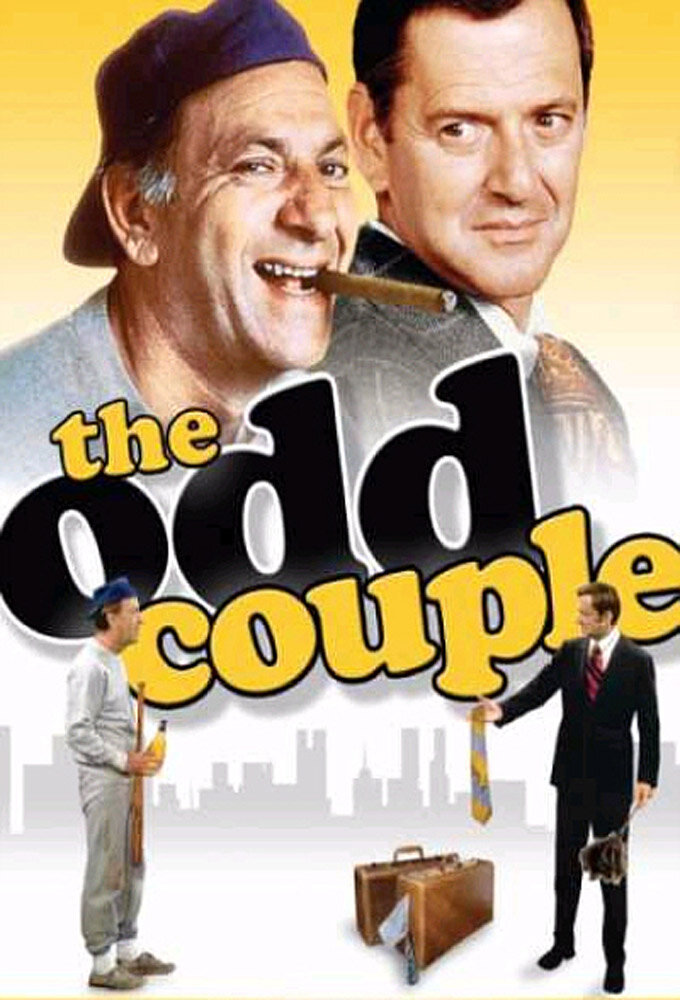
The Odd Couple1970
The roommate-mismatch template Three's Company borrowed and gender-flipped, with Tony Randall and Jack Klugman proving two clashing personalities under one roof is comedy gold on its own.
But No women in the main cast and no innuendo — a different, more restrained kind of funny.
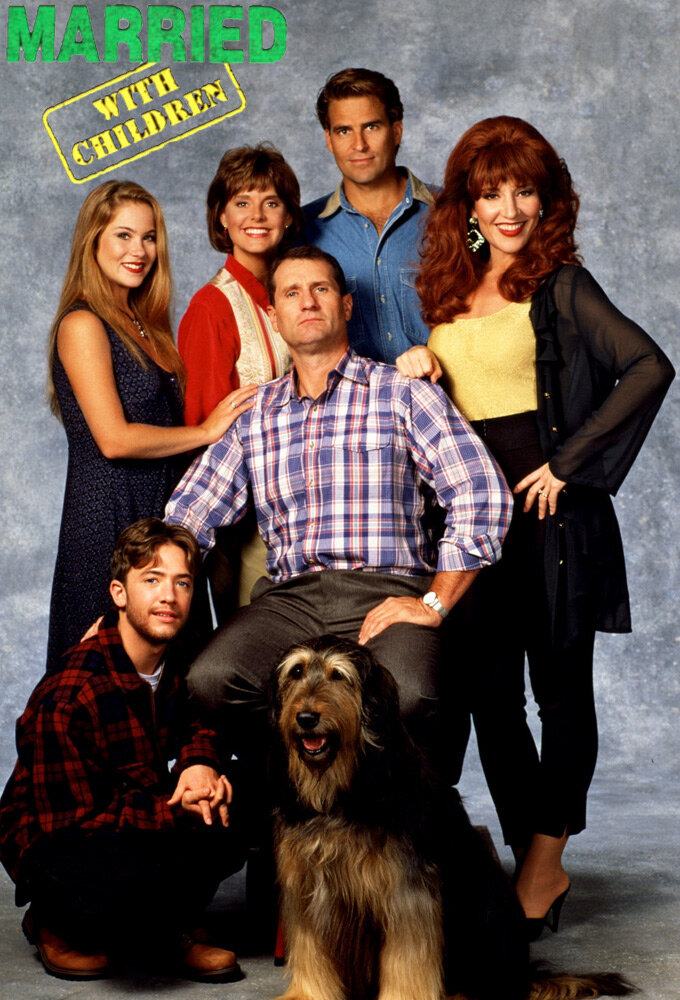
Married... with Children1987
If you liked how far Three's Company pushed network censors, this pushes further — cruder, meaner, unapologetically raunchy, with a laugh track that never lets up.
But Nastier in spirit; the characters aren't likeable so much as gleefully awful, which won't be everyone's taste.
It's Always Sunny in Philadelphia2005
The modern heir to the scheme-and-misunderstanding engine, cranked to a much darker, filthier register. Plans go wrong with the same comic inevitability as Jack's lies.
But Deliberately abrasive and morally bankrupt in a way that's a world away from the show's sunny sitcom heart.

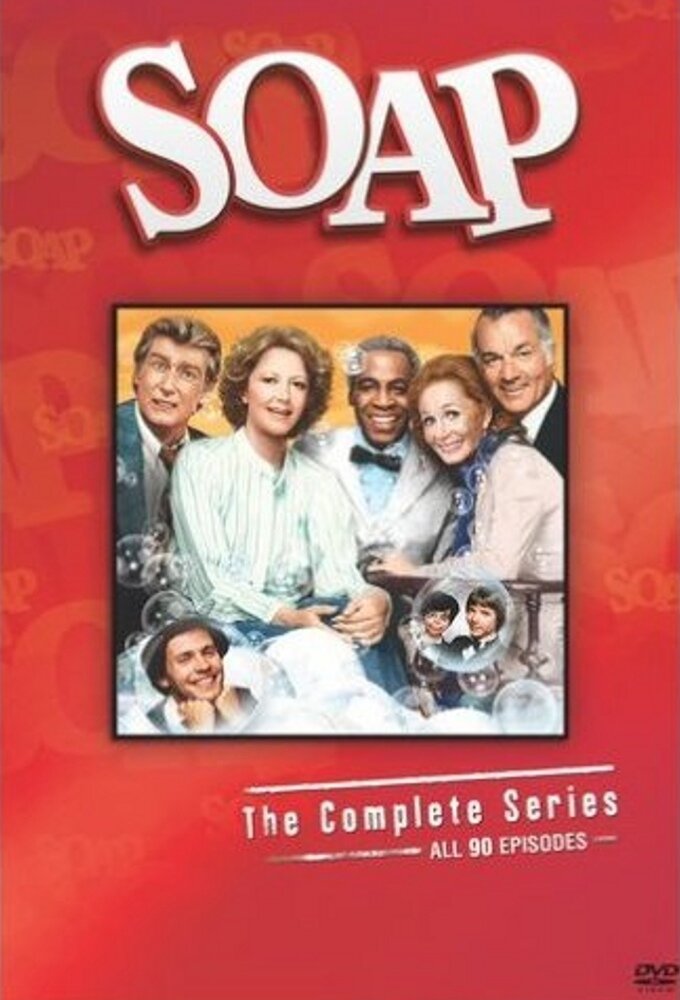
Soap1977
Same year, same network appetite for controversy, but soap-opera plots instead of roommate farce — affairs, murder, a possibly-alien baby. Wilder and stranger than anything Jack got up to.
But Ensemble-heavy serialized plotting is a bigger commitment than the standalone-episode comfort of Company.
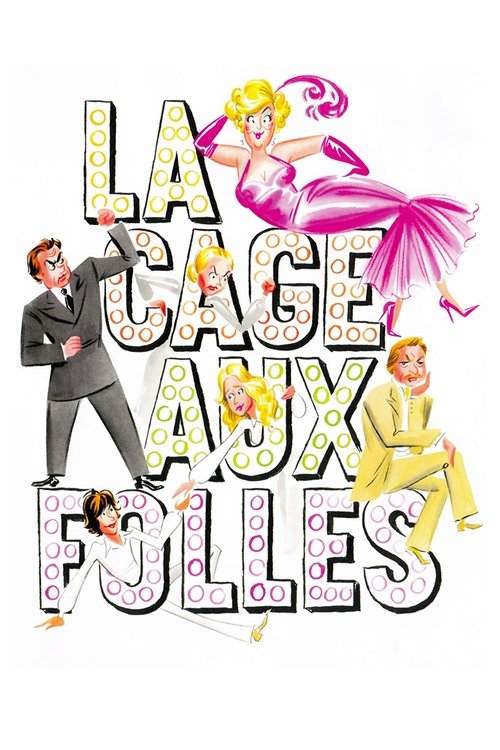
La Cage aux Folles1978
Made the same year Three's Company was mining fake-gay-panic for laughs, this points the same farce machinery at real gay characters instead of a punchline, and finds genuine warmth there.
A French farce about a gay nightclub owner and his partner scrambling to appear straight for a visiting in-law — warmer, wilder, and far more tender toward its gay characters than most of its era.
But Subtitled and unhurried by American sitcom standards, with a soft heart under the chaos that some farce fans won't expect.
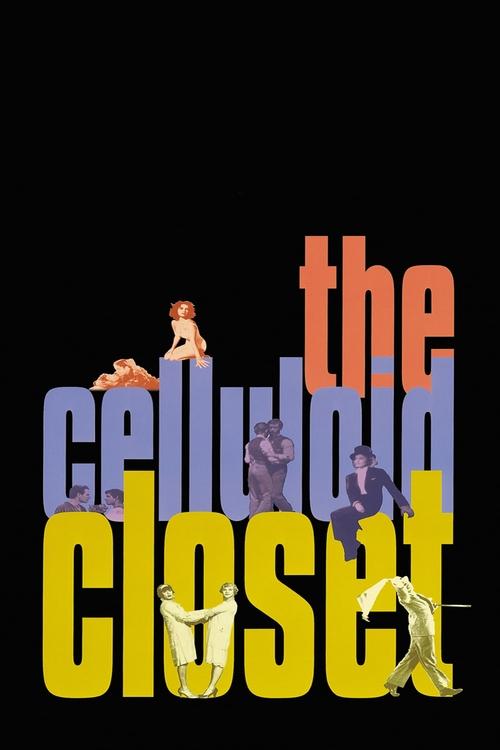
The Celluloid Closet1996
Directly examines the trope Three's Company built a decade of episodes on — straight man 'performing gay' for laughs — and asks what that performance cost the people it was borrowed from.
A clear-eyed documentary tracing a century of Hollywood's uneasy, often mocking relationship with gay characters — funny, sad, and eye-opening about exactly the kind of joke Jack's premise depends on.
But A serious, sometimes sobering film essay, not a comedy — a real tonal U-turn from anything sitcom-shaped.
People
Cast









Writing
- Al GordonExecutive Story Editor
- Alan J. LevittExecutive Story Editor
- Charles StewartExecutive Story Editor
- Chet DowlingExecutive Story Editor
- Ellen GuylasExecutive Story Editor
- Jack MendelsohnExecutive Story Editor
- Mark TuttleExecutive Story Editor
- Mike WeinbergerExecutive Story Editor
- Sandy KrinskiExecutive Story Editor
- David MirkinStory Editor
- Ellen GuylasStory Editor
Production
- Mimi SeawellAssociate Producer
- Wendy BlairAssociate Producer
- Bernard WestExecutive Producer
- Budd GrossmanExecutive Producer
- Don NichollExecutive Producer
- George BurdittExecutive Producer
- Michael RossExecutive Producer
- Bernard WestProducer
- Bill RichmondProducer
- Don NichollProducer
- Gene PerretProducer
- George BurdittProducer
- George SungaProducer
- John BaskinProducer
- Joseph StaretskiProducer
- Martin RipsProducer
- Michael RossProducer
- Roger ShulmanProducer