Television series
Stairway to Heaven
A sweeping Korean melodrama about childhood sweethearts torn apart by tragedy, betrayal, and cruel circumstance. *Stairway to Heaven* traffics in the heightened emotional register that defined early-2000s K-dramas: amnesia, terminal illness, scheming rivals, and the kind of tearful devotion that makes you believe love is worth suffering for. It's hypnotic if you're in the mood to feel everything intensely.
Should you watch it?
Watch it if you love old-fashioned melodrama where a childhood bond gets tested by jealousy, rivals, and fate, and you don't mind the coincidences if the longing feels earned.
Skip it if you want restraint or a story that stays grounded; this leans hard on tearful misunderstandings, stepfamily scheming and rivalry, and its sheer length can feel punishing.
What it asks of you: Twenty hour-long episodes, so a real commitment; the pace is unhurried, the emotions run high and stay there, and it rewards patience with your full attention.
Not sure? Find tonight's pick in a minute.
If you liked this
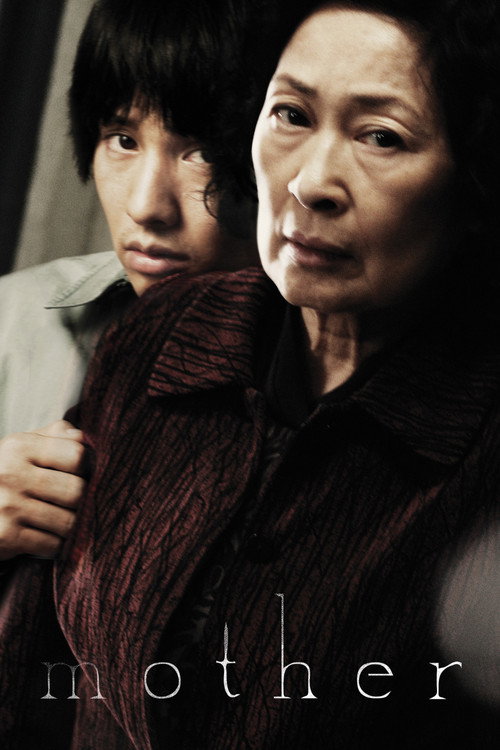
Boys over Flowers2009
The gold standard of Korean melodrama, with a similar alchemy of class conflict, romance, and rivals. If you want that same emotional sweep but with sharper dialogue and more charisma, this is the obvious next step.
But Twelve episodes felt like enough in 2003; twenty-five of them here can drag. The wealthy-poor dynamic plays very familiar now.
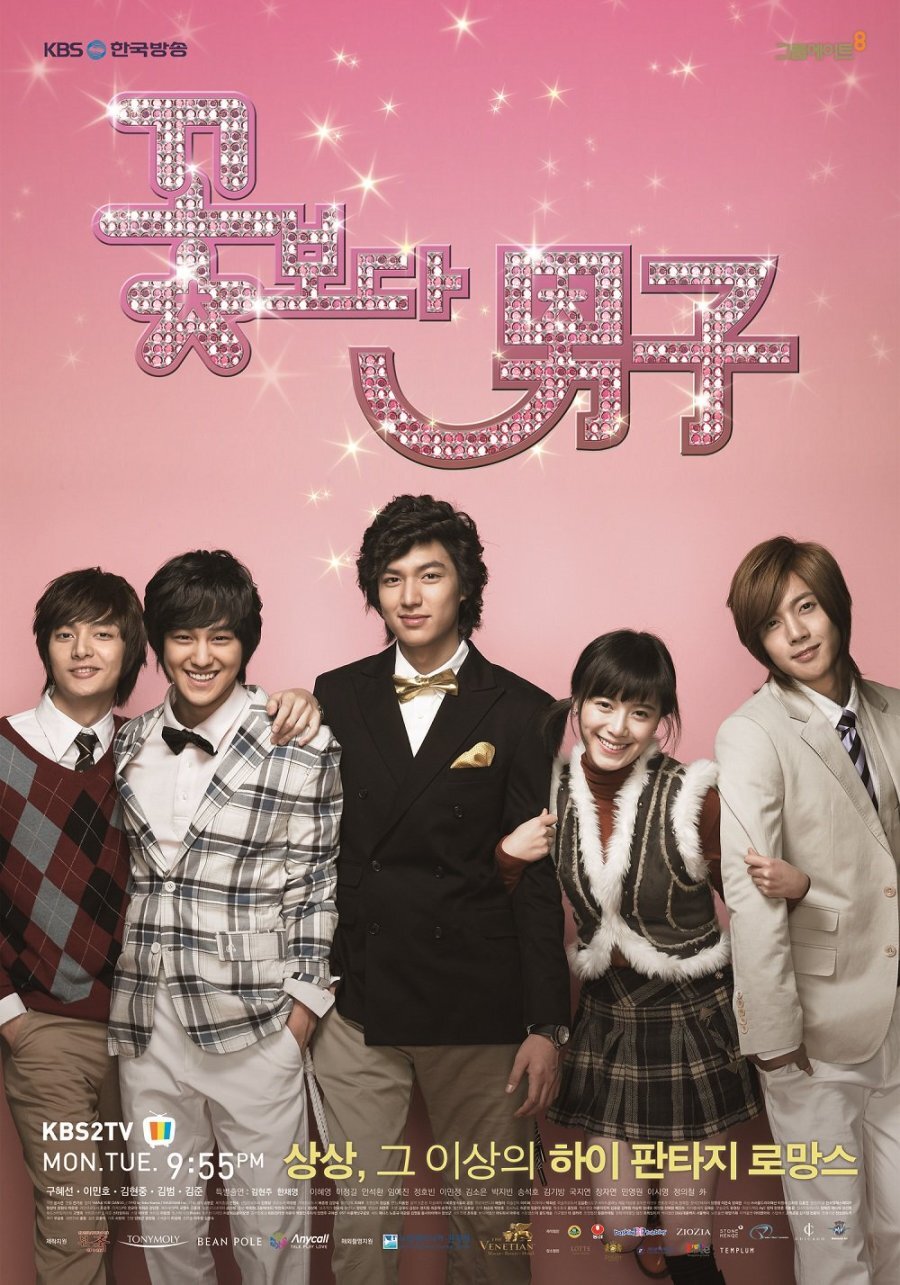
Winter Sonata2002
The ur-text of early 2000s K-drama excess: amnesia, terminal illness, noble sacrifice, and a lead couple with chemistry that burns the screen. If *Stairway to Heaven* moved you, this will devastate you.
But It's even more committed to melodramatic excess than what you've just watched. Some will find it overwrought; others will find that's exactly the point.
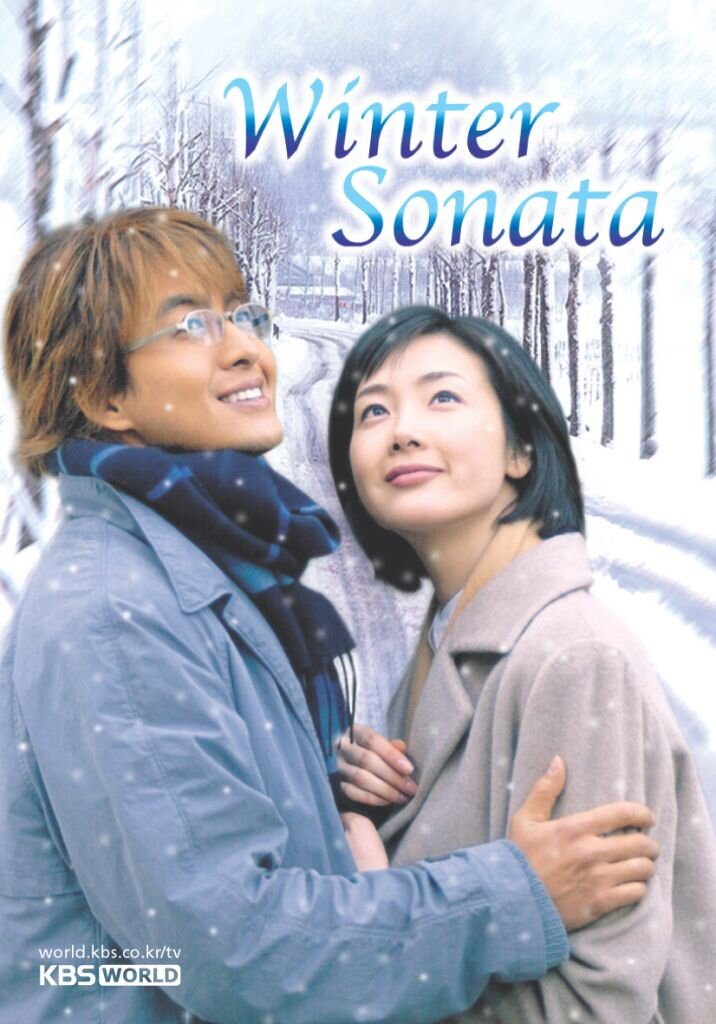
Autumn in My Heart2000
Another beautifully shot tale of doomed love and family secrets, with the same luxurious pacing and commitment to emotional catharsis. Arguably the most elegant of this era's tearjerkers.
But The plot hinges on medical tragedy in ways that can feel exploitative. Not everyone wants their romance wrapped around a death sentence.
Not sure tonight? Get a pick in a minute, starting from Stairway to Heaven
The wildcard
Something you would not have found on your own.
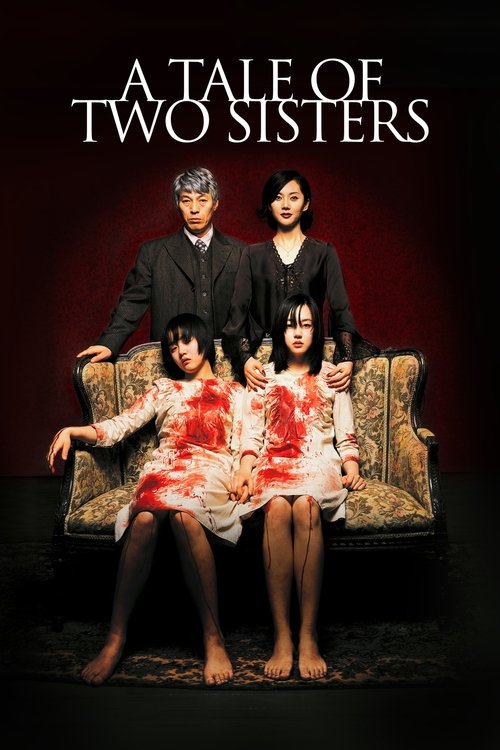
A Tale of Two Sisters2003
Both are about how family secrets and cruel turns of fate reshape identity. Both feature stepmothers and stepsiblings as instruments of tragedy. Both are visual and atmospheric. But one believes in the redemptive power of love, and the other doesn't.
Released the same year as *Stairway to Heaven*, this Korean horror film shares the melodrama DNA but inverts it entirely: family betrayal, hidden trauma, and a stepmother who is genuinely monstrous. The emotional devastation is real, but it comes through dread and revelation rather than romance.
But It's a horror film, not a romance. The aesthetics are cold and unsettling. If you wanted cathartic tearfulness, this offers something far stranger and more disturbing.
More like this (7)
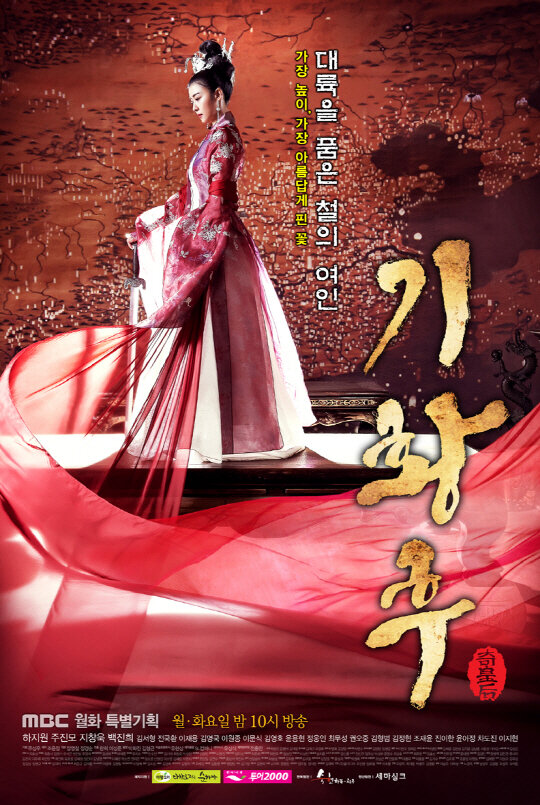
The Empress Ki2013
A grander historical canvas, but the same driving force: a woman torn between duty and love, rivals, separation, and the question of whether devotion survives everything. Epic in scope and feeling.
But Fifty episodes is a commitment, and the historical drama pacing is slower. You need patience and genuine interest in the era.
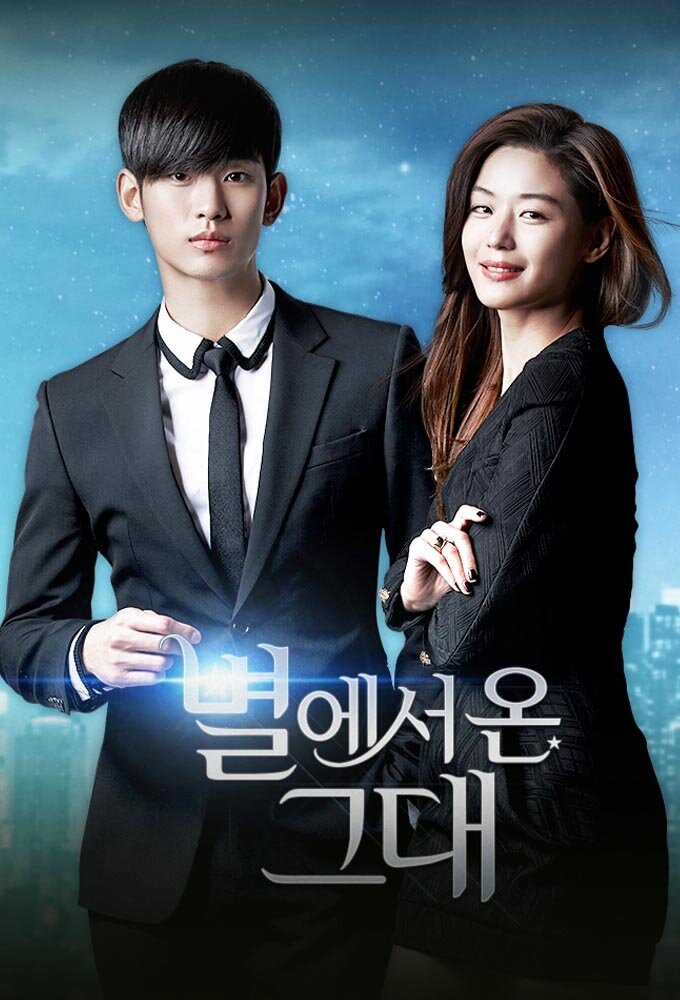
My Love from the Star2013
A more playful take on the same DNA—magic, fate, a pair of people whose connection transcends time. Lighter in touch but equally committed to making you believe in the power of that connection.
But The tonal whiplash between comedy and melodrama won't work for everyone. Some find the genre-mixing clever; others find it scattered.
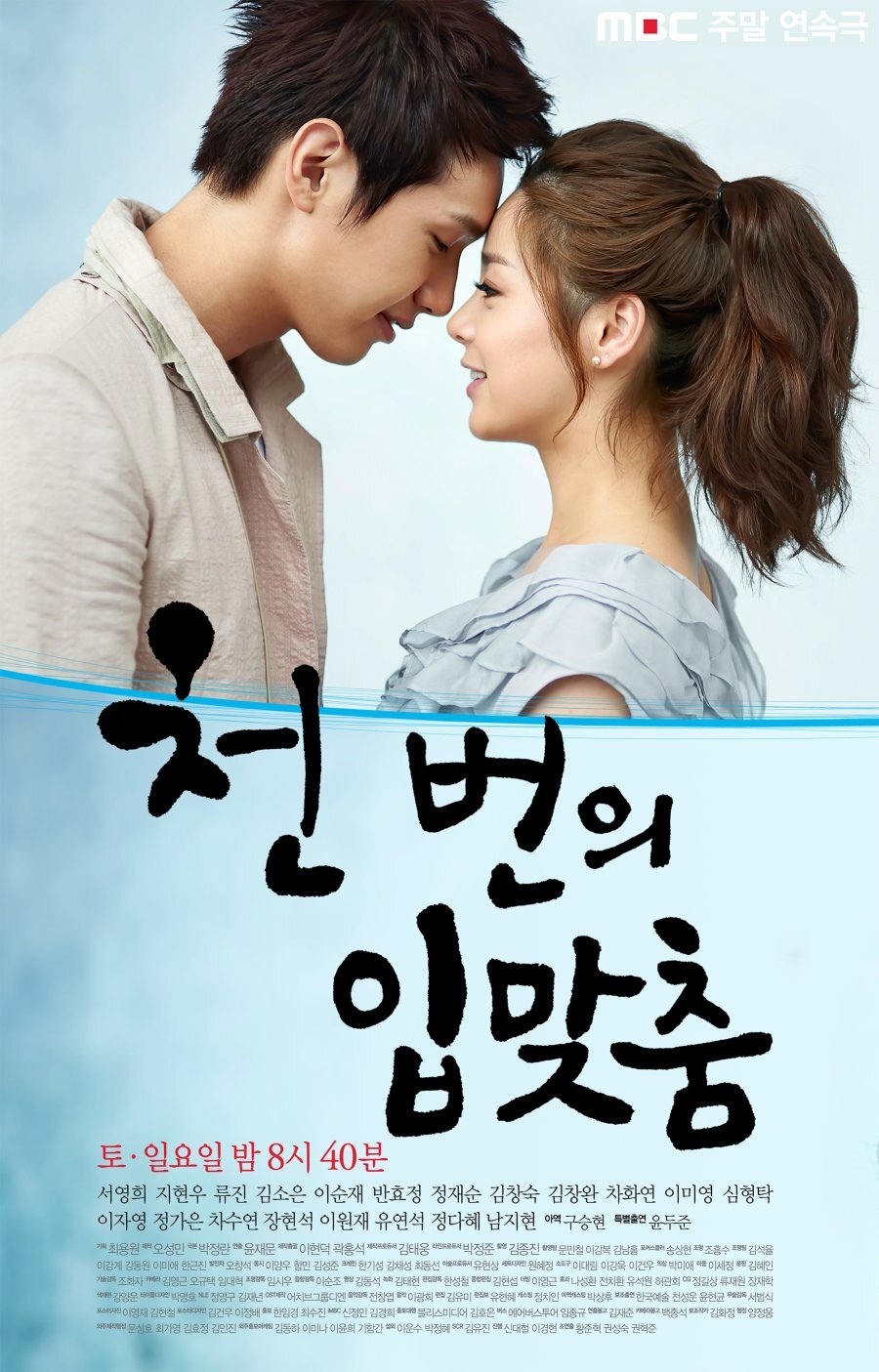
A Thousand Kisses2011
Rival love triangles, memory loss, and the same operatic emotional stakes, but with a protagonist who fights back harder. More agency, less pure suffering, but the melodrama stays intact.
But It's a bit overstuffed with plot. Multiple betrayals can start to feel like soap opera mechanics rather than genuine tragedy.
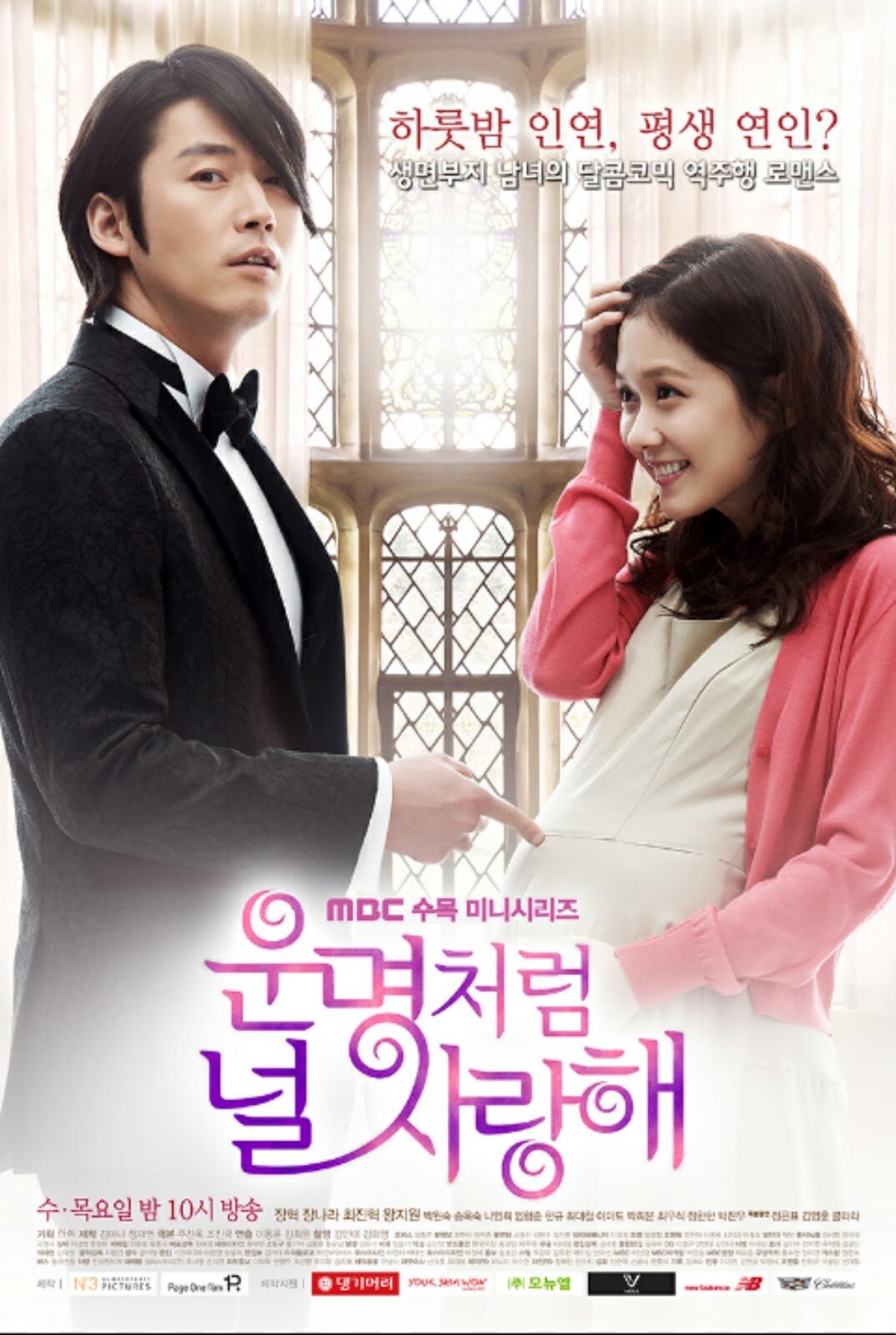
Fated to Love You2014
A more recent meditation on fate and devotion, with Taiwanese sincerity meeting Korean melodrama structure. Surprisingly moving about the nature of what we owe each other.
But The Taiwanese production style feels different in pacing and tone. If you want pure Korean melodrama, this will feel slightly off.
In the Mood for Love2000
Wong Kar-wai's visual poetry applied to a similar theme: two people circling each other across time, elegance and restraint standing in for excess. A completely different register, same emotional destination.
But The opposite approach—almost silent, deeply controlled, impressionistic rather than explicit. If you're watching for narrative momentum, you'll feel lost.

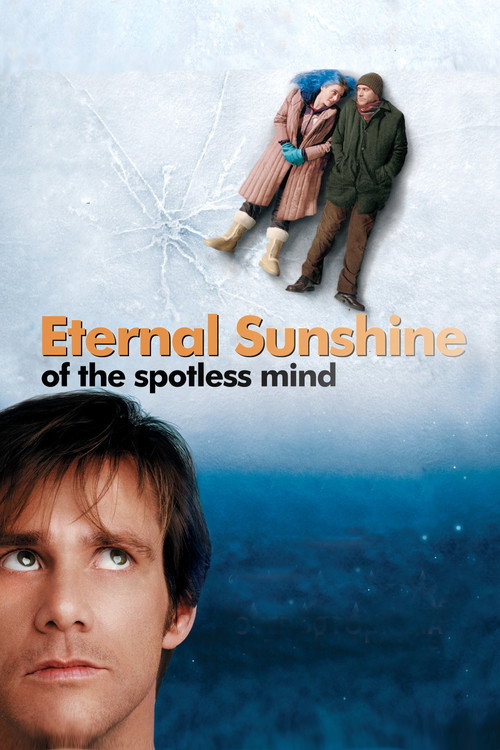
Eternal Sunshine of the Spotless Mind2004
Both wrestle with memory loss as a metaphor for love's fragility. But where the Korean drama uses amnesia as plot device, this uses it as a meditation on whether love is real if we forget it happened.
An American indie film that asks the same question *Stairway to Heaven* does—whether love survives when memory doesn't—but through science fiction and existential philosophy rather than melodrama. Devastatingly beautiful and genuinely strange.
But It's deliberately oblique and fragmented in structure. If you want clear emotional beats and plot coherence, this will frustrate you. It also refuses sentiment in ways that feel cold.
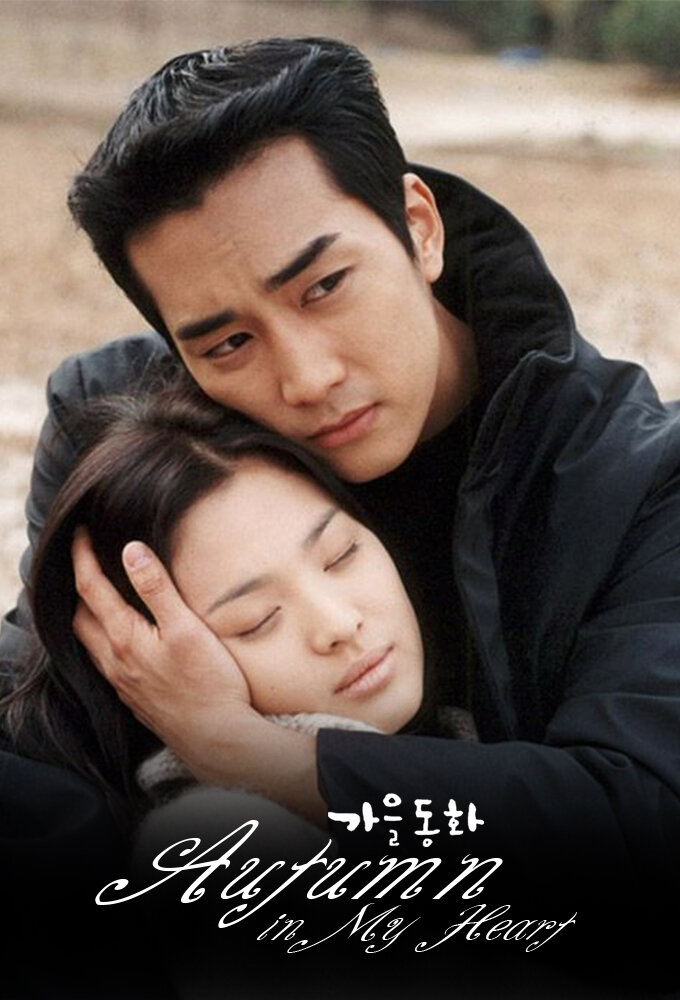
Mother2009
Both center on love that refuses ordinary limits—obsessive, self-sacrificial, willing to destroy others in its name. But the K-drama sees this as beautiful tragedy; this film sees it as pathology.
Bong Joon-ho's darkest film: a mother's obsessive, consuming love twisted into something terrible. It shares *Stairway to Heaven*'s commitment to emotional extremity and family betrayal, but asks whether maternal devotion can be as destructive as romantic love.
But It's bleak and morally complex. There is no catharsis, no redemption through suffering. If you want to feel wrung out rather than purified, this delivers that.