Television series
Rio Ferdinand's Tipping Point
Rio Ferdinand investigates why football remains deeply racist despite decades of awareness and activism. Part personal reckoning, part institutional autopsy, it's a documentary that moves between Ferdinand's own experiences and systemic analysis, asking hard questions without offering easy answers. For anyone who loves football and wants to understand why its problems persist.
If you liked this
The Two Escobars2010
Examines how a sport reflects and amplifies the violence and corruption of its society. Uses football as a lens to understand Colombia's darkest years, with the same unflinching approach Ferdinand brings to racism.
But Heavy and frequently bleak. Not a celebration of the game; it's an anatomy of how sport becomes entangled with tragedy and crime.
Senna2010
A character study of ambition, competition, and identity through motorsport. Like Ferdinand's work, it uses sport to explore deeper questions about power, nationality, and what we value in our heroes.
But If you don't care about F1, the technical detail might feel remote. It's as much about obsession as it is about racing.
The Last Dance2020
Michael Jordan's pursuit of perfection through a lens that occasionally allows real friction and darkness to show. It asks what excellence costs and who pays the price, questions Ferdinand is also interrogating.
But Often feels like an authorized version; the critical distance Ferdinand maintains here is sometimes absent. Can tip into hagiography.
Not sure tonight? Get a pick in a minute, starting from Rio Ferdinand's Tipping Point
The wildcard
Something you would not have found on your own.
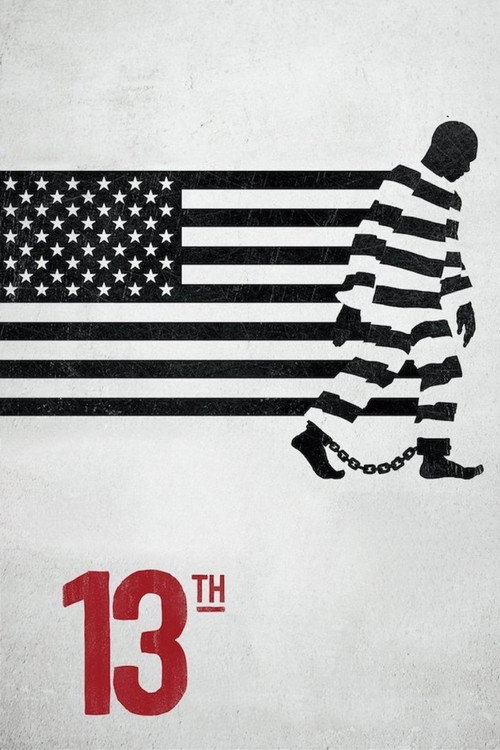
13th2016
Both documents how institutions perpetuate and profit from racism while maintaining plausible deniability. Both ask: why hasn't it changed? Because change would cost the people in power too much.
Ava DuVernay traces systemic racism through American institutions—law, politics, labour—with forensic precision. Like Ferdinand, she refuses to treat racism as aberration or bad people; she maps the structure itself. The clarity is devastating.
But It's American and focused on criminal justice, not sport. If you're looking for Ferdinand's specific context, this zooms to a wider frame. Also punishing to watch—there's no relief.
More like this (6)
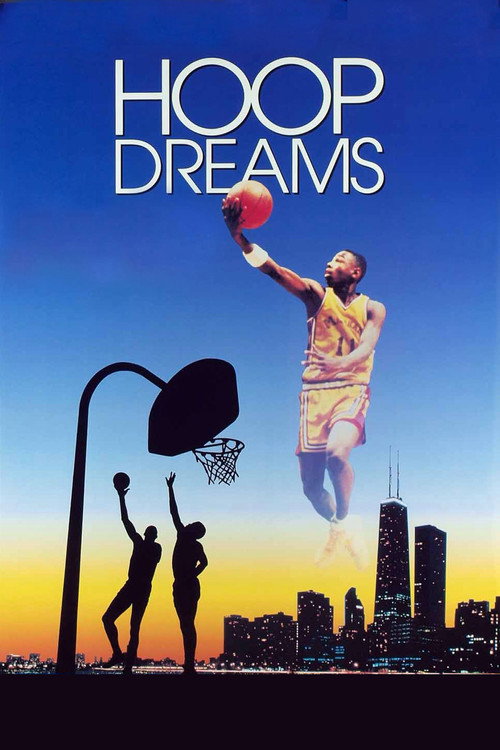
Hoop Dreams1994
A documentary that follows two Black basketball players over years, revealing how institutions use and discard young Black talent. The systemic exploitation is intimate and devastating—it's foundational work in understanding race and sport.
But Exhaustingly long at three-plus hours. Repetition of institutional betrayal can numb as much as anger, especially if you already know these patterns.
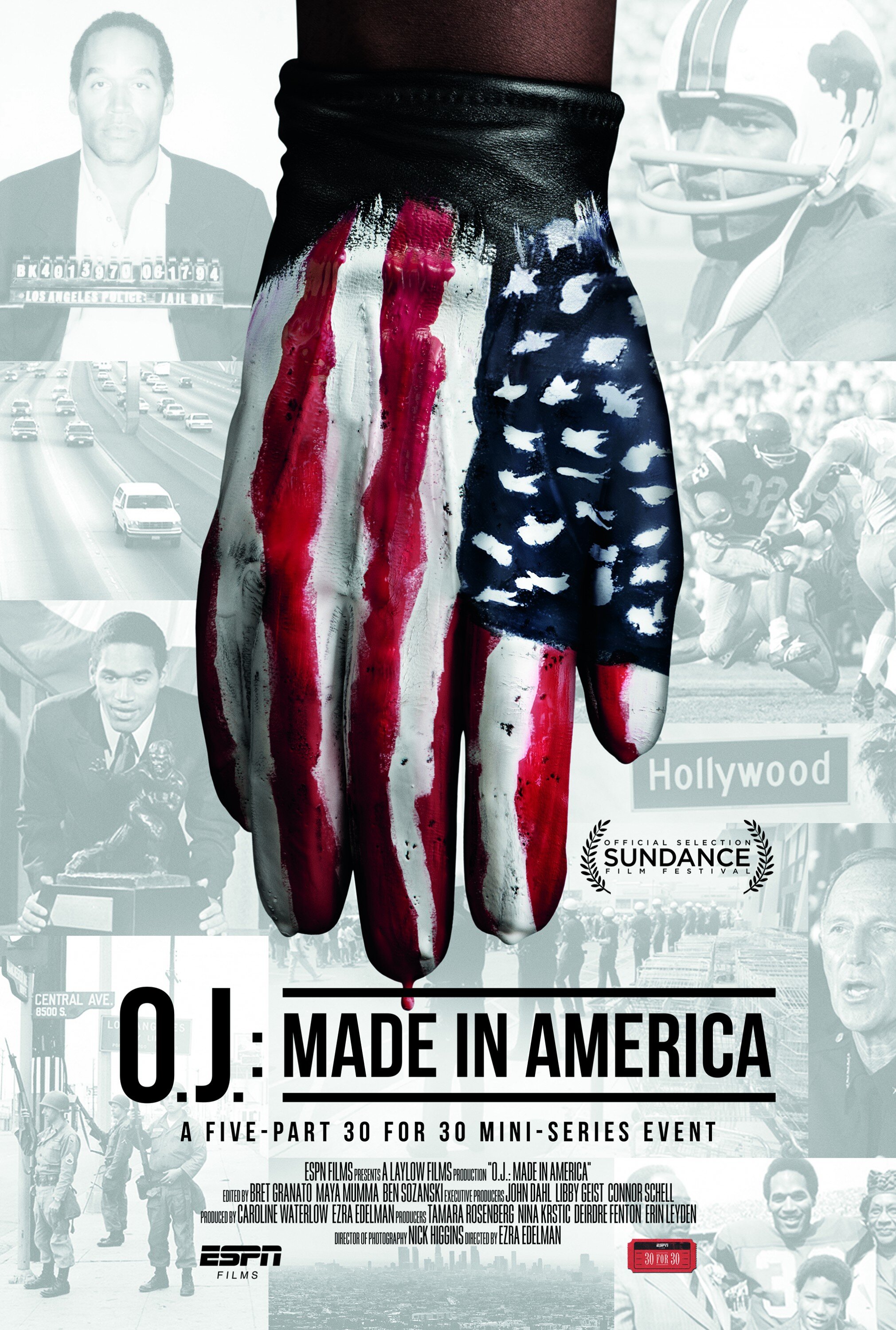
O.J.: Made in America2016
A seven-hour dive into how race, celebrity, justice, and sport collide in America. The scope and depth echo Ferdinand's ambition to understand complicity and why change stalls at the highest levels.
But Its length demands real commitment, and the O.J. case itself may feel distant if you're not invested in that particular story. Can overwhelm rather than clarify.
The Toys That Made Us2017
Wait—hear this out. It's about how corporations shape identity and belonging. The mechanisms of how institutions sell us versions of ourselves connect to Ferdinand's examination of how football institutions manage (and mismanage) identity and race.
But Tonally lighter than what you're seeking. If you want righteous anger, this won't provide it. It's more sly than confrontational.
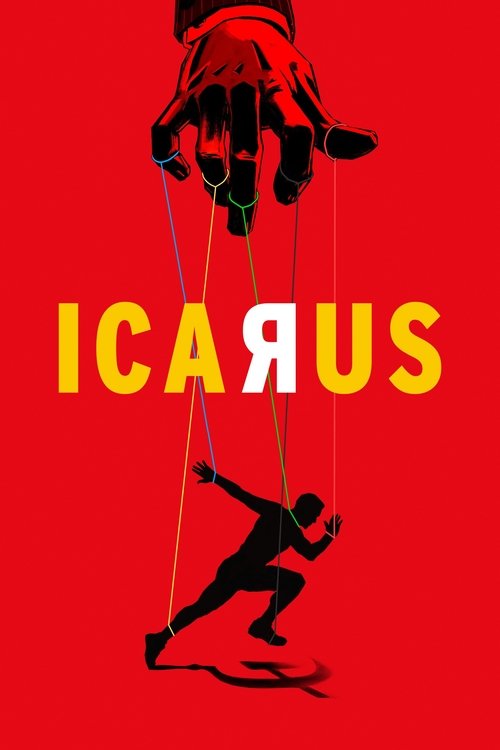
Icarus2017
A sports documentary that transforms into a geopolitical thriller about corruption, state power, and what happens when institutions protect their own. The escalation from personal story to systemic exposure mirrors Ferdinand's approach.
But The pivot into international politics can feel like tonal whiplash. Some viewers find the second half overwrought compared to the human stakes of the first.
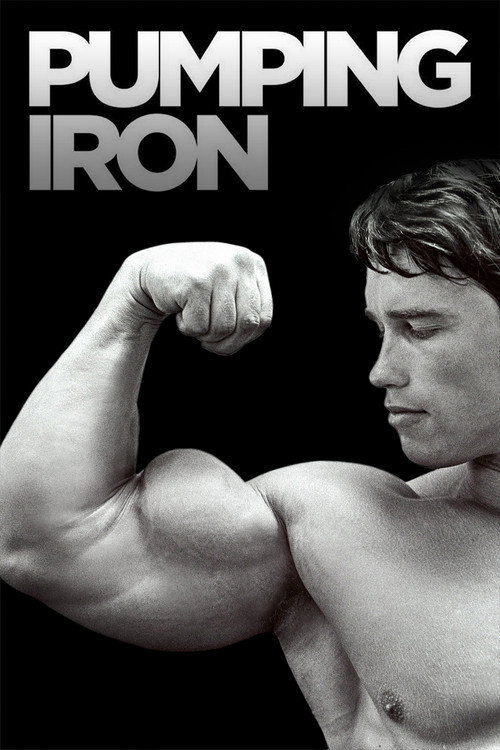
Pumping Iron1977
An old-school sports documentary that captures masculinity, ego, and the bodies we worship. It's observational in a way that lets you see the machinery of sports culture, and how bodies become symbols in ways athletes don't always control.
But Dated attitudes toward women and sexuality. It's of its time in ways that read as uncomfortable now, and that discomfort is genuine, not retrospectively interesting.
UltraForce1995
Where Ferdinand investigates racism from above, this shows it from within fan culture. You see how belonging and exclusion operate at ground level, and why institutional solutions fail when community identity is built on them.
A Belgian ultra-fan culture documentary that embeds you inside football fandom at its most passionate and volatile. The intimacy reveals how belonging, identity, and nationalism tangle with the game in ways that make racism not incidental but central to certain communities' bonding.
But It's subtitled. The ultracore subculture is niche—if casual fandom is your reference point, this will feel extremely specific and sometimes insular. Also morally uncomfortable at moments.