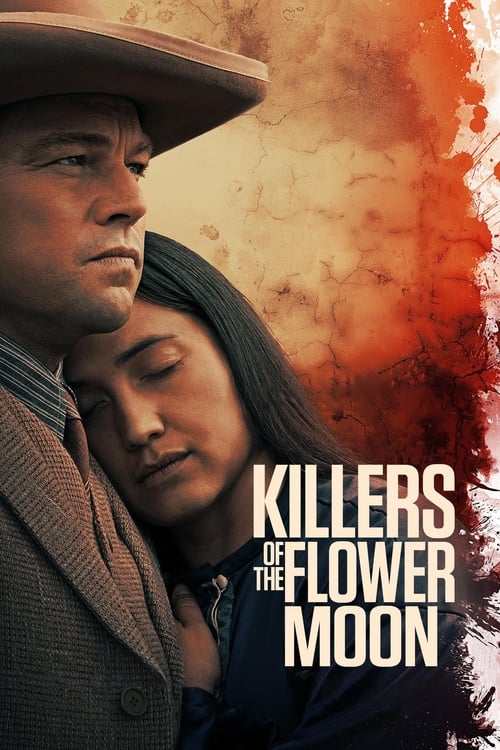
Television series
No Passport Required
- Light-hearted
- Dip in and out
Marcus Samuelsson travels across America exploring immigrant communities through their food and stories. Each episode is a genuine conversation over a meal—unhurried, curious, respectful—that treats cuisine as a doorway to understanding. It's warm without being saccharine, and it takes both the food and the people seriously. For anyone who believes that what we eat tells us who we are.
Should you watch it?
Watch it if you enjoy a food show that treats a dinner table as a window onto who people are, where cooking is a way of listening to family histories and neighborhoods rather than a contest to win.
Skip it if you want competition, cliffhangers or sharp editing; this one moves at a gentle, unhurried pace, lingering over conversations and meals in a way that can feel slow if you came for quick thrills.
What it asks of you: Sixty-minute episodes that settle in and stay put, with long stretches of talk and cooking at an easy pace, so you'll want an evening free rather than a background glance.
Not sure? Find tonight's pick in a minute.
If you liked this
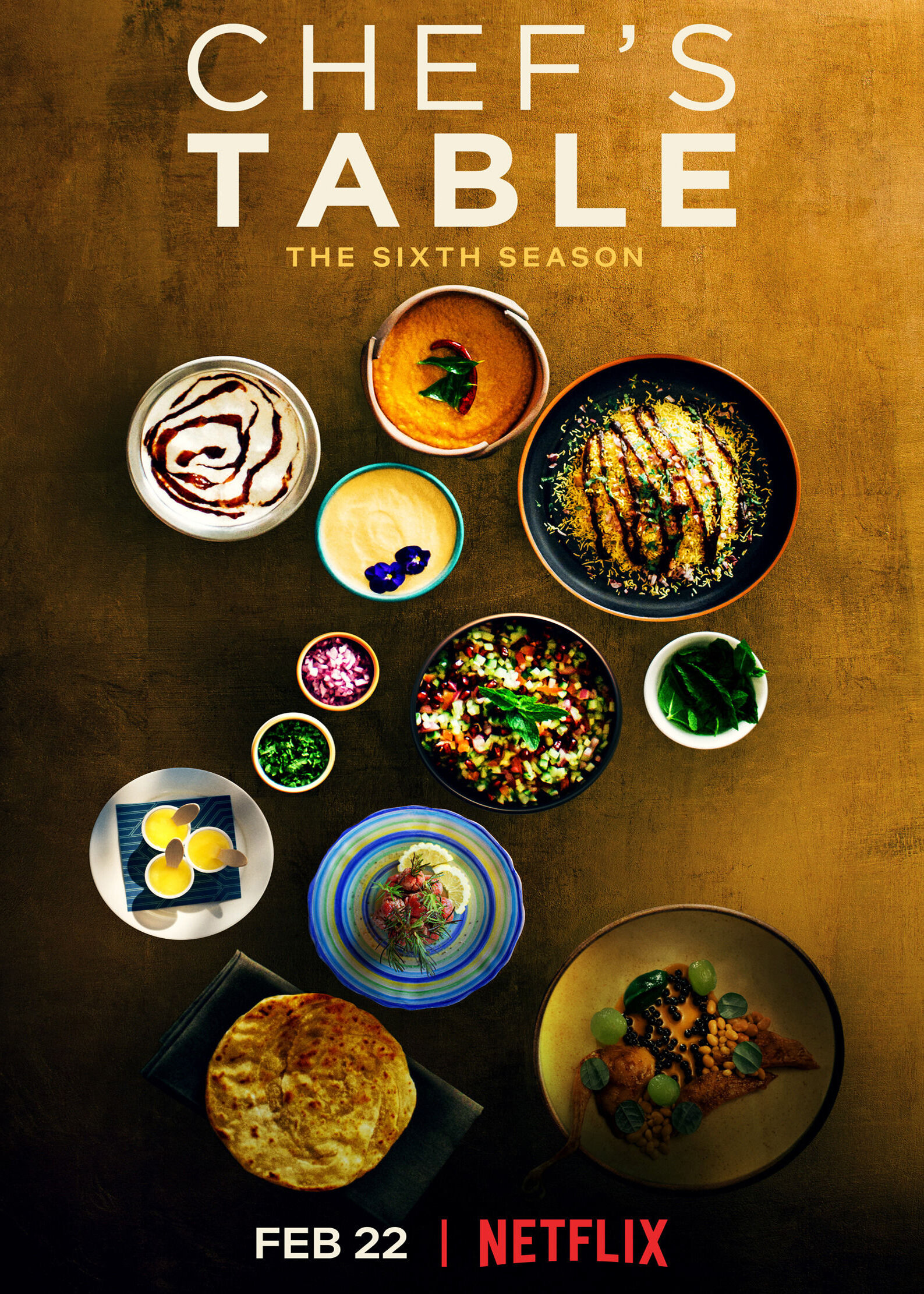
Chef's Table2015
Exquisite cinematography and deep dives into the philosophies of world-class chefs. Each episode is a meditation on craft, ambition, and what drives an artist to cook.
But Moves slowly and assumes patience. Some episodes feel more like gallery pieces than narratives, which can feel precious if you want momentum.
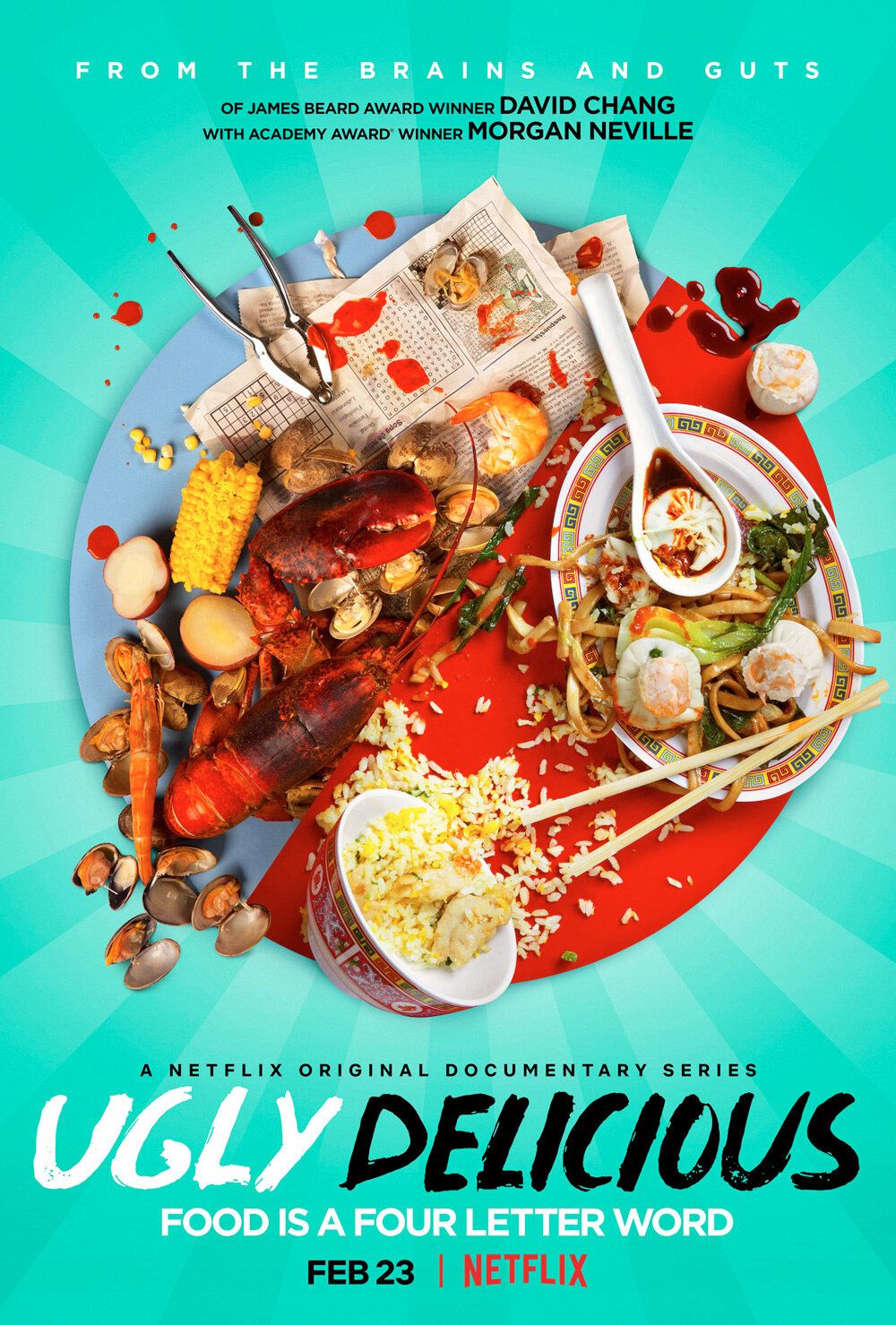
Ugly Delicious2018
David Chang explores food across cultures and continents with genuine curiosity and humour. Less formal than Chef's Table, more conversational—he argues with people he meets and changes his mind.
But Occasionally self-indulgent. Chang's riffs can meander, and the show sometimes prioritises his personality over the story being told.
High Score2020
Each episode follows a single thread through global food culture—pizza, rice, tacos. Beautifully shot, historically informed, and reveals how seemingly simple dishes shaped the world.
But Focuses more on history and commerce than on people. If you want human connection over context, this leans the other way.

Not sure tonight? Get a pick in a minute, starting from No Passport Required
The wildcard
Something you would not have found on your own.
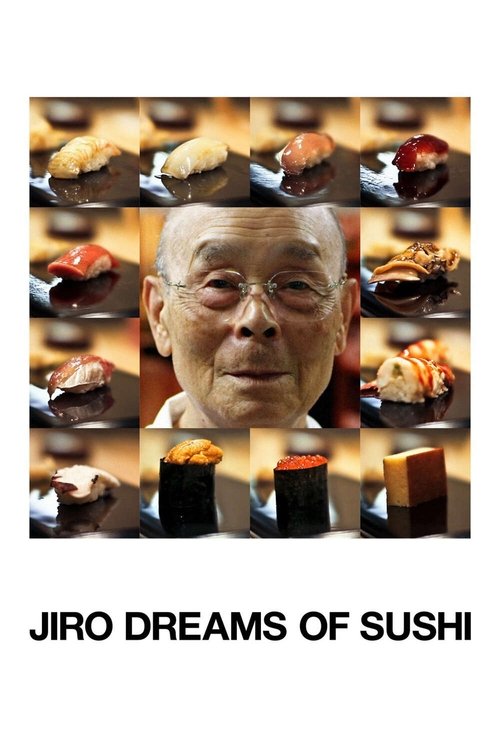
Jiro Dreams of Sushi2011
Both find profound humanity in food tradition, but where Marcus travels outward to meet people, Jiro has spent a lifetime going deeper into one thing. Both suggest that food is how we leave a mark.
A documentary about an 85-year-old Tokyo sushi master so devoted to his craft that his life *is* his work. It's meditative, obsessive, and deeply moving—a portrait of a human life narrowed to perfection.
But Almost entirely about process and repetition. If you need narrative momentum or emotional drama, this will feel static and cold, no matter how beautiful it looks.
More like this (5)
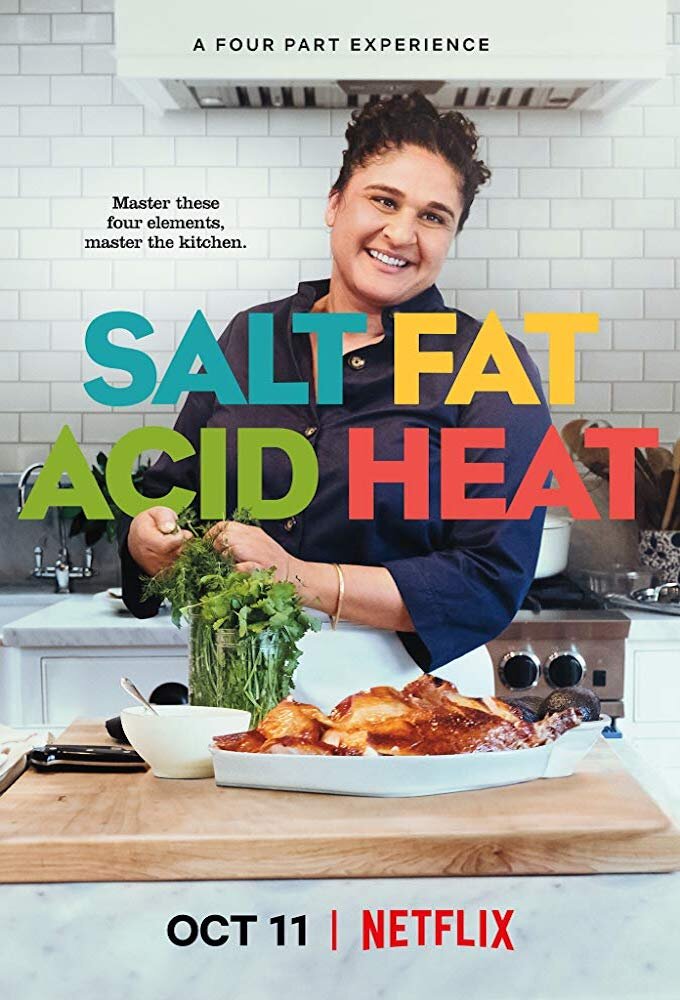
Salt Fat Acid Heat2018
Samin Nosrat travels globally to understand cooking fundamentals through real meals and real teachers. Joyful, educational, and deeply humanising—she listens more than she talks.
But Some segments feel slightly staged. The warmth is genuine, but the structure occasionally shows, which breaks the spell.
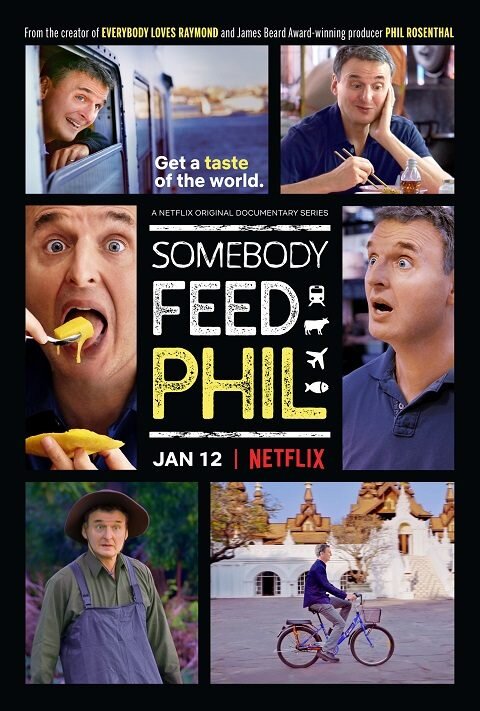
Somebody Feed Phil2018
Phil Rosenthal eats his way through cities with infectious enthusiasm and genuine warmth toward strangers. Low-stakes, unpretentious, and actually about connection, not showing off.
But Relies heavily on Rosenthal's personality. If you find him grating, the show has no refuge. Also, very light on analysis or deeper context.
Chewing Gum2015
Michaela Coel's debut series is scrappy, funny, and fiercely alive. It's about a young Black woman in London finding her voice—the energy is infectious and the writing is sharp.
But Tonal whiplash between comedy and real pain. The pacing is deliberately chaotic, and some jokes land harder than others.

Master of None2015
Both are about navigating multiple identities through food and family. Marcus does it through travel and interviews; Aziz does it through his own life and the lives of people close to him. Both ask: what does it mean to belong?
Aziz Ansari's series uses food, family, and identity as entry points into big questions about belonging. Episodes on parents, racism, and relationships are genuinely moving; the show has jokes and depth in equal measure.
But Tone is deliberately uneven—comedy sits next to real pain without warning. Some episodes feel more like essays than stories, which requires a different kind of attention.

Killers of the Flower Moon2023
Both grapple with American identity and whose stories get told. Marcus celebrates immigrant communities claiming space in America; Killers documents an American community—the Osage—having their story stolen. Together they suggest that food, culture, and history are battlegrounds where belonging is fought for.
Scorsese's three-and-a-half-hour examination of the Osage oil murders is methodical, morally serious, and devastating. It's about erasure, complicity, and who gets to tell the story—themes that echo through American history.
But Slow-burn and bleak. Scorsese takes his time, and the story offers no catharsis. Some will find it punishing rather than enlightening, which is partly the point.