
Television series
NCIS: New York
NCIS: New York brings the franchise's procedural machinery to Manhattan, where veteran agent Sam Hanna leads a team through espionage, terrorism, and maritime crime cases. It's the familiar NCIS formula—case-of-the-week structure, banter between investigations—transplanted to a higher-stakes setting. Solid comfort viewing for people who like their crime dramas straightforward and their stakes military-adjacent.
Should you watch it?
Watch it if you like procedurals built around a familiar team dynamic, where a veteran's easy authority and a partner's needling banter matter as much as the case of the week.
Skip it if you want slow-burning, character-led mysteries; this is a brisk, high-stakes action procedural that prizes momentum over quiet investigation.
What it asks of you: An hour a week, built for return visits: cases unfold in a single sitting, the banter breathes between set pieces, and tension arrives in bursts.
Not sure? Find tonight's pick in a minute.
If you liked this
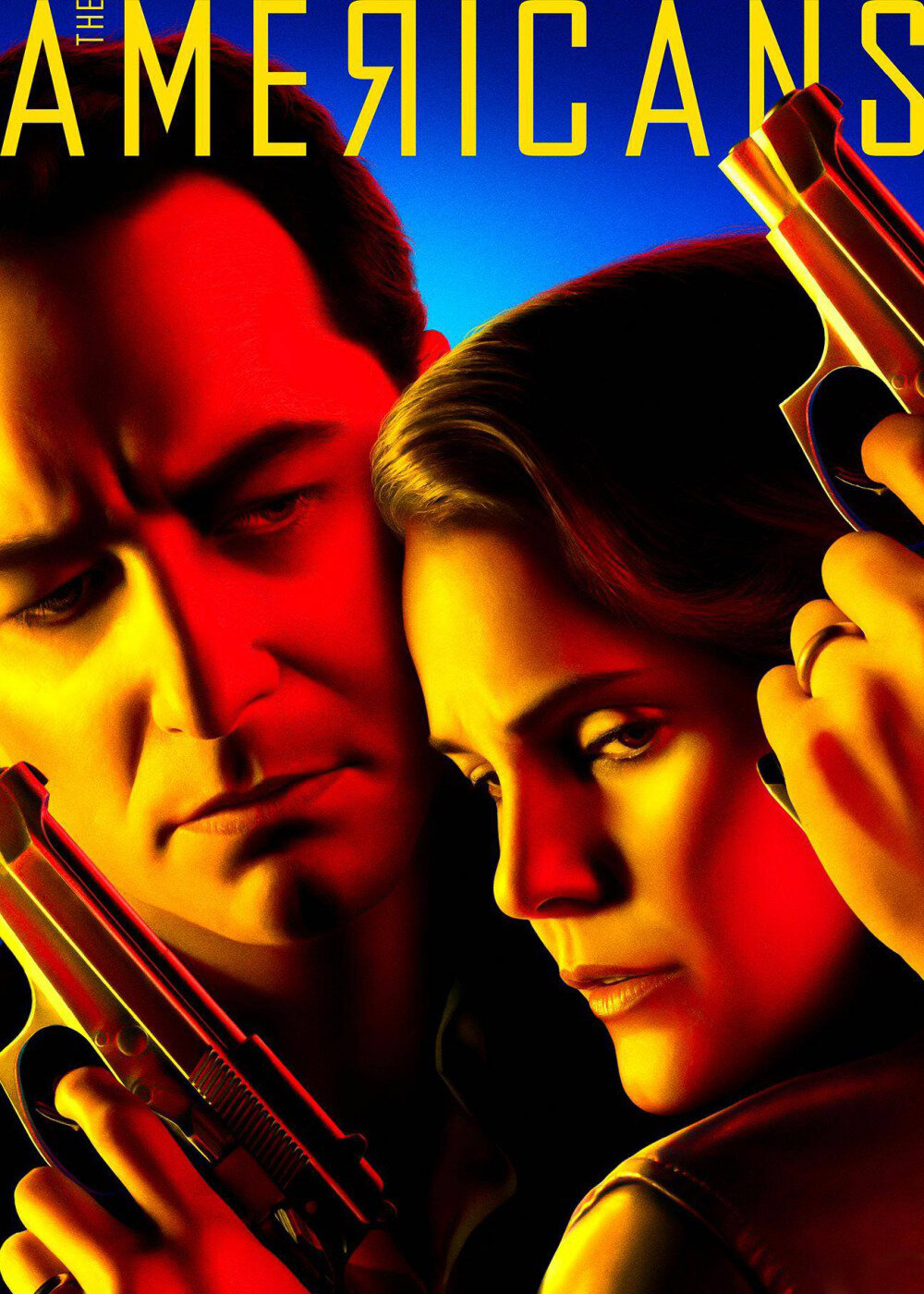
The Americans2013
A spy thriller with real emotional weight, exploring how double lives corrode relationships and identity. The tension builds methodically across seasons and the performances are exceptional—it never treats its premise as mere procedural scaffolding.
But It's a slow burn that demands patience and attention. The show won't give you easy answers about morality, and some viewers find the pacing ponderous.
Homeland2011
Counterintelligence drama with a bipolar CIA operative and a potentially-compromised Marine. The first season is genuinely gripping—taut writing, unsettling paranoia, and Damian Lewis is mesmerizing.
But The quality is wildly inconsistent across seasons. After season three it loses focus, and by the end it's chasing its own mythology rather than telling a coherent story.

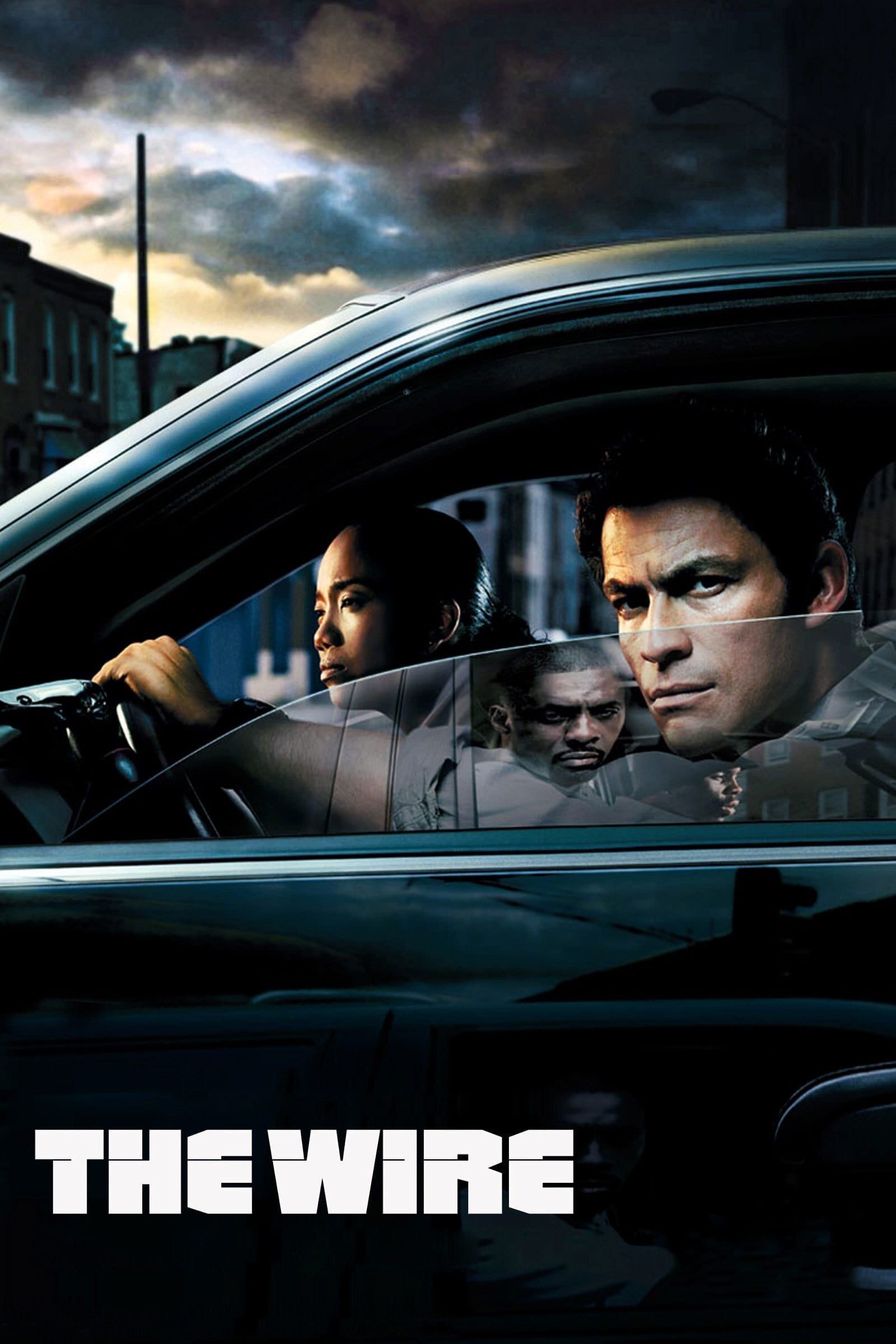
The Wire2002
Crime drama that actually understands systems—how institutions fail, how good people get trapped. It's not interested in heroes, and that's what makes it essential. Holds up better than almost anything from that era.
But No main character to latch onto for the first season; the structure is deliberately ensemble. Some find it slow, and it requires serious attention—nothing exists to distract you from watching the screen.
Not sure tonight? Get a pick in a minute, starting from NCIS: New York
The wildcard
Something you would not have found on your own.
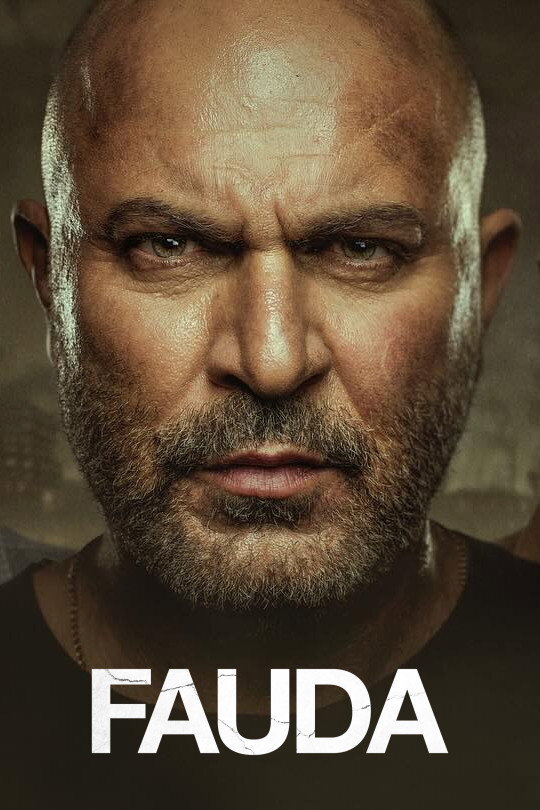
Fauda2015
Both explore espionage and double identities within high-stakes urban settings, but Fauda strips away the procedural comfort and forces you into moral ambiguity that NCIS never attempts.
Israeli spy thriller where an undercover agent infiltrates Palestinian militant groups. It's visceral, morally murky, and refuses to let either side be simple. The Arabic dialogue adds authenticity that makes every scene feel high-stakes and real.
But The geopolitical subject matter is inflammatory and treated seriously—this isn't neutral storytelling. Subtitles required, and the violence is unflinching rather than stylized.
More like this (7)
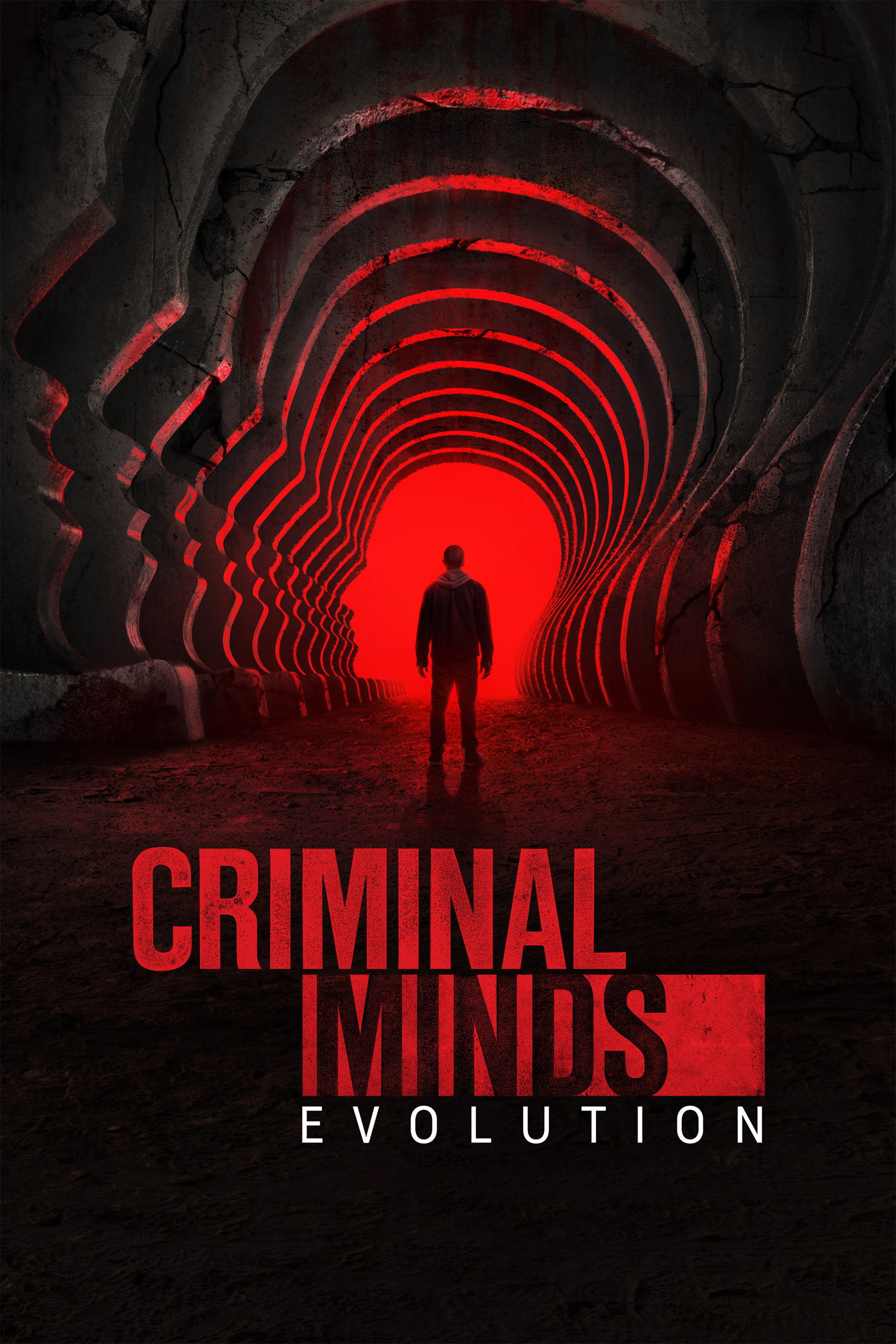
Criminal Minds2005
If you want procedural comfort with personality, this delivers. The team solving profile-based cases, the chemistry between the cast, the guilty-pleasure plotting. It knows what it is and does it well.
But It's episodic to a fault—don't expect long-term consequences. The psychology is often simplified, and the writing can feel recycled if you watch back-to-back seasons.
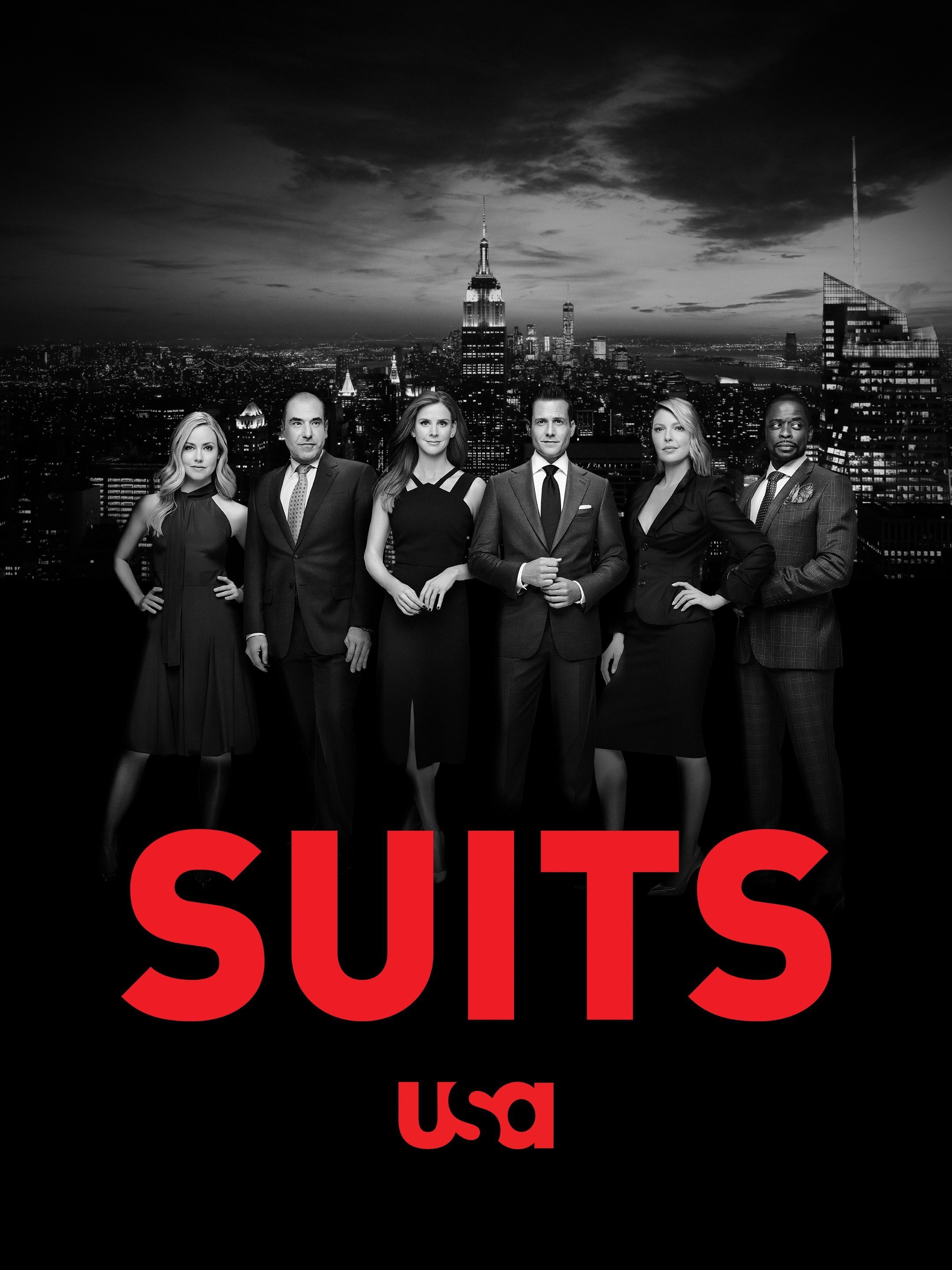
Suits2011
Slick legal procedural with charisma to burn. Harvey and Mike's partnership is the engine—smart dialogue, high-stakes cases that resolve within episodes, and enough interpersonal drama to keep things moving between courtroom wins.
But The central secret that drives the plot wears thin after season two. Later seasons lean on soap opera plotting instead of case work, and character inconsistencies pile up.
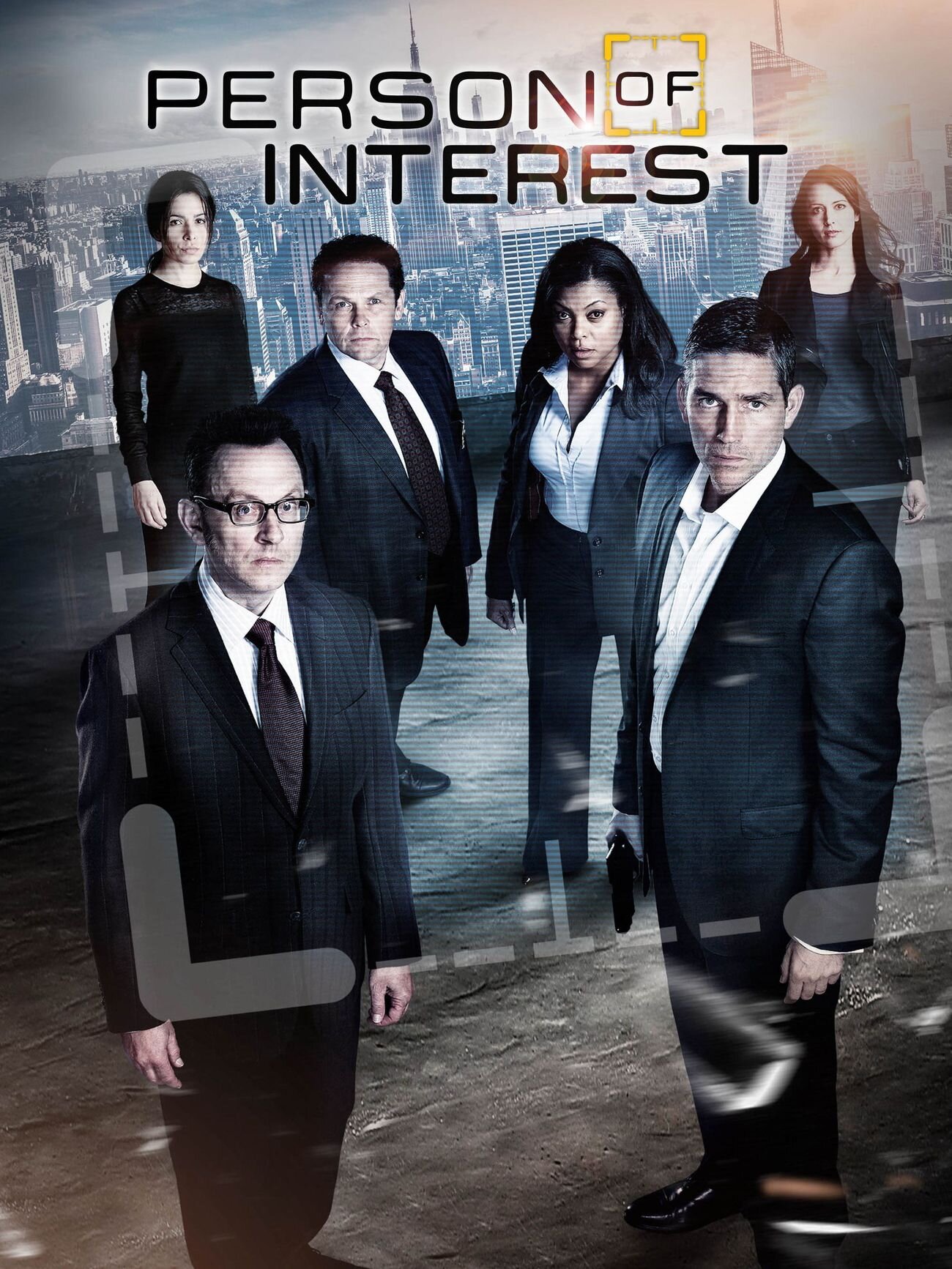
Person of Interest2011
An AI predicts crimes before they happen. It starts as a solid procedural with a great high-concept hook, but it evolves into something more ambitious about surveillance, free will, and machine consciousness. Smarter than it initially appears.
But The procedural cases in early seasons can feel repetitive while you wait for the mythology to kick in. Some plot developments stretch credibility, and the show occasionally prioritizes spectacle over character.
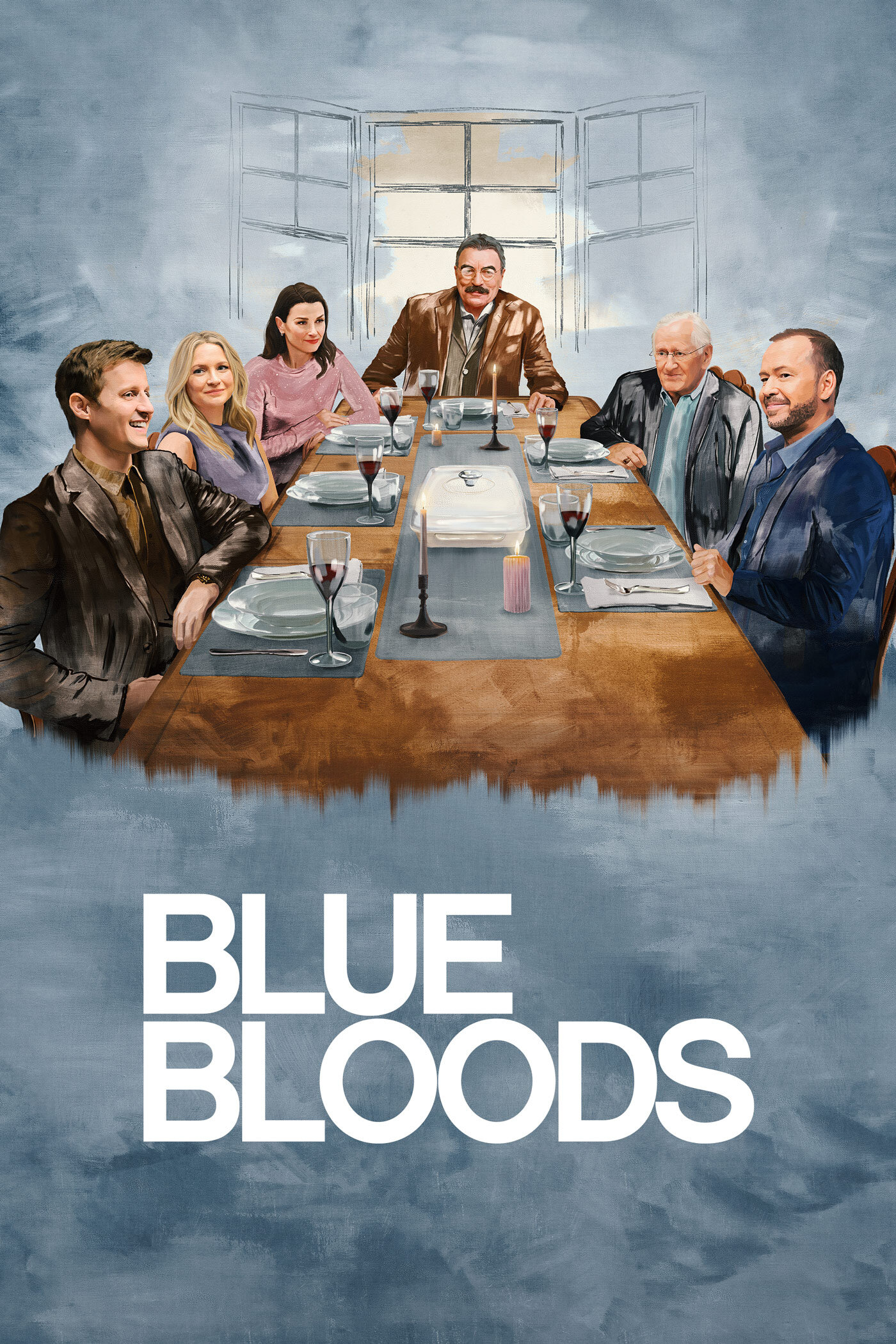
Blue Bloods2010
NYPD family drama with genuine warmth. Tom Selleck anchors it as the Police Commissioner, and there's something satisfying about the balance between procedural cases and family dinner-table politics. Comforting without being dumb.
But It can be conservative-leaning in its worldview, and the cases often resolve neatly in ways real policing doesn't. Some plots feel recycled if you're a long-term viewer.
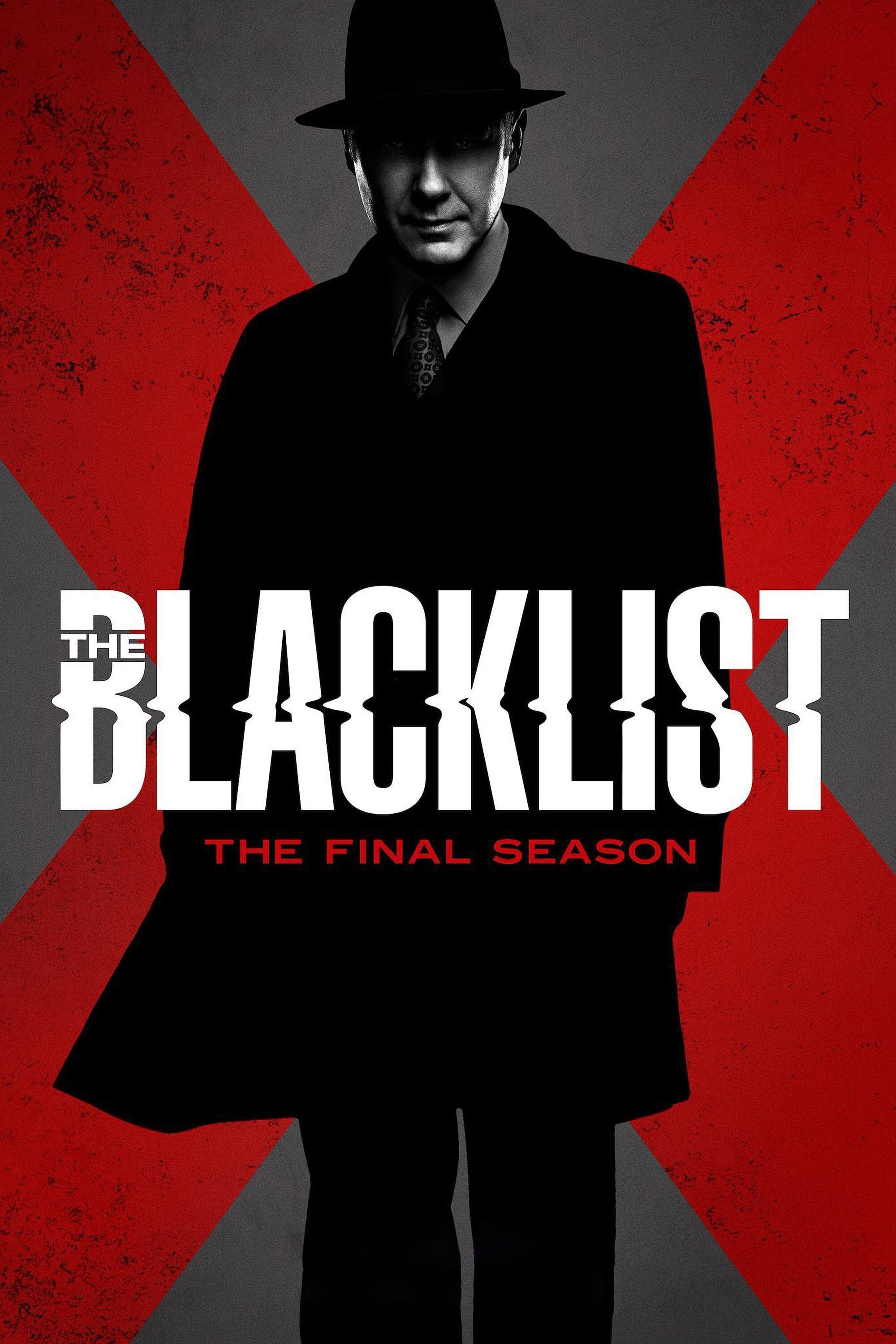
The Blacklist2013
James Spader as a mysterious criminal informant guiding an FBI team through case-of-the-week crimes with a larger mystery underneath. Spader's presence is electric, and the premise hooks you even when logic occasionally fails.
But The central mythology eventually collapses under its own weight. Later seasons prioritize plot twists over character consistency, and loyal viewers often feel cheated by the endgame.
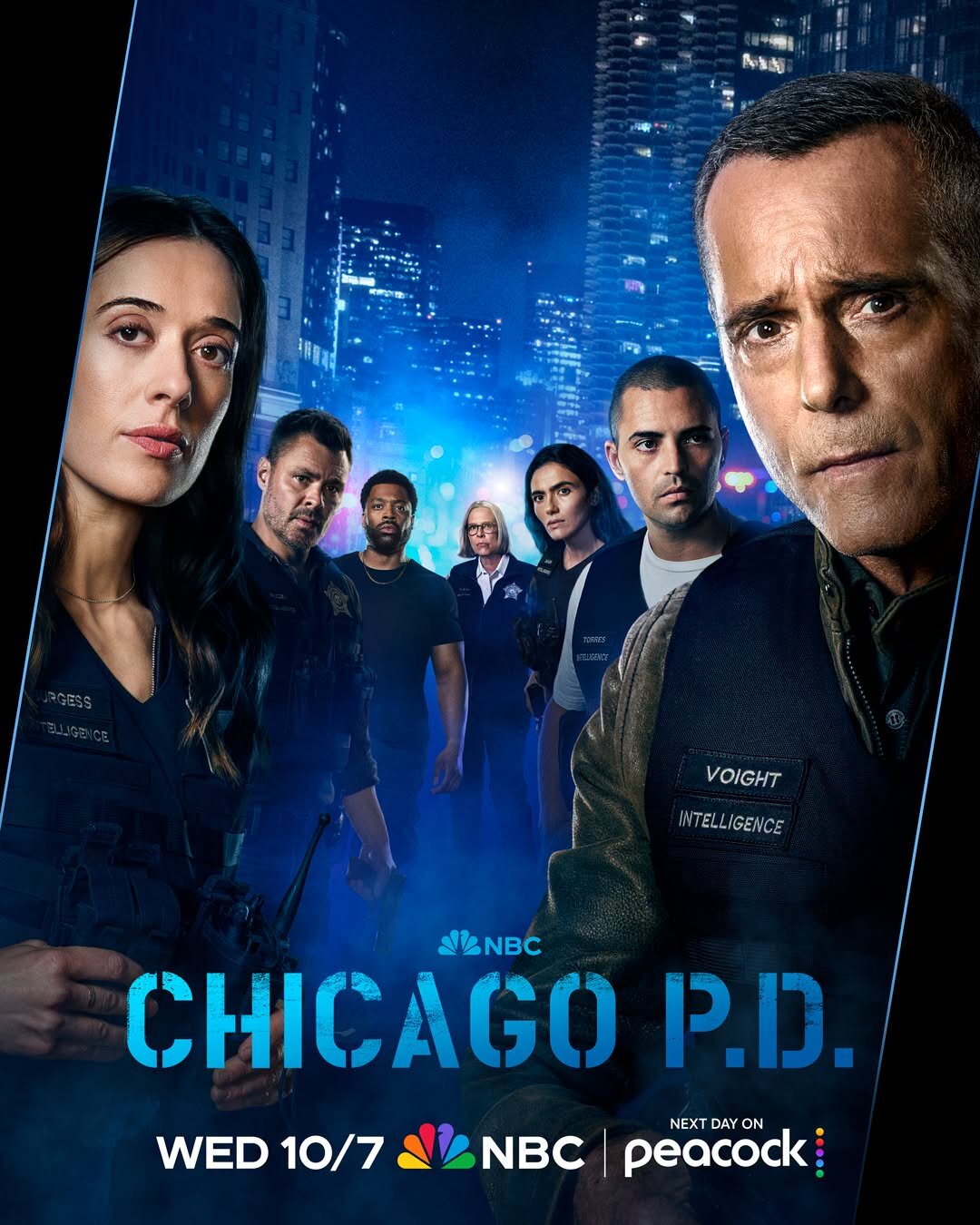
Chicago P.D.2014
Tighter procedural than many network shows, focusing on a tactical unit solving crimes with urgency and style. The action sequences are well-executed, the cases move quickly, and there's enough character work to care who you're rooting for.
But It can be formulaic—you know the beats before they happen. Some arcs repeat across seasons, and the show occasionally leans on jingoism rather than complexity.
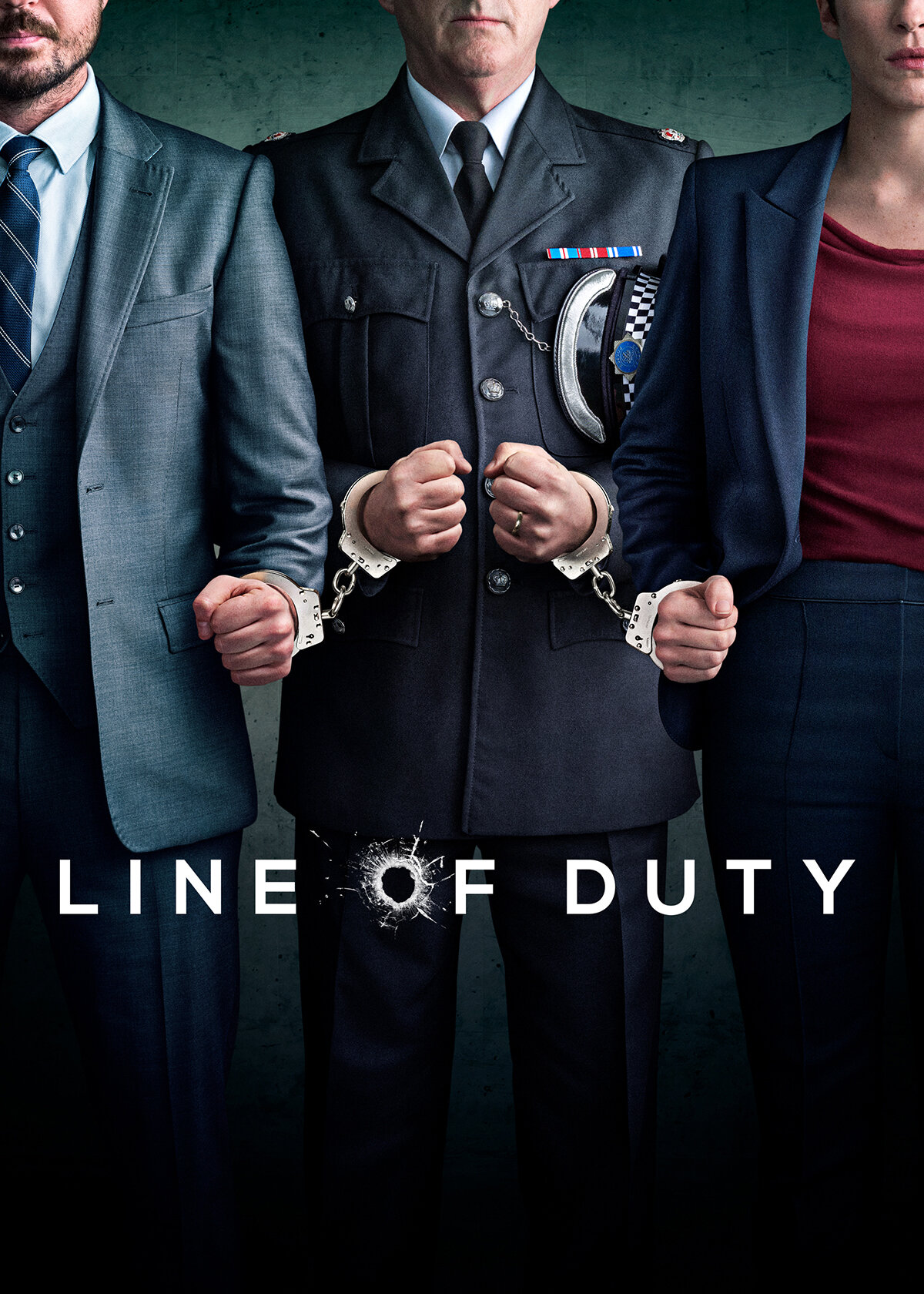
Line of Duty2012
Both are procedurals about elite law enforcement teams, but Line of Duty turns the camera inward, making the institution itself the antagonist rather than external threats.
British police drama about internal affairs investigators pursuing corruption within the force itself. Interrogation scenes are masterclasses in tension, Jed Mercurio's plotting is intricate without being convoluted, and it actually sticks the landing across all six seasons.
But The density of plot can be challenging to follow—you need to pay close attention. Some viewers feel the later seasons sacrifice character for conspiracy, and the finale divides people.
People
Cast




Writing
- Byron BalascoCreator
Production
- Adam DavidsonExecutive Producer
- Byron BalascoExecutive Producer
- Jason BarrettExecutive Producer
- Joe WilsonExecutive Producer
- Kyle HarimotoExecutive Producer
- LL Cool JExecutive Producer
- R. Scott GemmillExecutive Producer