
Television series
My Mother the Car
- Absurdist comedy
- Fantasy
- Science fiction
- Light-hearted
- Strange
A 1965 sitcom premise so audacious it became legendary: Dave Crabtree discovers his deceased mother has been reincarnated as a 1928 Porter automobile. She speaks to him from the dashboard, offering unsolicited advice while he tries to hide her existence from his family. It's absurdist comedy filtered through the earnest sensibility of mid-60s network television—sincere, weird, and utterly committed to its ridiculous conceit.
If you liked this
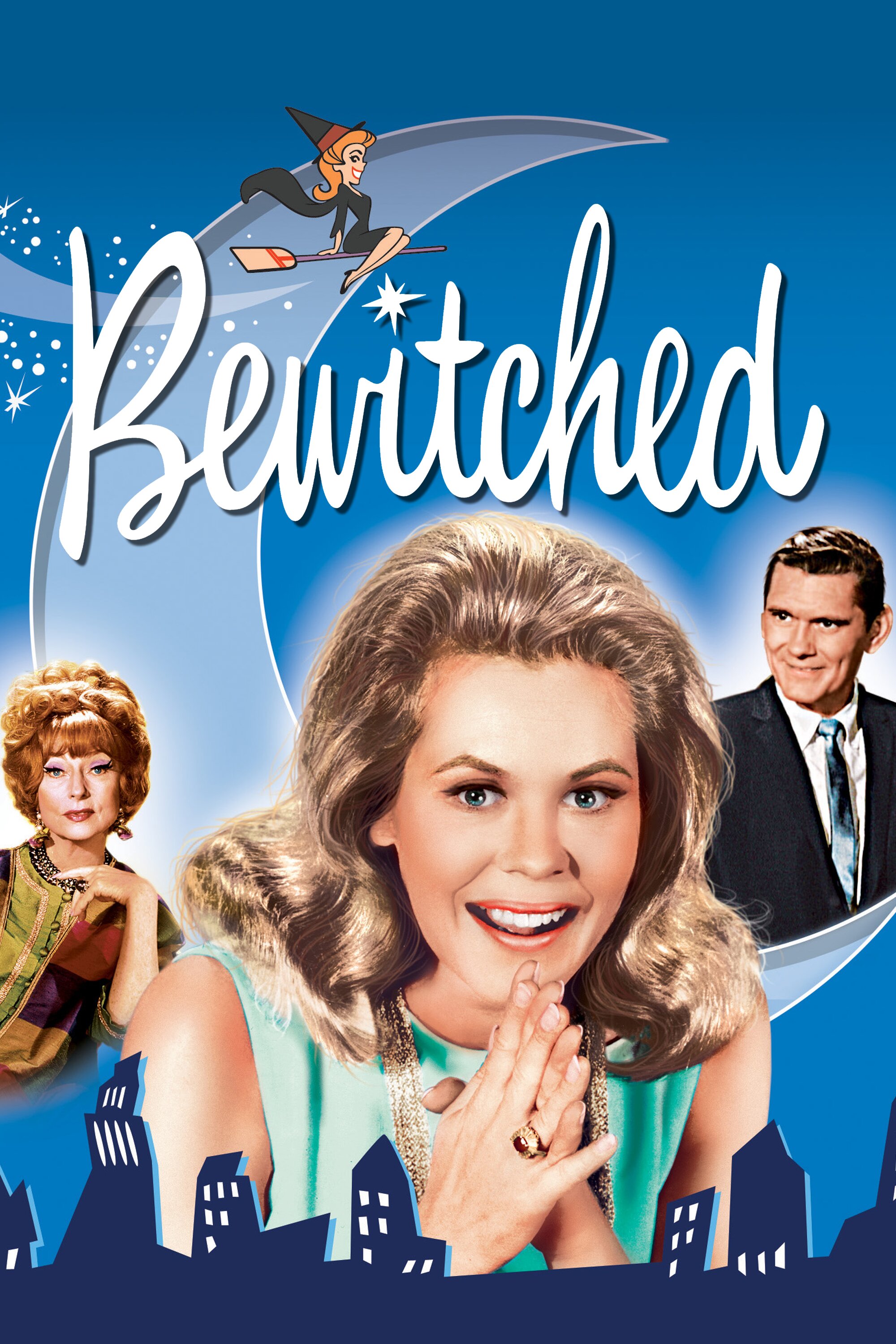
Bewitched1964
A suburban family grapples with a supernatural secret that could unravel their normal life. Like *My Mother the Car*, it mines comedy from the tension between the magical and the mundane, with a spouse who knows but must keep quiet.
But Bewitched runs eight seasons and can feel repetitive. The domestic conflict that drove early episodes softens into gentler, safer territory as the show ages.
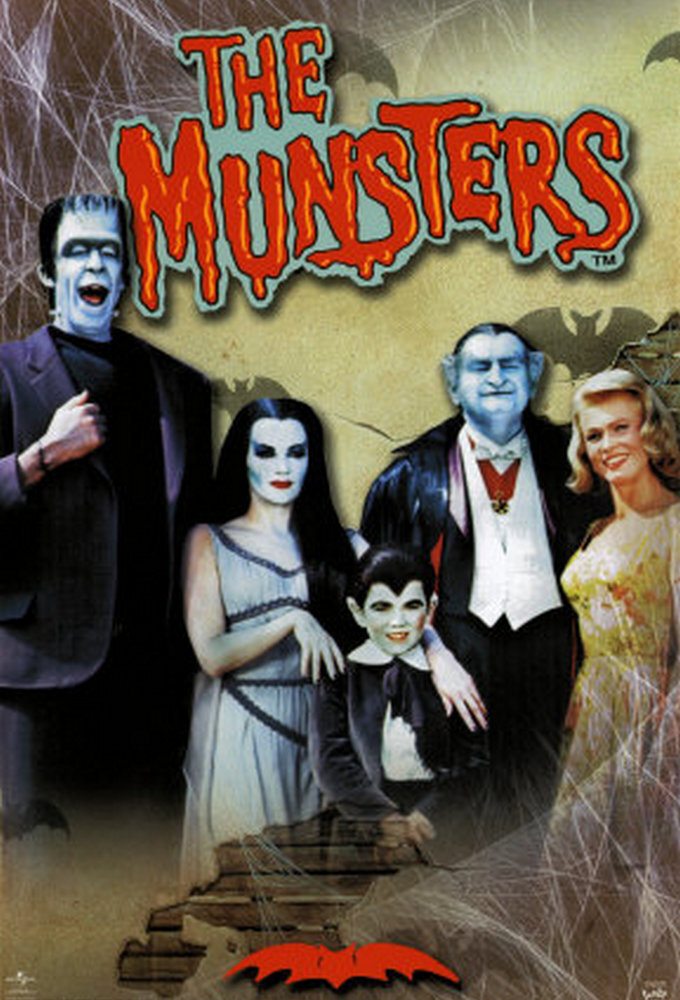
The Munsters1964
A family comedy built on a single outrageous premise—these are monsters living as suburbanites—executed with deadpan sincerity and genuine affection for its characters. Same era, same willingness to be weird.
But The jokes are broad and the plots are thin. If you need sharp writing or character development, you'll find it thin going.
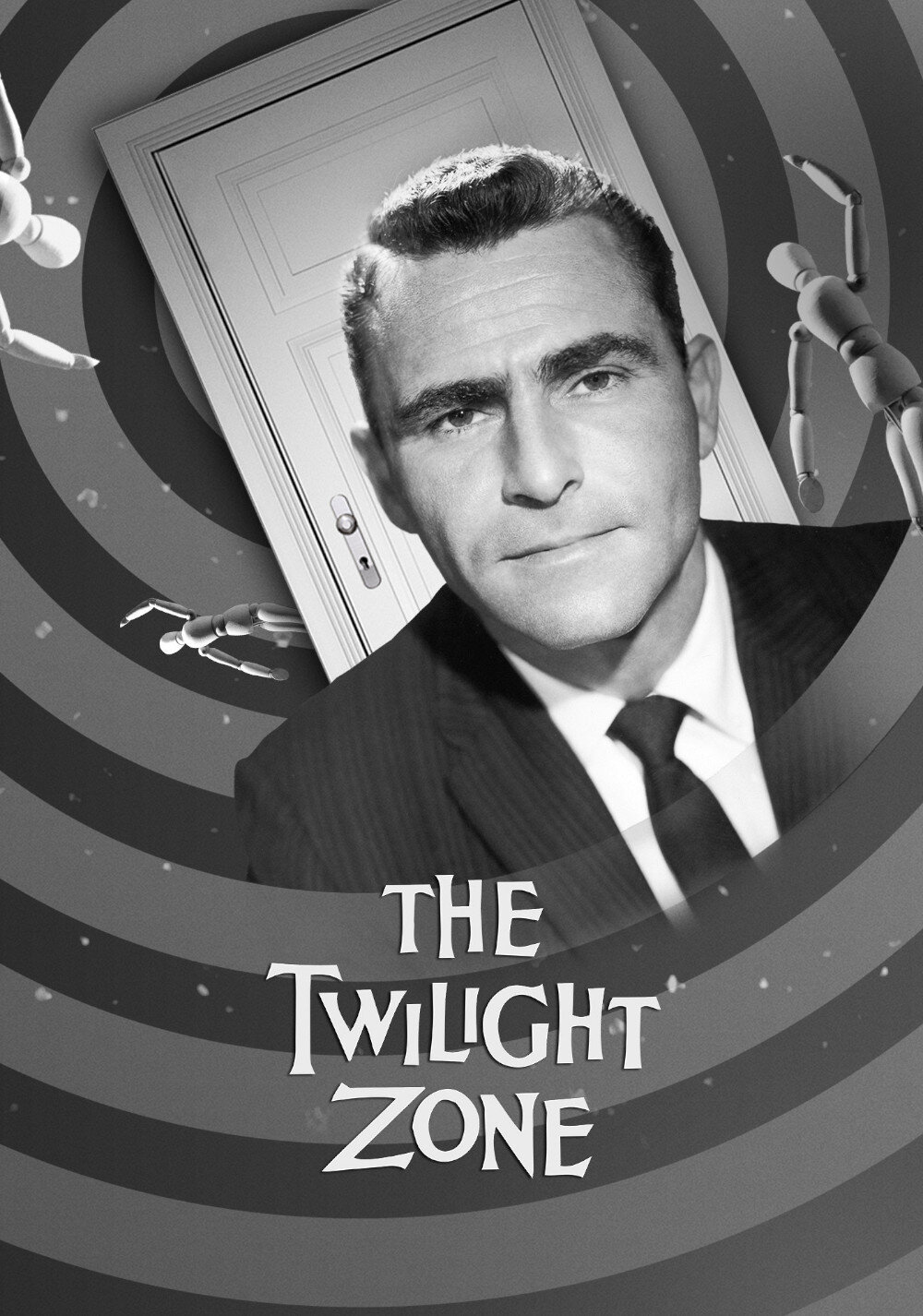
The Twilight Zone1959
Explores the absurd and impossible with the same earnest 1960s craft. Episodes like 'It's a Good Life' share *My Mother the Car*'s DNA: take one surreal element seriously and see what breaks.
But A 156-episode anthology means uneven quality. Some episodes are brilliant; others feel like they were written on a lunch break.
Not sure tonight? Get a pick in a minute, starting from My Mother the Car
The wildcard
Something you would not have found on your own.
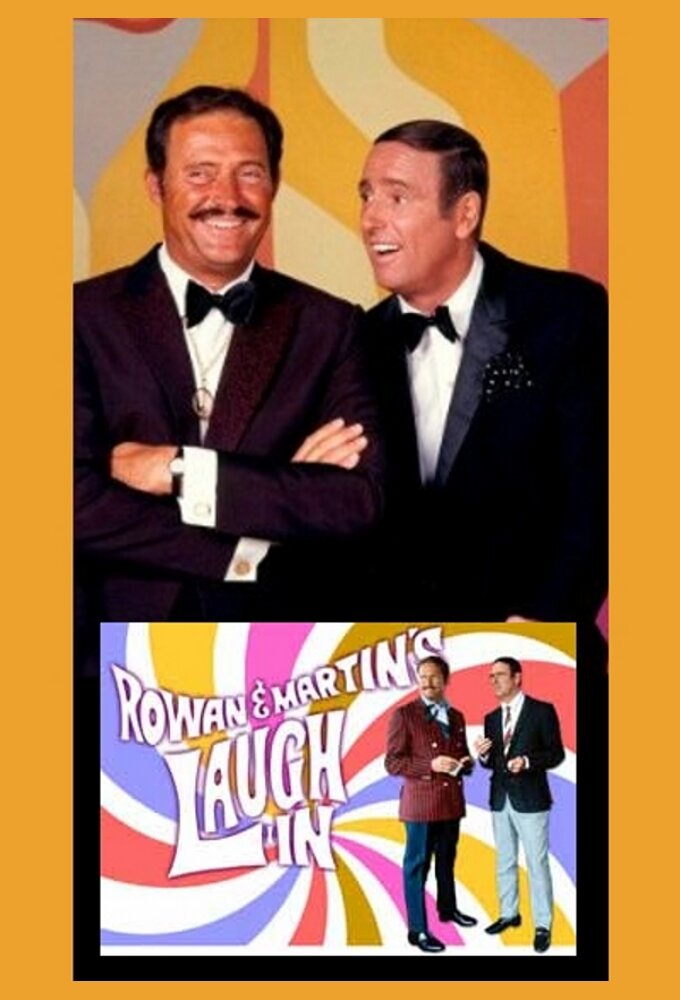
Rowan & Martin's Laugh-In1967
Both refuse to apologize for being strange. Where *My Mother the Car* committed to a single absurd premise, *Laugh-In* committed to the principle that anything, no matter how surreal, could be funny.
A variety show that dismantled the sitcom format entirely—fast cuts, non-sequiturs, absurdist sketches, and refusal to explain the joke. If you love the sheer weirdness of *My Mother the Car*, this is what comedy could do when it stopped trying to make sense.
But It's a collage. If you need narrative coherence or character development, you'll find none. The humor is extremely of-its-time; many jokes have fossilized.
More like this (8)
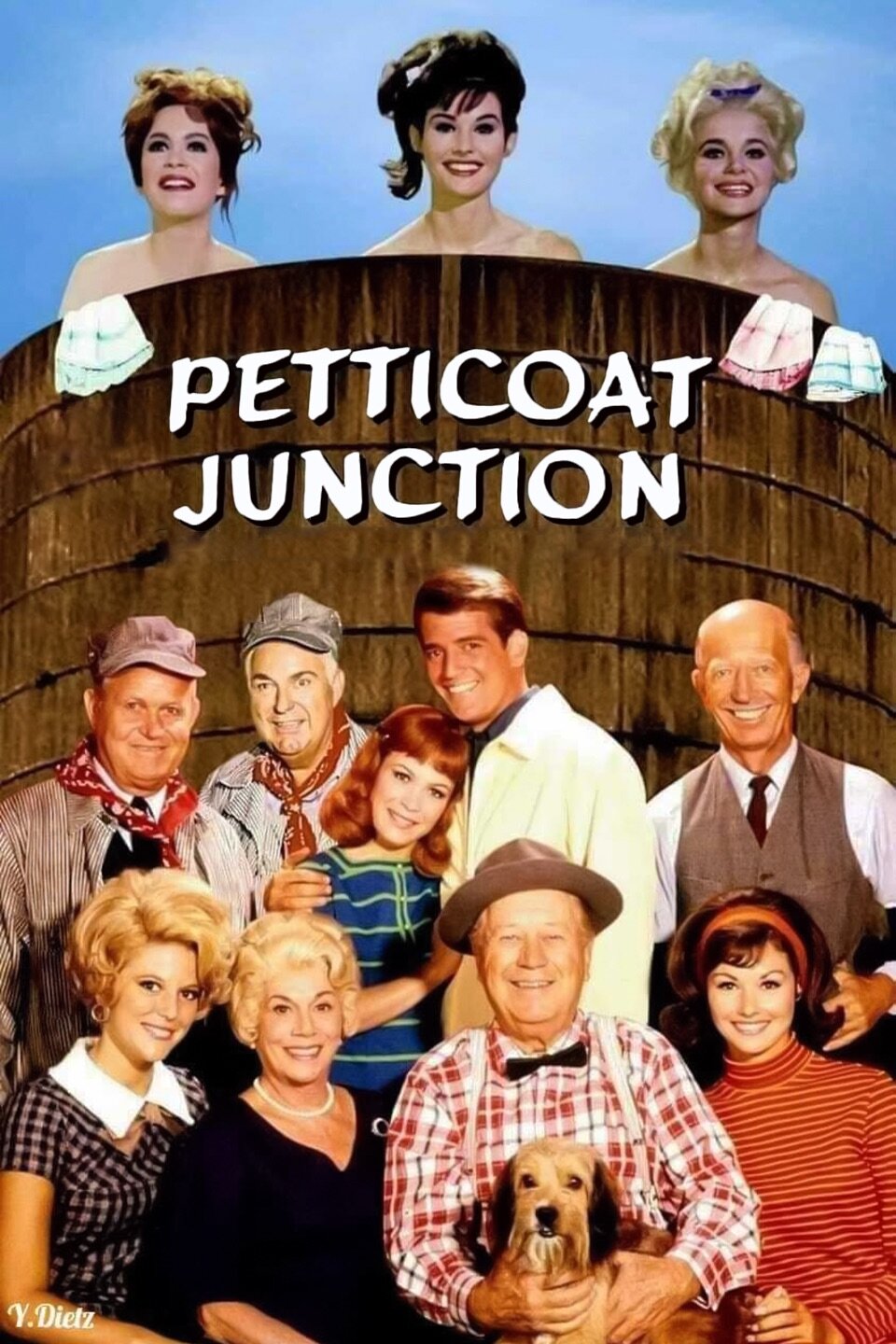
Petticoat Junction1963
Rural family sitcom with charm and genuine warmth. If you loved the family dynamics and the earnest sweetness of *My Mother the Car* beneath the absurdity, this delivers that tone without the talking automobile.
But The plots are thin and the humor is very gentle. By modern standards it can feel slight and slow.
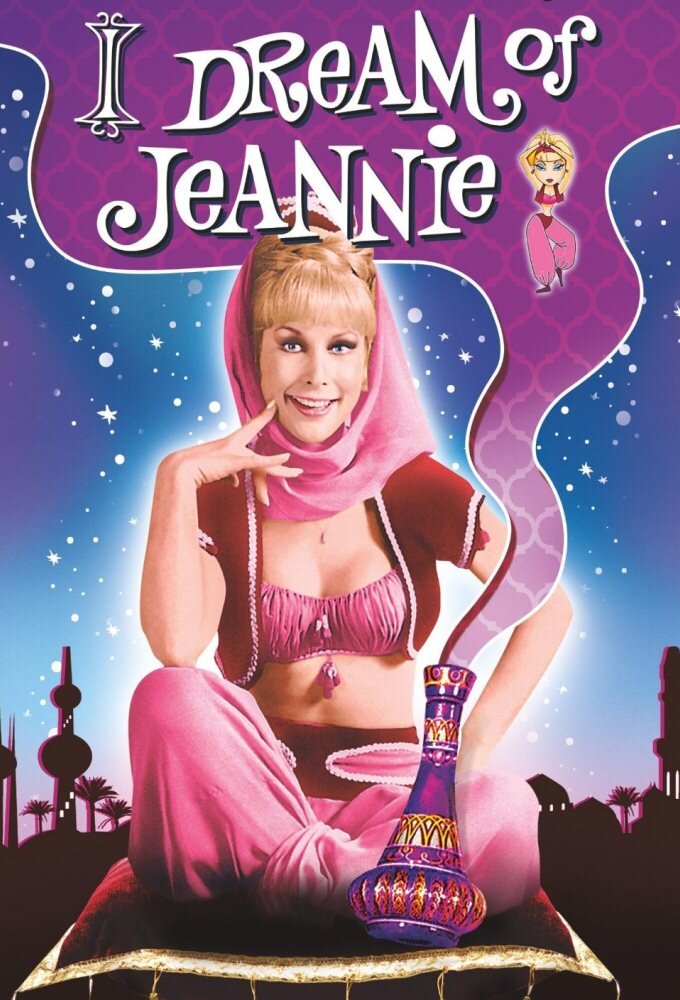
I Dream of Jeannie1965
Launched the same year with a similarly outlandish premise—a genie emerges from a bottle—yet played with absolute conviction. Another example of 60s sitcoms building entire shows on 'what if this impossible thing happened?'
But The gender dynamics feel dated and the formula grows repetitive quickly. Five seasons may test your patience.
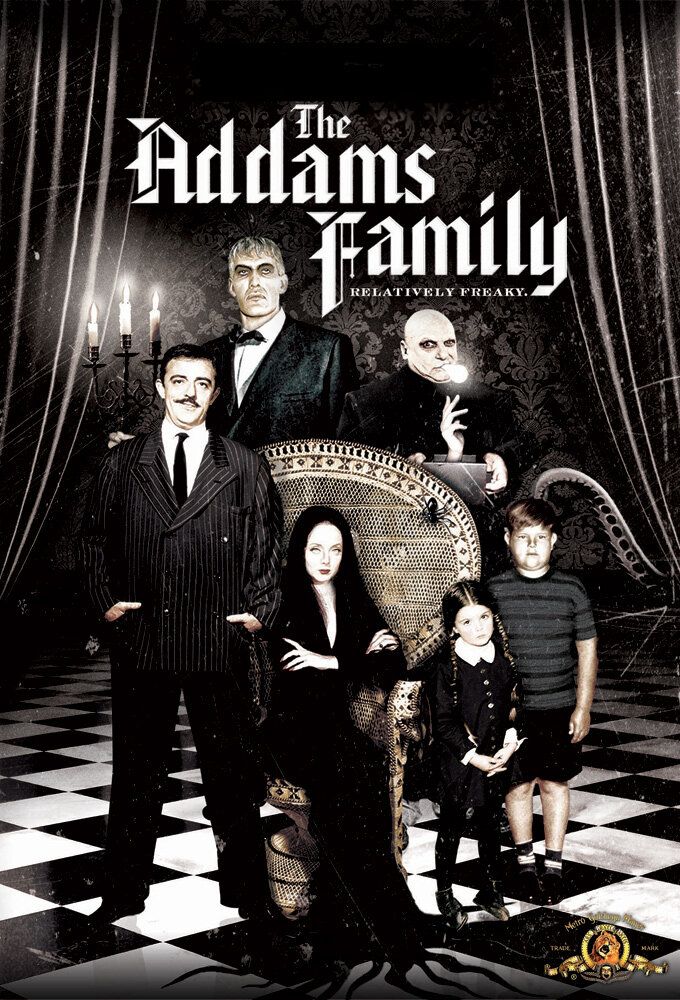
The Addams Family1964
A family comedy where the premise—they're weird and everyone else is normal—gives permission to be strange. Smarter and sharper than much of its competition, with real wit underneath.
But Two seasons is all you get. The show ends before it has time to outstay its welcome, which is both a blessing and a frustration.
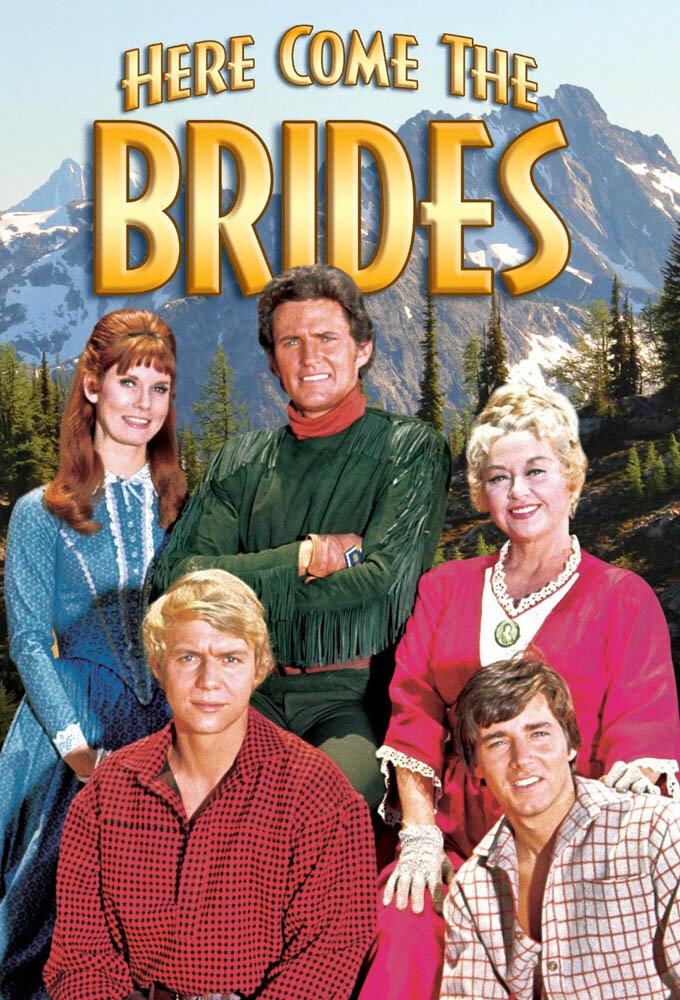
Here Come the Brides1968
Another NBC series willing to build comedy around a wild premise (a matchmaking scheme in the Old West). Shows what the network was willing to greenlight in this era.
But It's workmanlike and forgettable. Watching it feels like homework rather than pleasure.
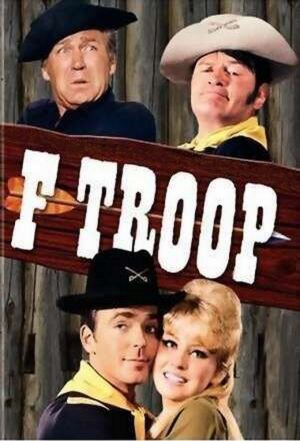
F Troop1965
A Western sitcom that doesn't pretend to make sense. Cheerful absurdism and genuine affection for its characters, even when the plots are nonsense.
But The comedy is broad and relies on slapstick. If you need anything resembling realism or subtlety, keep moving.
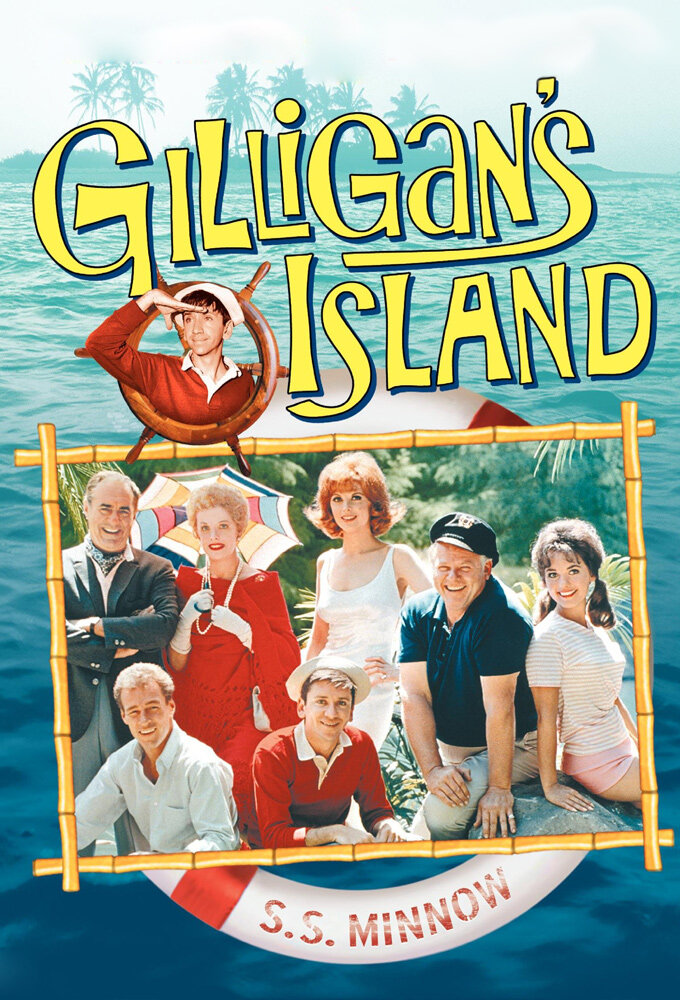
Gilligan's Island1964
Another premise-driven comedy that committed fully to its own logic. Seven castaways trapped on an island, solving the unsolvable week after week. Same era, same spirit of 'let's see where this goes.'
But Three seasons of the same plot beats can feel exhausting. The show doesn't evolve; it cycles.
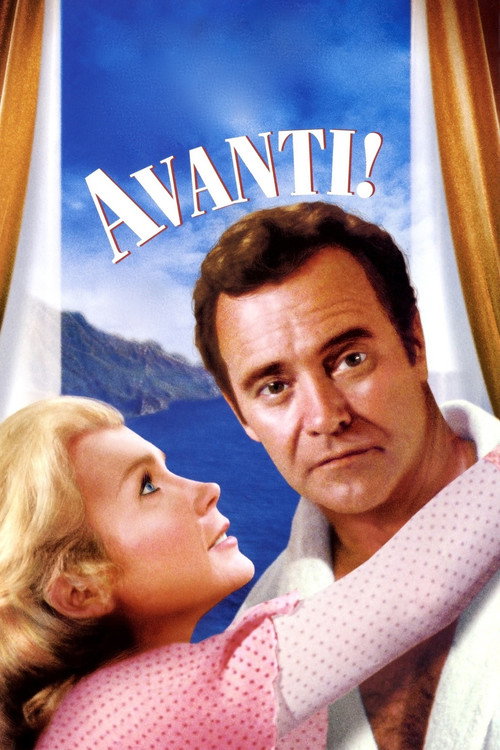
Avanti!1972
Both center on a man entangled in a situation he cannot control or explain to his wife, and both find comedy in his increasingly frantic attempts to navigate it. The tone is different—Wilder's is sophisticated where *My Mother the Car* is earnest—but the engine is the same.
A Billy Wilder comedy where a middle-aged man falls into an increasingly preposterous situation and the film finds warmth and humanity in the mess. Urbane, risqué for its era, and genuinely funny. Proves absurdist premises can work in the hands of a master.
But It's a mid-budget comedy from the 70s. If you need constant action or modern pacing, it will feel slow.
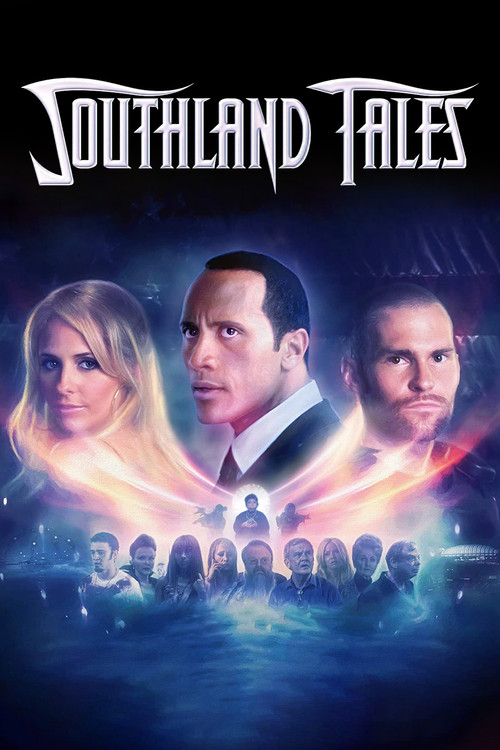
Southland Tales2007
Where *My Mother the Car* asked 'what if your dead mother was a car?' and then straightforwardly answered that question, *Southland Tales* asks impossible questions and refuses to answer them. Both are comedies built on accepting the premise and moving forward; both find their humor in the collision between the surreal and the mundane.
Richard Kelly's maximalist science-fiction comedy where the plot barely matters because the texture and weirdness are the point. Ambitious, bewildering, and genuinely interested in what happens when you commit to a bizarre premise instead of explaining it away.
But It's a mess. The plot doesn't cohere, the tone is all over the place, and many viewers find it incomprehensible or self-indulgent.
People
Cast



Writing
- Allan BurnsCreator
- Chris HaywardCreator
Production
- David DavisAssociate Producer
- Rod AmateauProducer