
Television series
Kaichou wa Maid-sama!
- Comedy
- Light-hearted
A sharp-tongued student council president reforms her rowdy school by sheer force of will—then discovers her perfect image masks a secret: she works nights as a maid at a café. When the school's most infuriatingly perfect student finds out, their dynamic flips from antagonism to something far more complicated. Brisk, charming, and genuinely funny about the gap between public and private selves.
Should you watch it?
Watch it if you love a romantic comedy built on a sharp, bossy heroine who runs her world with iron discipline and a gentle, quietly flustered heart beneath it, and you enjoy the sparring more than the grand gestures.
Skip it if you want slow-burn tension or emotional depth, since this is a light, bouncy series that leans on repeated misunderstandings, broad slapstick and gags that can feel recycled over twenty-six half-hour episodes.
What it asks of you: Half an hour an episode and a full season's worth of commitment, so keep it in the background for an easy evening rather than expecting it to build toward anything heavy.
Not sure? Find tonight's pick in a minute.
If you liked this
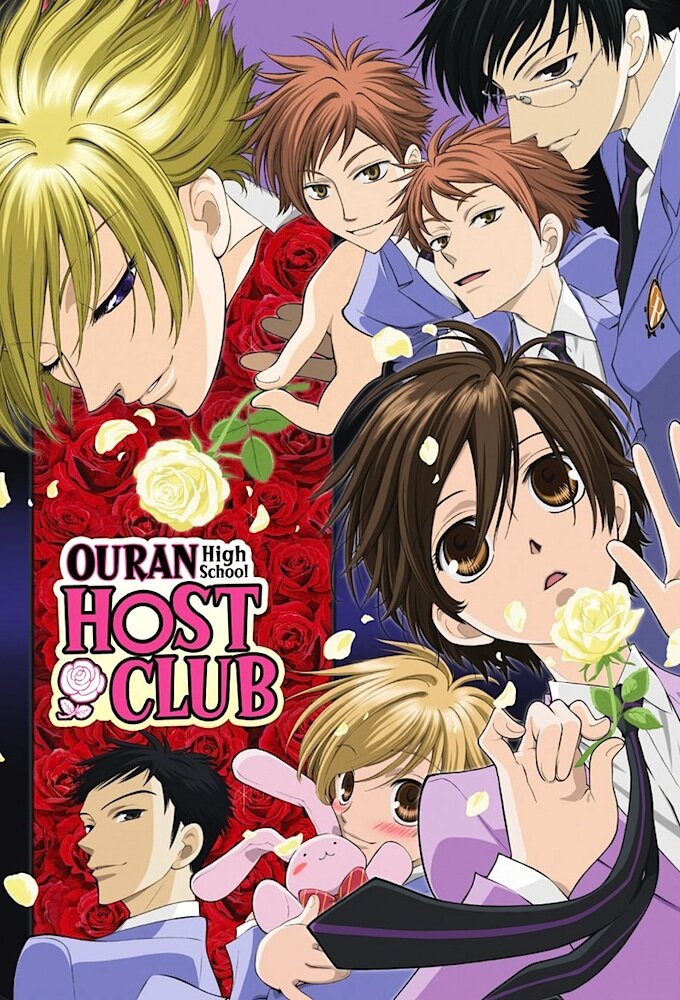
Ouran High School Host Club2006
A similar premise—elite school, social performance, a protagonist who refuses to play the game—but with wilder energy and richer ensemble chemistry. The romance is less central, the comedy sharper and more inventive.
But Moves faster and weirder than Maid-sama, which means less time for the quiet character moments some viewers prefer. The humor skews surreal.
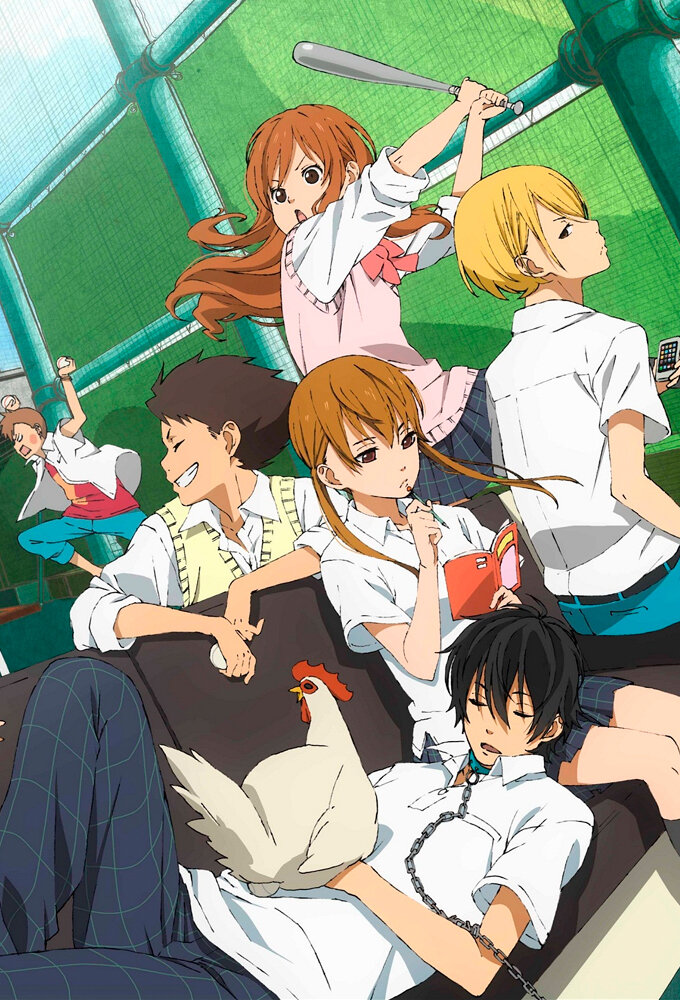
Tonari no Kaibutsu-kun2012
Same era, same sensibility: a careful girl and a chaotic boy, tension that turns tender, high school as the stage. But this one dwells longer in genuine awkwardness and has a less predictable emotional rhythm.
But Slower paced. The romance takes its time and some find the female lead's passivity frustrating, even as the show seems aware of it.
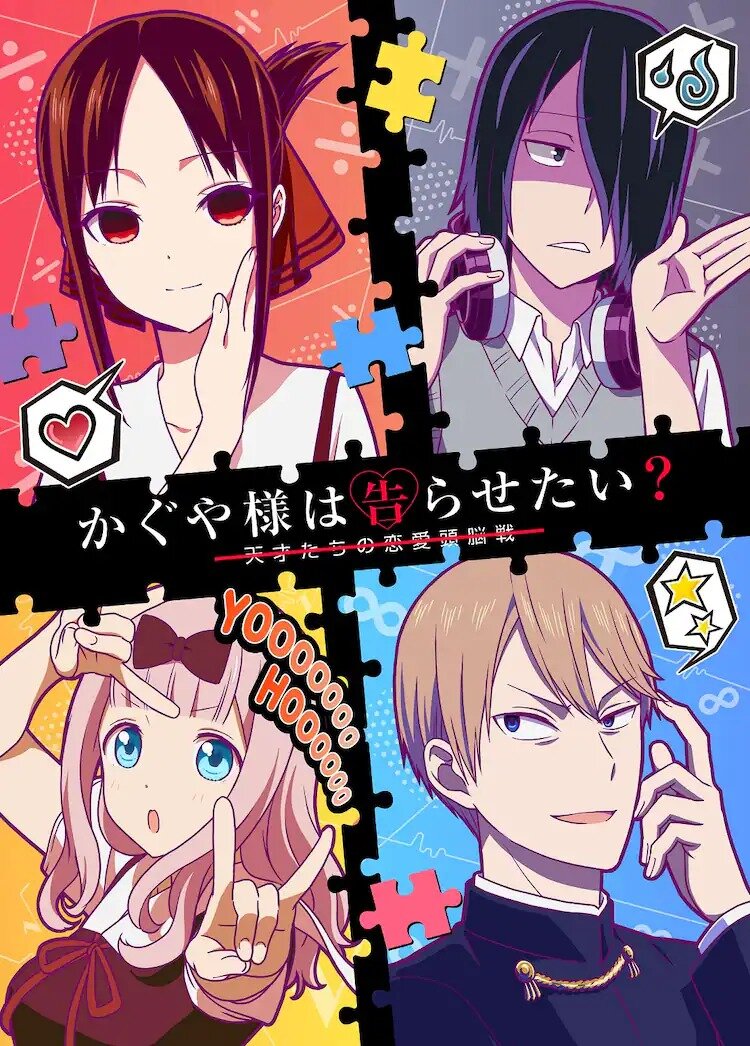
Kaguya-sama: Love Is War?2019
Takes the game of social performance and romance seriously—two brilliant people playing chess with their feelings. Hilarious, inventive, and the emotional payoff actually lands because the characters earn it.
But Very meta humor that alienates some viewers. The first arc is stronger than later ones, and if you want straightforward romance, the posturing gets exhausting.
Not sure tonight? Get a pick in a minute, starting from Kaichou wa Maid-sama!
The wildcard
Something you would not have found on your own.
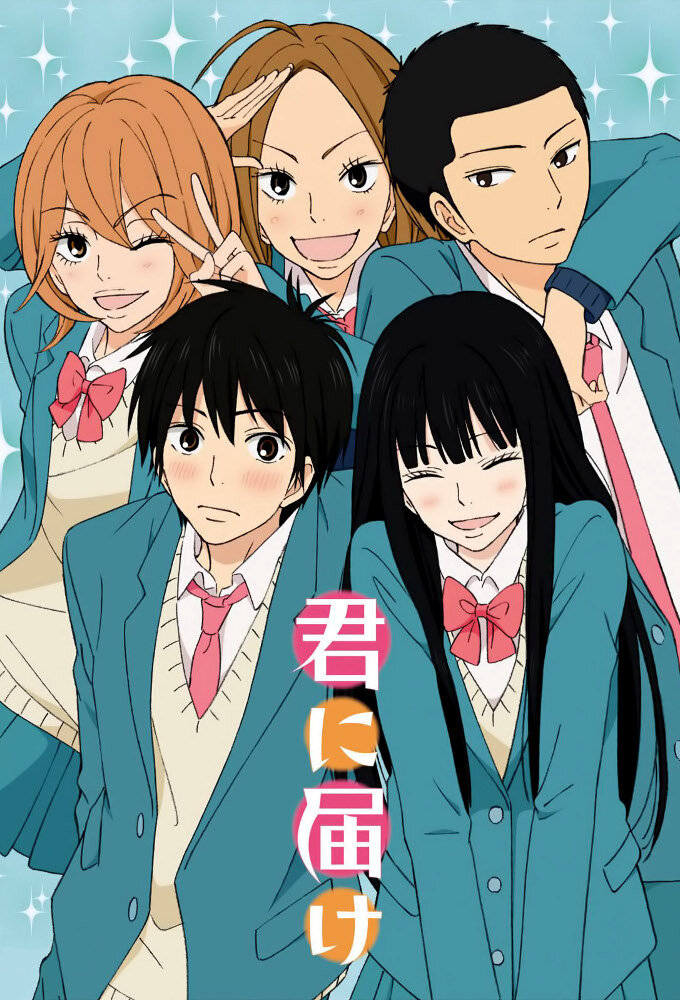
Kimi ni Todoke2009
Both center a female protagonist whose public image—fierce, intimidating—masks a more vulnerable truth. Both are kind to their characters in ways that reward patience.
A girl thought to be cold and scary discovers friendship and romance, but the show is genuinely about how perception shapes reality. Gentle without being soft. The emotional register is entirely its own.
But Very slow. Some arcs circle back repeatedly. The first season is stronger than the second. If you need plot momentum, it feels static.
More like this (4)
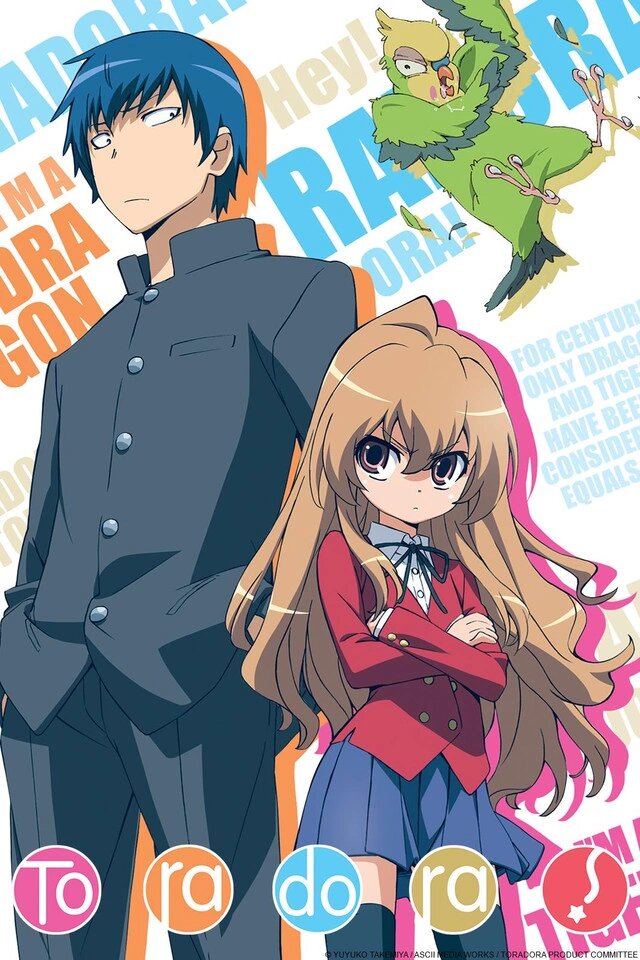
Toradora!2008
A gentler romantic comedy about two misfits forced to work together, with actual emotional nuance. The supporting cast is excellent and the show earns its sweeter moments.
But More melodrama in the back half than some want. The female lead's design reads as appealing-but-tiny in a way that bothers viewers conscious of that archetype.
Gekkan Shoujo Nozaki-kun2014
Smarter than it first appears. A girl falls for a boy who's obliviously dense, but the show is really about creativity, awkwardness, and people being genuinely funny with each other.
But Refuses to move its romance forward. If you want resolution or serious development, you'll be frustrated by its commitment to the bit.

B Gata H Kei2010
A female-forward romantic comedy that refuses coyness. Direct, funny, surprisingly tender about desire and vulnerability. The lead is refreshingly unapologetic.
But Sexually frank in a way that surprises people expecting traditional shoujo. The animation quality dips. Some find the humor juvenile.

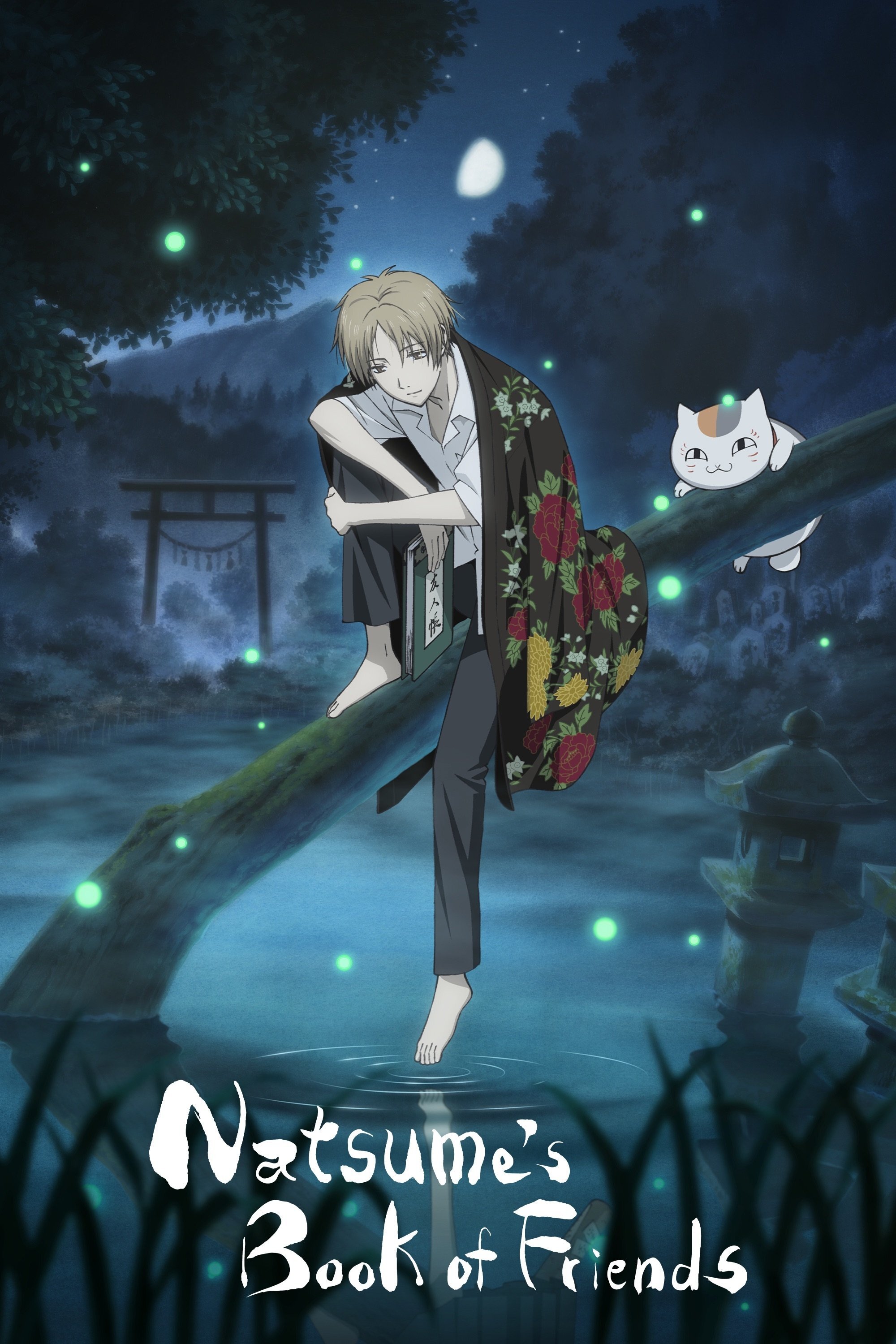
Natsume's Book of Friends2008
Like Maid-sama, it's about the gap between how people see you and who you are—but applied to a person learning to accept being known. Both are ultimately about the relief of dropping a mask.
A boy inherits a book of yokai names and begins freeing spirits—quiet, episodic, profound. Each episode is small, but they accumulate into something moving about loneliness, connection, and being seen. Utterly warm.
But Episodic structure means it meanders. Very little plot momentum. If you watch anime for high stakes and escalation, this will feel deliberately paced down.
People
Cast










Recommended by
Ouran High School Host Club, Yamada-kun to 7-nin no Majo, Kubo Won't Let Me Be Invisible, B Gata H Kei, Tonari no Kaibutsu-kun