
Television series
Gintama
Gintama is a gleefully anarchic anime comedy set in an alien-occupied feudal Japan where a lazy, candy-addicted samurai and his ragtag crew take whatever jobs keep the rent paid. It's absurdist, digressive, deeply funny, and unafraid to pause a fight scene for a philosophical tangent. For viewers who love character-driven humour and don't mind their action undercut by silliness.
Should you watch it?
Watch it if you enjoy absurd, scattershot parody that undercuts itself every few minutes, and you find a crew of broke, unreliable slackers strangely lovable.
Skip it if you want a tidy, self-contained story, since this sprawls across hundreds of episodes and its gag-heavy rhythm can feel scattered, with serious stretches arriving abruptly.
What it asks of you: Commitment more than attention: it runs in long, loosely linked stretches of roughly twenty-five minutes, and you'll need patience for detours before the jokes pay off.
Not sure? Find tonight's pick in a minute.
If you liked this
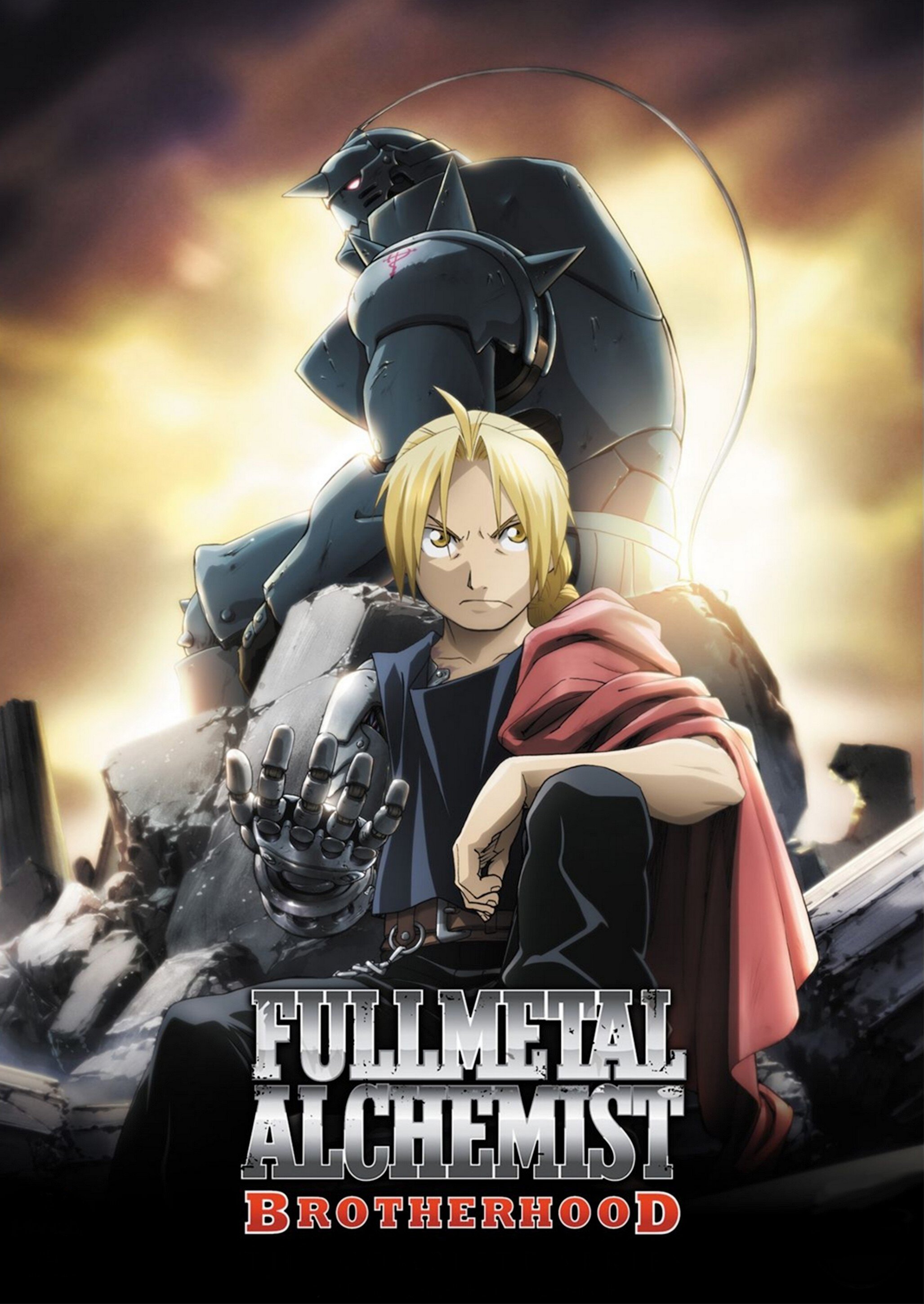
Fullmetal Alchemist: Brotherhood2009
A propulsive, genre-blending narrative that balances serious themes with genuine humour, character arcs that genuinely matter, and a magic system that's clever rather than convenient.
But It starts slowly and takes thirty episodes before the major plot reveals begin in earnest.
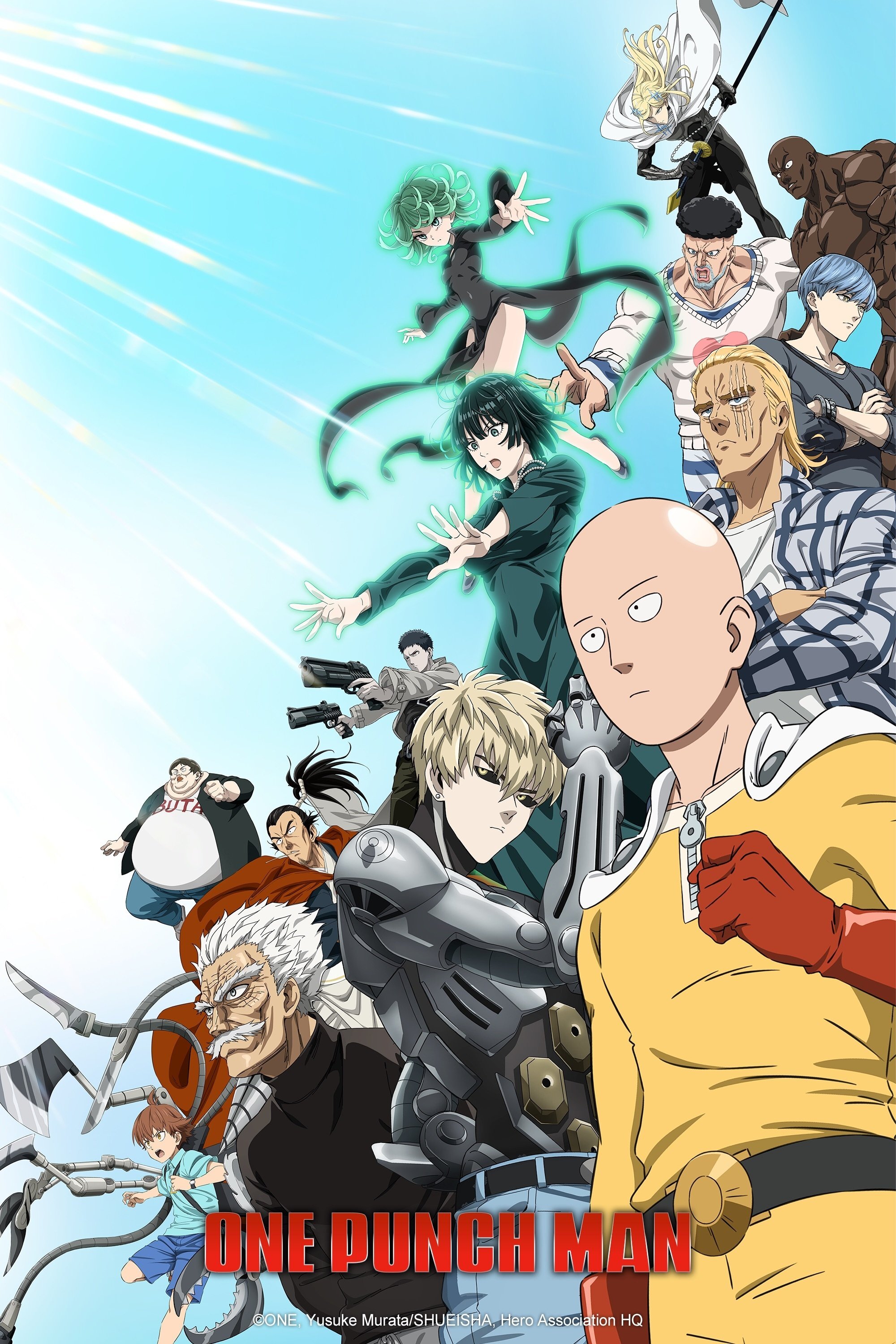
One-Punch Man2015
Deconstructs superhero tropes with the same comedic precision Gintama brings to action. Gorgeous animation, a deadpan lead character, and the understanding that the funniest fights are the ones that are over instantly.
But Season 2's animation quality dips considerably, and the novelty of the core joke wears thin by the end.
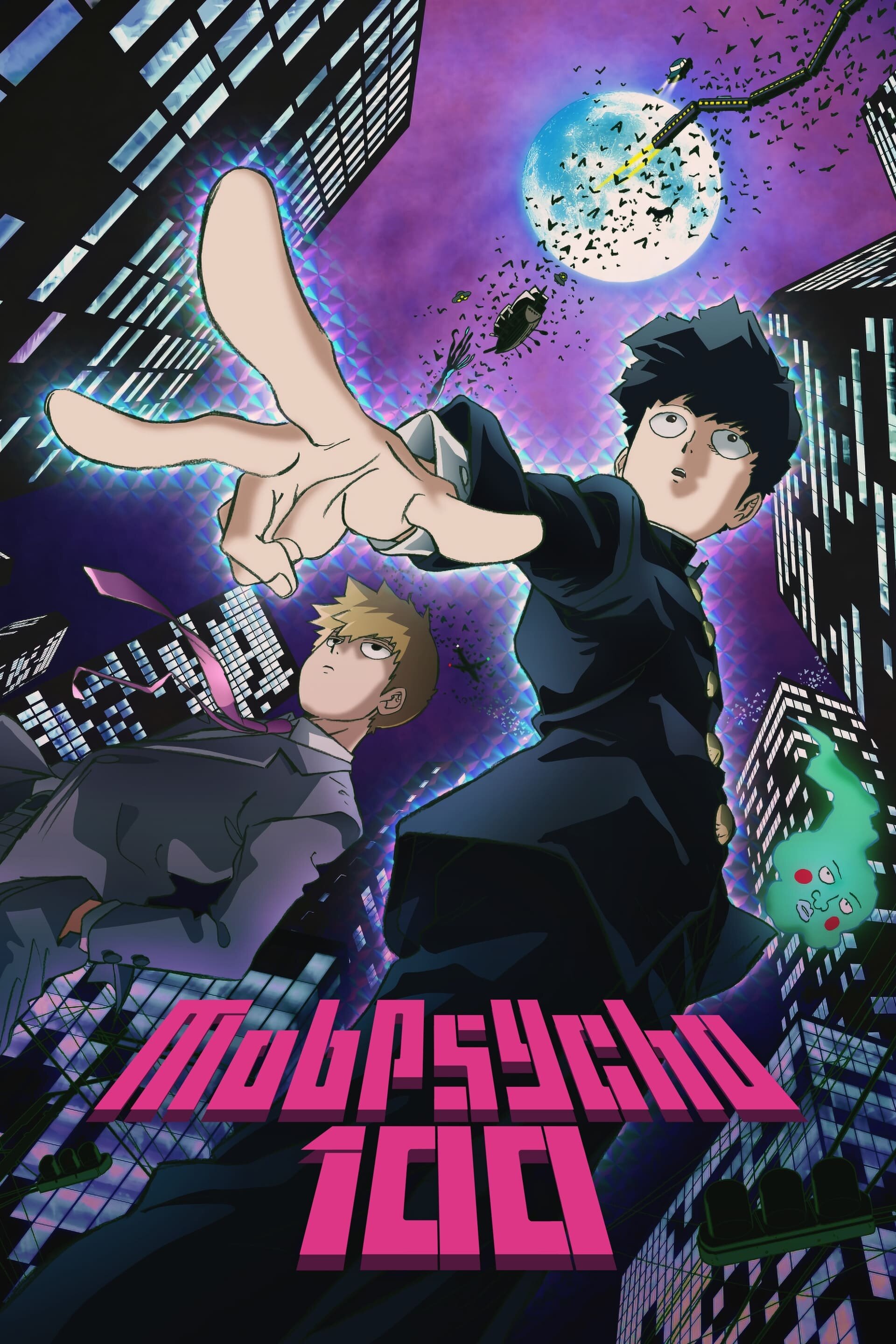
Mob Psycho 1002016
Character-focused comedy anime with a genuinely kind protagonist, stunning visual direction, and the rare ability to shift between hilarity and real emotional weight without whiplash.
But The second season's plot feels more conventional, and some might find the protagonist's passivity frustrating.
Not sure tonight? Get a pick in a minute, starting from Gintama
The wildcard
Something you would not have found on your own.
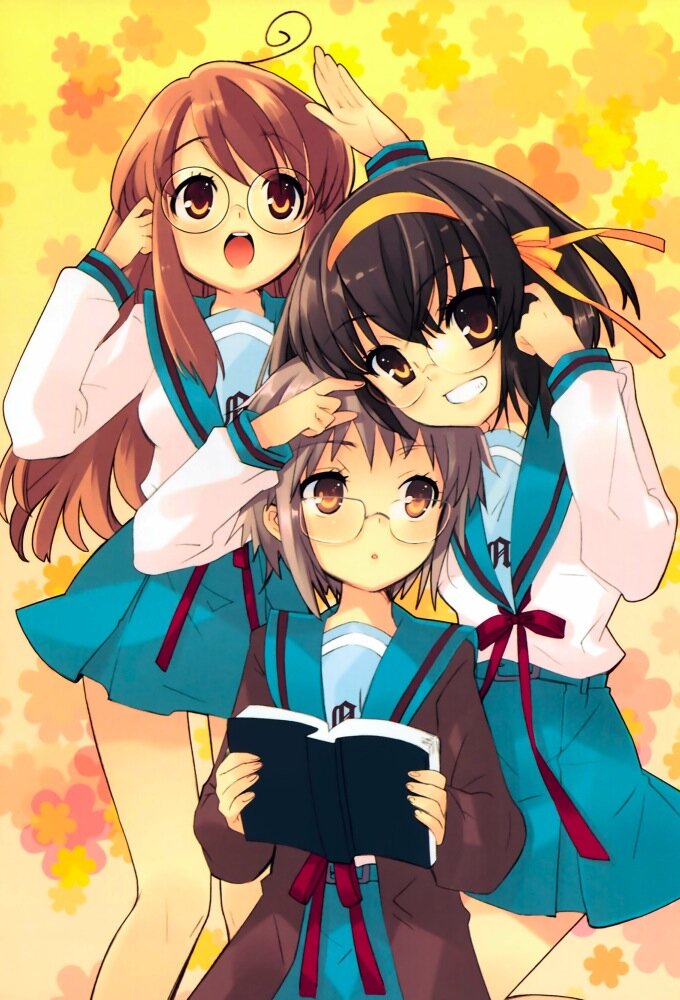
Suzumiya Haruhi no Yuuutsu2006
Both use comedy to explore the gap between how characters see themselves and reality; both make the audience complicit in the joke. Gintama's digressions are intentional chaos; Haruhi's digressions are intentional confusion. The effect is similar: a destabilisation of narrative expectation that becomes its own pleasure.
A mystery wrapped in a high-school comedy that deconstructs anime fandom itself, features a god-like protagonist who's unaware of her power, and uses formal brilliance to make the absurd feel inevitable.
But The famous endless eight episode arc repeats the same day eight times with minimal changes; it's conceptually fascinating and genuinely tedious.
More like this (6)
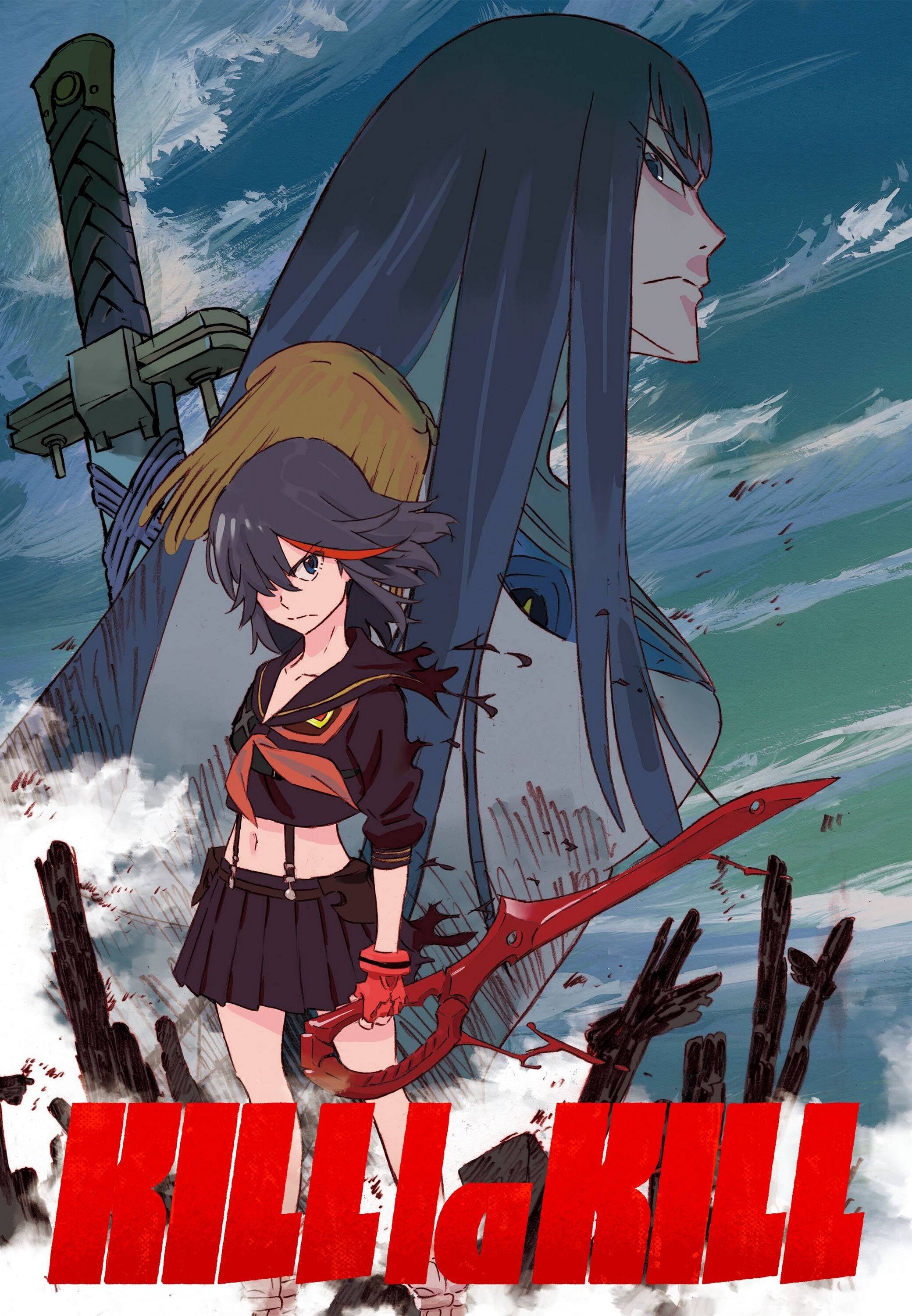
Kill la Kill2013
Bonkers energy, constant visual invention, and a protagonist who's funny precisely because she's so committed to her ridiculous goals. Trashy and clever at once.
But The fanservice is relentless and integral to the comedy; if that doesn't land for you, nothing will.
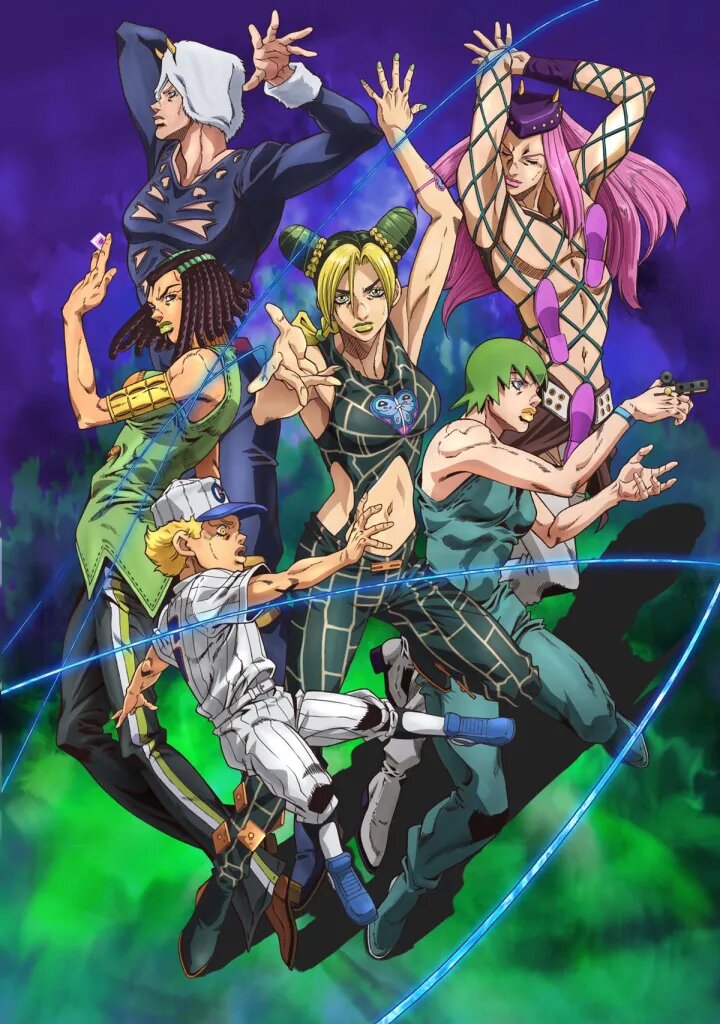
JoJo's Bizarre Adventure2012
Escalates its own absurdity with genuine joy, features some of anime's best comedic timing, and takes itself seriously enough to make the stakes feel real despite the ridiculous premise.
But It's seventeen seasons long and the tonal shifts between parts can feel jarring if you're not in the right headspace.
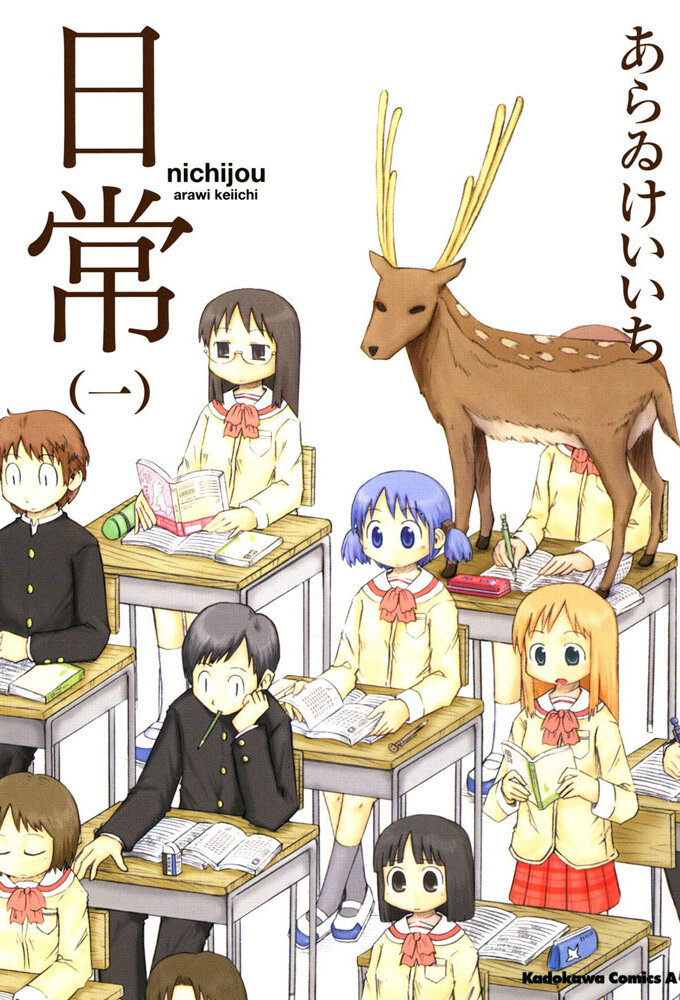
Nichijou2011
Rapid-fire gag comedy with incredible visual timing, sketch-based structure allows for variety, and it's uninterested in plot or character development—just pure comedic invention.
But Gag anime either click or they don't; if the style of humour doesn't grab you early, it won't improve.
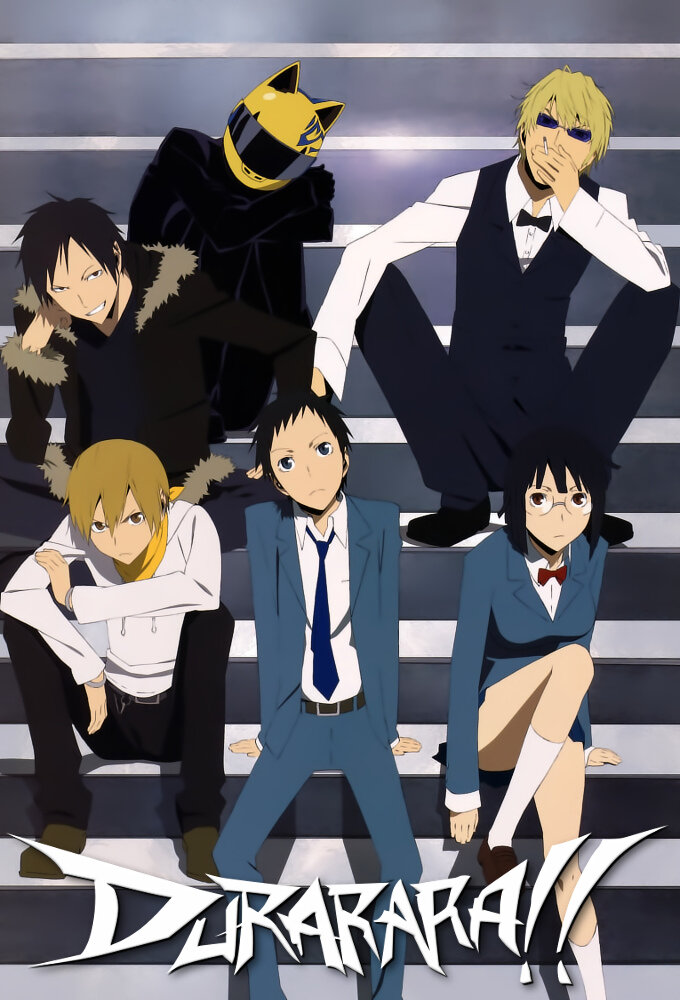
Durarara!!2010
Overlapping character storylines in an urban setting, manages ensemble comedy and mystery simultaneously, and has a refreshingly weird cast that includes a headless biker.
But The narrative structure can feel convoluted, and some arcs feel deliberately padded.
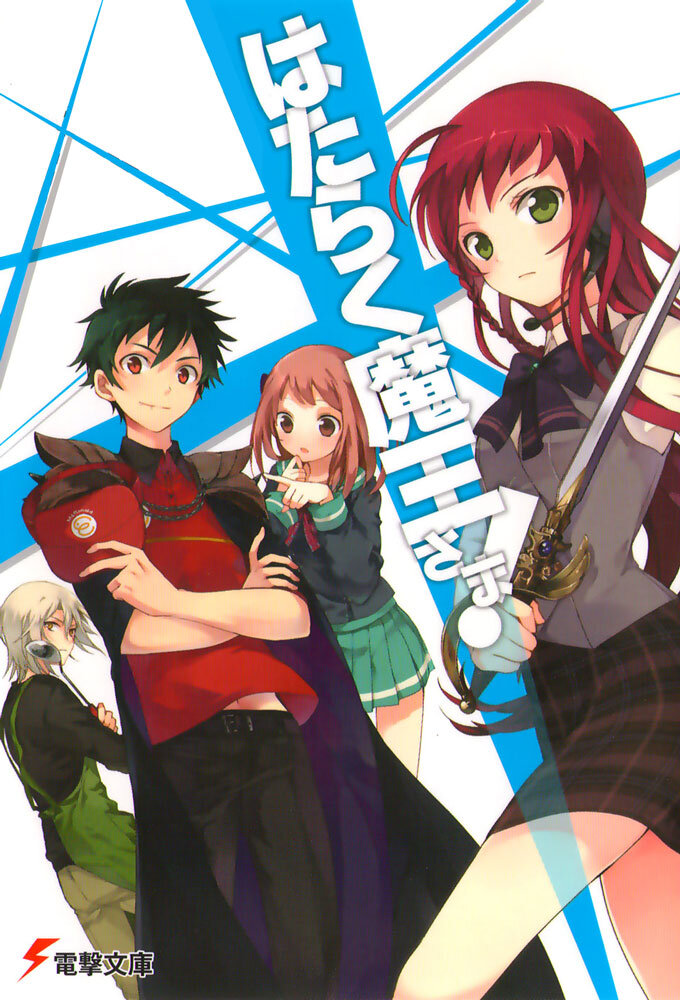
Hataraku Maou-sama!2013
Takes its premise—a demon king working at McDonald's—exactly as seriously as it should. Character chemistry is excellent and the fish-out-of-water humour is consistently sharp.
But Only thirteen episodes and the narrative never quite reaches a satisfying endpoint.
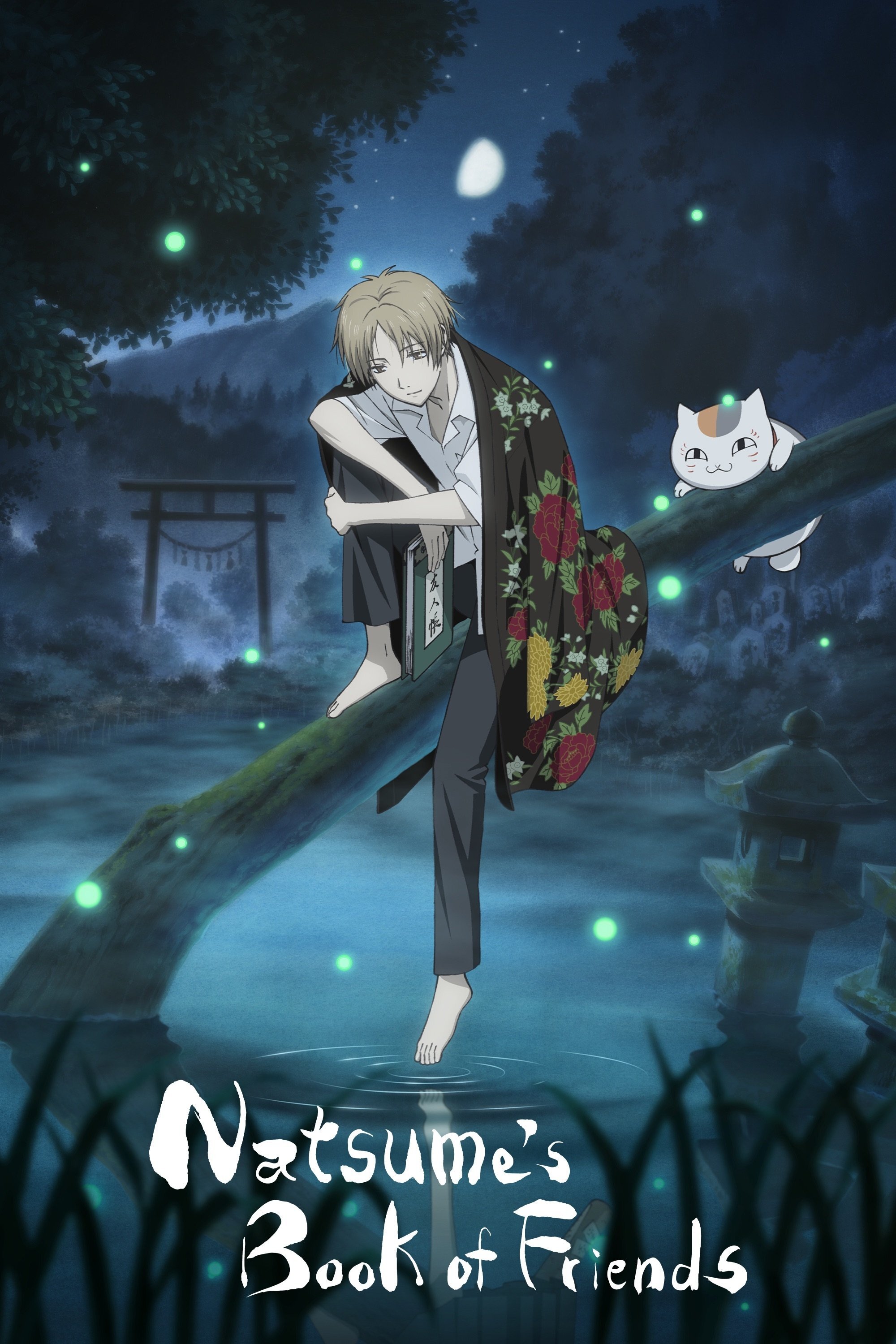
Natsume's Book of Friends2008
Both understand that episodic storytelling allows for character depth without plot momentum. Both feature a cynical protagonist with a found family, and both make their humour land through character rather than jokes. Where Gintama is anarchic, Natsume is meditative—but they're doing the same structural work: using standalone episodes to build something larger and more emotional than narrative would allow.
A gentler show about a boy who sees supernatural creatures and helps resolve their unfinished business. Each episode is a small, self-contained story; it's funny, touching, and visually beautiful.
But It's deliberately slow-paced and melancholic; if you're watching for action or rapid comedy, it will feel tedious.
People
Cast







Recommended by
One-Punch Man, Saiki Kusuo no Ψ Nan, Kono Subarashii Sekai ni Shukufuku wo!, Rurouni Kenshin: Meiji Kenkaku Romantan, The Venture Bros., Hataraku Maou-sama!