
Film
The St. Valentine's Day Massacre
Roger Corman's vivid recreation of Chicago's most notorious gangland killing. A 1967 crime film with pulp energy and period swagger, featuring Jason Robards as Capone and a cast of character actors relishing their roles. It's more concerned with atmosphere and style than historical precision—exactly the kind of lurid, violent entertainment that made the era of gangster pictures so magnetic.
If you liked this
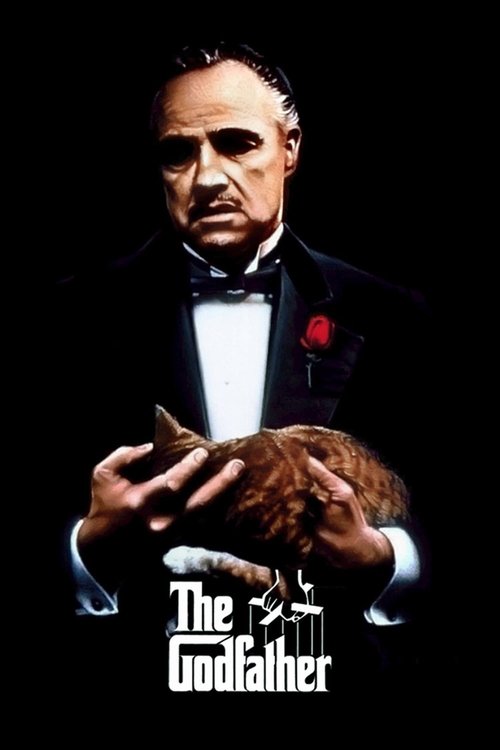
The Godfather1972
The definitive American crime epic, with infinitely more depth and artistry. If The St. Valentine's Day Massacre makes you curious about how organized crime actually worked, this is where that curiosity transforms into something transcendent.
But Nearly three and a half hours long, and deliberately measured in its pacing. It moves at the speed of power, not sensation, which can feel glacial if you're craving the pulp rush.
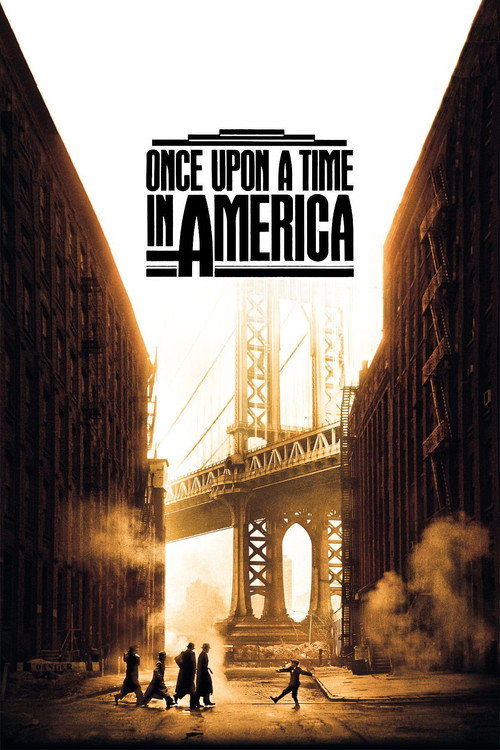
Once Upon a Time in America1984
Sergio Leone's final film: a sprawling, elegiac crime saga that treats the American underworld as mythology. Stunning, strange, and genuinely moving about friendship, loyalty, and the cost of violence.
But Cryptic structure and a deliberately slow burn. Some viewers find it impenetrable; others feel it luxuriates in its own pace without earning it.
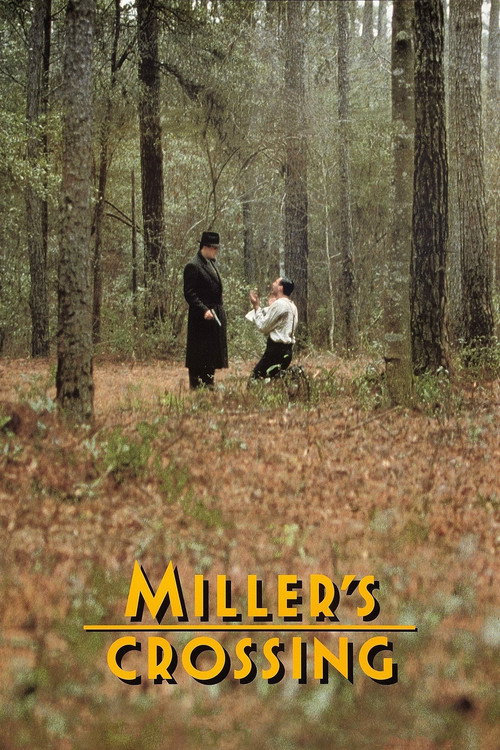
Miller's Crossing1990
The Coen Brothers' love letter to Prohibition gangster movies, with more wit and style than almost any film about organized crime. Albert Finney is magnificent, and it's funny without being flippant about the violence.
But The plot mechanics matter less than the dialogue and atmosphere. If you need clarity and forward momentum, its baroque plotting may frustrate you.
Not sure tonight? Get a pick in a minute, starting from The St. Valentine's Day Massacre
The wildcard
Something you would not have found on your own.
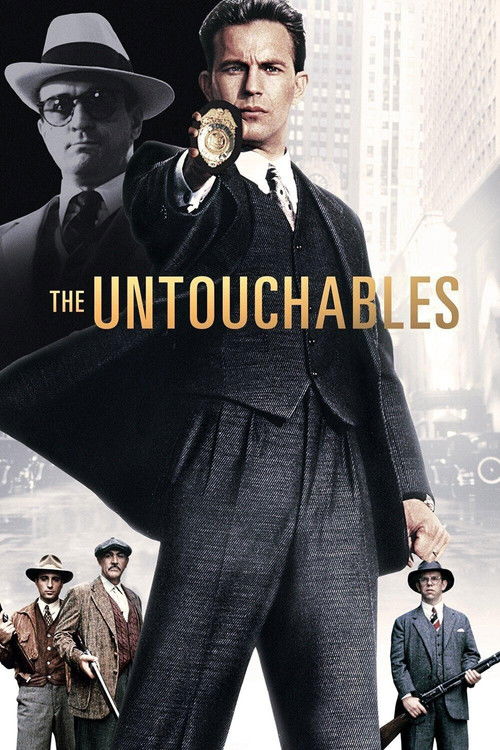
The Untouchables1987
Both films are about the St. Valentine's Day Massacre itself—this one about the federal agents trying to stop the men who committed it, viewed through a lens of tragic heroism rather than criminal pulp.
Brian De Palma's opera—the other side of the St. Valentine's Day Massacre story, told with operatic violence and moral grandeur. Kevin Costner and Sean Connery are both magnificent, and the final act is a masterclass in filmmaking.
But It's a romantic vision of law enforcement rather than a realistic one. Some find the stylization overwhelming or the violence exploitative.
More like this (8)
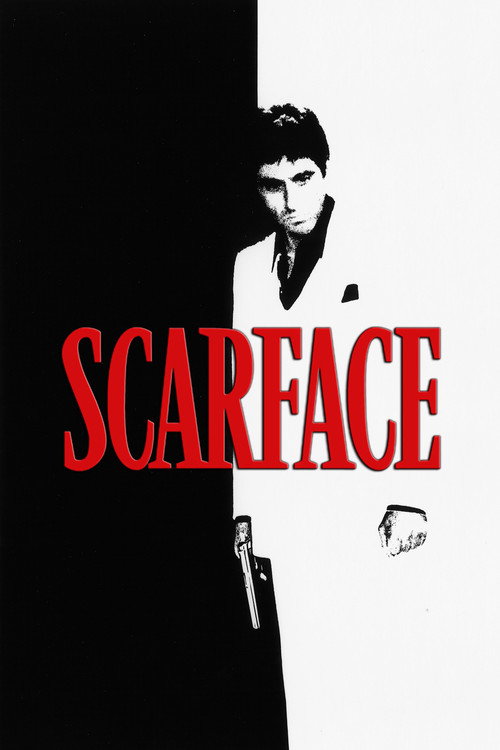
Scarface1983
A different gangster story—cocaine in Miami instead of bootlegging in Chicago—but with the same kinetic violence and moral descent. Al Pacino's intensity is almost unbearable, and it's visually stunning in its excess.
But Brutal and relentless. The violence is graphic and dehumanizing, and the film doesn't flinch or apologize. It's exhausting by design.
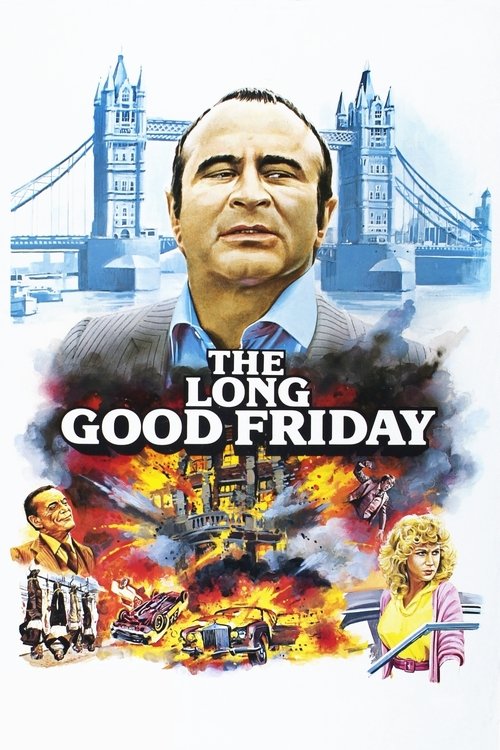
The Long Good Friday1980
A lean, smart British crime thriller with Bob Hoskins in a career-defining role. One night, one crime boss, and a mystery that unravels with real tension and gallows humor throughout.
But Smaller scale than what you might expect from a gangster film, and the ending is ambiguous in ways some find unsatisfying rather than provocative.
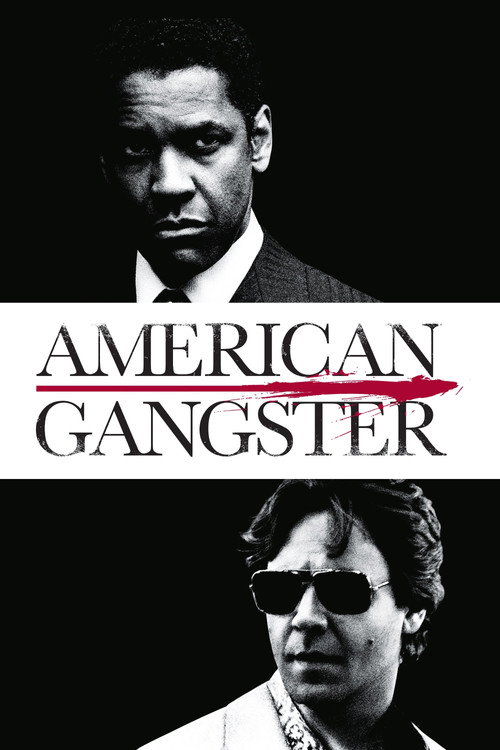
American Gangster2007
Ridley Scott's meticulous portrait of Frank Lucas in 1970s Harlem, with Denzel Washington bringing quiet menace and Joaquin Phoenix as the cop chasing him. Slick, intelligent, and visually gorgeous.
But Three and a half hours of very competent filmmaking that doesn't quite transcend its own polish. It's handsome and well-made but emotionally cool.
In a Lonely Place1950
Nicholas Ray's noir masterpiece about a Hollywood screenwriter accused of murder. Humphrey Bogart gives one of his finest performances—paranoid, desperate, genuinely frightening. Utterly absorbing.
But It's a psychological portrait more than a crime procedural. If you want plot momentum, the introspection may feel self-indulgent.

The Asphalt Jungle1950
John Huston's heist film blueprint—spare, efficient, and deeply humane about men caught in circumstances beyond their control. It influenced every crime film that came after, and it's still gripping.
But Very much a 1950 film. The pacing is deliberate, and some modern viewers find it slow compared to contemporary thrillers.

The Killing1956
Kubrick's debut: a fractured, clever heist film with Elisha Cook Jr. in a heartbreaking role. Bold structure, propulsive energy, and a fatalistic ending that sticks with you.
But The fragmented timeline can feel gimmicky, and the film treats the female characters as plot devices rather than people.

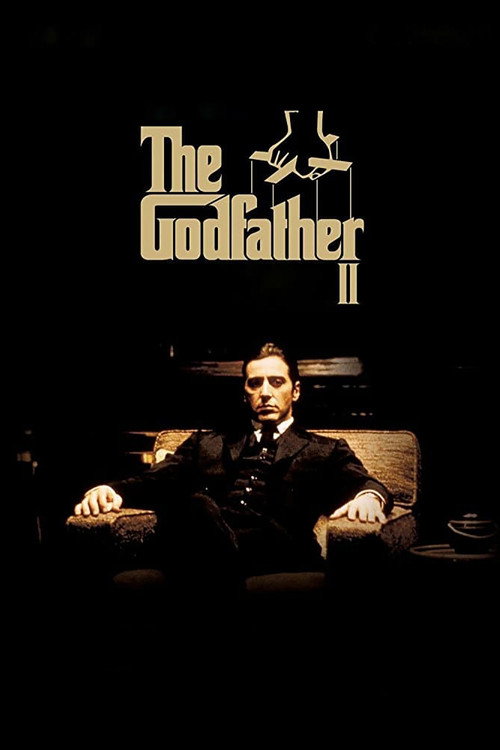
The Godfather Part II1974
Like Corman's film, it's fascinated by how individual crime bosses come to power and consolidate control—but it asks deeper questions about whether that rise is inevitable or chosen.
A sequel that equals and arguably surpasses the original. It parallels young Vito's rise with Michael's consolidation of power, creating a meditation on corruption and legacy that's profound and devastating.
But Nearly four hours. The structure requires you to hold two narratives in mind, and the pacing is even more deliberate than the first film.
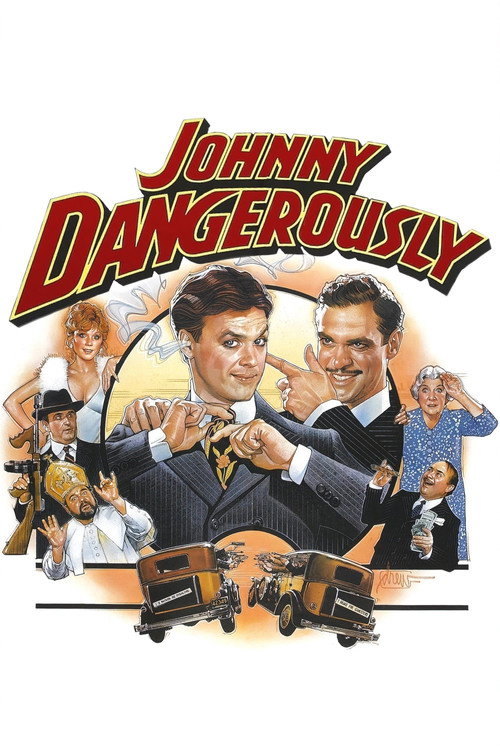
Johnny Dangerously1984
It's the only film here that treats the gangster-Prohibition genre as inherently ridiculous rather than serious or stylish—a necessary counterweight that admits how absurd these stories actually are.
A broad, stupid, genuinely funny parody of Prohibition gangster movies. Joe Piscopo is terrible in the lead; the film knows it and loves him anyway. It's anarchic and dumb in ways that are liberating.
But The humor is sledgehammer comedy, not wit. If you want satire with an edge, this is pure silliness—which is either its greatest strength or its fatal flaw.
People
Cast
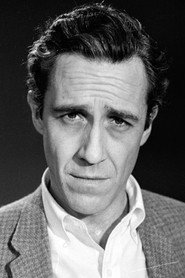 Jason RobardsAl Capone
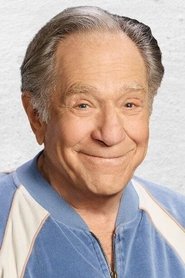 George SegalPeter Gusenberg
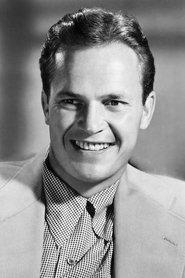 Ralph MeekerGeorge Clarence 'Bugs' Moran
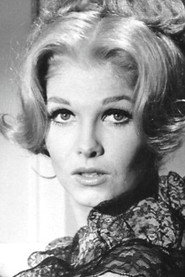 Jean HaleMyrtle
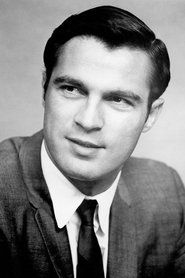 Clint RitchieJack McGurn
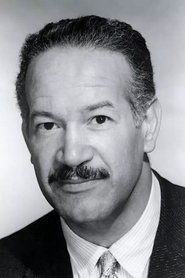 Frank SilveraNick Sorello
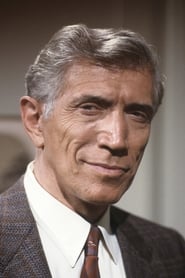 Joseph CampanellaAlbert Wienshank
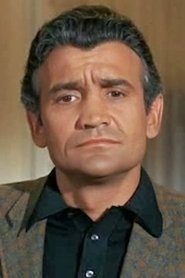 Richard BakalyanJohn Scalise
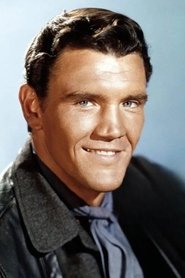 David CanaryFrank Gusenberg
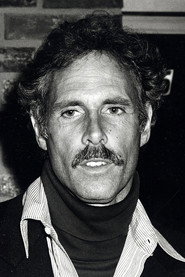 Bruce DernJohnny May
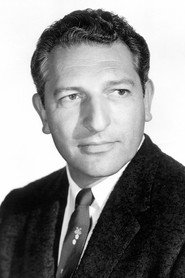 Harold J. StoneFrank Nitti
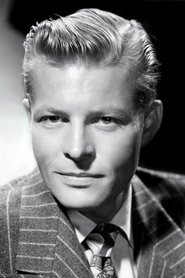 Kurt KreugerJames Clark
Directing
- Wesley BarryAssistant Director
- Roger CormanDirector
Writing
- Monte HellmanDialogue
- Howard BrowneScreenplay
Production
- Paul RappAssociate Producer
- Roger CormanProducer
- David SilverUnit Production Manager