
Film
The Program
Other titles called The Program: the 2015 film.
A 1993 ensemble drama about college football players navigating the crushing pressure of big-time athletics. It treats the sport as a crucible that exposes character, following several athletes from different backgrounds as they cope through drinking, drugs, or genuine scholarship. Earnest and uneven, but genuinely invested in its characters' struggles.
Should you watch it?
Watch it if you enjoy ensemble sports dramas where the stadium is a pressure cooker and the players are young men still working out who they are, melodrama included.
Skip it if you want a tidy, grounded campus story; this leans on soap-opera turns, and several characters feel more like types than people.
What it asks of you: Just under two hours of sprawling, loosely connected storylines, with long stretches of practice, parties and talk before the emotional beats land.
Not sure? Find tonight's pick in a minute.
If you liked this
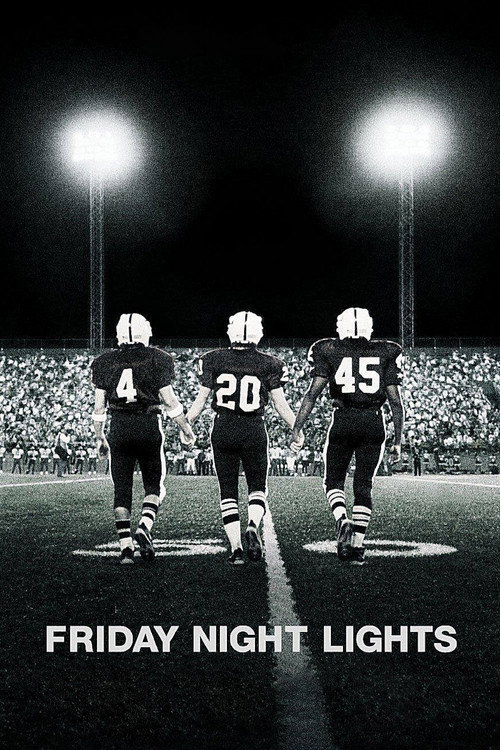
Friday Night Lights2004
A more assured version of the same story—high school football as a lens into Texas life, class, race, and the weight of expectations. Beautifully shot and acted with real specificity and warmth.
But If you want gritty realism about athletic corruption, this leans more toward humanism and character study than systemic critique.
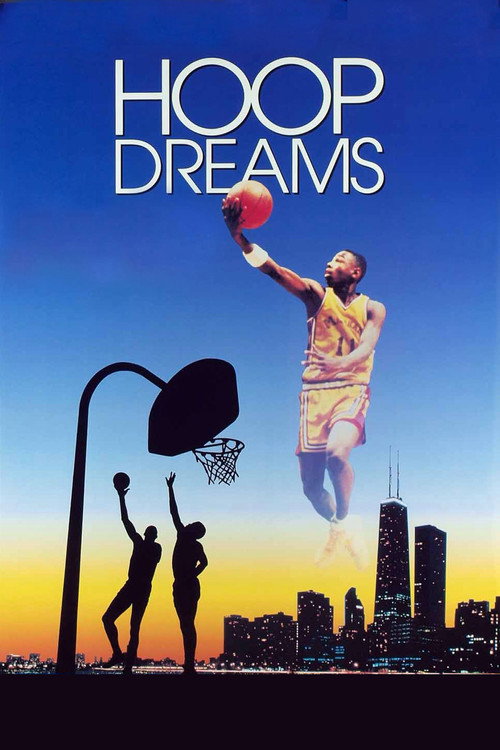
Hoop Dreams1994
A documentary that does what The Program attempts: follows two basketball players through college recruitment and early professional life, capturing the machinery that grinds talented kids into commodities.
But Nearly three hours long, and it's a documentary—no narrative arc, just the slow, sometimes repetitive reality of ambition and institutional neglect.
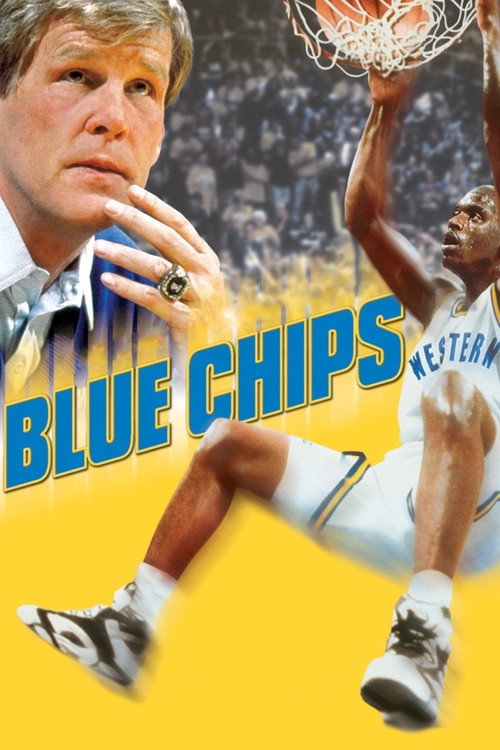
Blue Chips1994
A cynical, sharper look at college basketball recruiting and corruption, with Nick Nolte as a coach confronting his own complicity. It's meaner and funnier than The Program, and knowingly corrupt.
But Feels dated in its particular scandals, and the tone can be uneven—it wants to be both entertaining and accusatory.
Not sure tonight? Get a pick in a minute, starting from The Program
The wildcard
Something you would not have found on your own.
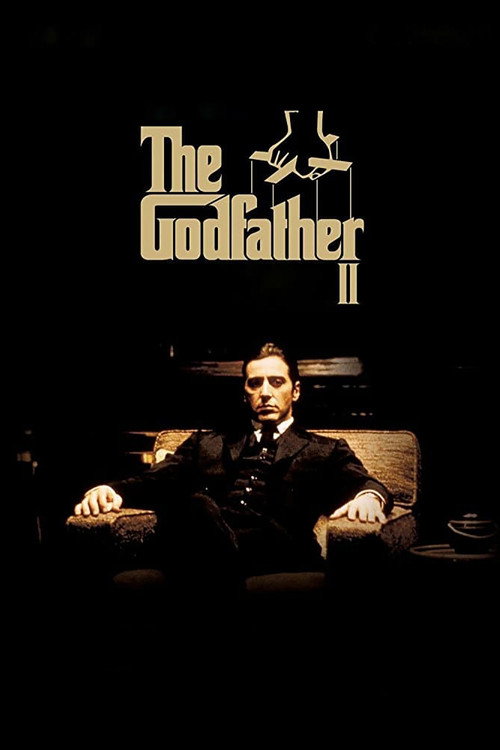
The Godfather Part II1974
Both use an institution (crime family, college football) as a crucible that reveals and deforms character. Ambition, loyalty, and corruption play identical roles, just in different uniforms.
Two parallel narratives of men building empires and being destroyed by ambition—in The Godfather, the empire is crime; in The Program, it's athletics. Both explore how institutions corrupt individual character and how power demands moral compromise.
But It's nearly four hours, and if you're looking for sports content, this is purely a thematic echo. The connection is architectural, not literal.
More like this (8)
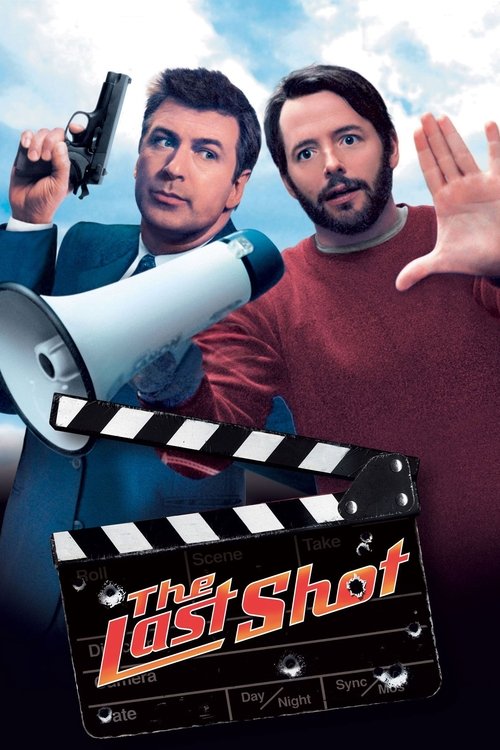
The Last Shot2004
Matthew McConaughey and Ryan Phillippe in a sports crime drama about a college basketball player implicated in point-shaving. Grittier and more plot-driven than character study.
But It prioritizes thriller mechanics over the psychological depth of athletic pressure. Less interested in why players break than what they do.
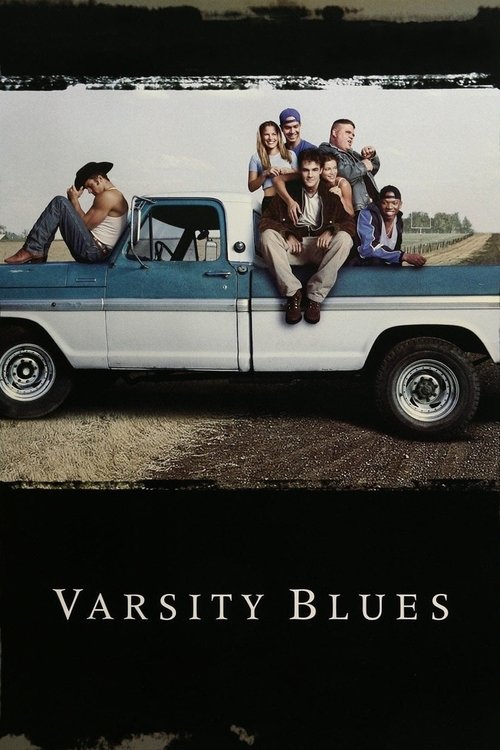
Varsity Blues1999
High school football as examined through sex, injury, and institutional indifference. It's glossier and angrier than The Program, with genuine moral outrage beneath the sports-movie surface.
But The sexual content and some character choices feel exploitative now. It can trip over its own eagerness to be provocative.
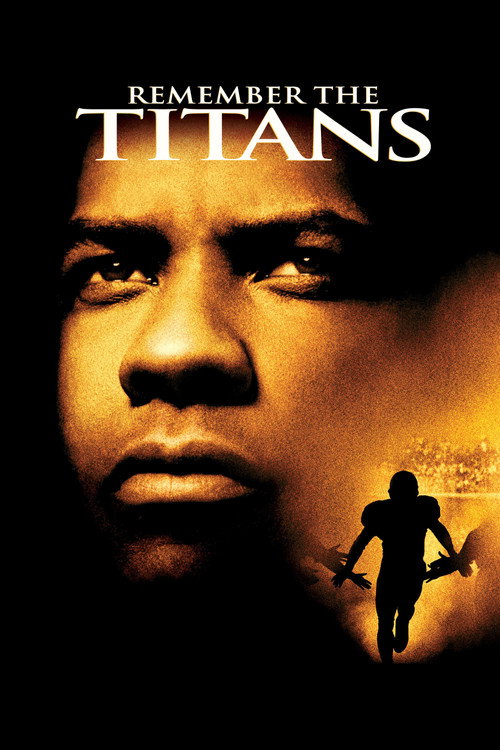
Remember the Titans2000
A more optimistic take on football as a tool for social change—a Black coach integrating a Virginia high school team in 1971. Denzel Washington anchors it with absolute conviction.
But It smooths racial conflict into a feel-good narrative. The film wants reconciliation more than it wants truth.
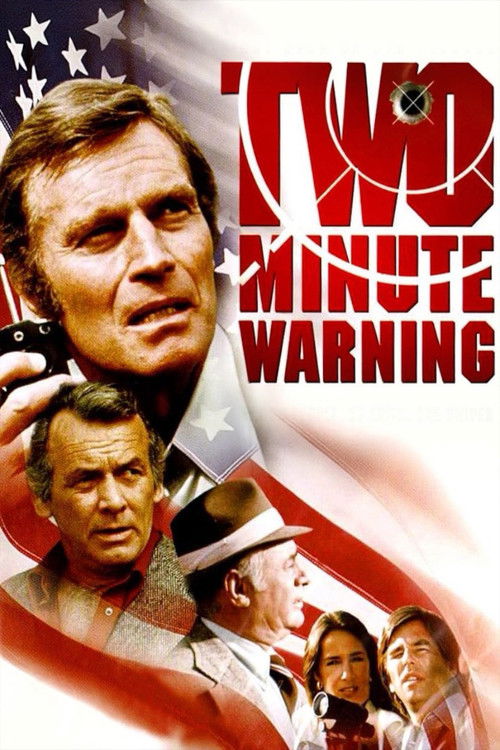
Two-Minute Warning1976
A disaster film set during a football game, with an enormous ensemble cast. It's a strange, entertaining cousin to The Program's ensemble approach, though focused on spectacle rather than psychology.
But It's a 1970s action film—broad, sometimes clumsy, with dated special effects and acting styles.
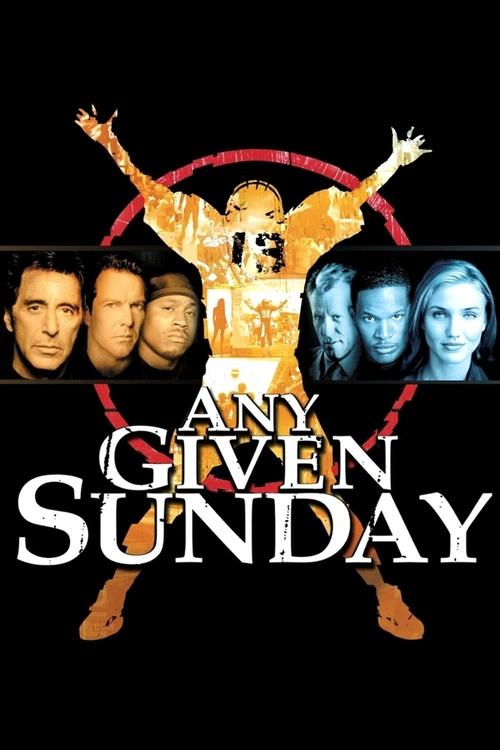
Any Given Sunday1999
Oliver Stone's maximalist, cocaine-speed take on professional football as a business. Al Pacino, Jamie Foxx, Dennis Quaid. It's ridiculous and exhilarating, treating the sport as pure myth and capitalism.
But It's aggressively stylized to the point of exhaustion. If you want subtlety, Stone will bludgeon you with it.
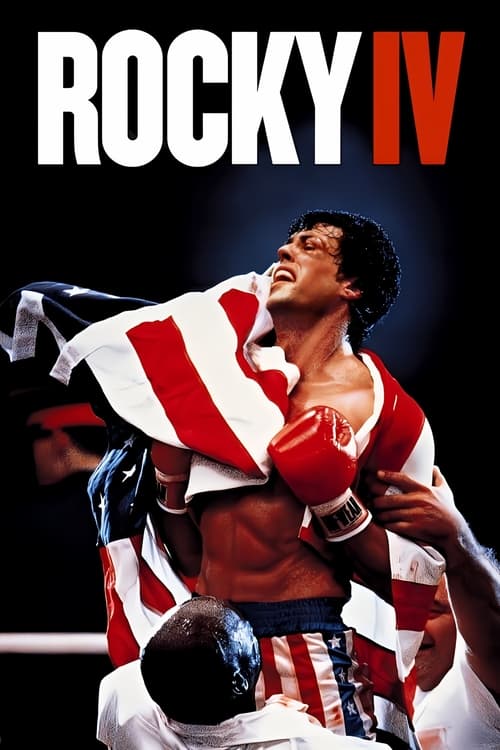
Rocky IV1985
An athlete under pressure, though taken to absurd extremes—Rocky training in Siberia. It shares The Program's earnestness about sports as character revelation, just with more montages and Cold War ideology.
But The politics are laughable, and the story is by the numbers. You're watching for the ritual of sports cinema, not surprise.
Requiem for a Dream2000
Both examine how pressure and institutional failure drive people toward self-destruction via substance abuse. The Program treats it as a subplot; Requiem makes it the whole story, and does not look away.
An unsparing look at addiction—the same drugs and drinking that destroy The Program's characters, but examined with formal brilliance and without a trace of sentiment. Four people, four different addictions, one trajectory downward.
But It's visually exhausting by design, and the despair is relentless. Not a film that lets you sit comfortably; it's a punishment.

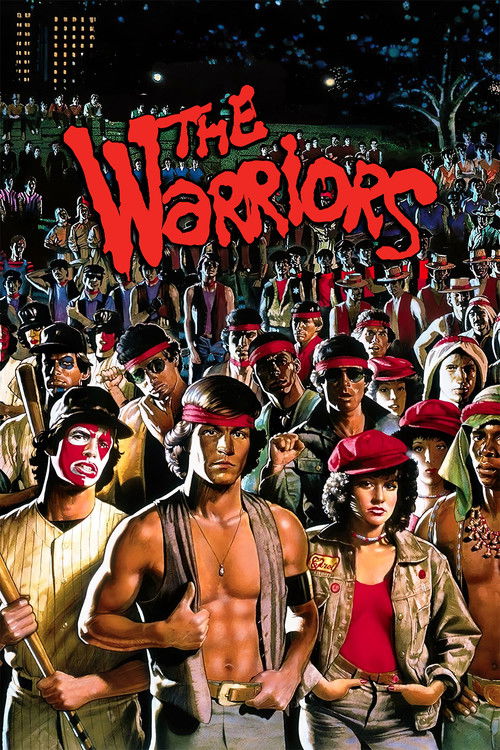
The Warriors1979
Both explore how young men bond under pressure, how group identity becomes survival, and how external forces (law, institutional power) create the very violence they pretend to prevent. The Program shows it on a football field; The Warriors shows it in the subway.
A stylized, almost mythic film about tribal identity and loyalty under pressure. Gang members navigate a hostile city with the same desperation that The Program's athletes navigate their college world. It's B-movie poetry.
But The dialogue is theatrical, the violence is operatic, and the 1970s vibe is thick. If you want realism, you're in the wrong place.
People
Cast
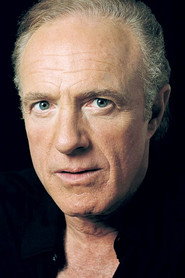 James CaanSam Winters
 Halle BerryAutumn Haley
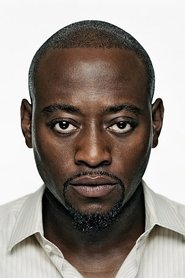 Omar EppsDarnell Jefferson
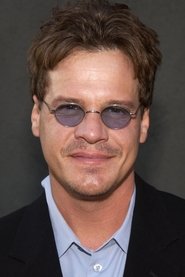 Craig ShefferJoe Kane
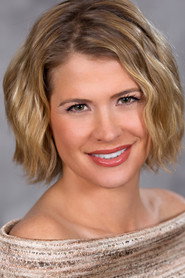 Kristy SwansonCamille Shafer
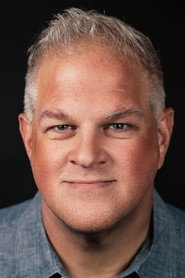 Abraham BenrubiBud-Lite Kaminski
- Duane DavisAlvin Mack
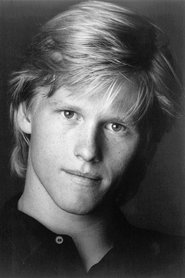 Jon PennellBobby Collins
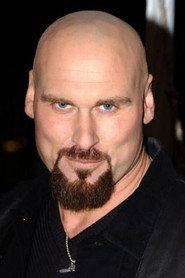 Andrew BryniarskiSteve Lattimer
- Michael FlippoCoach Humes
- Ernest DixonCoach Clayton
 Joey Lauren AdamsLouanne
Directing
- David S. WardDirector
- Josh McLaglenFirst Assistant Director
Writing
- Aaron LathamWriter
- David S. WardWriter
Production
- Lynn StalmasterCasting
- Duncan HendersonExecutive Producer
- Tom RothmanExecutive Producer
- Samuel Goldwyn Jr.Producer
Recommended by
Necessary Roughness, North Dallas Forty, Blue Chips, One on One