
Film
The Man Who Wasn't There
- Period drama
- Film noir
- Slow-burning
The Coen Brothers' 1949 noir pastiche, shot in luminous black-and-white, follows a barber's quiet descent into murder and moral catastrophe. Billy Bob Thornton is mesmerizing as a man so disconnected from his own life he seems to watch it happen to someone else. It's elegant, darkly funny, and fundamentally about the distance between who we are and who we pretend to be.
Should you watch it?
Watch it if you love slow, smoke-stained noir where the mood, black-and-white photography and a barber's deadpan narration matter as much as the plot.
Skip it if you need brisk plotting or a clear sense of where things are going, since this drifts, lingers and keeps its characters at arm's length.
What it asks of you: Two hours sixteen minutes of patience, with long stretches of silence, a voiceover that does much of the telling, and a pace that rewards attention over momentum.
Not sure? Find tonight's pick in a minute.
If you liked this
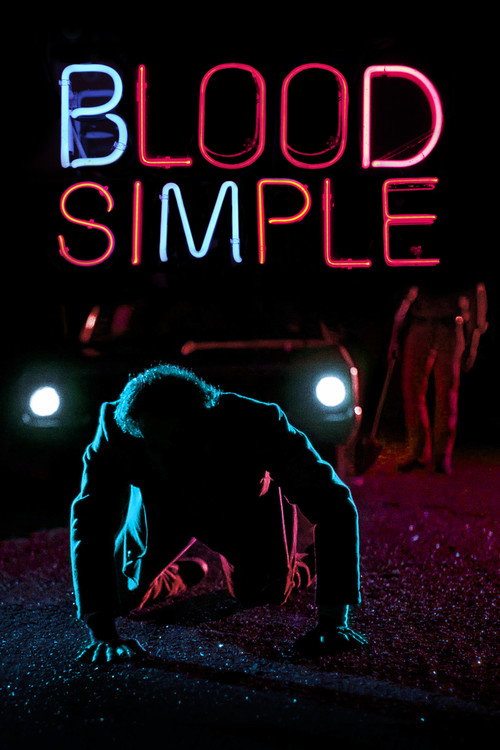
Blood Simple1985
The Coen Brothers' debut noir: a triangle of desire, betrayal, and murder in Texas that taught them how to marry genre pastiche with genuine dread. If you loved the aesthetic and moral rot of The Man Who Wasn't There, this is where they learned the recipe.
But Made forty years before this film, so the technical craft is rawer, and it moves at a different pace. Some find it slow.
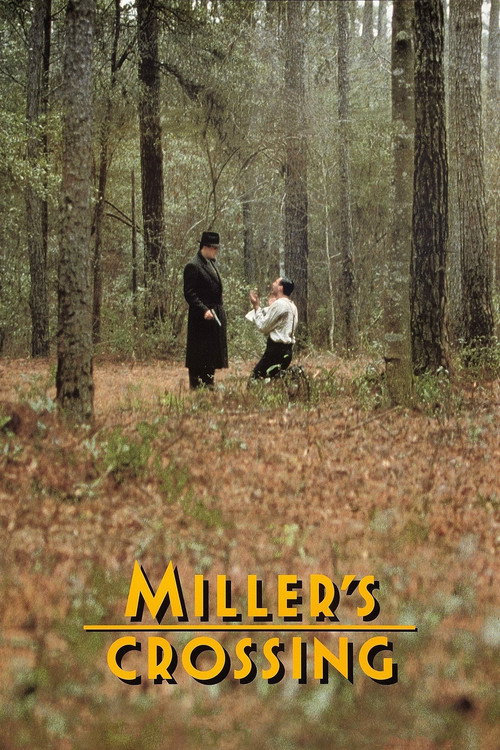
Miller's Crossing1990
Prohibition-era gangster film that shares the Coens' obsession with men trapped by circumstance and their own weakness. Gabriel Byrne is trapped in layers of obligation and compromise, navigating a world where every choice leads downward.
But The dialogue is deliberately mannered and theatrical. If you want naturalism, you'll bounce off it immediately.
The Killing1956
Kubrick's jewelled heist noir about small men with big ambitions and how quickly it all falls apart. That sense of inexorable doom, of watching someone's life collapse in real time—it's the DNA of what the Coens do.
But Fifty-minute runtime means it's lean to the point of feeling skeletal. No time for the atmosphere to settle.

Not sure tonight? Get a pick in a minute, starting from The Man Who Wasn't There
The wildcard
Something you would not have found on your own.
The Third Man1949
Both films use black-and-white cinematography not as nostalgia but as moral architecture—the chiaroscuro matches the opacity of the characters' choices. Both are about the price of being complicit.
Same year as The Man Who Wasn't There, same black-and-white exactitude, same story of men betraying each other in the ruins of post-war collapse. Carol Reed's Vienna is as precisely composed as the Coens' California, and Joseph Cotten's Harry Holly is another man watching his world disintegrate.
But It's a British spy thriller, not a noir. If you want American vernacular and barber-shop ennui, the setting will feel remote.

More like this (6)
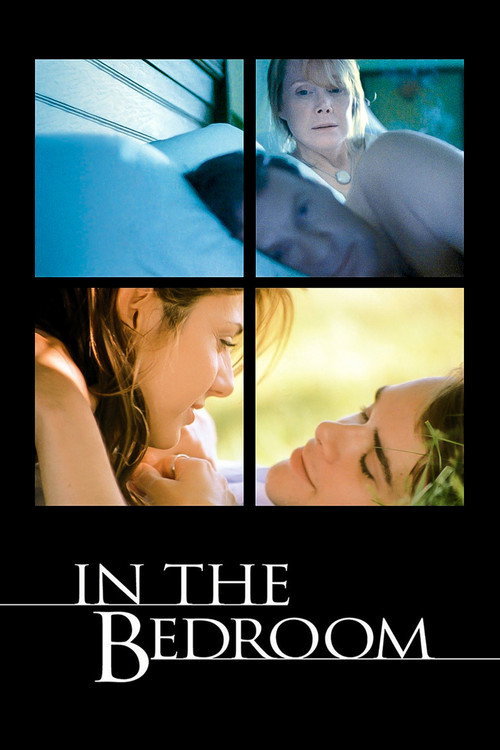
In the Bedroom2001
A husband and wife become murderers when their daughter is killed. Todd Field makes something as precise and cold as Ed Crane's decision-making, but from the other side—the devastation rather than the numbness.
But It will exhaust you. Grief and rage are not entertaining, and the film does not soften them for your comfort.
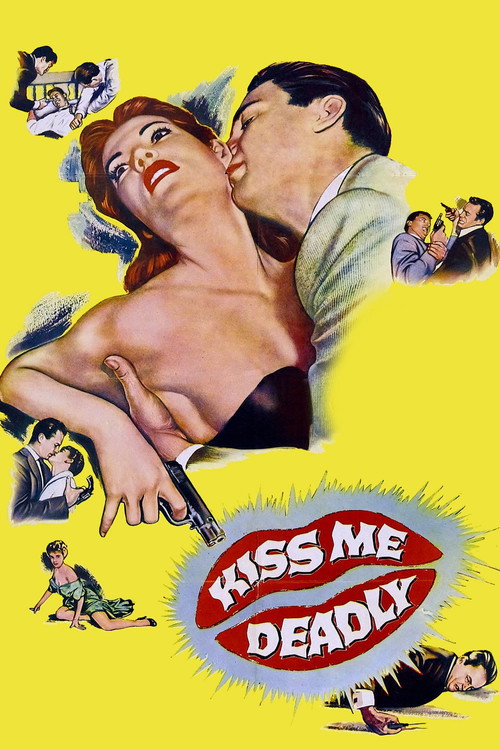
Kiss Me Deadly1955
Aldrich's vicious noir about a detective stumbling into something far larger and fouler than he can handle. That same sense of masculine incompetence and doom, but played at full volume instead of a whisper.
But Ralph Meeker's protagonist is aggressively unlikeable. The film wants you to see the corruption, not admire the man.
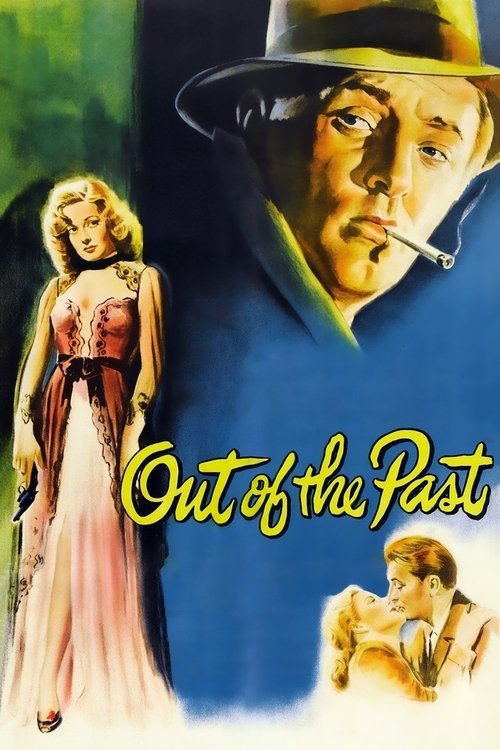
Out of the Past1947
The ur-text: Mitchum as a man caught between women and lies, unable to escape the past no matter how he tries. Every noir that follows is arguing with this film in some way.
But If you've seen it already, you know every beat. If you haven't, the plot can feel skeletal compared to modern storytelling.
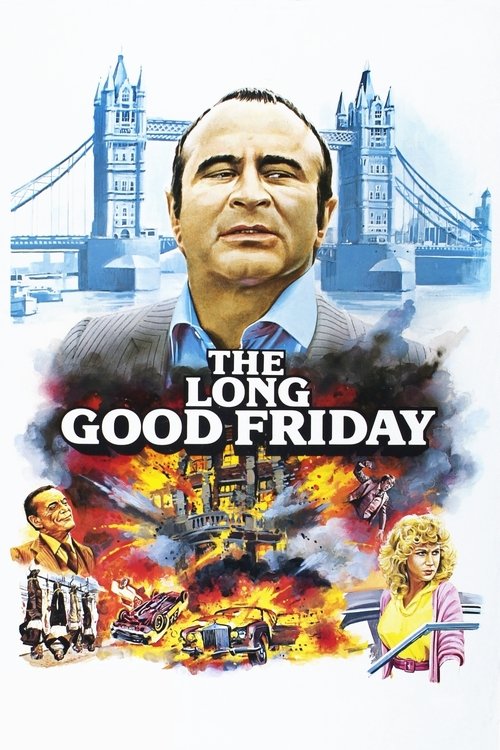
The Long Good Friday1980
Bob Hoskins as a London crime boss whose empire collapses in a single weekend. The panic and confusion beneath the bravado, the way violence begets only more violence—it's a cousin to Ed's unravelling.
But It's British, grittier, and operates at a higher temperature. The worlds feel very different even as the structure echoes.
The Asphalt Jungle1950
Huston's foundational heist noir about the ripple effects of one crime. It influenced everything that came after, including the Coens. Small men, big plans, inevitable ruin.
But It's straightforward in a way that can feel dated. There's less style and more plot than you might want.

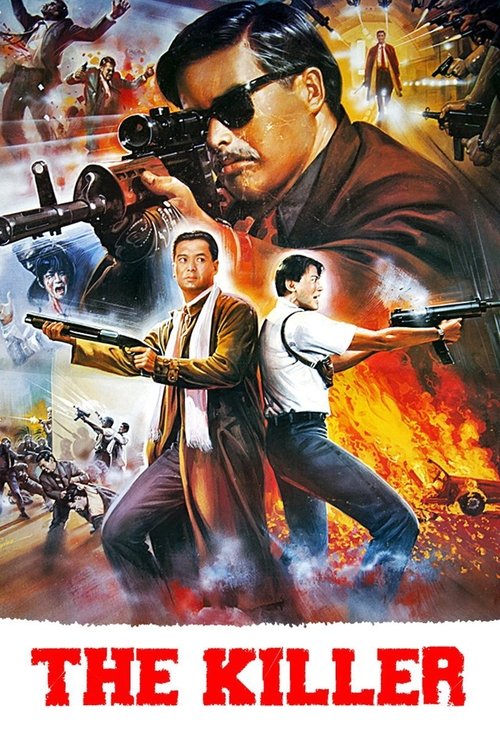
The Killer1989
The Coens achieve through 116 minutes of noir what Fincher does in 15 minutes of music video: the aesthetics of disconnection. Both understand that sometimes the form *is* the meaning.
David Fincher's music-video debut for a song about a man who detaches himself from his own life. Fifteen minutes of pure visual grammar about dissociation and numbness, with no dialogue. It's what Ed Crane looks like from the inside.
But It's not a narrative film. If you need plot and character development, you'll find it frustrating and pretentious.
People
Cast
 Billy Bob ThorntonEd Crane
 Frances McDormandDoris Crane
 Michael BadaluccoFrank
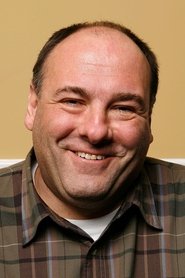 James GandolfiniBig Dave Brewster
 Katherine BorowitzAnn Nirdlinger Brewster
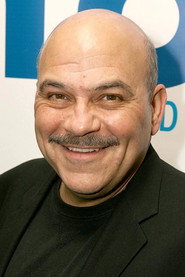 Jon PolitoCreighton Tolliver
 Scarlett JohanssonBirdy Abundas
 Richard JenkinsWalter Abundas
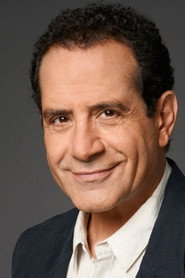 Tony ShalhoubFreddy Riedenschneider
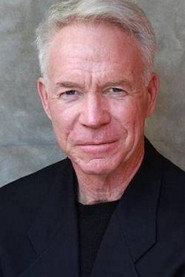 Christopher KriesaOfficer Persky
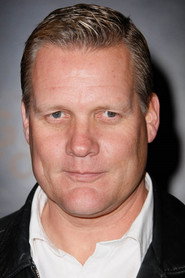 Brian HaleyOfficer Krebs
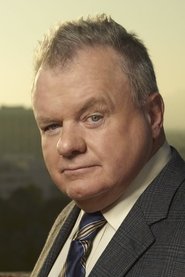 Jack McGeeP.I. Burns
Directing
- Ethan CoenDirector
- Joel CoenDirector
- Betsy MagruderFirst Assistant Director
- Donald MurphyScript Supervisor
- Jonathan McGarrySecond Assistant Director
- Rusty MahmoodSecond Second Assistant Director
Writing
- Ethan CoenWriter
- Joel CoenWriter
Production
- Sondra JamesADR Voice Casting
- France Myung FaginAssistant Location Manager
- Kei Rowan-YoungAssistant Location Manager
- Pavel ŠtěrbaAssistant Location Manager
- Jules CarideoAssistant Production Coordinator
- Robert GrafAssociate Producer
- Ellen ChenowethCasting
- Amanda KoblinCasting Associate
- John CameronCo-Producer
- Michelle WrightExecutive In Charge Of Production
- Eric FellnerExecutive Producer
- Tim BevanExecutive Producer
- Joseph HicksExtras Casting
- Tracy DixonExtras Casting
- Karen YokomizoFirst Assistant Accountant
- Ned R. ShapiroLocation Manager
- Kimberly AguirrePayroll Accountant
- Barbara-Ann SteinPost Production Accountant
- Ethan CoenProducer
- Joel CoenProducer
- Cheryl KurkProduction Accountant
- Karen Ruth GetchellProduction Coordinator
- Smriti MundhraProduction Secretary
- John CameronUnit Production Manager
Recommended by
The Tragedy of Macbeth, Miller's Crossing, Brick, Broken Flowers, Sommersby, The Duke, Tuner, Cassandra's Dream