
Film
The Happiest Day in the Life of Olli Mäki
A Finnish boxing drama set in 1962 about a young featherweight champion preparing for a world title fight while falling in love. Quiet, beautiful, and deeply felt—a film that finds profound tenderness in the collision between ambition and the human heart. For anyone who loves character-driven stories where the emotional stakes matter more than the plot.
Should you watch it?
Watch it if you like gentle, deadpan comedy about ordinary people trying to do the right thing, where the pleasure lies in awkward silences and small glances rather than plot machinery.
Skip it if you need stories to keep moving, since this one drifts on purpose and may frustrate anyone wanting sport-film stakes or a clear dramatic engine.
What it asks of you: Expect a slow, unhurried pace with long quiet takes and few big moments; at 95 minutes it stays brief, but it needs you to settle into its rhythm.
Not sure? Find tonight's pick in a minute.
If you liked this
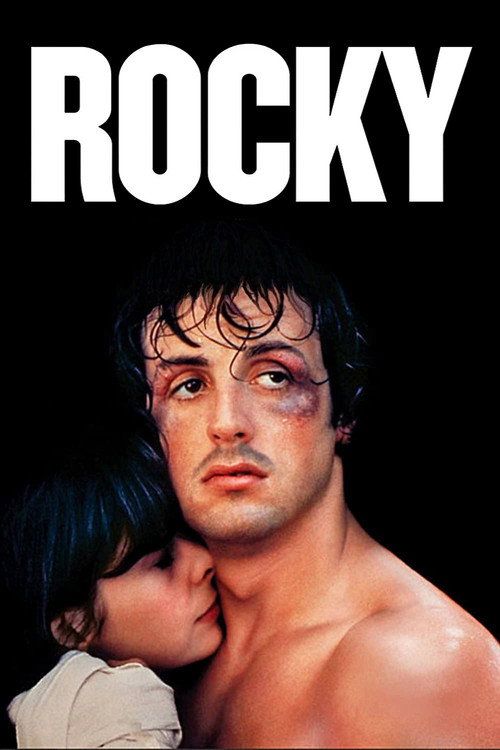
Rocky1976
The obvious comparison, but necessary: both are about boxers facing their moment, but where Rocky is myth-making, Olli Mäki finds grace in vulnerability. A boxer's journey told with genuine intimacy.
But The sports-film formula is familiar and well-worn. If you want underdog spectacle rather than quiet introspection, this isn't your film.
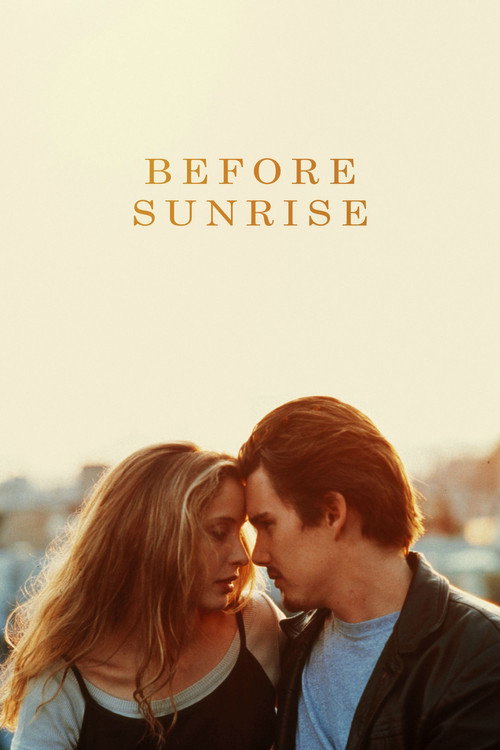
Before Sunrise1995
Two people on the cusp of something transformative, time running out, talking about what matters. Linklater's film shares Olli Mäki's belief that the most important conversations happen in small moments, not montages.
But Nothing explosive happens. If you need a three-act structure with clear turning points, the pacing will feel slack.
Moonlight2016
Also from 2016, also about a young man discovering love while the world presses in with its own demands. Shot through with a visual poetry that makes pain and beauty inseparable.
But The narrative is fragmentary and doesn't resolve neatly. Some find its ambiguity profound; others find it frustrating.

Not sure tonight? Get a pick in a minute, starting from The Happiest Day in the Life of Olli Mäki
The wildcard
Something you would not have found on your own.
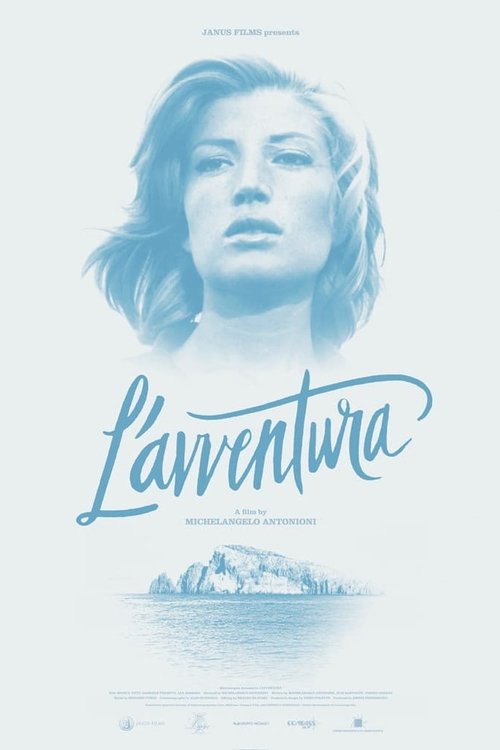
L'Avventura1960
Both films build emotional power from what characters *don't* say to each other, and from the tragedy of two people unable to bridge the gap between them.
Michelangelo Antonioni's film about a man and woman adrift on an island while something crucial—a missing friend, their own feelings—goes unresolved. Like Olli Mäki, it's a love story that refuses to climax. Both films understand that love is often about absence and miscommunication, not connection.
But It's a 1960s art film with a glacial pace and no dramatic payoff. The person you're trying to impress with recommendations might just sigh.
More like this (4)
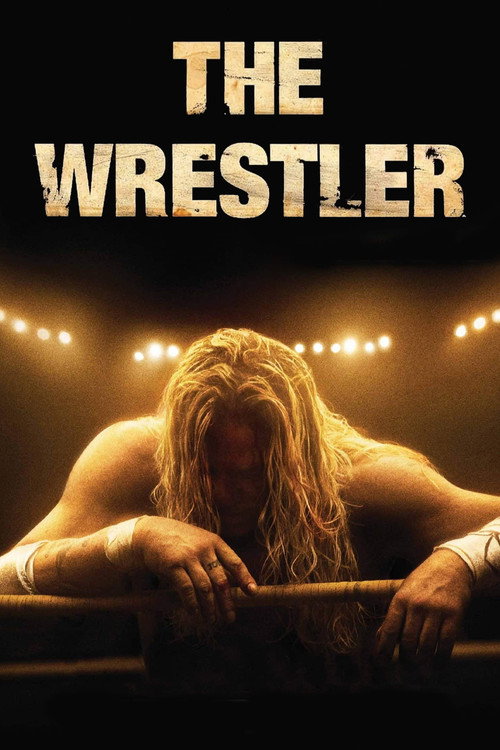
The Wrestler2008
Another film about a performer in a brutal sport, caught between the demands of his body and the pull of human connection. Aronofsky's rawness complements the Finnish film's restraint—same DNA, different temperature.
But Darren Aronofsky's version is much darker and more self-destructive. If you're looking for something lighter, this will feel like a betrayal.
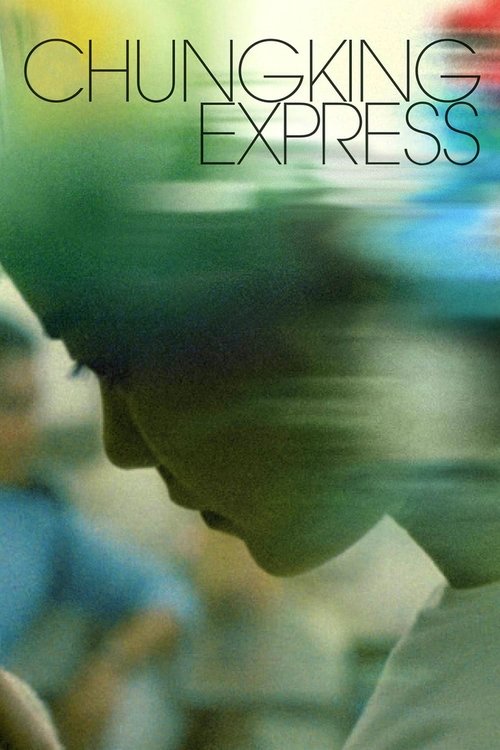
Chungking Express1994
Wong Kar-wai's love letter to longing and chance meetings. The style is radically different from Olli Mäki, but both films believe that love arriving at the wrong time is still the most important thing that can happen.
But It's visually baroque and stylized in ways this film is not. The comparison is thematic, not aesthetic—some will find that jarring.
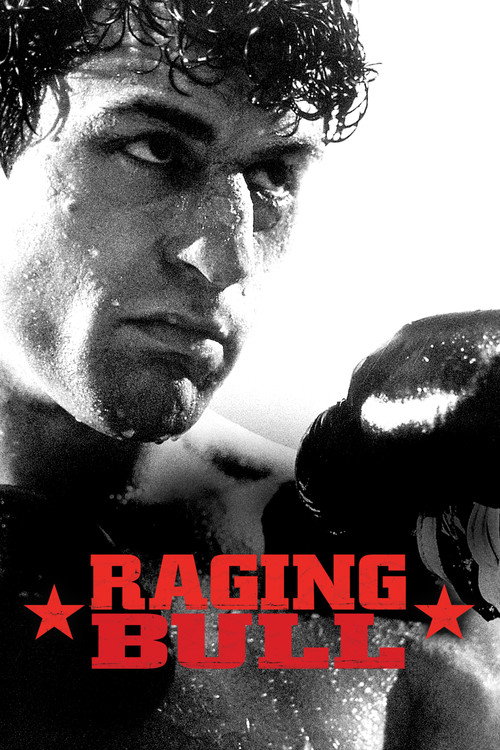
Raging Bull1980
Both films use boxing not as sport but as a metaphor for a man's inability to connect with the people he loves. The ring and the ring are different—one is fury, one is heartbreak.
Scorsese's black-and-white boxing film is ferocious where Olli Mäki is gentle, but they're mirror images: both about the cost of athletic ambition on a man's inner life. Watching them together reveals what boxing films can be.
But It's brutal, sometimes misogynistic, and demands sustained attention. It's the opposite of cozy, and nearly three hours long.
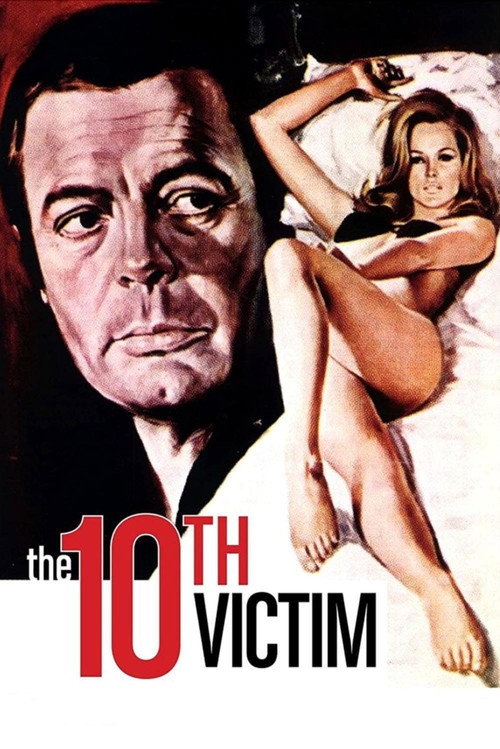
The 10th Victim1965
Both are period pieces about individuals trying to live unconventional desires within rigid social structures. One finds poetry in resignation; the other finds it in absurdity. Together they show how cinema in that era grappled with freedom.
A wildcard in genre and era: a cartoonish, campy Italian sci-fi comedy from the 1960s. The connection is tonal and structural—both films are about young people in modern times (in different ways) struggling against systems and expectations they didn't make. But where Olli Mäki is intimate and grave, this is playful and surreal. A reminder that 1960s cinema comes in many flavours.
But It's visually busy, sometimes garish, and utterly frivolous. If you go from Olli Mäki's silence to this, the whiplash might irritate you.
People
Cast
 Jarkko LahtiOlli Mäki
 Oona AirolaRaija Jänkä
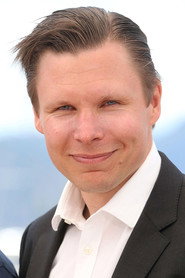 Eero MilonoffElis Ask
- Joanna HaarttiLaila Ask
- Esko BarqueroSnadi
- Leimu LeistiTuula
- Hilma MilonoffAnneli
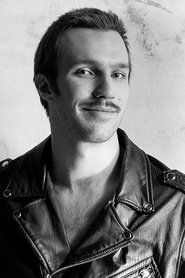 Olli RahkonenBoxer
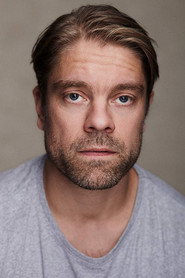 Joonas SaartamoBoxer
- Henrik PalosaariBoxer / Boxer in a Match
Directing
- Veira AiraksinenAssistant Director
- Juho KuosmanenDirector
- Anastasia LobkovskiSecond Assistant Director
- Emilia HaukkaSecond Assistant Director
Writing
- Juho KuosmanenWriter
- Mikko MyllylahtiWriter
Production
- Anastasia LobkovskiCasting
- Jamila WenskeCo-Producer
- Katarina KraveCo-Producer
- Nicklas Wikström NicastroCo-Producer
- Simon PerryCo-Producer
- Sol BondyCo-Producer
- Martti TervoLine Producer
- Jussi RantamäkiProducer
- Emilia HaukkaProduction Coordinator