
Film
Someone Like You...
- Comedy
- Romantic comedy
- Light-hearted
A romantic comedy about a talk-show producer who channels her heartbreak into a secret sex column, testing theories about male behaviour on her charming, commitment-phobic roommate. It's light, fizzy, and deeply interested in the rituals of flirtation—the kind of film that treats romance as both comedy and mild science experiment. For anyone who likes their meet-cutes seasoned with genuine wit.
If you liked this
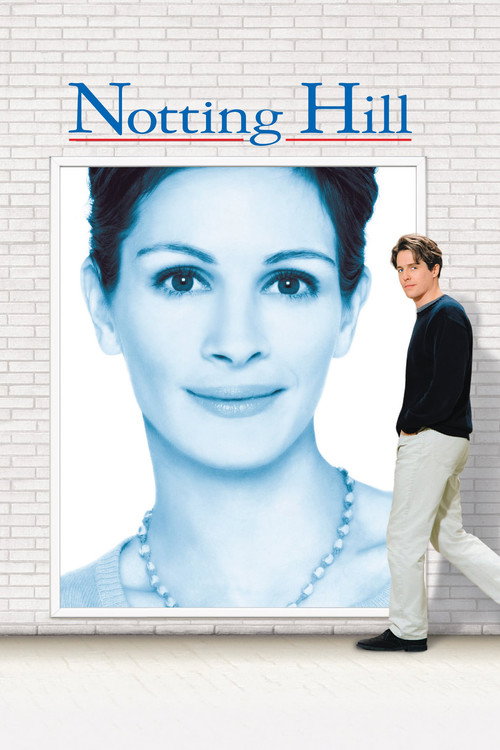
Notting Hill1999
A romcom that respects your intelligence without abandoning the genre's pleasures. It's funny about fame and messy about feelings, with chemistry that actually crackles between leads who seem to enjoy each other's company.
But Hugh Grant's stammering routine, while charming, is the same in every film from this era. Some find it cloying rather than endearing.
Legally Blonde2001
Same year, same energy: a woman uses her brains (not despite her femininity, but alongside it) to outmaneuver everyone underestimating her. Reese Witherspoon is magnetic, and the film is sharper than it appears.
But The fashion obsession and sorority-girl premise might read as shallow if you're not in the mood for the film's actual argument about female competence.

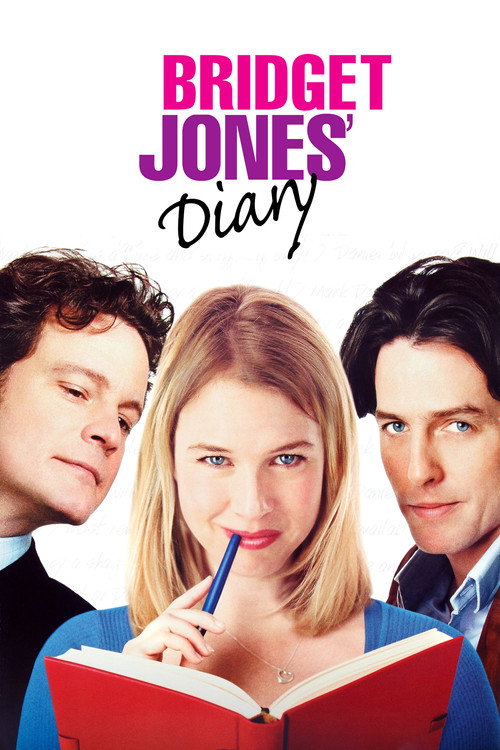
Bridget Jones's Diary2001
Released the same year, with the same romantic-mishap DNA: a woman's romantic disaster becomes the engine for her self-discovery. Funny, warm, and it knows exactly what kind of film it is.
But Colin Firth plays a version of Mr. Darcy that requires you to accept his eventual softening. The film's charm depends entirely on your patience with will-they-won't-they.
Not sure tonight? Get a pick in a minute, starting from Someone Like You...
The wildcard
Something you would not have found on your own.
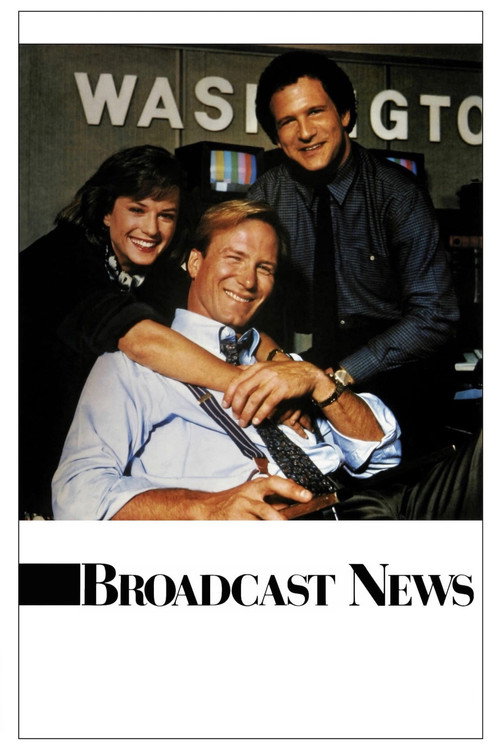
Broadcast News1987
Both centre a woman using her intelligence as her primary weapon, and both find comedy in the collision between professional competence and romantic vulnerability. The male leads are obstacles partly because the heroine won't compromise what she knows to be true.
A woman at the top of her field in network news, brilliant and driven, must choose between a man she respects and one she's attracted to. It's a romcom for people who think romcoms are trivial—witty, intelligent, deeply felt, and honest about ambition.
But It's from the '80s and it shows: the pacing is leisurely, and the emotional beats require patience. It's also genuinely bittersweet in ways modern romcoms avoid.
More like this (8)
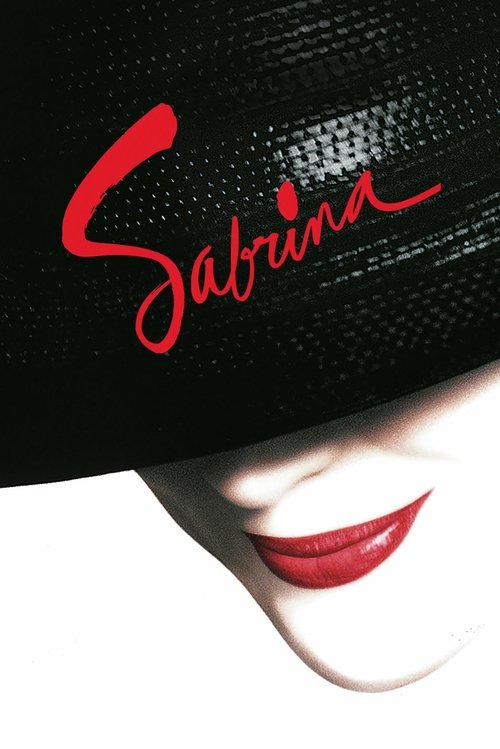
Sabrina1995
A woman caught between two men, one flashy and wrong, one solid and right. It's lighter than the stakes suggest, warm in its humour, and genuinely interested in what Sabrina actually wants versus what she's supposed to want.
But It's a fairy-tale romantic comedy masquerading as grown-up cinema. The ending is never in doubt, and the film knows it.
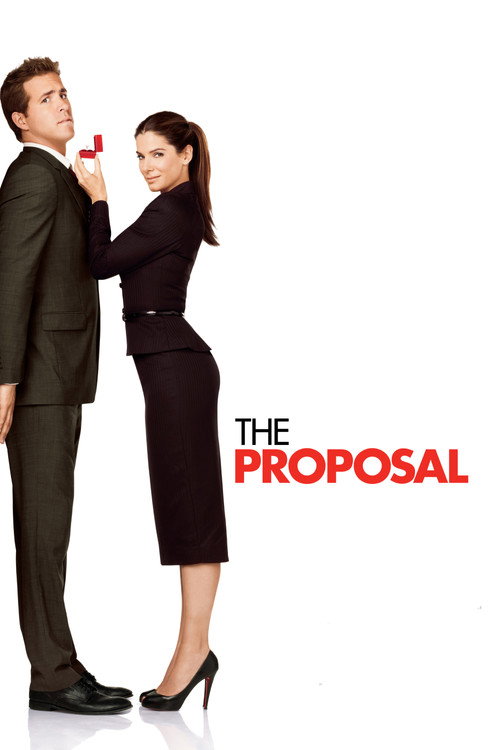
The Proposal2009
Ryan Reynolds and Sandra Bullock have the kind of easy, teasing chemistry that makes watching two people fall in love feel inevitable. The comedy lands, the romance lands, and neither overshadows the other.
But The plot—a woman blackmails her assistant into a fake engagement—is paper-thin and relies on your indulgence. If you want plot complexity, look elsewhere.
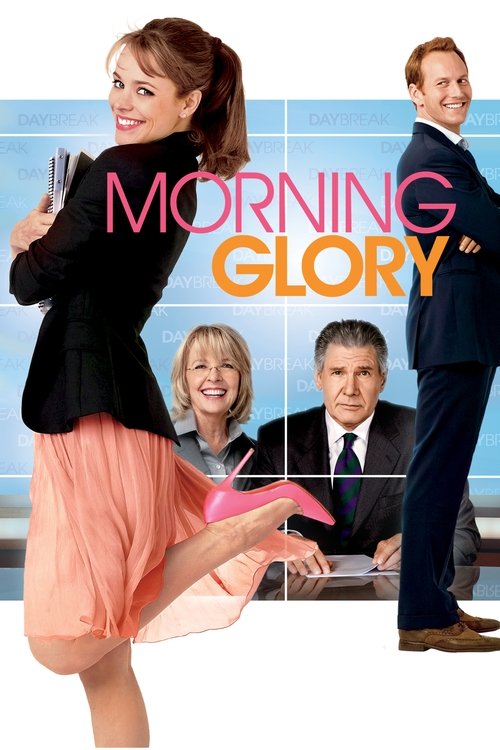
Morning Glory2010
A woman fighting her way up in the cutthroat world of morning television, with genuine stakes and real warmth. Rachel McAdams is likeable without being a pushover, and the film trusts the romance to emerge from respect.
But It's a bit too neat, and the obstacles dissolve faster than you might like. The ending is never truly in question, which softens the tension.
Forgetting Sarah Marshall2008
A breakup comedy that actually commits to the comedy part: it's funny about heartbreak without ever turning cruel. The cast is generous, and the film seems genuinely pleased with everyone in it.
But It skews male in its perspective and humour. If the Judd Apatow style doesn't land for you, nothing here will change your mind.

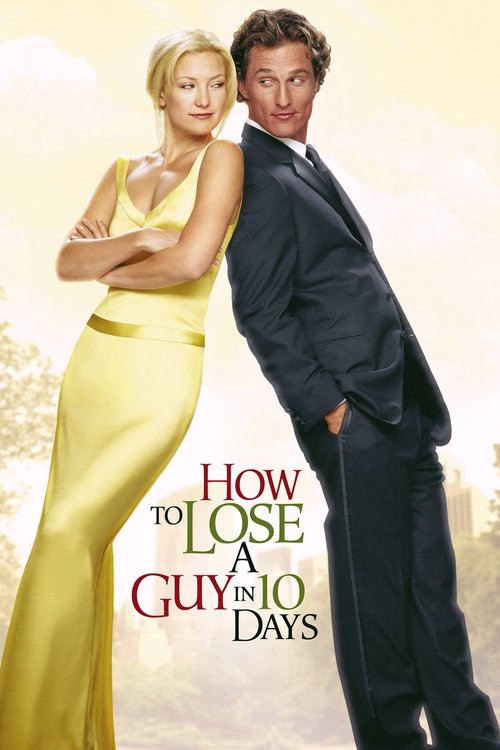
How to Lose a Guy in 10 Days2003
A woman and man make a bet, then fall in love. It knows exactly what it is: a high-gloss romcom that delivers on its promise. The banter is sharp, the stakes feel real (for the genre), and both leads seem to be having fun.
But It's glossy to the point of artificiality. If you want grit or realism, the film's sheen will feel hollow.
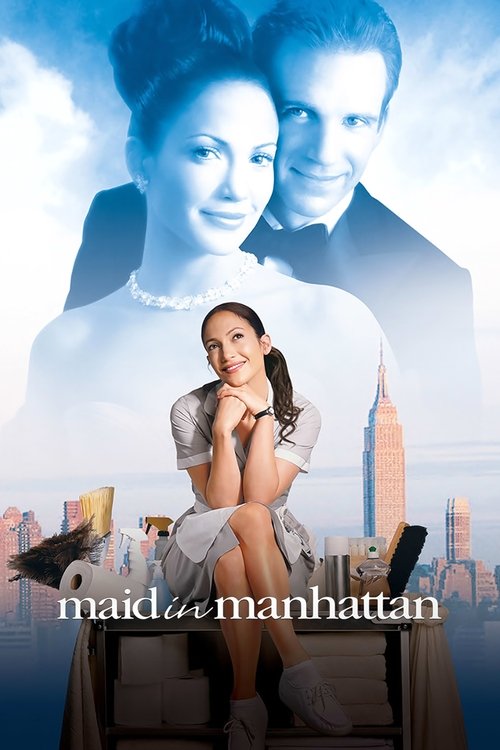
Maid in Manhattan2002
Jennifer Lopez as a maid pretending to be a guest at the hotel where she works. It's about class and ambition and fake-it-till-you-make-it in a way that's genuinely charming, with a lightness that serves the material well.
But The premise asks you to accept a lot of contrivance, and the class commentary is surface-level. It never quite earns the warmth it's shooting for.
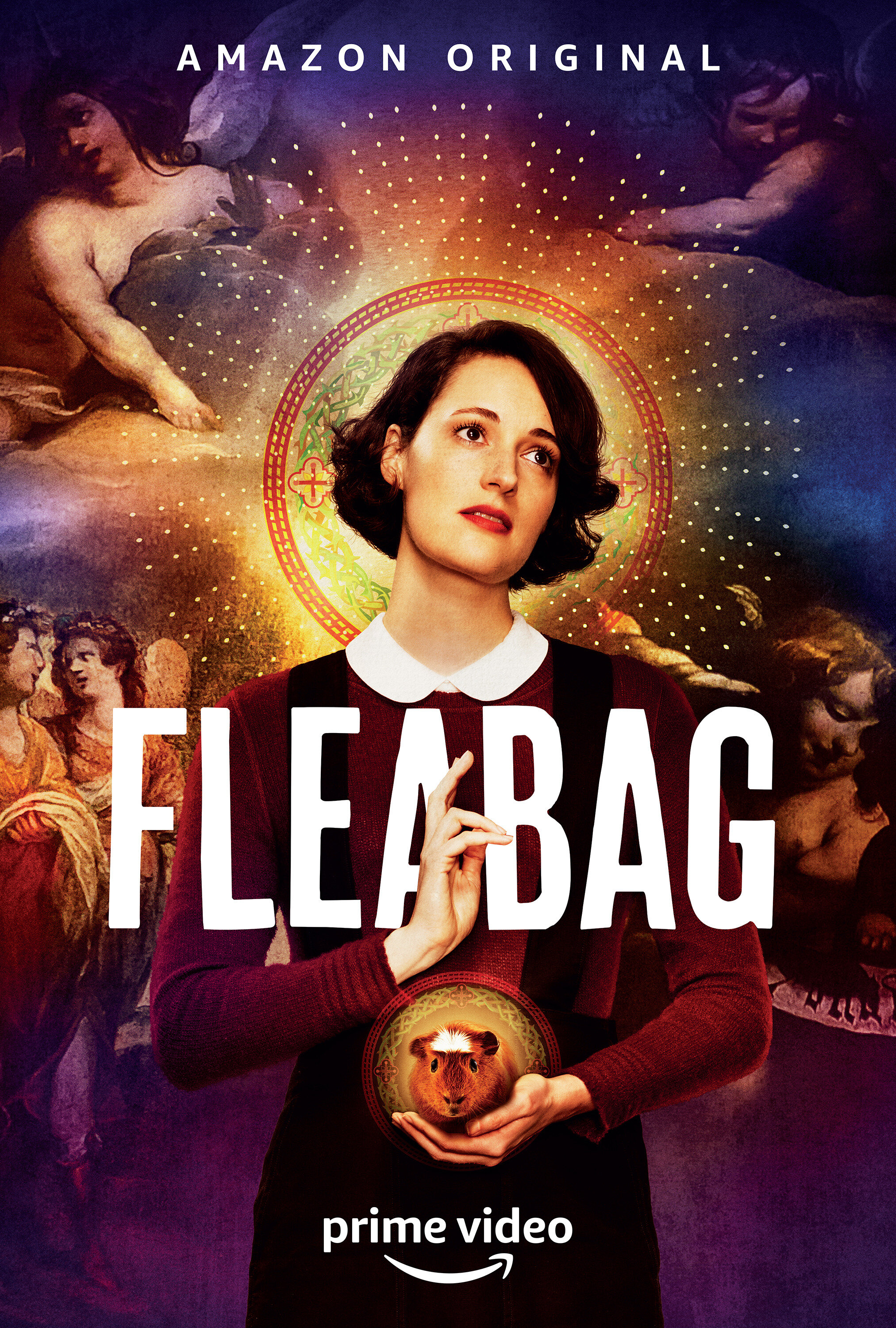
Fleabag2016
Both use humour and self-awareness as armour against romantic disappointment, and both are ultimately about a woman learning that her intelligence and self-protection can't insulate her from feeling. But Fleabag goes places romantic comedy usually won't.
A woman narrates her romantic and professional disasters directly to you, breaking the fourth wall constantly. It's hilarious, heartbreaking, and genuinely innovative—the closest thing to a romcom for people who've grown tired of romcoms.
But It's much darker than Someone Like You, and the heroine is genuinely flawed in uncomfortable ways. The comedy comes from pain, not from lightness.
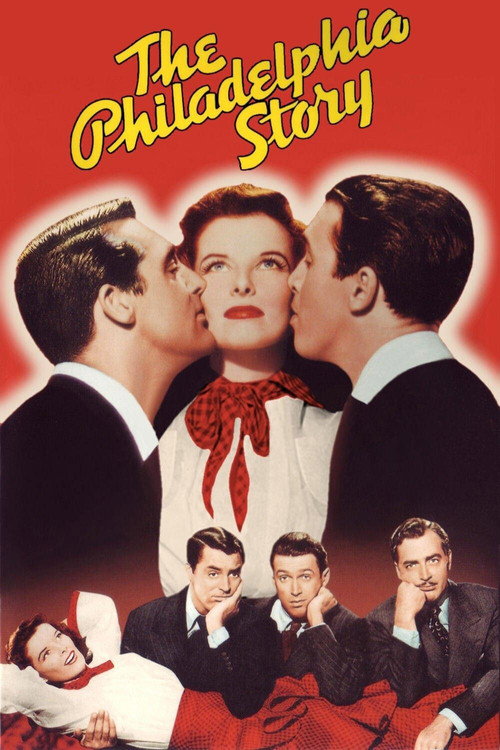
The Philadelphia Story1940
Both are about a woman who thinks she understands men until she actually has to choose between them. But The Philadelphia Story is the ancestor of the form—it invented the template that Someone Like You follows. Watching them together shows how the DNA of romantic comedy has barely evolved in sixty years.
A woman on the eve of her wedding discovers that certainty is overrated. It's witty, fast, and genuinely romantic in a way that respects the intelligence of everyone involved. Cary Grant and James Stewart orbit around Katherine Hepburn, but the film remains hers.
But It's from 1940. The pace is quick to the point of breathlessness, the screwball dialogue requires attention, and the gender politics are of their era. Modern audiences sometimes find it exhausting.
People
Cast
 Ashley JuddJane Goodale
 Greg KinnearRay Brown
 Hugh JackmanEddie Alden
 Marisa TomeiLiz
 Ellen BarkinDiane Roberts
 Catherine DentAlice, Jane's Sister
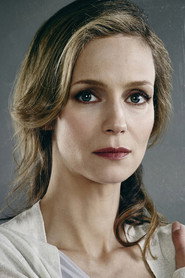 Laura ReganEvelyn
 Peter FriedmanStephen, Alice's Husband
 Mireille EnosYoga Instructor #1
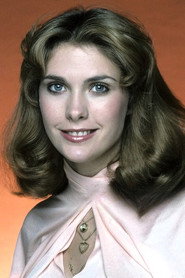 Colleen CampRealtor
 Sue Jin SongFemale Scientist
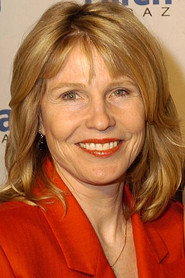 Donna HanoverMary Lou Corkle
Directing
- Tony GoldwynDirector
- Mary A. KellyScript Supervisor
- Nicole BurkeSecond Assistant Director
Writing
- Laura ZigmanNovel
- Elizabeth ChandlerScreenplay
Production
- Billy HopkinsCasting
- Kerry BardenCasting
- Suzanne Smith CrowleyCasting
- Jim ChoryExecutive Producer
- Lynda ObstProducer