
Film
Crime Novel
A 2.5-hour Italian crime epic following three friends who rise from street-level thugs to Rome's most feared gangsters across decades of violence, betrayal, and internal decay. It's deliberately paced, morally murky, and built on the idea that power breeds paranoia. For viewers who want crime drama with ambition and weight, not quips.
Should you watch it?
Watch it if you are drawn to crime stories that trace a gang's rise and slow rot across decades, with the Rome underworld rendered in texture, dread and friendships that curdle over time.
Skip it if you want a tight, propulsive thriller; this is long, digressive and more interested in the mood of its characters than in any single heist or chase.
What it asks of you: Settle in for a little over two and a half hours of patient, unhurried storytelling that jumps across years, asking you to keep track of who is who and what they've become.
Not sure? Find tonight's pick in a minute.
If you liked this
GoodFellas1990
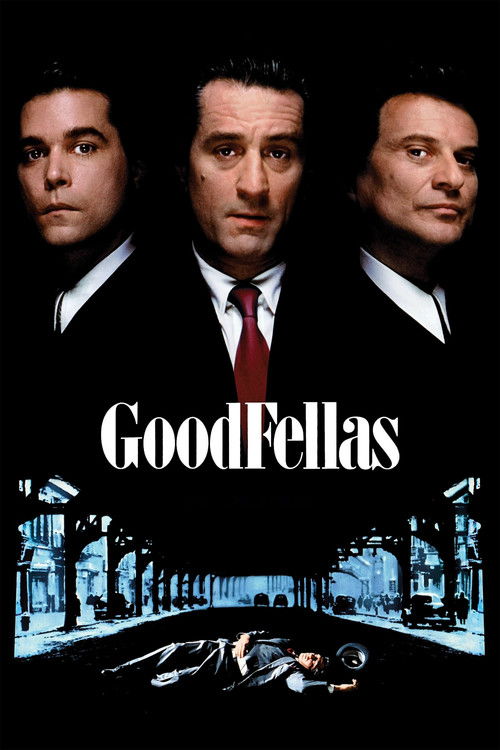
The template for gangster rise-and-fall narratives. Scorsese's kinetic energy and Pileggi's structure—the seduction of the life, the paranoia, the inevitable collapse—shaped how we tell these stories. Essential watching.
But Nearly 35 years old and frequently cited means it may feel familiar even if you haven't seen it. The frenetic style can overwhelm the substance for some viewers.
The Godfather Part II1974
Coppola's masterwork about power, loyalty, and the corrosion of friendships across generations. It has the same epic scope and patient moral accounting as Crime Novel, but even more carefully constructed.
But At 200 minutes, it demands real attention. The parallel narratives can feel deliberately slow if you're expecting constant momentum.

Once Upon a Time in America1984
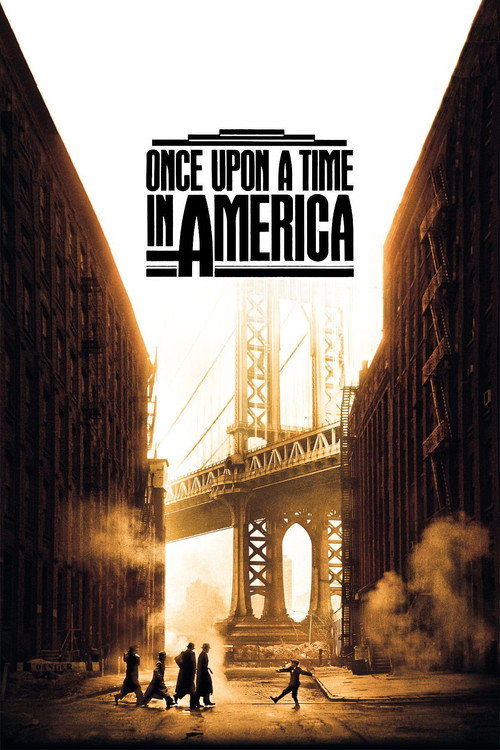
Sergio Leone's final film: a haunted meditation on friendship, crime, and regret spanning decades. Like Crime Novel, it privileges mood and character fracture over plot mechanics. Deeply Italian in sensibility.
But Notoriously complex structure and a runtime of 229 minutes. The pacing is glacial. Not for viewers who need conventional narrative clarity.
Not sure tonight? Get a pick in a minute, starting from Crime Novel
The wildcard
Something you would not have found on your own.
Donnie Brasco1997
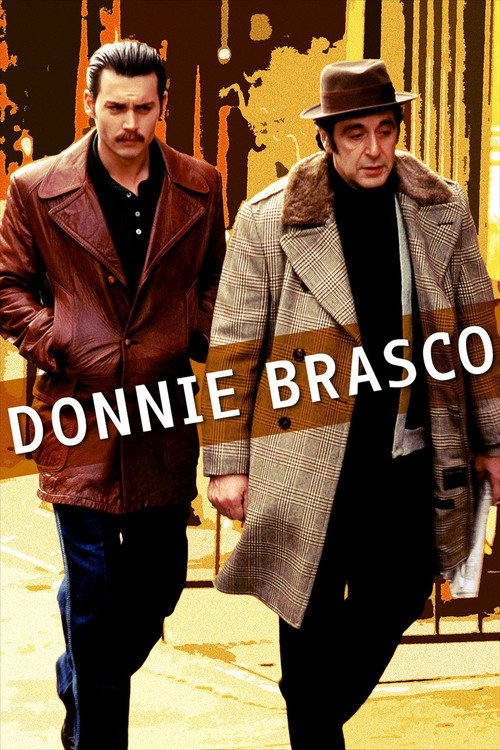
Both films are structured as elegies for friendship destroyed by power and paranoia. Both refuse to glamorize the criminal life, instead asking what gets lost when men choose loyalty to a code over loyalty to people.
An undercover FBI agent infiltrates the mob and becomes genuinely close to an aging wiseguy. It inverts the typical gangster narrative: instead of celebrating the criminal life, it mourns it from within. The friendship between Pacino and Depp is the whole point. Al Pacino gives one of his best, saddest performances.
But It's a tragedy masquerading as a crime thriller, which surprises viewers expecting heist mechanics. The emotional register is elegiac rather than thrilling, and some find that depressing rather than moving.
More like this (8)
Gomorrah2008
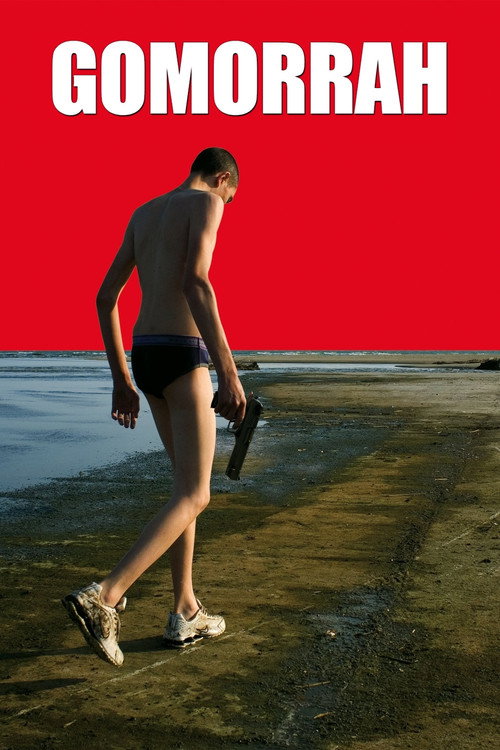
An unflinching Neapolitan crime saga that shares Crime Novel's refusal to glamorize gangster life. Brutal, unsentimental, and willing to let scenes breathe. Matteo Garrone's filmmaking is lean and devastating.
But Its documentary-like bleakness offers little catharsis. Multiple overlapping storylines mean less character depth than a tighter narrative. Some find it exhausting rather than gripping.
A Prophet2009
A French prison drama about a young man's corruption and rise in the underworld. It's methodical, character-focused, and understands how systems break good people. The script is exceptional.
But Subtitles, and a deliberate style that some viewers find too austere. The protagonist is not sympathetic, which distances many audiences.

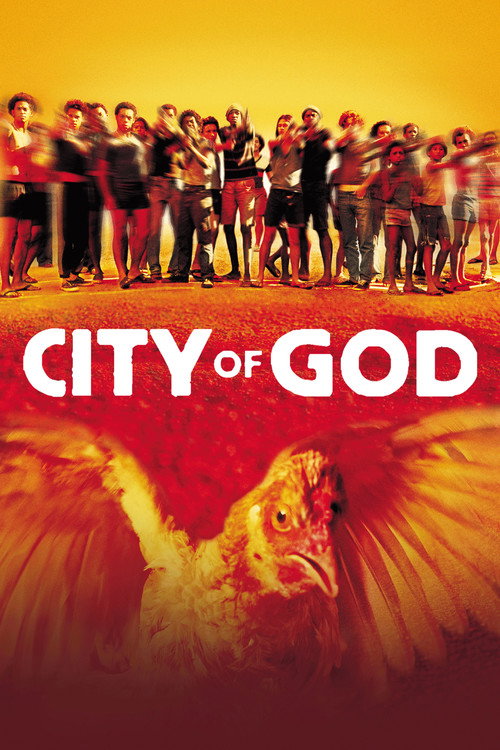
City of God2002
A Brazilian favela crime epic with restless formal energy. Where Crime Novel is controlled and Italian, this is explosive and painterly. Both trace how friendship fractures under pressure.
But The visual style—jump cuts, whip-pans, sudden color shifts—is deliberately jarring. Some find it exhausting or manipulative rather than invigorating.
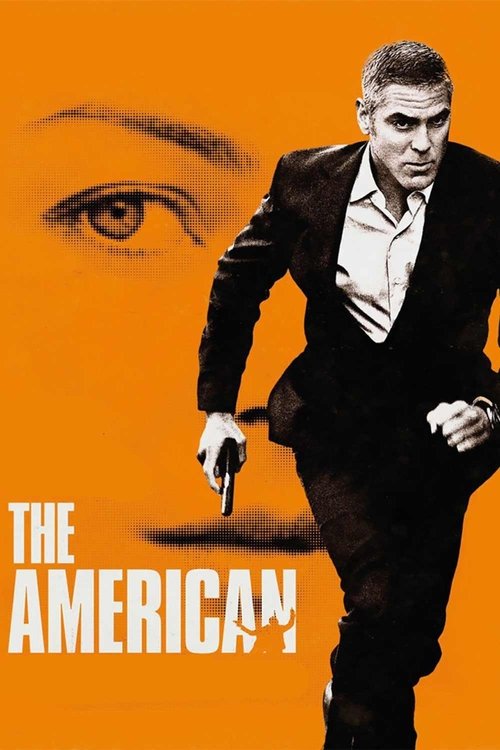
The American2010
Clooney in a sparse, reflective thriller about a criminal in decline. It shares Crime Novel's belief that the real drama is interior: paranoia, isolation, the price of a life lived outside law.
But Plot-light and character-heavy to the point of being almost plotless. Long stretches with minimal dialogue. The pace will feel glacial to some viewers.
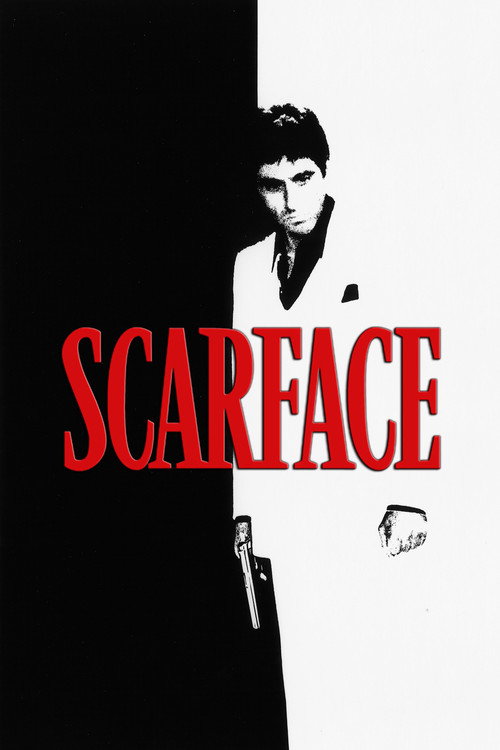
Scarface1983
De Palma's fever-dream about ambition, cocaine, and the American gangster myth. Visually arresting and genuinely disturbing. A useful counterpoint to Crime Novel's cool Italian reserve.
But Unsubtle and frequently overwrought. The philosophizing about power feels adolescent next to more mature crime narratives. Can feel dated and dated badly.
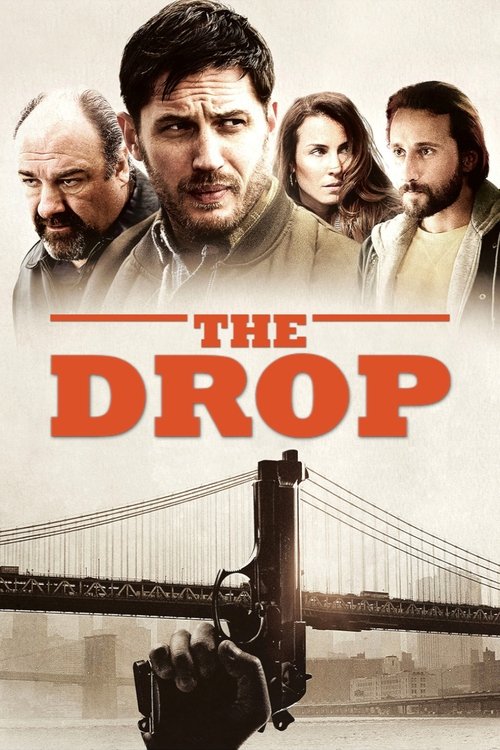
The Drop2014
A quiet Brooklyn crime story about loyalty, honor, and what happens when those values calcify into obsolescence. Tom Hardy's subtlety anchors a meditation on masculinity in decline.
But Minimal plot, maximum mood. If you need crime to mean gunfire and movement, this will bore you. Very deliberately paced.
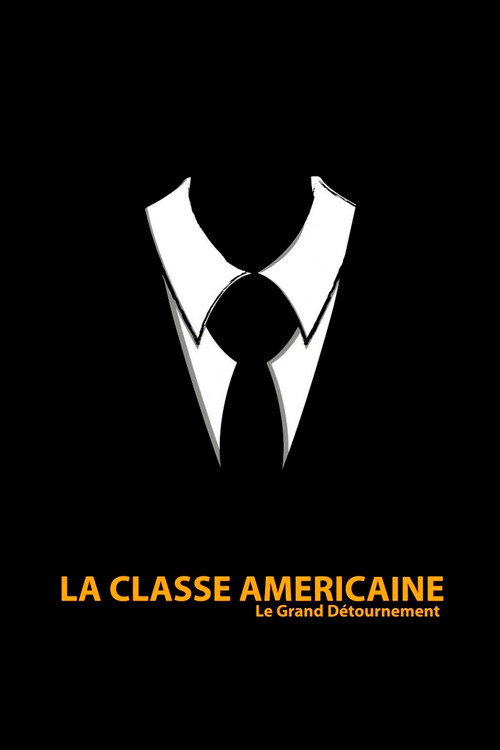
La Classe américaine1993
Both deconstruct the Italian gangster archetype. Crime Novel does it through psychological realism; La Classe Américaine does it by breaking the fourth wall and laughing at the conventions themselves. They're opposite ends of the same inquiry.
A French experimental film that remixes a gangster B-movie into absurdist comedy through overdubbing and editing. It's the opposite register from Crime Novel—trash elevated into art through pure style. Conceptually brilliant and genuinely hilarious.
But If you don't speak French, the wordplay is lost. The underlying film is mediocre, and the joke can feel thin if the concept doesn't grab you. Some viewers find it more clever than funny.
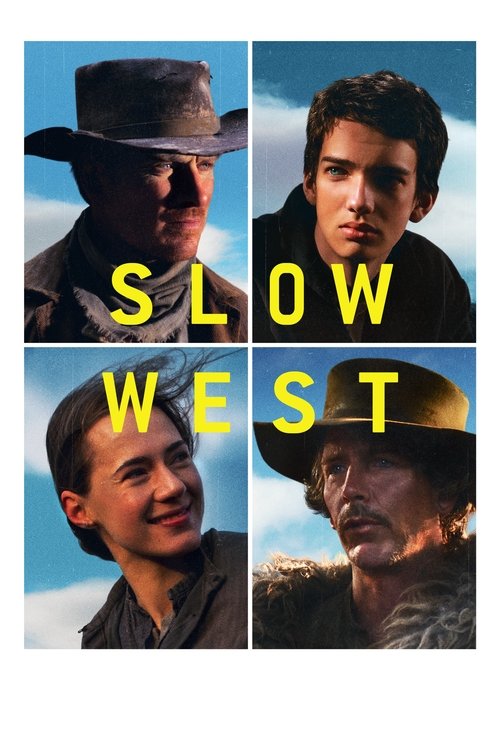
Slow West2015
Both films are about the moment men realize their closest friend has become an enemy, and about the calm, awful clarity that follows. Both trust the audience to sit with moral ambiguity. Both end not with resolution but with damage assessment.
A Scottish-New Zealand western about a young man on a revenge mission accompanied by a drifter with hidden motives. It's formally precise, morally complex, and built on betrayal between men who think they're friends. The final act recalibrates everything you thought you understood.
But A western in a minor key—quiet, painterly, deeply unhappy. If you're expecting gunplay and heroism, you'll be frustrated. The pacing is contemplative to the point of feeling stuck.
People
Cast
 Kim Rossi StuartFreddo
 Anna MouglalisPatricia / Cinzia
 Stefano AccorsiCommissario Scialoja
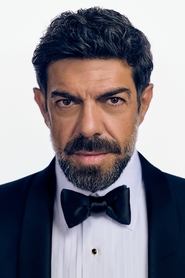 Pierfrancesco FavinoLibano
 Claudio SantamariaDandi

 Jasmine TrincaRoberta
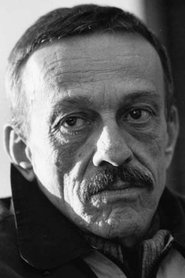 Toni BertorelliLa Voce
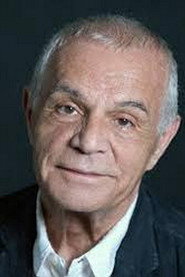 Gigi AngelilloZio Carlo
 Antonello FassariCiro Buffoni
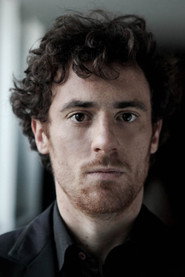 Elio GermanoSorcio
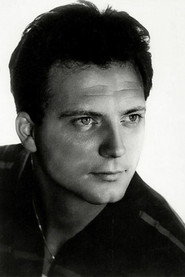 Franco InterlenghiBarone Rosellini
Directing
- Michele PlacidoDirector
- Federico Giorgio RidolfiFirst Assistant Director
- Samantha NatalucciScript Supervisor
- Fabio CastiSecond Assistant Director
- Samanta SollimaSecond Assistant Director
Writing
- Michele PlacidoCo-Writer
- Giancarlo De CataldoNovel
- Giancarlo De CataldoScreenplay
- Sandro PetragliaScreenplay
- Stefano RulliScreenplay
- Giancarlo De CataldoStory
- Sandro PetragliaStory
- Stefano RulliStory
Production
- Fabio ConversiCo-Producer
- Jacqueline QuellaCo-Producer
- Terence S. PotterCo-Producer
- Bruno RidolfiExecutive Producer
- Giovanni StabiliniProducer
- Marco ChimenzProducer
- Riccardo TozziProducer
- Paolo VendittiProduction Manager
- Christian ScaccoProduction Secretary
- Andrea Di BelloniaUnit Manager
- Carla Di CarloUnit Manager
- Raffaella RidolfiUnit Manager