
Film
Prophet's Prey
- Crime
- Very dark
Amy Berg's investigation into Warren Jeffs and the FLDS exposes systemic abuse—sexual, financial, spiritual—within an isolated fundamentalist community. It's methodical and unflinching, built from survivor testimony and meticulous reporting. For anyone interested in how charismatic leaders weaponize belief, or how institutions protect predators, this is essential watching. Difficult but necessary.
Should you watch it?
Watch it if you want patient, document-driven reporting that lets survivors and investigators carry the story, and you can sit with a hard subject without needing it softened.
Skip it if you want a tidy investigative arc, because this lingers on testimony and institutional failure more than on plot momentum, and it can feel heavy going.
What it asks of you: A little over a hundred minutes of unhurried interviews and archival footage, a slow accumulation that asks you to stay with each account rather than move past it.
Not sure? Find tonight's pick in a minute.
If you liked this
Spotlight2015
Another institutional-abuse investigation that's equally gripping precisely because it stays calm and procedural. Watching journalists methodically uncover decades of hidden crimes has a moral clarity that feels urgent.
But It's a *process* film about meetings and phone calls. If you need spectacle or conflict, this moves quietly. Also, the Boston Globe investigation feels safer than examining your own faith community.

An Open Secret2014
Documents abuse within Hollywood's child-star system with the same unhurried, let-the-evidence-speak approach. Equally disturbing, equally necessary, but fewer people have seen it or want to.
But It's more scattered than Prophet's Prey—less shaped, more overwhelming. Hearing victims' voices directly is powerful but relentless. The system it describes feels too vast to fight.
The Keepers2017
A seven-part investigation into abuse and murder at a Baltimore Catholic school. It has Prophet's Prey's rigor but builds momentum across episodes, mixing archive, interviews, and active investigation.
But It commits to a mystery that may never fully resolve. Some viewers find the ambiguity frustrating rather than realistic. Also demands more time investment than a single sitting.
Not sure tonight? Get a pick in a minute, starting from Prophet's Prey
The wildcard
Something you would not have found on your own.
Winter Light1963
Both examine faith systems at the moment they collapse. Prophet's Prey shows institutional abuse breaking belief; Winter Light shows an individual's belief breaking under existential weight. They're inverse angles on the same rupture.
Bergman's most austere film about faith fracturing under the weight of suffering. Not about abuse, but about a pastor losing God entirely. A meditation on the spiritual crisis that Prophet's Prey documents.
But It's sixty-five minutes of philosophical despair with minimal plot. Shot in black and white, paced like a funeral. Not investigative or instructive—just bleak.

More like this (7)
Minding the Gap2018
A documentary that starts as a skateboarding film and becomes a meditation on abuse, masculinity, and trauma. Proof that a single story can contain multitudes without losing clarity.
But The focus drifts from the abuse narrative into personal territory. Some find the self-reflexive elements self-indulgent rather than illuminating.
Going Clear: Scientology and the Prison of Belief2015
Exactly the same investigation—abuse, exploitation, institutional silence—applied to a different cult. Alex Gibney's clarity is surgical. Watching it back-to-back with Prophet's Prey reveals patterns.
But It's 119 minutes of forensic testimony. Some find it repetitive. Also, Scientology's legal apparatus makes the film itself a document of institutional power in a way that can feel impotent.
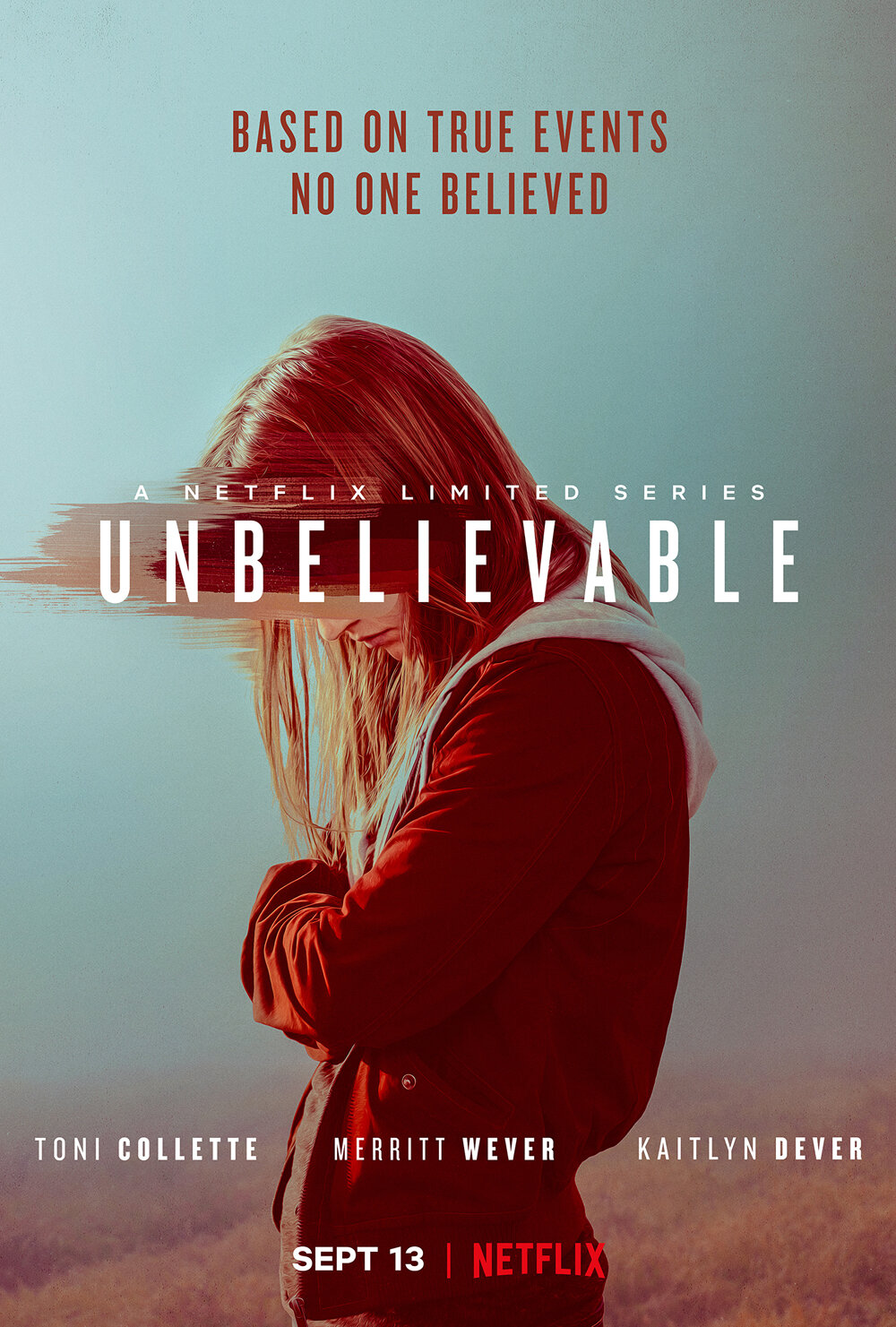
Unbelievable2019
A procedural that combines investigation and trauma. It shows how institutions fail victims *and* how dogged detective work can still matter. Eight episodes, utterly gripping.
But Some storylines feel obligatory or softened for television. The investigation mechanics matter more to the narrative than the survivors' ongoing recovery.
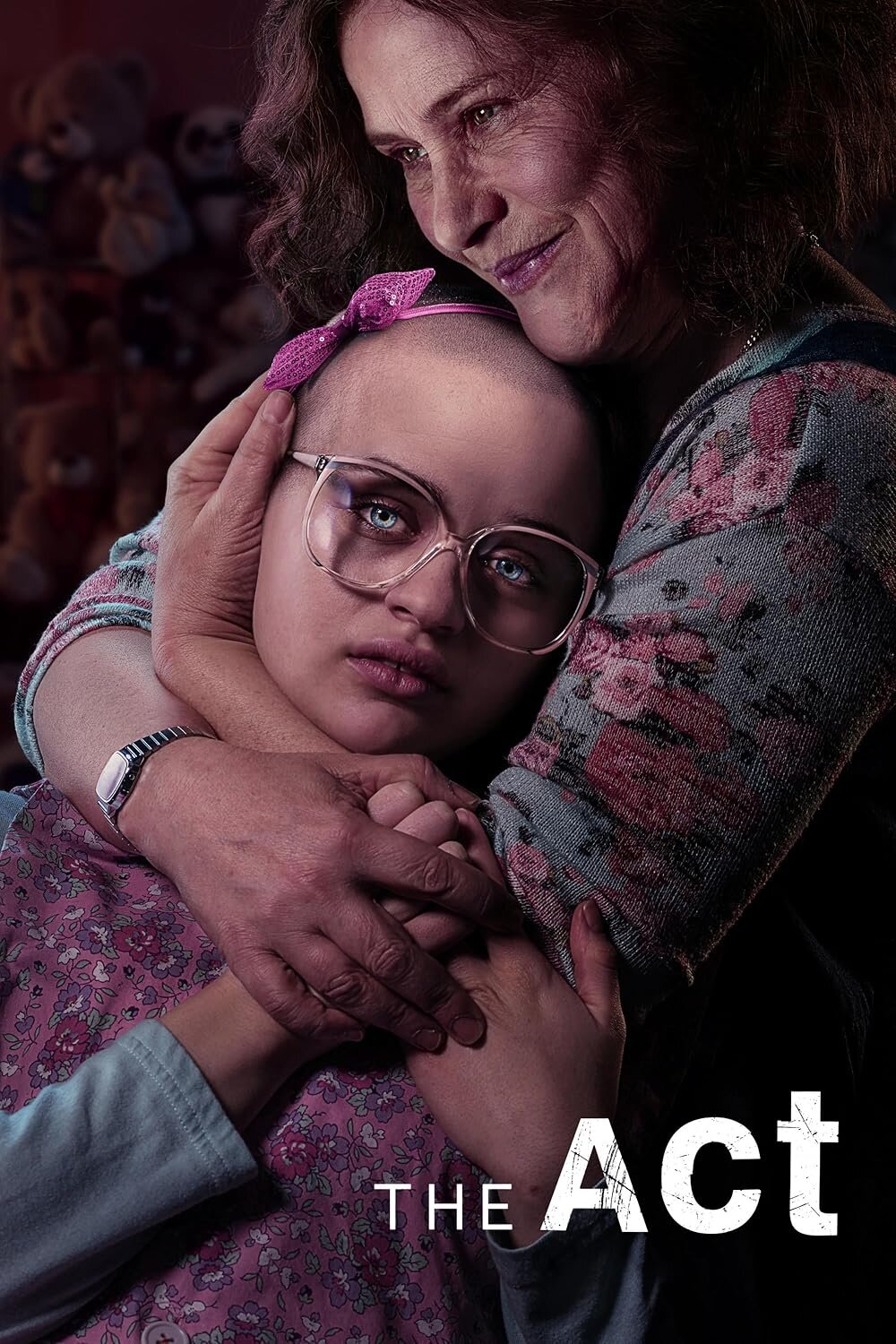
The Act2019
A tight eight-parter on Munchausen-by-proxy that treats psychological abuse as seriously as Prophet's Prey treats spiritual manipulation. Gypsy and Dee Dee's relationship is horrifying precisely because it's intimate.
But It's been made into entertainment with ensemble casting and narrative flair. Some viewers feel it trivializes the abuse. Also, the resolution is known before you watch.
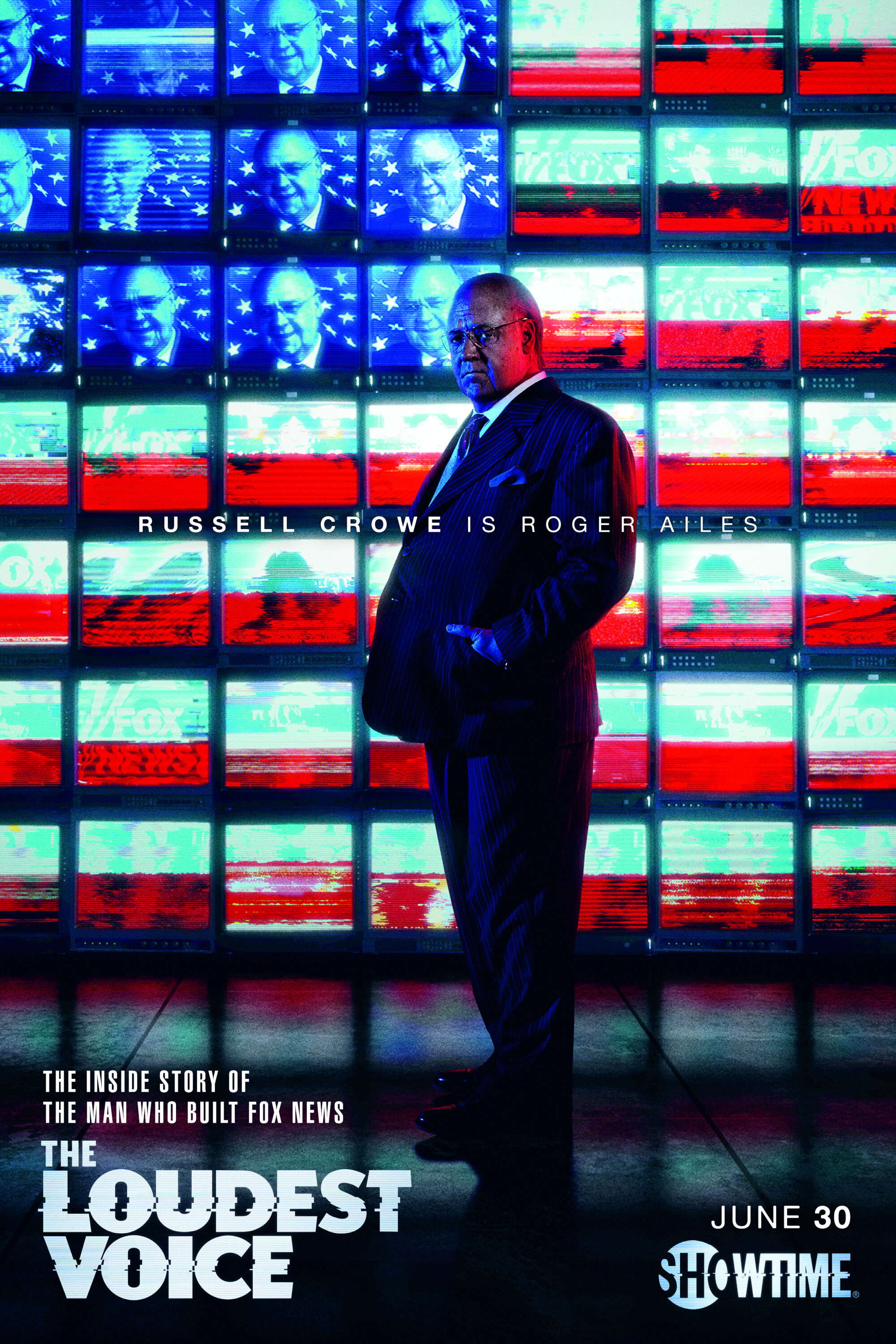
The Loudest Voice2019
Traces how Roger Ailes built and weaponized institutional power to enable and conceal sexual abuse. It's less about one victim and more about how systems architect silence.
But Russell Crowe's performance can overshadow the victims' stories. The Murdoch ecosystem is so complex that the film sometimes sacrifices clarity for scope.
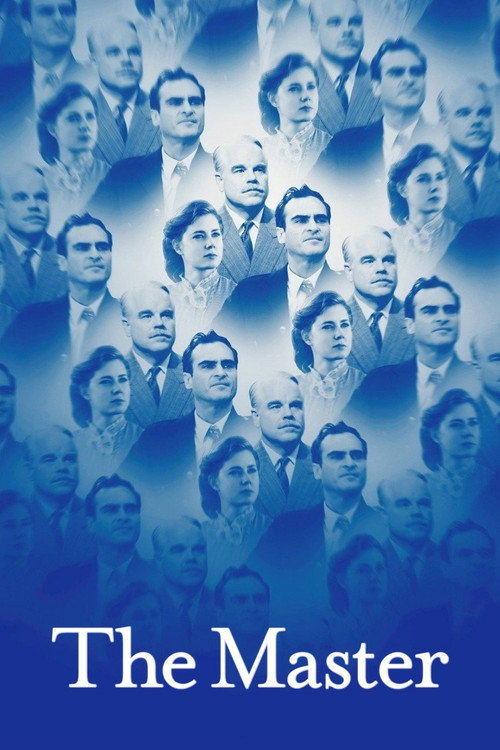
The Master2012
Prophet's Prey shows the mechanism of cult control; The Master shows its *texture*—the psychological magnetism that makes victims stay. One is investigation, one is empathy-through-strangeness.
Paul Thomas Anderson's fever-dream about a charismatic spiritual leader and his devoted follower. It's oblique and hypnotic where Prophet's Prey is direct, but captures how seduction works—the intoxication of belonging.
But It's deliberately enigmatic and withholding. No answers, minimal narrative payoff. Some viewers find it frustratingly abstract, especially if you want the abuse to be legible and condemnable.
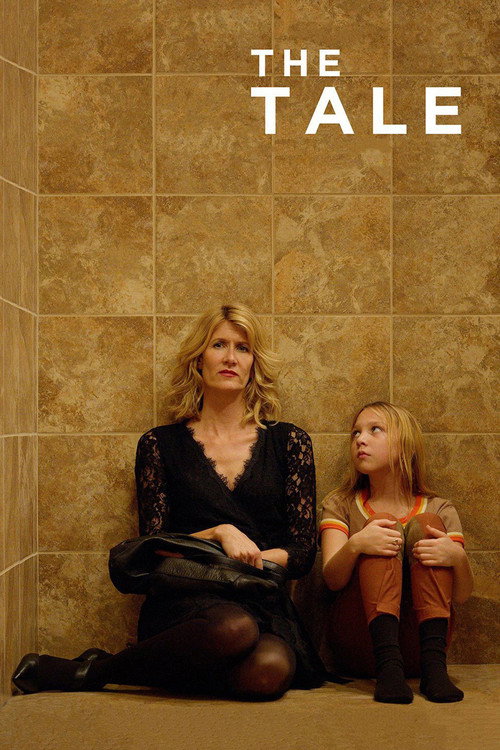
The Tale2018
Prophet's Prey uses survivor testimony as evidence. The Tale uses it as *unreliable memory*. Both ask: what does it mean to know what happened? One emphasizes institutional accountability; the other emphasizes personal reckoning.
Jennifer Fox's experimental documentary about confronting her own childhood abuse decades later. It uses reenactment, interview, and formal innovation to show how memory and denial collaborate. Devastating but formally inventive.
But It's formally demanding—mixing real and acted footage in ways that can feel pretentious. Some viewers want clearer documentary evidence rather than formal ambiguity. Also, it's about the teller learning, not judgment.
People
Cast
- Sam BrowerSelf
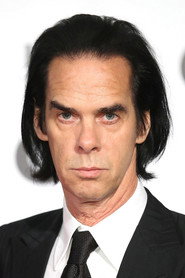 Nick CaveNarrator
- Andrew ChatwinSelf
- Lori ChatwinSelf
Directing
- Amy J. BergDirector
Writing
- Amy J. BergWriter
Production
- Anna CulpExecutive Producer
- Becky NewhallExecutive Producer
- Brian GrazerExecutive Producer
- Dustin Lance BlackExecutive Producer
- Erica HugginsExecutive Producer
- Geralyn White DreyfousExecutive Producer
- Jon KrakauerExecutive Producer
- Regina K. ScullyExecutive Producer
- Ron HowardExecutive Producer
- Shannon CostelloExecutive Producer
- Amy J. BergProducer
- Katherine LeBlondProducer
- Sam BrowerProducer
Recommended by
Holy Hell, Seduced: Inside the NXIVM Cult, Going Clear: Scientology and the Prison of Belief, Keep Sweet: Pray and Obey