
Film
Ned Rifle
Ned Rifle is a spare, strange revenge film by Hal Hartley—the third in his Henry Fool trilogy—about a teenager hunting his absent father and the complicated woman who gets in his way. It's austere and deliberately paced, with the deadpan dialogue rhythms and moral tangles Hartley fans expect. For viewers who prize character oddity and philosophical inquiry over plot momentum.
If you liked this
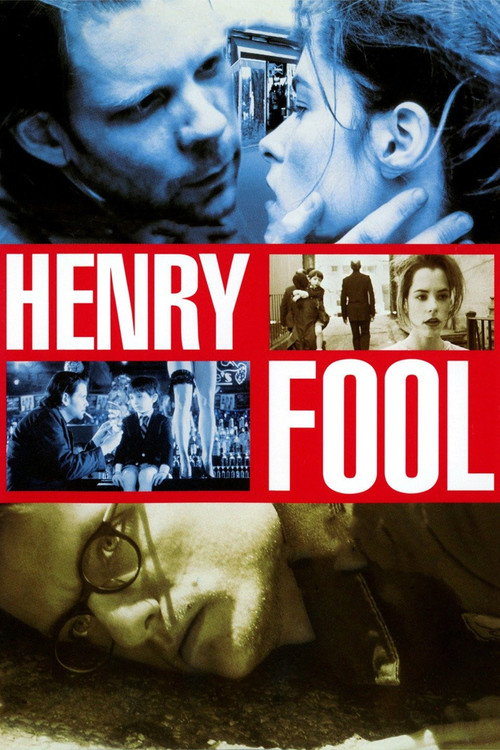
Henry Fool1998
Hartley's original, introducing the messianic drifter Henry and the world he disrupts. Essential context for Ned Rifle, and a brilliant portrait of how charisma and delusion can look identical from the inside.
But The pacing is glacial by design, and the low-budget 90s production values will feel deliberately unglamorous if you're not in the mood.
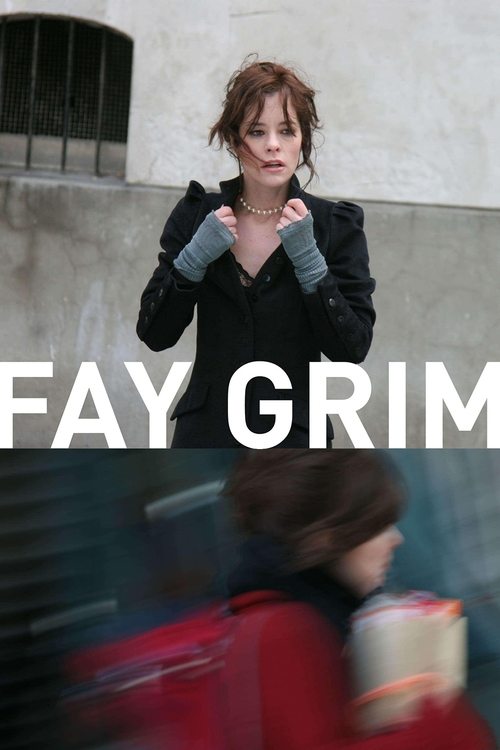
Fay Grim2007
The middle chapter, following Fay as she becomes a spy. It's Hartley at his most formally inventive, mixing documentary fragments and elaborate long takes. Darkly hilarious and genuinely strange.
But It's more visually experimental than plot-driven, and the narrative deliberately resists easy comprehension—the point is the mystery, not solving it.
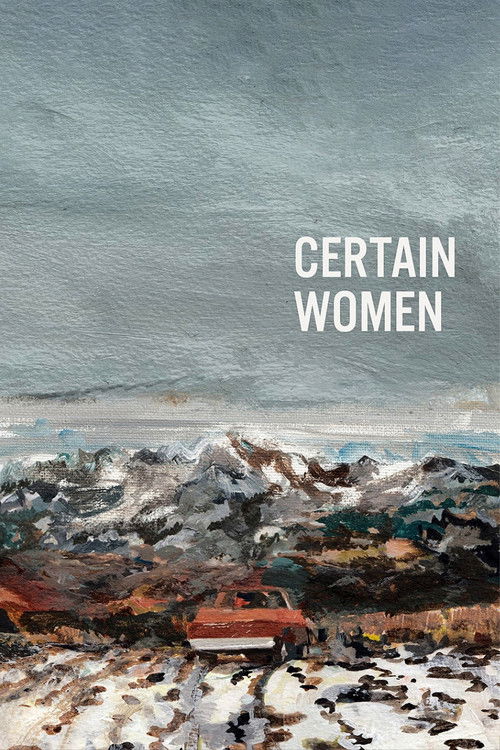
Certain Women2016
Kelly Reichardt's three-part study of women in rural Montana. Like Hartley, Reichardt finds complexity in small gestures and silences. Meditative, precise, and profoundly moving without announcing itself.
But Nothing 'happens' in the conventional sense. If you need a clear narrative engine, this will feel slow to the point of stalling.
Not sure tonight? Get a pick in a minute, starting from Ned Rifle
The wildcard
Something you would not have found on your own.
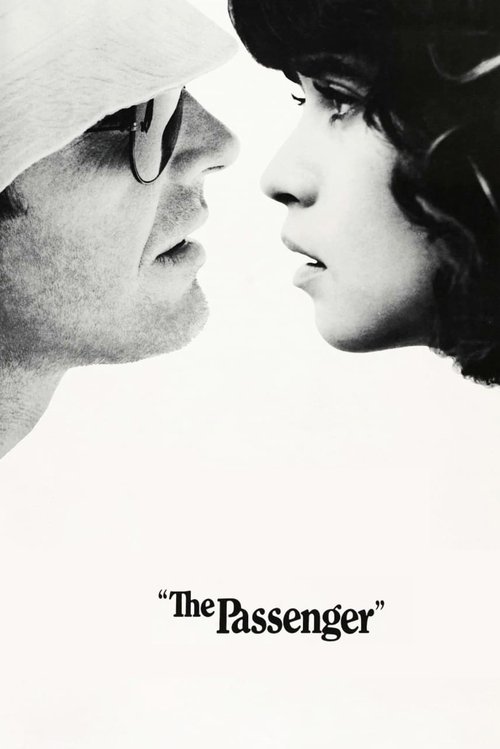
The Passenger1975
Both films are invested in how people conceal themselves and what happens when those concealments are stripped away. Antonioni and Hartley share a belief that character is revealed through withholding.
Michelangelo Antonioni's masterpiece about a man who assumes a dead stranger's identity. It's a dissection of alienation, destiny, and whether we can ever truly know another person. Formally audacious and philosophically profound.
But It's 120 minutes of existential drift with almost no plot. The famous final shot is extraordinary but slow in arriving. Antonioni's sensibility is the opposite of reassurance.
More like this (6)
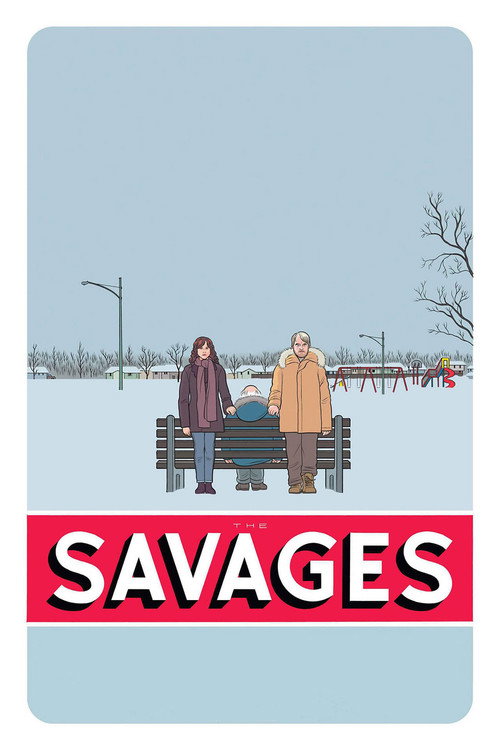
The Savages2007
Tamara Jenkins's portrait of adult siblings managing their aging father's decline. Uncomfortably funny and genuinely tender, with extraordinary performances from Laura Linney and Philip Seymour Hoffman.
But It's an uncomfortable film about uncomfortable family dynamics—there's no catharsis, and nobody wins. The humor sits right next to real pain.
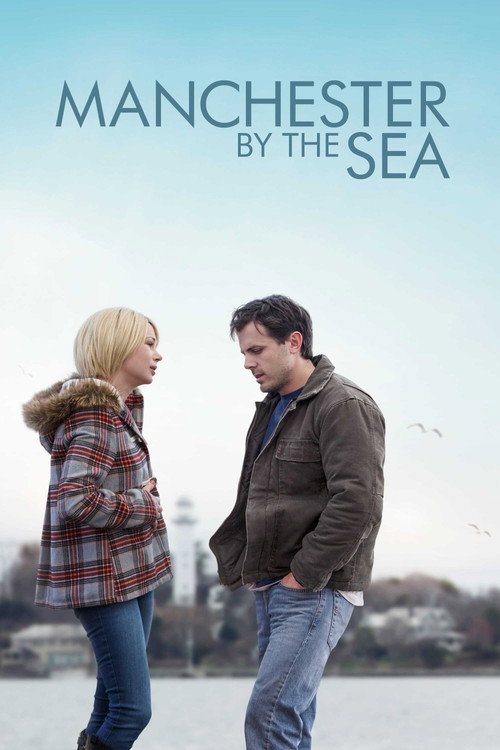
Manchester by the Sea2016
Kenneth Lonergan explores grief and obligation with enormous restraint. The film trusts you to read faces and silences. Haunting, often quietly devastating, with one of Casey Affleck's finest performances.
But The emotional architecture builds slowly, and there's no moment where everything 'makes sense.' You have to sit with ambiguity and loss.
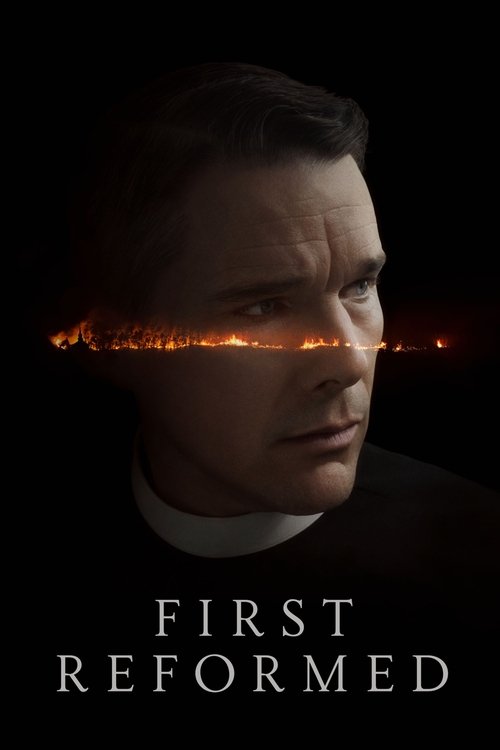
First Reformed2018
Paul Schrader's portrait of a minister in moral crisis. Formally rigorous, theologically serious, and genuinely unsettling. A mature artist working at the height of his powers.
But The protagonist is deeply damaged and makes increasingly difficult choices. It's not comforting—it interrogates faith and despair without resolution.
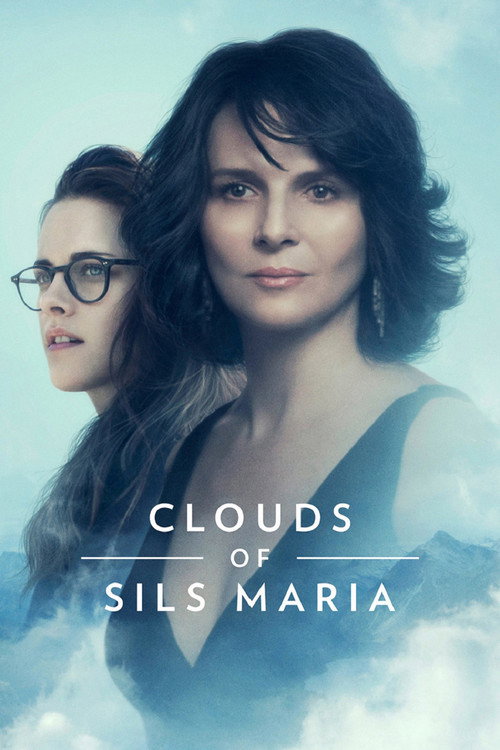
Clouds of Sils Maria2014
Olivier Assayas creates a film about aging, art, and obsolescence disguised as a backstage drama. Cate Blanchett and Juliette Binoche are extraordinary. Intellectually playful and strangely moving.
But It's a film about actors and theater for people who love that world. If you're indifferent to cinema and performance, the abstraction might feel precious.
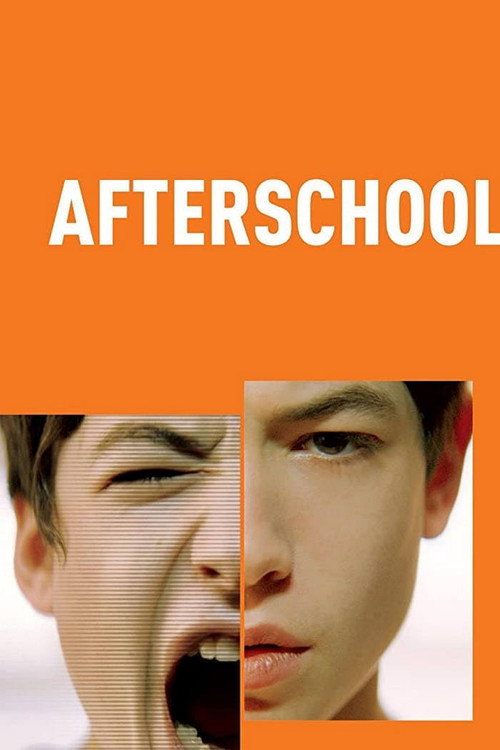
Afterschool2009
Like Ned Rifle, it's about a young person's moral development and complicity in events beyond their control. Both use restraint as a form of intensity, and both trust the audience to find meaning in what's *not* shown.
Antonio Campos's debut follows a teenager at boarding school documenting everything with his camera. Visually inventive, ethically complex, and genuinely disturbing. It's about surveillance, complicity, and the distance between witness and participant.
But It's formal and challenging and deals with trauma in non-explicit ways. The narrative withholds information deliberately. Some find it glacial and pretentious.
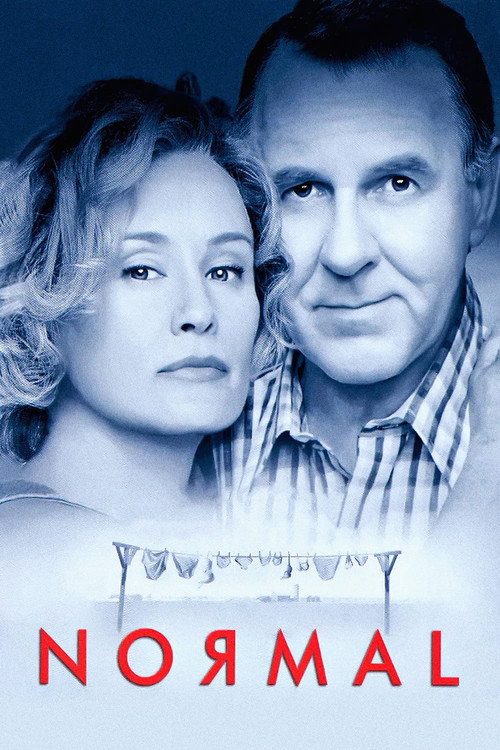
Normal2003
Both films are about people shaped by absence and grief—the ways we internalize wounds that others have inflicted. Both are formally austere and trust silence to carry meaning.
Magnus von Horn's Argentinian character study of a woman in profound isolation. Filmed in real locations with non-professional actors. It's a haunting, almost anthropological portrait of loneliness and survival.
But 'Nothing happens' is an understatement. The film is almost wordless, and its emotional power arrives through extreme subtlety. If you need dialogue and plot, this will feel like punishment.
People
Cast
 Aubrey PlazaSusan Weber
 Parker PoseyFay Grim
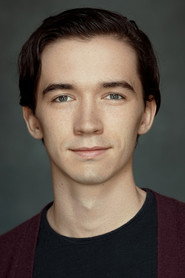 Liam AikenNed Rifle
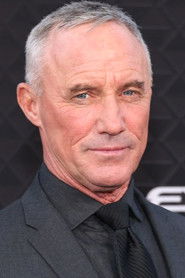
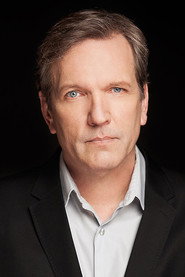 Martin DonovanRev. Daniel Gardner
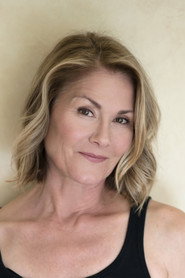 Karen SillasAlice Gardner
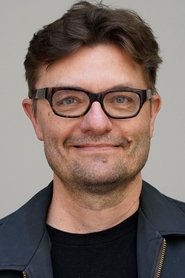 James UrbaniakSimon Grim
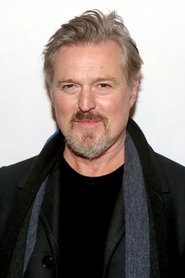 Bill SageBud
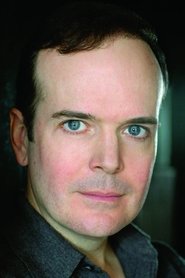 Jefferson MaysDr. Ford
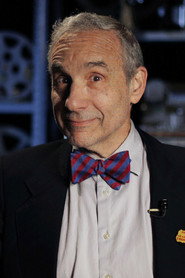 Lloyd KaufmanZach
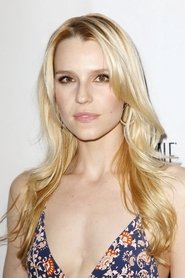 Gia CrovatinOlive
Directing
- Arinn AmerAssistant Director
- Hal HartleyDirector
- Katie OscarScript Supervisor
Writing
- Hal HartleyWriter
Production
- Findlay ParkeAssociate Producer
- Regina KatzAssociate Producer
- Dave HansenCo-Producer
- Mark MohtashemiCo-Producer
- Stuart HarrisCo-Producer
- Marcus LovingoodConsulting Producer
- Aidan O'BryanExecutive Producer
- Don ThompsonExecutive Producer
- Joe ShapiroExecutive Producer
- Sarah ConeExecutive Producer
- Philip PrinceLocation Manager
- Hal HartleyProducer
- Matthew MyersProducer
- Regina KatzProduction Supervisor
- Findlay ParkeUnit Production Manager