
Film
My Kid Could Paint That
Amir Bar-Lev's documentary follows Marla Olmstead, a four-year-old whose abstract paintings sell for thousands and attract serious critical attention. It's a deceptively simple premise that spirals into questions about authenticity, parental ambition, and what art even means. Darkly funny and increasingly unsettling, it's essential viewing for anyone who's ever wondered where the line between phenomenon and fraud actually sits.
Should you watch it?
Watch it if you enjoy documentaries that follow an ordinary family through a strange public spotlight and let you argue with yourself about the art, rather than telling you what to think.
Skip it if you want a film with a firm point of view or brisk pacing, since this loose, talky piece circles its questions and rarely pushes for an answer.
What it asks of you: Expect an 82-minute stretch of interviews, family footage and close looks at the canvases, with an unhurried rhythm that asks you to keep weighing what you see.
Not sure? Find tonight's pick in a minute.
If you liked this
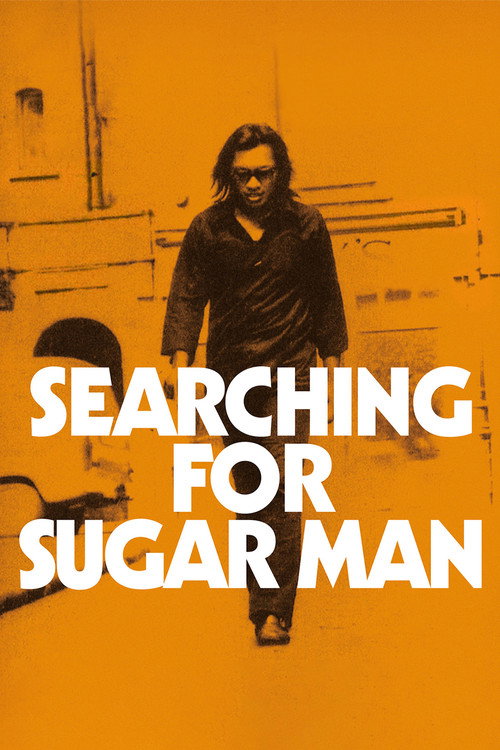
Searching for Sugar Man2012
A documentary that builds mystery the same way a thriller does, asking you to investigate alongside the filmmakers. Like Marla's paintings, it reveals different truths depending on how hard you look.
But The payoff, when it comes, is more human than shocking. Some find the resolution quietly disappointing compared to the mystery.
The Queen of Versailles2012
Both films observe wealth and ambition without flinching, letting uncomfortable family dynamics and questionable choices speak for themselves. It's a portrait of people caught mid-delusion.
But Longer and slower than My Kid Could Paint That, with less narrative momentum. The passivity of watching can feel exhausting.

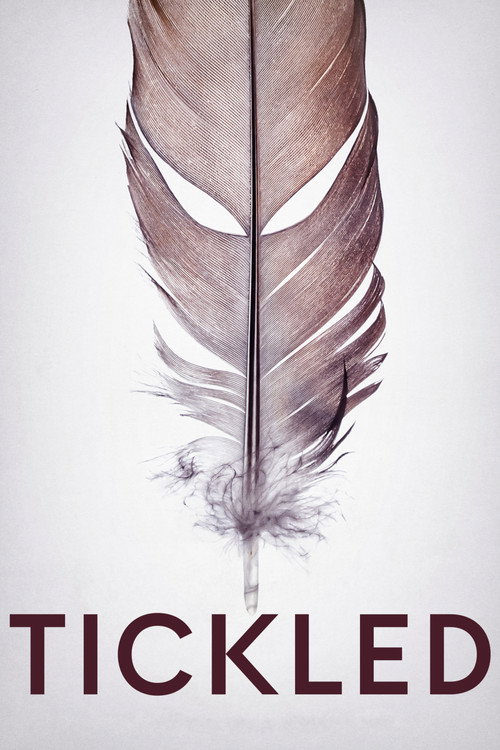
Tickled2016
Starts as curiosity about a niche internet phenomenon and becomes an investigation into manipulation and obsession. The filmmaking is precise; the unsettling feeling builds quietly and then all at once.
But The final act ventures into genuine darkness that some find exploitative rather than illuminating. It doesn't come with easy answers.
Not sure tonight? Get a pick in a minute, starting from My Kid Could Paint That
The wildcard
Something you would not have found on your own.
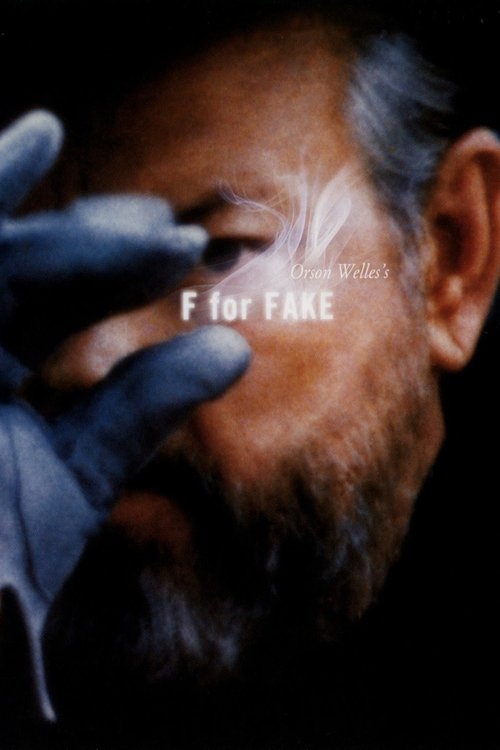
F for Fake1973
Both ask: how do we know what's real? Both use deception as a tool to examine deception. Both are fundamentally about the stories we tell ourselves about art and value.
Orson Welles's experimental essay about forgery, art, and authenticity. It's part documentary, part magic trick, part philosophical provocation—asking the same questions as My Kid but decades earlier and far more playfully.
But It's deliberately fragmented and self-conscious about its own reliability. If you want straightforward narrative, this will frustrate you.
More like this (7)
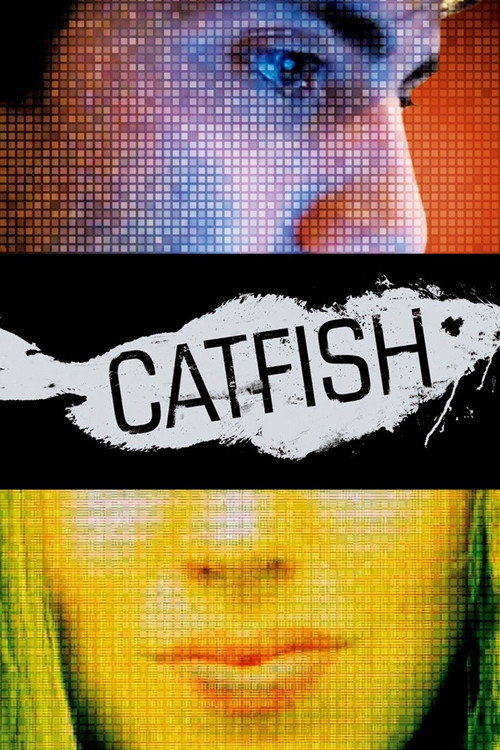
Catfish2010
A documentary about deception and identity that unfolds like a mystery, asking you to second-guess what's real as much as the filmmakers do. The ambiguity lingers.
But It's become somewhat dated in its internet commentary, and the ending divides viewers sharply on whether it resolves anything.
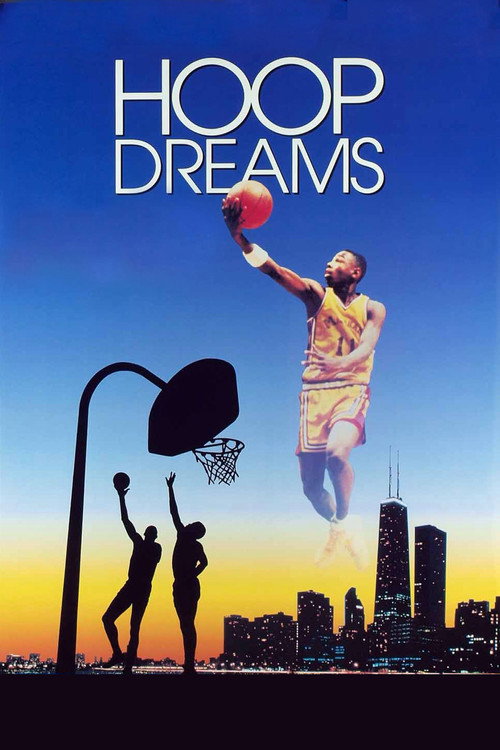
Hoop Dreams1994
A landmark documentary that tracks ambition and exploitation over years, showing how systems use and discard people. It's methodical, empathetic, and quietly devastating.
But At nearly three hours, it requires real commitment. The pace is deliberate rather than propulsive; you're meant to settle in and observe.
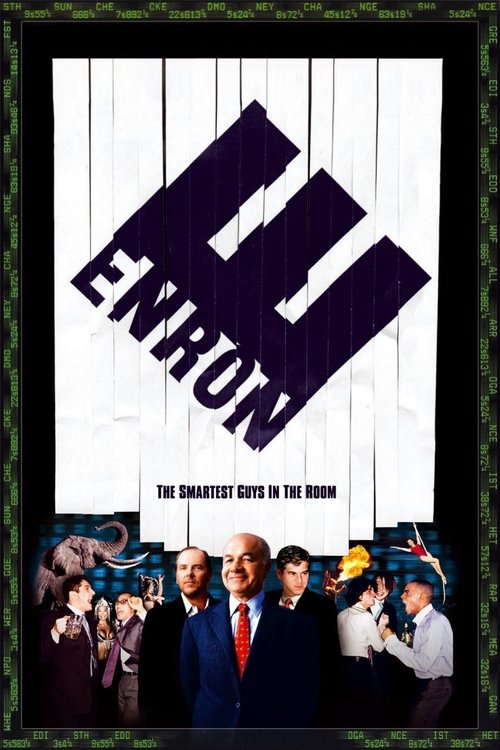
Enron: The Smartest Guys in the Room2005
About deception at scale, how charisma and narrative can mask criminality. It shares My Kid's obsession with how we come to believe impossible things.
But The corporate-crime genre has been done to death since. It can feel like familiar territory if you've seen similar documentaries.
Grey Gardens1976
An unsettling portrait of two women living in delusion and squalor, shot with uncomfortable intimacy. It invented the template for documentaries that provoke ethical questions about observation itself.
But It's genuinely disturbing and feels invasive. The film itself became part of a dark story; watching it carries that weight.

Iris2014
Documents an elderly woman's life and work with tenderness, but doesn't shy from asking hard questions about legacy, memory, and self-mythologizing. Small in scale, huge in emotional scope.
But It's quiet and meditative. If you're after propulsive storytelling, the pacing will feel slack.

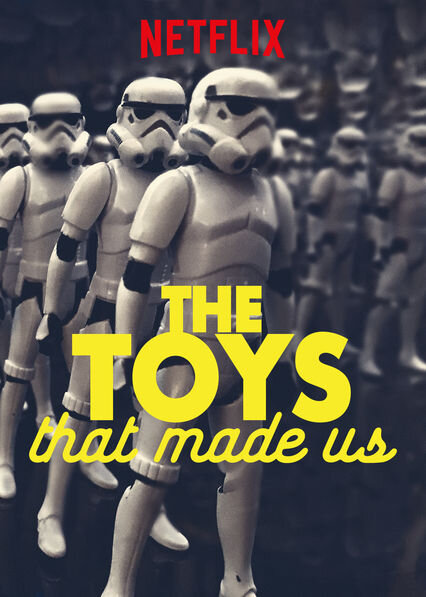
The Toys That Made Us2017
A well-made series about how marketing, nostalgia, and narrative combine to create cultural phenomena. Fun and accessible, with sharp analysis underneath.
But It's comfort documentary—informative but rarely challenging. It accepts the myths rather than interrogating them.
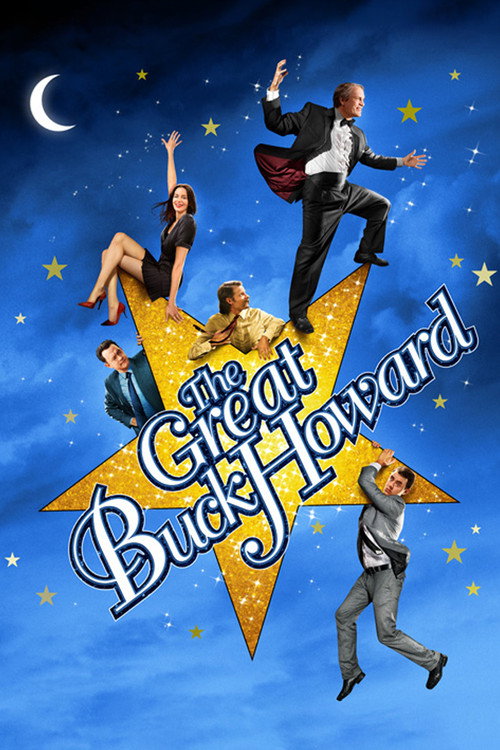
The Great Buck Howard2008
Both are about performance and belief—how someone can construct a version of themselves that the world accepts, and what happens when the illusion cracks. Both ask what we owe to people whose moment has passed.
A narrative film, not a documentary, about a washed-up mentalist and his young assistant. It's a gentle, funny exploration of delusion, aging, and what it means when your talent is no longer enough. John Malkovich is luminous.
But It's slight and meandering. Nothing much happens, and it doesn't resolve into catharsis. Some will find it frustratingly unmotivated.
People
Cast
- Laura OlmsteadSelf
- Mark OlmsteadSelf
 Marla OlmsteadSelf
- Elizabeth CohenSelf
- Anthony BrunelliSelf
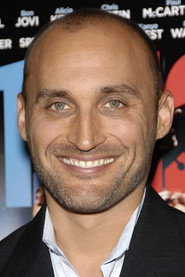 Amir Bar-LevSelf
- Zane OlmsteadSelf
Directing
- Amir Bar-LevDirector
Production
- Amir Bar-LevProducer