
Film
Manifest Destiny
A new father becomes entangled in supernatural occurrences that echo the urban legends featured in a podcast he's consumed by. As reality blurs with folklore, the film interrogates the American Dream through the intersecting pressures of family, race, and psychological unraveling. It's an unsettling, thoughtful thriller that treats horror as a language for examining contemporary dread.
If you liked this
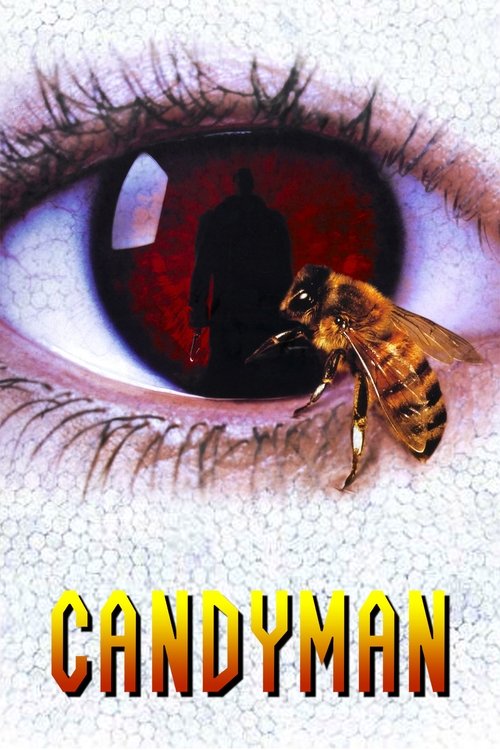
Candyman1992
A masterpiece of horror weaponized to examine systemic racism and collective trauma. Like Manifest Destiny, it uses supernatural dread to explore how myth and marginalization intertwine in American life.
But The pacing is deliberate and the scares are psychological rather than visceral—not a jump-scare machine.
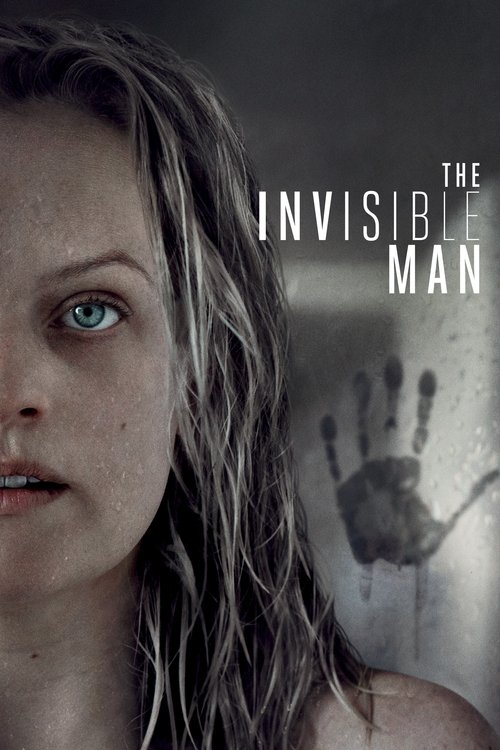
The Invisible Man2020
Transforms a classic monster tale into a contemporary thriller about gaslighting and domestic control. Both films use genre conventions to examine real, structural horrors hiding in plain sight.
But The social commentary can feel heavy-handed if you're watching purely for scares.
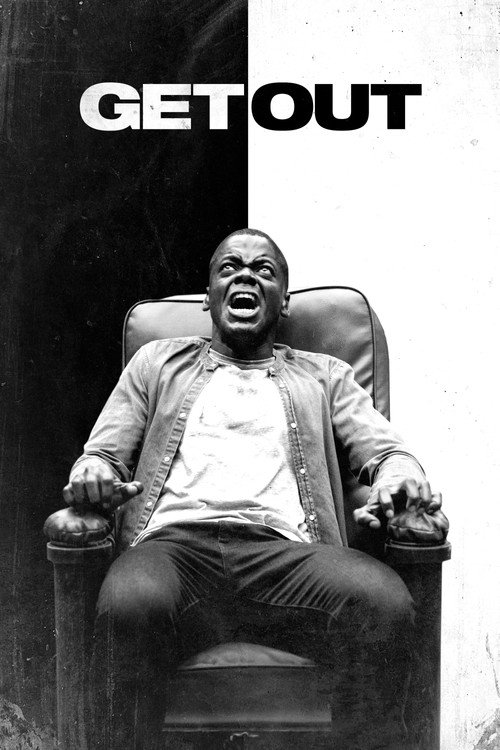
Get Out2017
A razor-sharp horror-thriller that weaponizes American politeness and racial anxiety. Shares Manifest Destiny's DNA: folklore as weapon, the uncanny made systemic, paranoia that turns out to be justified.
But If you've already seen it, you know the beats; it doesn't surprise on rewatch the way it should.
Not sure tonight? Get a pick in a minute, starting from Manifest Destiny
The wildcard
Something you would not have found on your own.
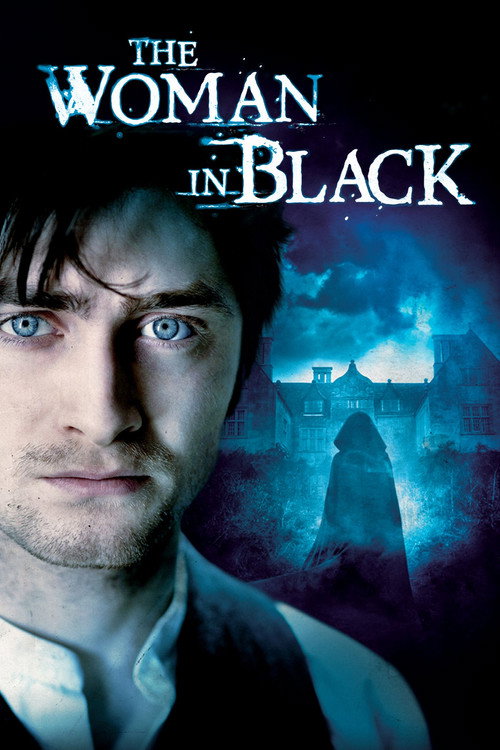
The Woman in Black2012
Both feature protagonists confronting supernatural manifestations that force them to question what's real, but Woman in Black embraces the ghost as literal rather than metaphorical—a different register of the same essential tension.
A straightforward ghost story—no subtext, no commentary, just pure atmospheric haunting. It works as a palate cleanser and a reminder that sometimes the supernatural doesn't need to be about something else. Beautifully crafted, genuinely creepy.
But It's unironic and unambiguous, which some find dated; if you need your horror to interrogate systems or psychology, this is just a ghost story.
More like this (7)
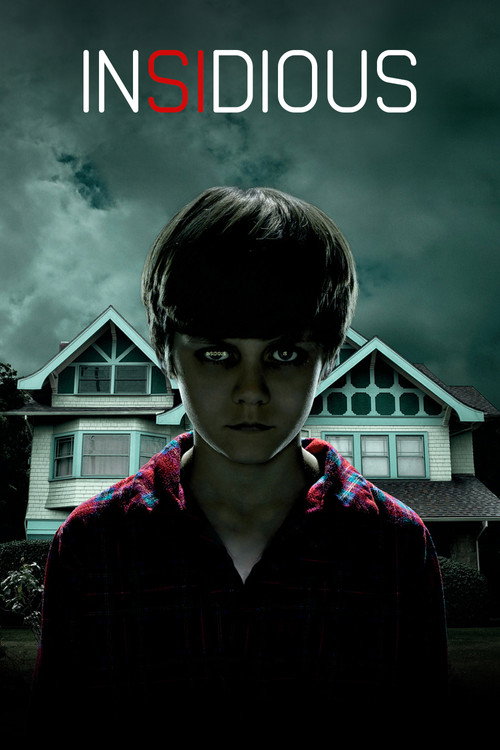
Insidious2011
A taut family-centered supernatural thriller where the real terror stems from parental helplessness. The dread builds through intimate spaces—what happens when home becomes unsafe.
But The third act leans into visual spectacle that undercuts the earlier psychological tension.
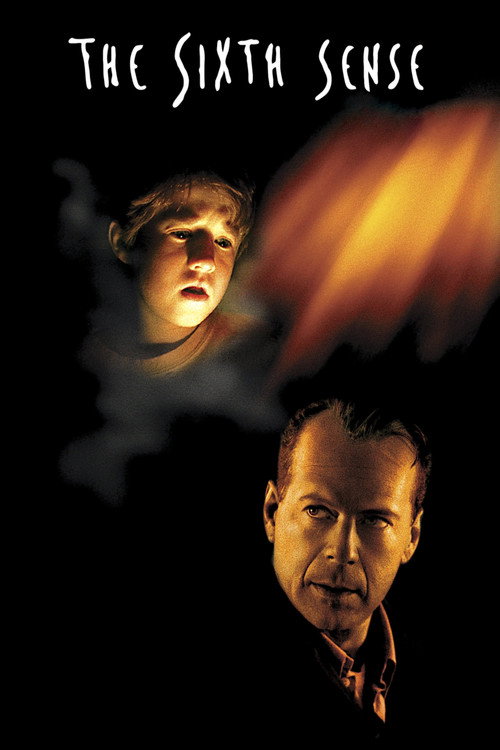
The Sixth Sense1999
A haunting exploration of a child caught between worlds, filtered through grief and the weight of seeing too much. The supernatural operates as a vehicle for examining trauma and connection.
But The ending twist, once seen, diminishes the rewatching experience significantly.
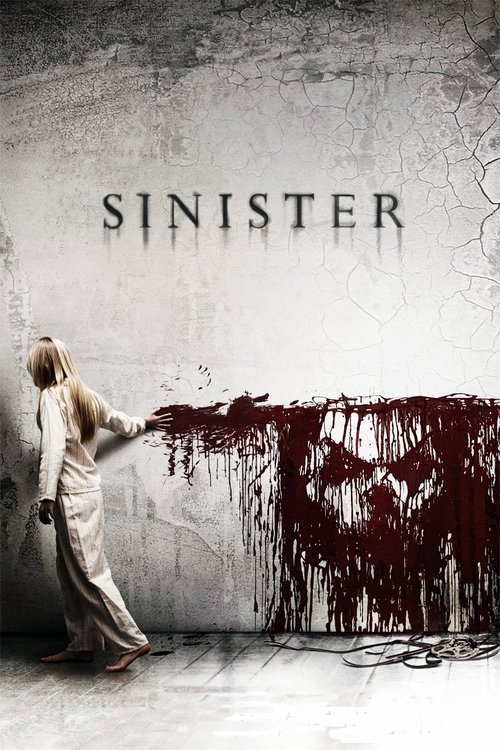
Sinister2012
A writer researching a crime discovers footage that suggests something far more sinister. It builds dread through obsession and the corrupting influence of dark knowledge—a slow-burn that takes hold.
But The violence is genuinely disturbing and the film offers little catharsis; it's punishing in its bleakness.
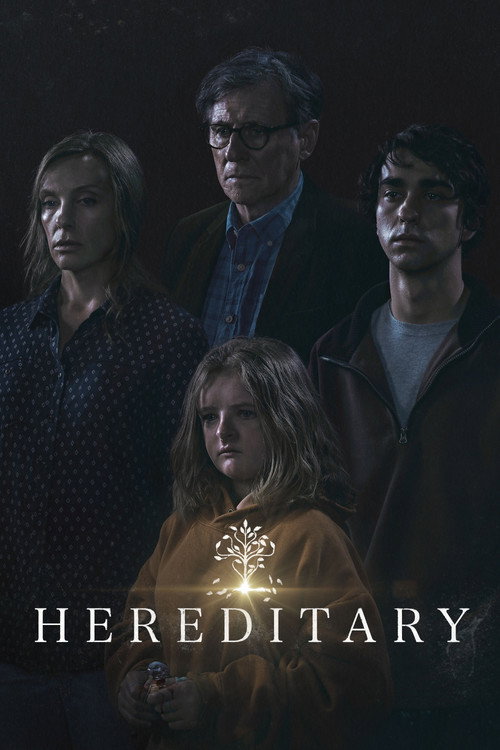
Hereditary2018
Family trauma manifested as horror. The film treats grief and inherited psychological damage with the same weight as the supernatural, creating unbearable tension from within the home.
But It's bleak and exhausting; there's no safe space and minimal relief. Not a film that lets you relax.
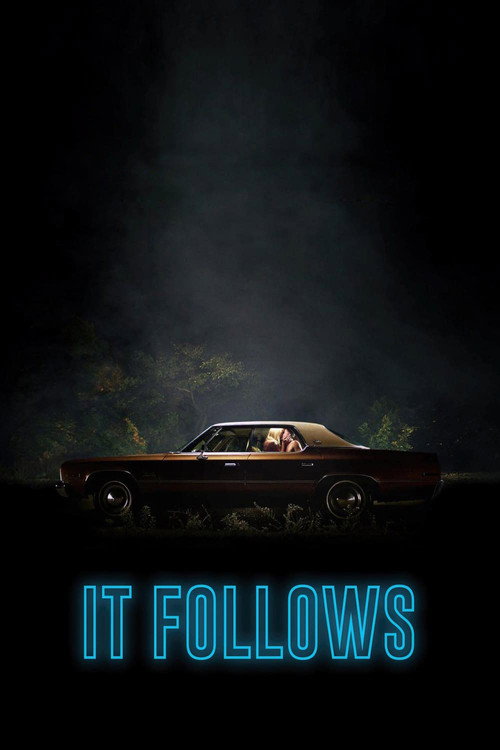
It Follows2015
A inventive supernatural threat that functions as metaphor for contagion, consequence, and inescapable anxiety. Understated and eerie, with a sense of mounting dread that never quite releases.
But The logic of the threat has gaps that require acceptance rather than explanation.
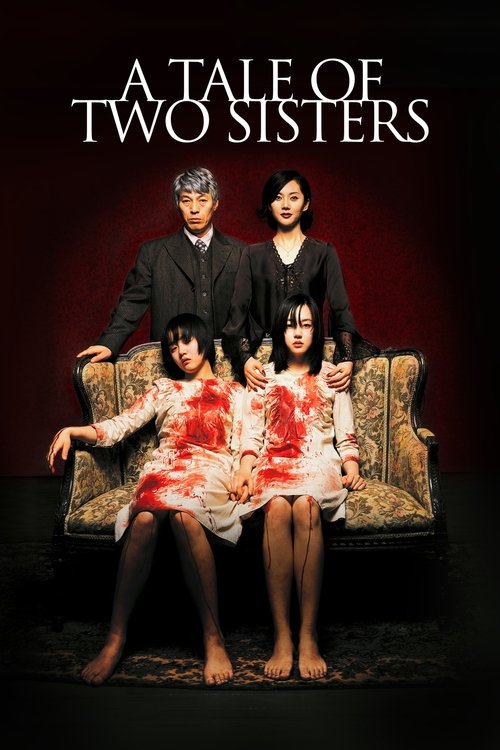
A Tale of Two Sisters2003
A Korean film that uses psychological horror and fairy-tale imagery to explore grief and family breakdown. Visually stunning, deeply unsettling, and operates on dream logic rather than narrative clarity.
But Deliberately obscure and requires patience with ambiguity; the ending is intentionally unreliable.
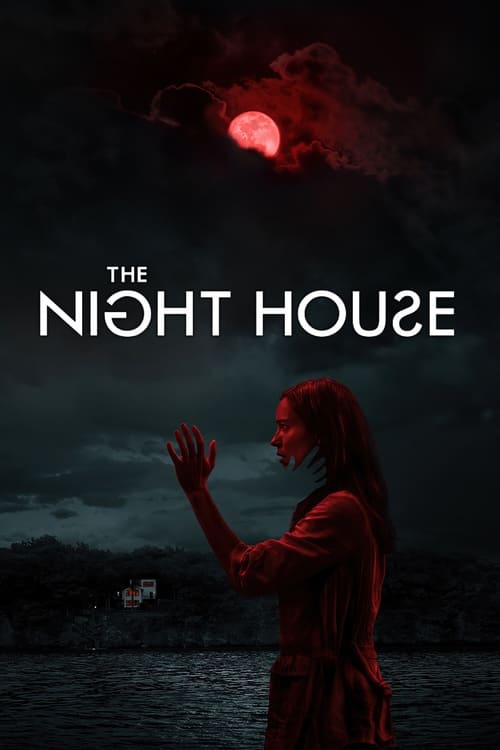
The Night House2021
Both films use the supernatural as a language for domestic dissolution and the uncanny knowledge that someone close to you may be unknowable. The horror is relational, not external.
A widow investigates her husband's secrets and discovers something vast and wrong waiting in the dark. It's genuinely terrifying but grounded in grief and the dissolution of trust. The horror emerges from betrayal, not jump-scares.
But It's visually dark—sometimes frustratingly so—and the ending prioritizes mood over plot resolution. Some find it more challenging than satisfying.
People
Cast
- Samora GoodsonPatterson
 Dani HurtadoJune
 Gregory KellyThe Guardian
Directing
- Kevin OsgoodDirector
- Timothy GunatilakaDirector
Writing
- Timothy GunatilakaWriter
Production
- Beth SepkoCasting
- Wesley BarrowCo-Executive Producer
- Adam LebensteinExecutive Producer
- Timothy GunatilakaExecutive Producer
- Ivy ChiuProducer
- Ivy HowellProducer
- Michael ZumayaProducer