
Film
Look Both Ways
A low-key Australian drama about four friends confronting mortality and meaning over a sweltering weekend. It moves quietly between their separate crises—a cancer diagnosis, a failed relationship, infertility, existential drift—finding tenderness in how people circle each other during their darkest hours. Intimate, unhurried, and genuinely moving without sentiment.
If you liked this
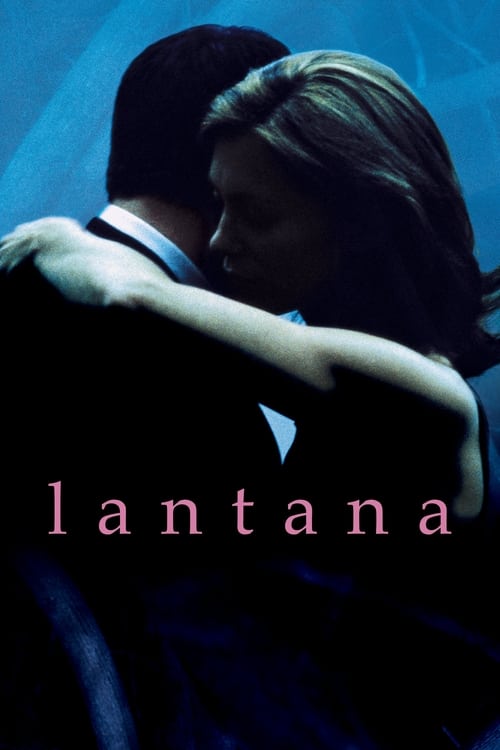
Lantana2001
An ensemble drama with similar emotional architecture: multiple characters, intersecting secrets, the gap between what people show and what they hide. It builds to genuine revelation without melodrama, and the performances are uniformly excellent.
But Deliberately paced and built on mood rather than plot momentum. Some find it slow; others think that's the point.
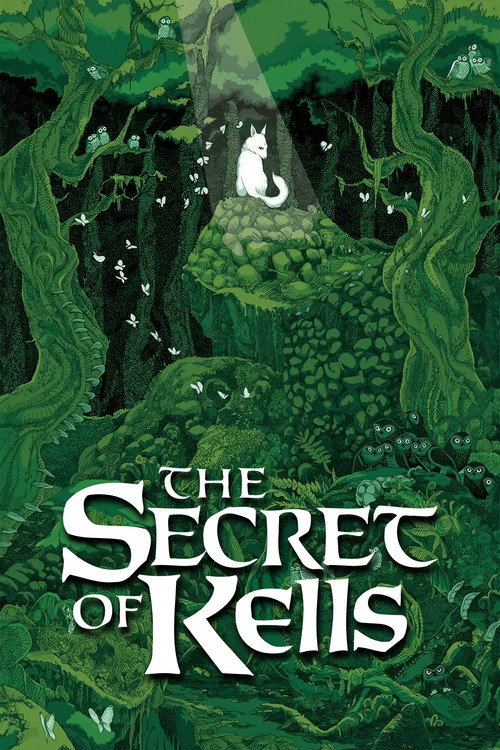
The Secret of Kells2009
A visually stunning Irish animated film about loss and discovery, with the same thoughtful approach to how trauma shapes people. It's formally inventive and emotionally precise in ways that remind you animation can be as sophisticated as live-action.
But The animation style is baroque and unconventional. If you prefer visual clarity and straightforward storytelling, it might feel precious.
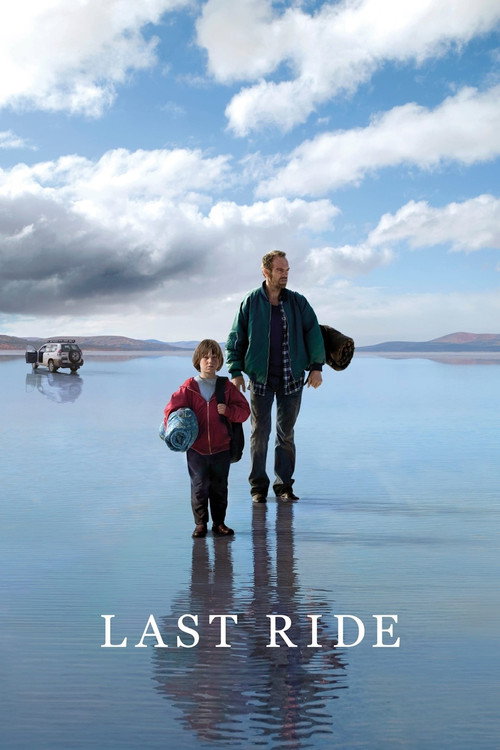
Last Ride2009
An Australian film about a father and son on the road, dealing with illness and mortality. It has the same understated emotional weight and regional specificity. Hugo Weaving gives one of his most vulnerable performances.
But Sparse dialogue and long stretches of quiet. Not much happens in conventional plot terms.
Not sure tonight? Get a pick in a minute, starting from Look Both Ways
The wildcard
Something you would not have found on your own.
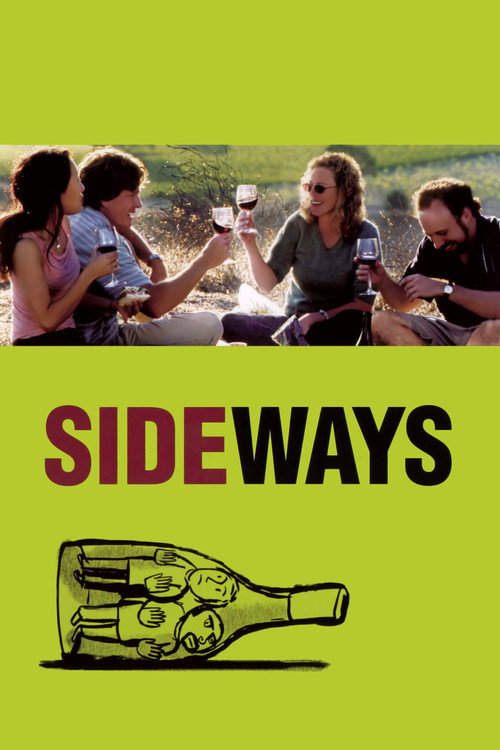
Sideways2004
Both films trust that watching people sit with their disappointment, without fixing it, is enough. Both believe small conversations between friends contain everything that matters.
A comedy-drama about middle-aged men failing at life, with the same warmth toward flawed characters and the same belief that small human moments matter. It has humor, but the humor comes from truth, not from trying to be funny.
But Considerably lighter in tone—this is a road movie that often plays for laughs. If you're seeking the weight of Look Both Ways, this might feel like escape rather than confrontation.
More like this (8)
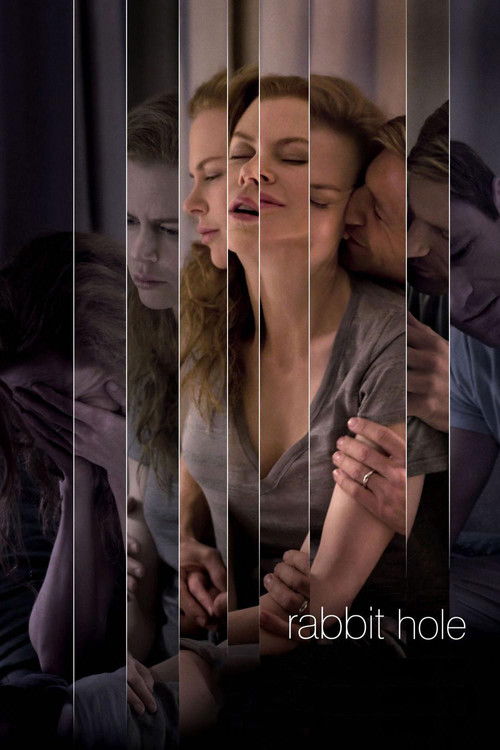
Rabbit Hole2010
Nicole Kidman and Aaron Eckhart as parents navigating grief after losing their son. It's a play translated to film, so the language is precise and the character work is uncompromising. Devastatingly intelligent about how couples cope differently.
But Relentlessly bleak. There's no tonal relief, and some moments feel airless. It's necessary but not enjoyable.
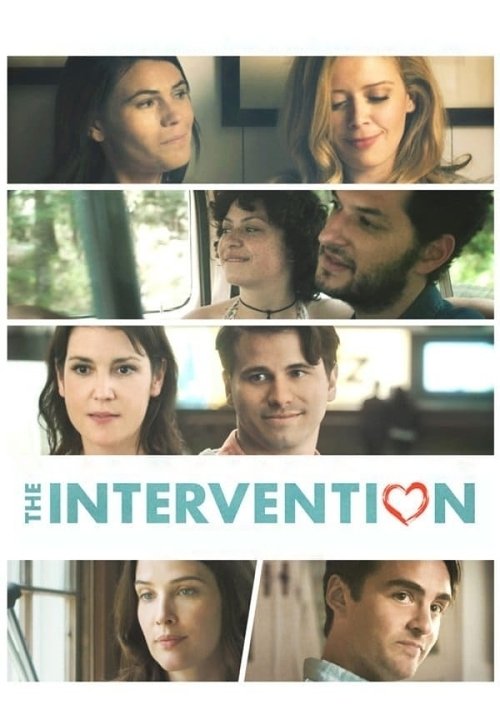
The Intervention2016
A ensemble indie about friends gathered for a weekend, where surface civility gradually cracks to reveal real pain and complexity. It has the same attentiveness to how people avoid saying what matters most.
But Dialogue-heavy and dependent on chemistry between performers. If the cast doesn't land for you, you'll find yourself checking the time.
A Ghost Story2017
A meditation on loss, time, and what we leave behind. It uses a simple premise—a ghost observing his living wife—to explore grief with lyrical complexity. Formally adventurous and emotionally devastating.
But Genuinely strange. There are long static shots and minimal dialogue. It requires patience and willingness to sit with discomfort.

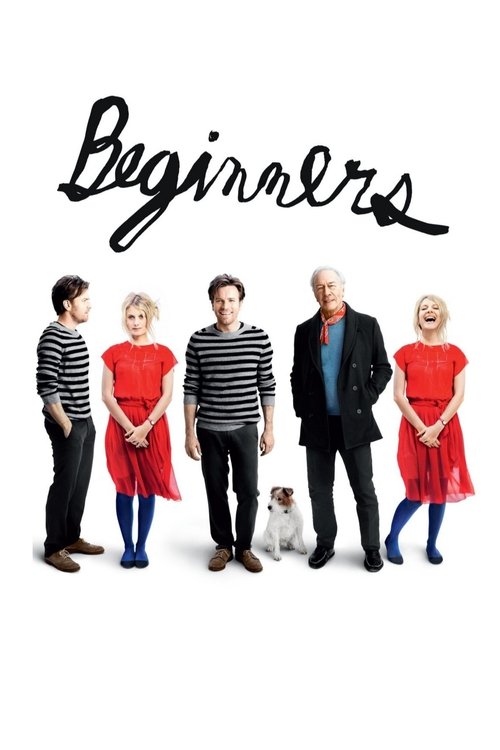
Beginners2011
Mike Mills' film about adult relationships, aging parents, and the stories we tell about our own lives. Like Look Both Ways, it finds warmth without sentimentality, and understands that illness and mortality reshape how we see the people we love.
But Playful stylistically in ways that some find whimsical or self-conscious. The tone shifts between wry and tender.
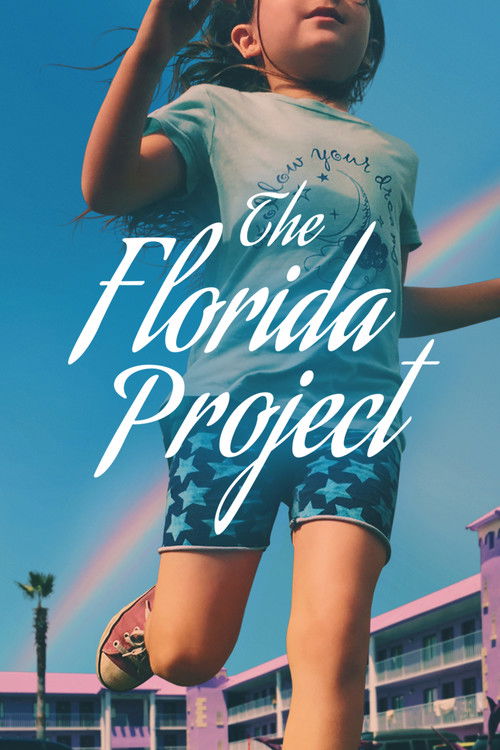
The Florida Project2017
Shot with documentary-like intimacy about people living on the margins of prosperity. It captures how humans create meaning and tenderness in constrained circumstances—families doing their best, often failing quietly.
But Depressing subject matter with no conventional resolution. It's also made with handheld immediacy that some find exhausting.
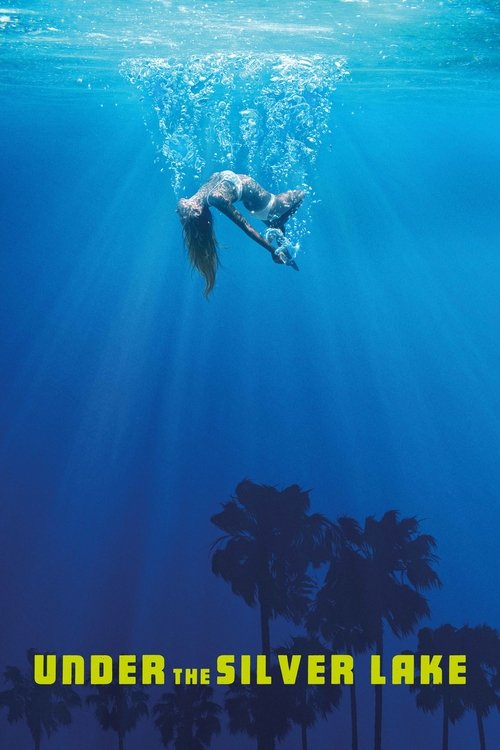
Under the Silver Lake2018
A Los Angeles mystery with genuine emotional depths beneath its surface playfulness. It's interested in loneliness, obsession, and how we construct meaning from chaos—themes that echo through Look Both Ways quietly.
But Messy and deliberately oblique. It resists resolution and clear narrative logic. Some see that as depth; others see pretension.
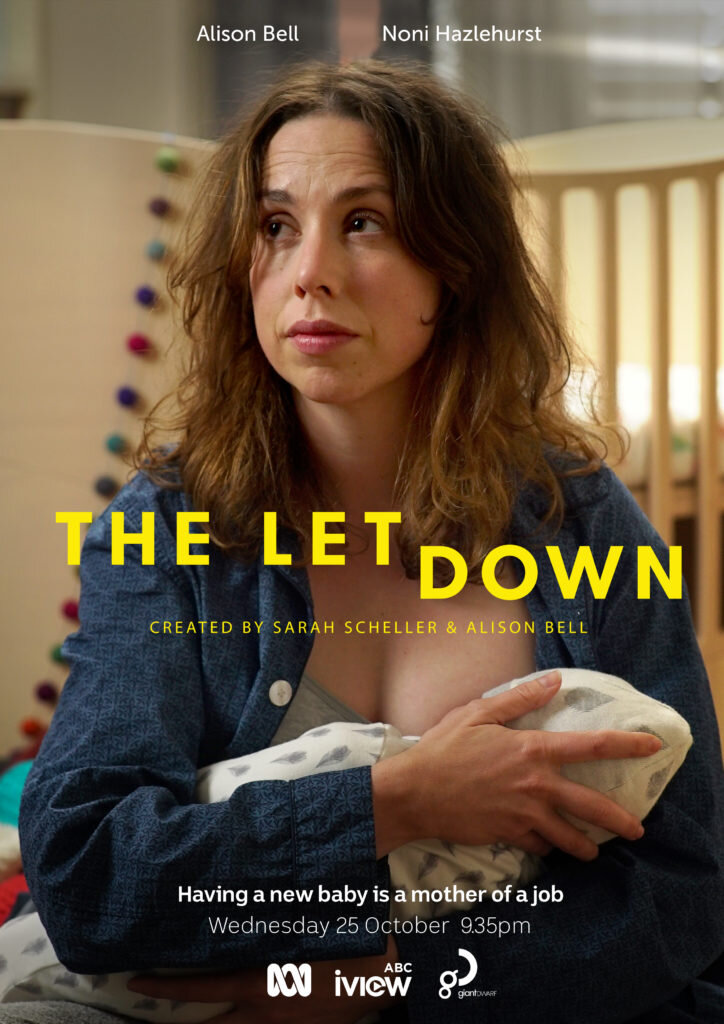
The Letdown2017
Same Australian sensibility, same willingness to let pain and laughter exist without choosing between them. Both honor how people function while falling apart.
An Australian comedy-drama series about two new mothers, their friendship, and how their lives have become unrecognizable. Each episode captures a small crisis with devastating honesty and dark comedy. It understands that comedy and tragedy live in the same room.
But Broadcast as a comedic series, but it has real despair underneath. If you want jokes, you'll find them; but they're all edged with something painful. Each episode is only half an hour.
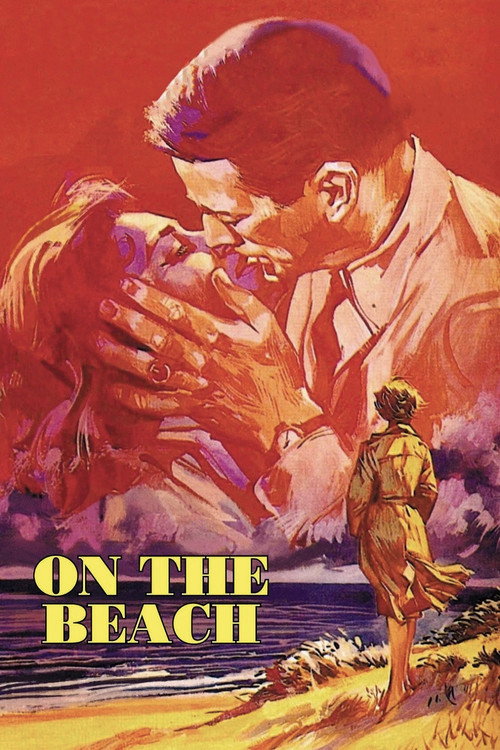
On the Beach1959
Both films refuse to look away from mortality. Both believe that knowing death is coming reshapes how we see the people we're with, and that reshaping is what the film is actually about.
A Stanley Kramer nuclear-age doomsday film where characters wait for radiation sickness, handling their mortality with strange grace. It's serious about death in a way modern cinema rarely permits—not exploitative, just patient and clear-eyed.
But 1959 filmmaking and pacing. It moves slowly and philosophically rather than dramatically. The idea that the world is ending might overwhelm any other interest.
People
Cast
 William McInnesNick
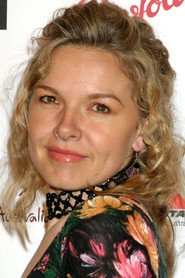 Justine ClarkeMeryl Lee
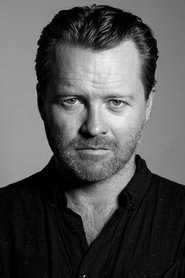 Anthony HayesAndy Walker
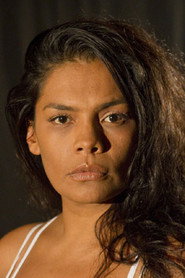 Lisa FlanaganAnna
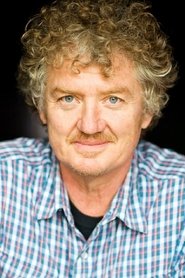
 Daniela FarinacciJulia
- Andreas SobikTrain Driver
 Maggie DenceJoan
 Sacha HorlerLinda
- Irena DangovTrain Driver's Wife
- Mary KostakidisSBS Newsreader
Directing
- Mojgan KhademContinuity
- Sarah WattDirector
- Chris OdgersFirst Assistant Director
- Clair ParkerSecond Assistant Director
- Laurie McInnesSecond Unit Director
- Brad LanyonThird Assistant Director
Writing
- Barbara MaselScript Editor
- Sarah WattWriter
Production
- Barbara MaselAssociate Producer
- Vicki SugarsAssociate Producer
- Angela HeesomCasting
- Andrew MyerExecutive Producer
- Sarah AbbeyLocation Manager
- Bridget IkinProducer
- Claire HallProduction Coordinator
- Leone CichonProduction Manager