
Film
King of New York
- Drug-trade crime
- Revenge action
- Relentless
Christopher Walken prowls 1990s New York as a kingpin with a conscience, dispensing brutal violence and drug money to the poor in equal measure. Abel Ferrara's film is a fever dream of neon and bloodshed, operatic and utterly stylish. It's for people who think crime dramas can be art, not just procedurals.
Should you watch it?
Watch it if you love crime films driven by a magnetic, unpredictable central performance and a restless, neon-lit sense of style, where charisma and menace matter more than a tidy plot.
Skip it if you want a measured, realistic crime story; this one leans into flashy stylization and brutal violence, and its tone can feel more pulpy than grounded.
What it asks of you: It runs about an hour and forty-three minutes and moves at a brisk clip, staying loud and dark for most of it, so it rewards full attention and a tolerance for abrupt shifts in mood.
Not sure? Find tonight's pick in a minute.
If you liked this
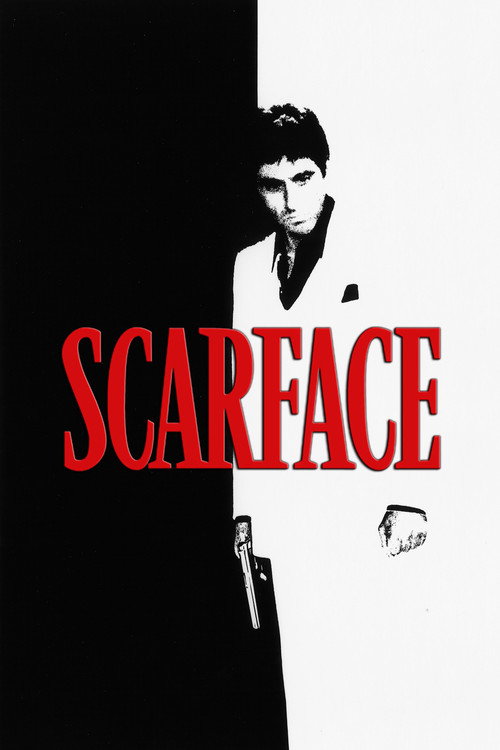
Scarface1983
Al Pacino's Tony Montana is the dark mirror to Walken's Frank White—pure ambition unmoored from any moral anchor. Watching both back-to-back shows you the spectrum of what a crime kingpin can be.
But It's longer, slower, and the excess can feel tedious in stretches. Also just relentlessly grim without Ferrara's stylistic cushion.
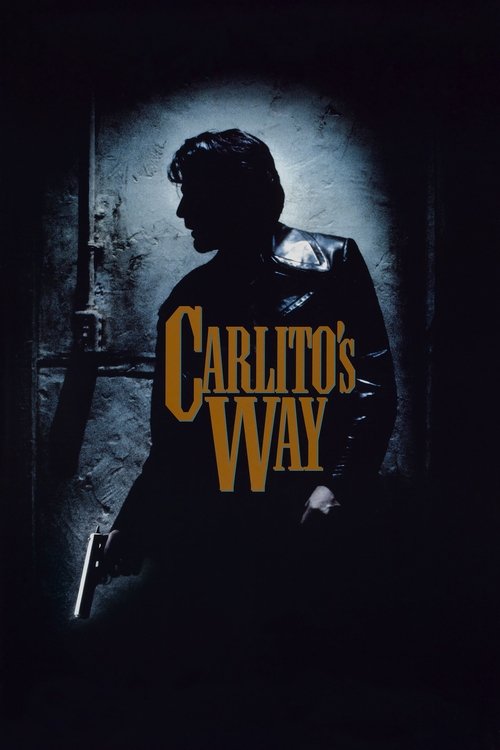
Carlito's Way1993
Same era, same streets, same genre, but De Palma's film finds more humanity in its protagonist. If you want that crime-redemption tension but with slightly more hope, this is the move.
But It's softer and more romantic. If you loved King of New York specifically for its hardness, this will feel compromised.
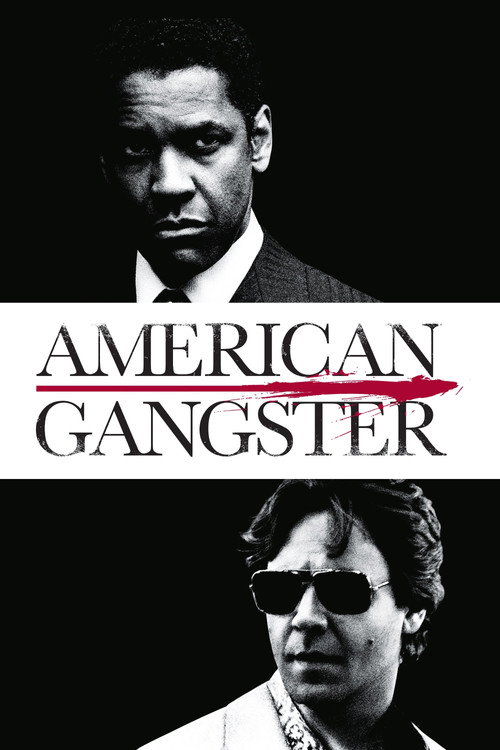
American Gangster2007
Denzel Washington's Frank Lucas is another drug lord trying to legitimize himself, another film about power and conscience colliding. Ridley Scott brings visual grandeur to the same moral muddle.
But It's nearly three hours and plays it safer than Ferrara would. The restraint works, but it's not as intoxicating.
Not sure tonight? Get a pick in a minute, starting from King of New York
The wildcard
Something you would not have found on your own.
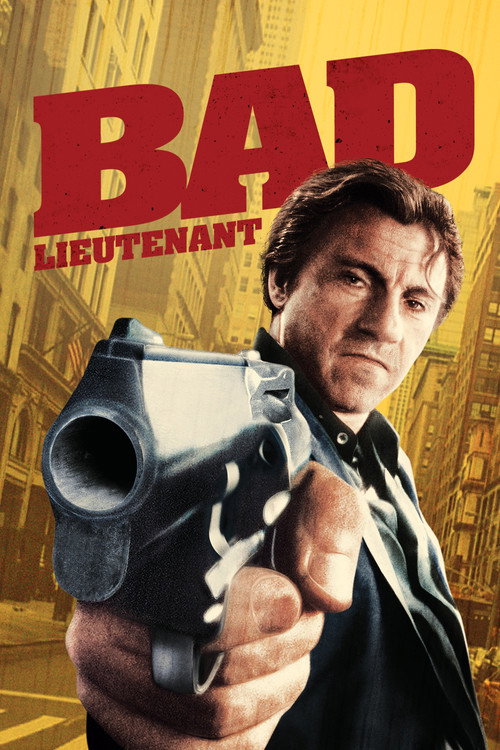
Bad Lieutenant1992
Both are Ferrara's exploration of power in New York; one man tries to use crime to do good, the other uses the law to do evil. They're dark mirrors of each other.
Abel Ferrara directed both—this is the inverse of King of New York's moral universe. Harvey Keitel's corrupt cop sinks into absolute degradation while Walken's kingpin tries to rise. Same director, same New York, opposite trajectories into hell and redemption.
But It's harder to watch, more uncomfortable, less stylish. Keitel's performance is raw and exposed in ways that feel punishing.
More like this (8)
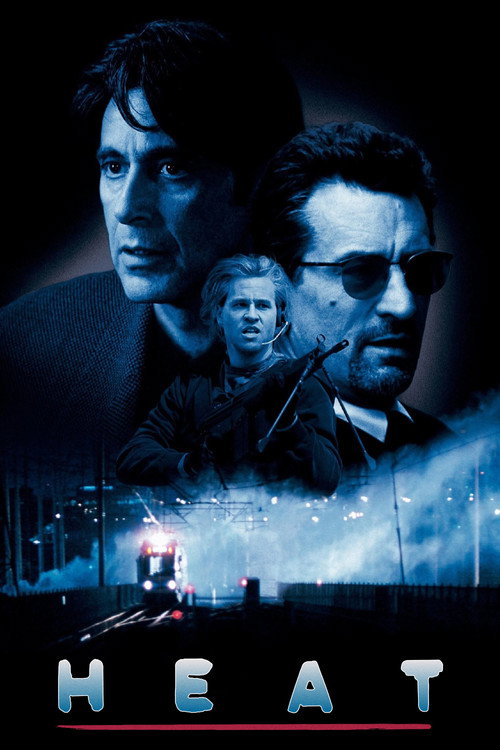
Heat1995
Michael Mann's epic cops-and-robbers symphony has that same operatic quality—long, formal, hypnotic. The philosophical confrontation between De Niro and Pacino echoes Ferrara's moral complexity.
But It's 170 minutes and moves at its own meditative pace. If you want propulsive violence and style, this is more controlled than King of New York.
A Prophet2009
Jacques Audiard's prison thriller has Ferrara's visual intensity and moral ambiguity. A young inmate rises to power, learning cruelty and survival in the same breath. Mesmerizing and brutal.
But It's a French film in French, nearly two and a half hours, and doesn't hand you easy answers about its protagonist's corruption.

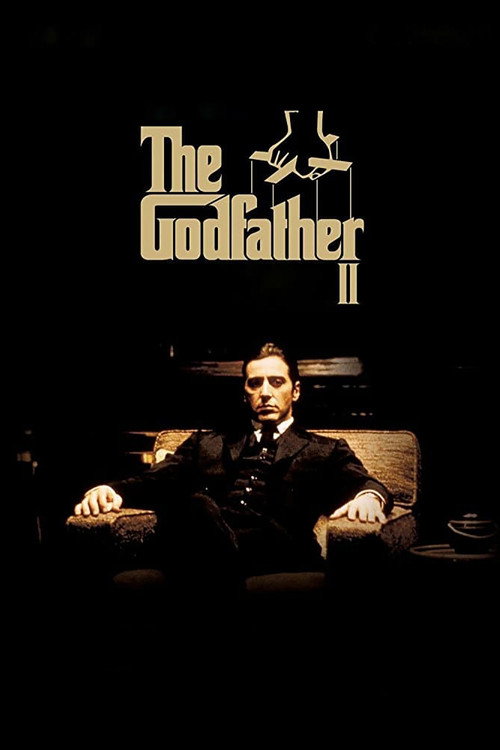
The Godfather Part II1974
Coppola's parallel structure—young Vito rising, Michael descending—maps directly onto Ferrara's interest in power's moral cost. The definitive statement on ambition and what it takes.
But It's a classic, which means some people approach it with reverence rather than pleasure. Also three and a half hours, which is a commitment.
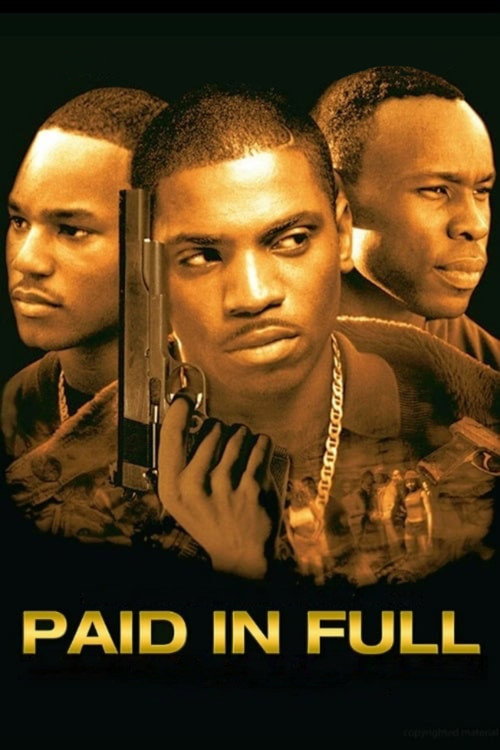
Paid in Full2002
A Harlem drug saga that understands the seduction of the game and the price of the game. Gritty, energetic, steeped in early '80s authenticity and moral compromise.
But It's more streetlevel than philosophical. The style is pure spectacle, less interested in Ferrara's existential questions.
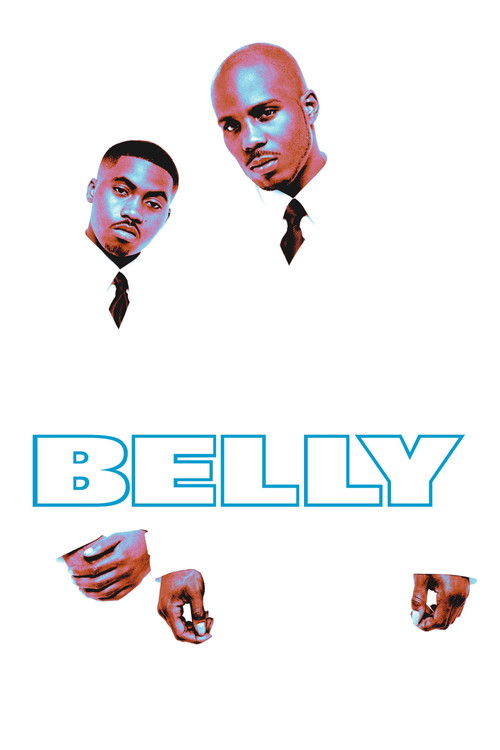
Belly1998
Hype Williams' fever-dream crime film is pure visual intoxication. If you loved Ferrara's style and color palette, this is what happens when a music video director is let loose with a crime narrative.
But The plot is thin and the performances are uneven. It's so committed to looking incredible that story takes a back seat.
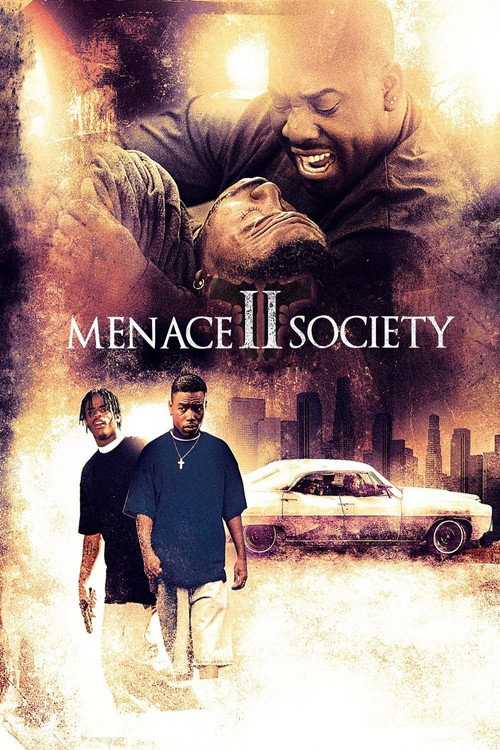
Menace II Society1993
The Hughes Brothers' Watts epic has that same stylistic confidence and moral clarity. A young dealer's rise and inevitable fall, but grounded in real community and consequence.
But It's more focused on social determinism than Ferrara's stranger moral philosophy. Some will find it more earnest and less artful.
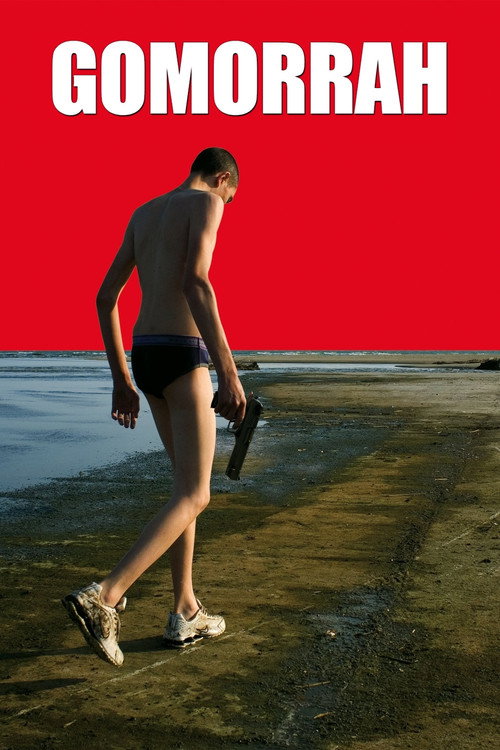
Gomorrah2008
Both view crime not as a genre plot but as a complete social system; both are more interested in texture and mood than traditional storytelling.
Matteo Garrone's Naples crime epic has Ferrara's visual sophistication applied to the Camorra. Multiple characters, interlocking stories, the same sense of organized crime as a total ecosystem—but European, grittier, more novelistic.
But It's Italian with subtitles, nearly 140 minutes, and doesn't center a single charismatic protagonist. The narrative is fragmented and demands attention.
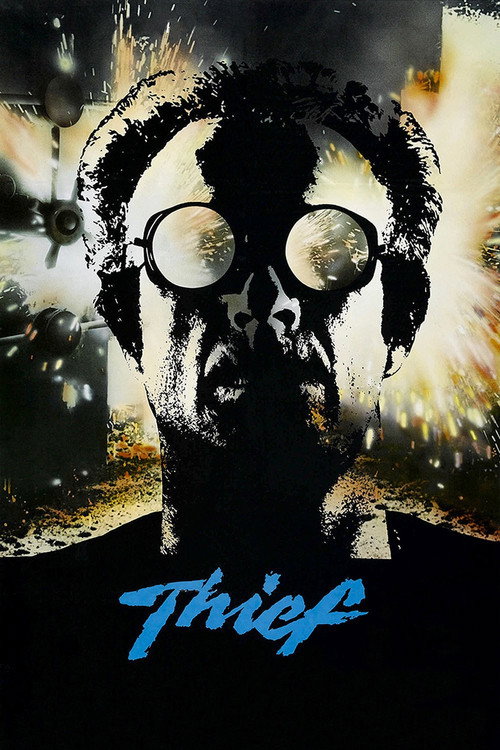
Thief1981
The direct visual and tonal lineage: both use color, geometry, and silence as storytelling tools; both are about men trying to escape their worlds and the logic that makes escape impossible.
Michael Mann's James Caan noir is the stylistic ancestor of King of New York—neon, geometric composition, a professional thief planning one last score with doomed inevitability. If you want to understand where Ferrara got his visual language, start here.
But It's cooler than it is emotional. The distance Mann maintains can feel cold, and the pacing is deliberate rather than urgent.
People
Cast
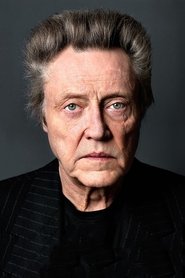 Christopher WalkenFrank White
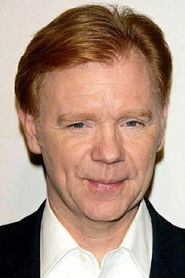 David CarusoDennis Gilley
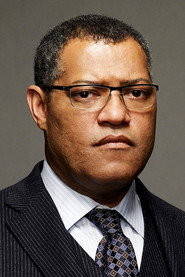 Laurence FishburneJimmy Jump
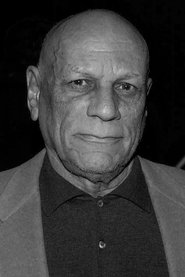 Victor ArgoRoy Bishop
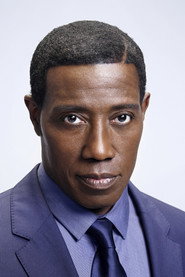 Wesley SnipesThomas Flanigan
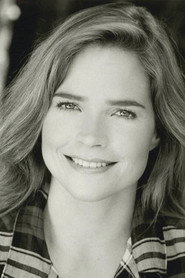 Janet JulianJennifer
 Joey ChinLarry Wong
 Giancarlo EspositoLance
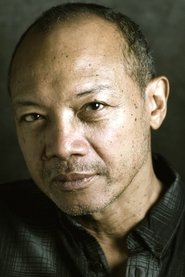 Paul CalderonJoey Dalesio
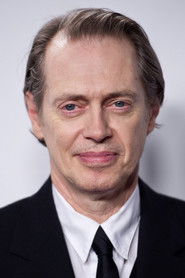 Steve BuscemiTest Tube
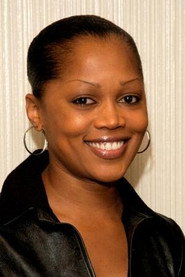 Theresa RandleRaye
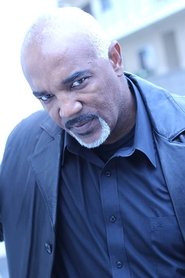 Leonard L. ThomasBlood
Directing
- Abel FerraraDirector
- David SardiFirst Assistant Director
- Drew Ann RosenbergSecond Assistant Director
- Phil NeilsonSecond Unit Director
Writing
- Nicholas St. JohnWriter
Production
- Randy SabusawaAssociate Producer
- Randy SabusawaCasting
- Jay JulienExecutive Producer
- Vittorio SquillanteExecutive Producer
- Augusto CaminitoProducer
- Mary KaneProducer
- Mary KaneProduction Manager