
Film
If Only
A grief-stricken man wakes to relive the day his girlfriend died in a car accident, armed with a second chance to prevent the tragedy. It's a tender, melancholic fantasy that treats its premise seriously—no winking, no spectacular time-loop comedy. For anyone who's ever replayed an argument and wished for a do-over, it cuts close.
If you liked this
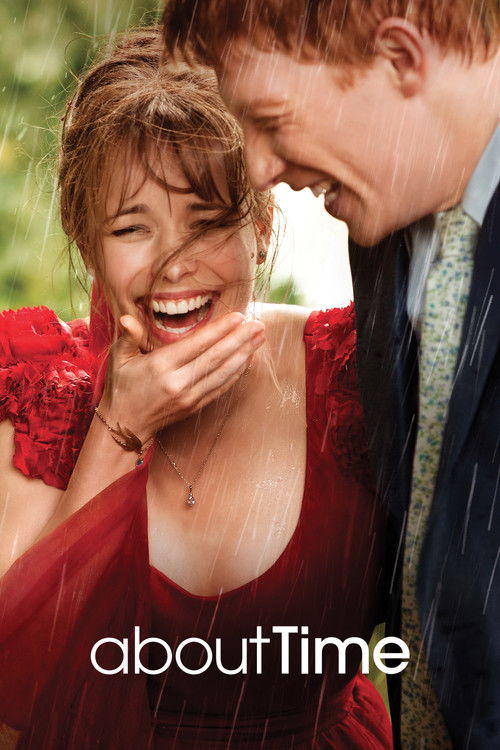
About Time2013
A film about time travel that's actually about love, family, and mortality. It uses its magical element to explore what we'd change if we could, and what we shouldn't. Genuinely moving without ever feeling manipulative.
But Some find it overly sentimental, and the third act shifts tone in ways that won't work for everyone. Also quite long for what it is.
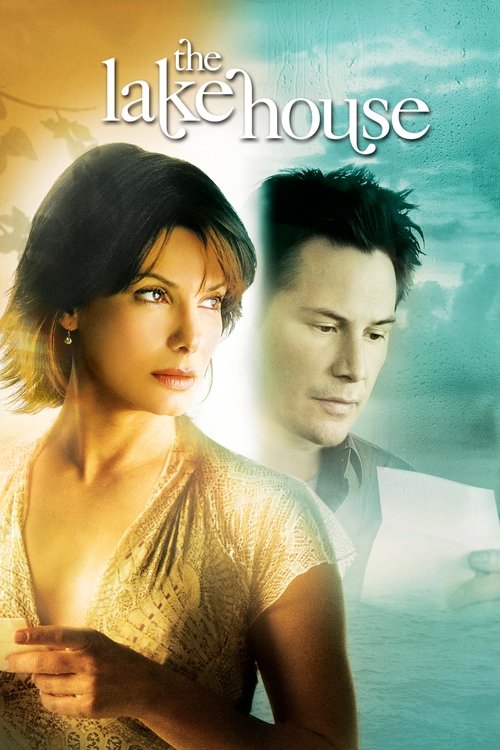
The Lake House2006
Another romance built on a fantastical premise—two lovers separated by time, communicating through a magical mailbox. It's earnest, melancholic, and deeply committed to the idea that some connections transcend logic.
But The logic of the setup collapses if you think about it for five seconds. Some will find that fatal; others won't care because the mood is so right.
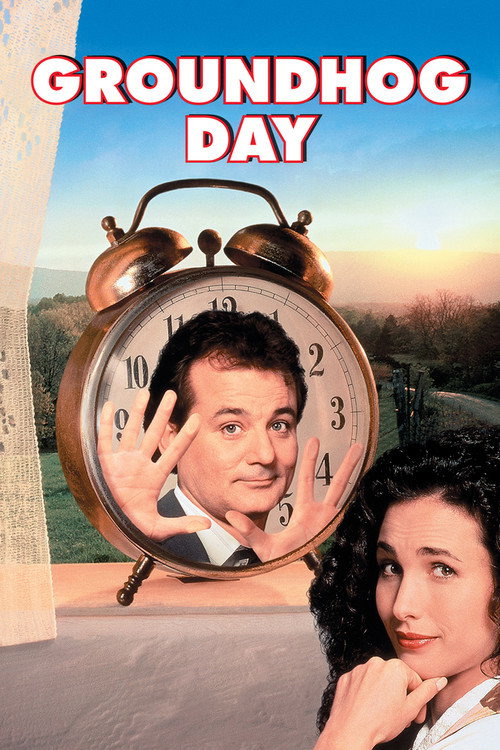
Groundhog Day1993
The gold standard of 'relive the day' stories. Bill Murray is trapped in a loop, bored and cynical at first, then gradually transformed by the chance to be better. It's funny but also genuinely philosophical about change and grace.
But It's been quoted to death. If you've absorbed it through cultural osmosis, there's less surprise. Also very different in tone—much lighter than *If Only*.
Not sure tonight? Get a pick in a minute, starting from If Only
The wildcard
Something you would not have found on your own.
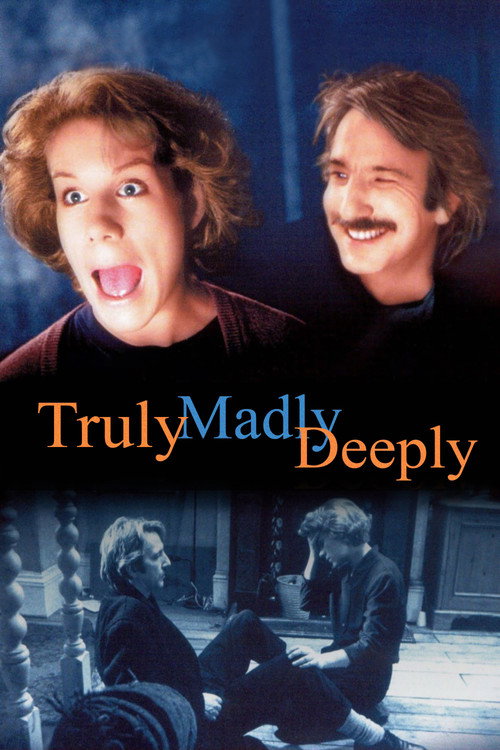
Truly Madly Deeply1991
Both center on a second chance with a dead lover, but *Truly Madly Deeply* reverses the fantasy: instead of a do-over, you get your person back and discover that wanting them back and wanting them to stay are different things. It's the shadow version of *If Only*'s wish.
A widow is visited by the ghost of her dead lover, and he's not quite what she expected—charming but also ordinary, needy, frustrating. It's about grief, yes, but also about learning to let go of someone and actually move forward.
But It's a British film from 1990 with a small budget and a contemplative pace. Nothing flashy happens. Some will find it dated or slow. And the supernatural element is quiet—not magical, just gently surreal.
More like this (8)
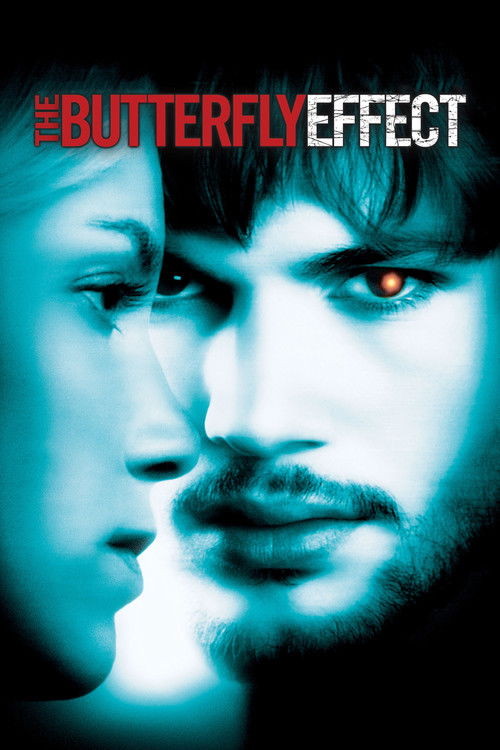
The Butterfly Effect2004
Another 2004 film about a man rewinding moments to save someone he loves, but darker and messier. It takes the consequences of changing the past seriously, with real weight and dread.
But It gets genuinely bleak and graphic in places. Some of the acting is overwrought. Also fundamentally skeptical that changing things helps—the opposite message from *If Only*.
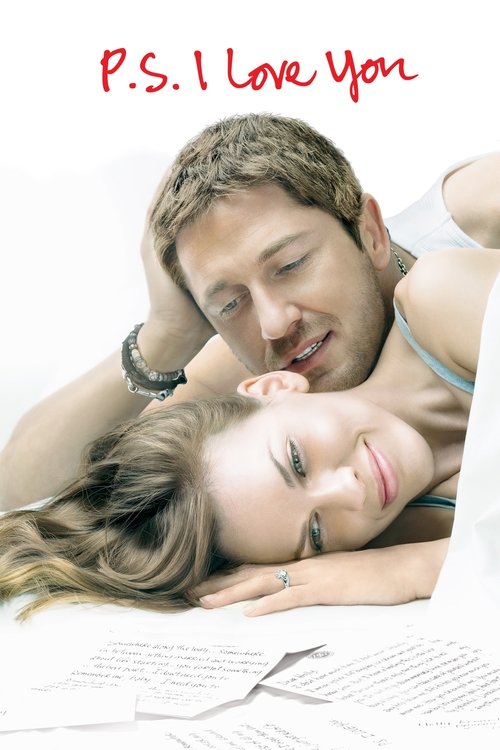
P.S. I Love You2007
A woman processes grief through letters left behind by her dead husband. It's sentimental, yes, but it's also honest about how love doesn't disappear when someone dies—it just changes shape.
But Tissues required. It makes no pretense of being anything but a good cry. If you're not in the mood for that, this will feel cloying.
Before Sunrise1995
Two strangers meet on a train and spend one night walking through Vienna, talking about love, fate, and whether they'll ever see each other again. It's a romance that understands connection as something precious partly because it's temporary and uncertain.
But Almost nothing happens. It's ninety minutes of dialogue. If you need plot momentum or action, you'll be frustrated.

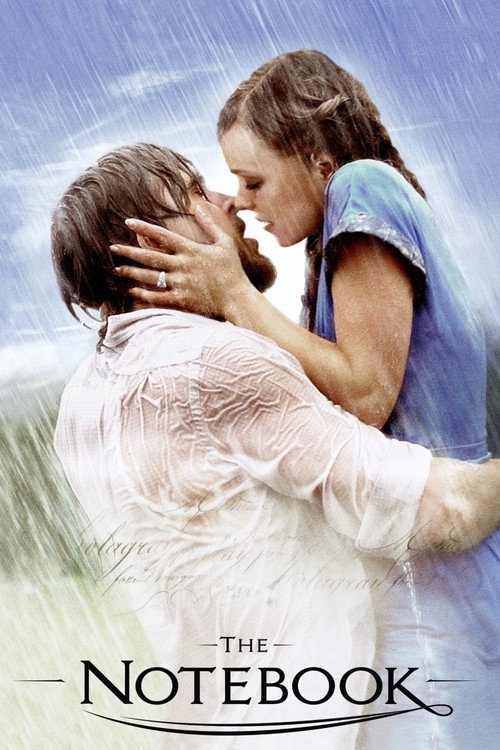
The Notebook2004
An elderly man reads the story of his lost love to his wife in a nursing home. It's shameless tear-jerking about the persistence of love across time and memory. Incredibly effective if you surrender to it.
But Manipulative as hell. Some will find it mawkish. The script can feel creaky. But it works because it commits completely to what it's trying to make you feel.
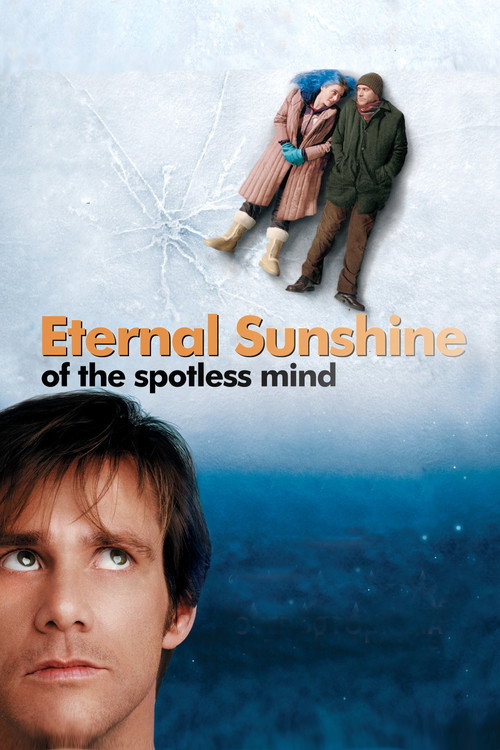
Eternal Sunshine of the Spotless Mind2004
A man discovers the woman he loves has erased him from her memory, so he tries to do the same. A brilliant, fractured meditation on whether it's better to have loved and lost, or never to have loved at all.
But It's structurally disorienting—deliberately. The non-linear storytelling will frustrate anyone wanting straightforward narrative. Also quite sad.
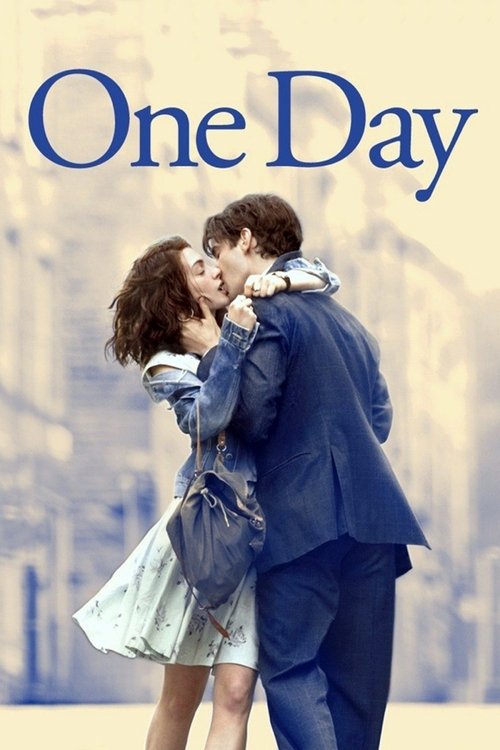
One Day2011
Two friends check in with each other on the same day each year for twenty years. It's a quieter, more restrained look at how love and loss evolve over time, and what it means to miss someone while they're still here.
But The famous event at the midpoint will feel either devastating or like a cheap shot depending on your mood. The pacing is deliberately slow.
Mulholland Drive2001
Both use a fantastical frame (rewind vs. narrative collapse) to explore what happens when reality doesn't match desire. Both are about watching someone trapped in a moment they can't escape, even when given a second chance. But where *If Only* offers hope, *Mulholland Drive* suggests hope might be the cruelest fantasy.
A woman in Los Angeles fragments and reforms across a narrative that refuses to stay linear or coherent. It's about desire, disappointment, and the stories we tell ourselves to survive. Stunning and disorienting and achingly sad.
But It's a David Lynch film. If you haven't seen his work, it will feel impossible and pretentious. The narrative doesn't resolve—you have to sit with ambiguity and let go of answers. Also quite long and demanding.

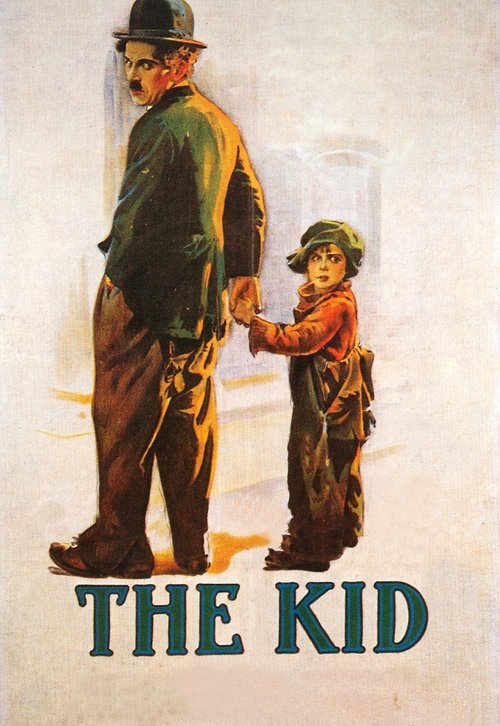
The Kid1921
Both use magical/fantastical sequences to examine grief and second chances, but *The Kid* does it in a completely different register—vaudeville rather than romance, comedy rather than drama. It's proof that the longing for a do-over is timeless, and that cinema has always been the medium for it.
Chaplin plays a tramp raising a boy he's found, and it's both devastatingly tender and funny. A dream sequence near the end—where he visits heaven—still holds the same bittersweet magic as *If Only*: grief, loss, and the thin line between worlds.
But It's a silent film from 1921. If you're not accustomed to silent cinema, the pace and acting style will feel alien. Also quite sad for what appears to be a comedy, which catches some people off guard.
People
Cast
 Jennifer Love HewittSamantha Andrews
 Paul NichollsIan Wyndham
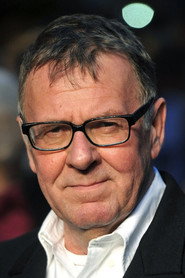 Tom WilkinsonTaxi Driver
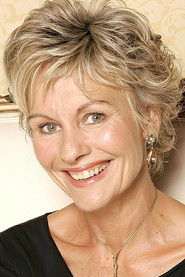 Diana HardcastleClaire
 Lucy DavenportLottie
 Roy SampsonDunbar
 Kevin MooreHotel Employee
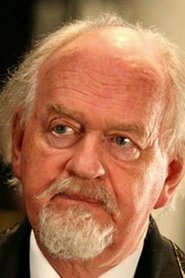 Neville PhillipsConcert MC
- Ben RidgewayTeenage Boy
 Teo-Wa VuongEnriko
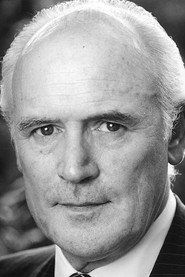 Terence HarveyTrahern
- Al WildeOliver
Directing
- Andrew McEwanCrowd Assistant Director
- Gil JungerDirector
- Deborah SabanFirst Assistant Director
- Sue FieldScript Supervisor
- Olivia LloydSecond Assistant Director
- Henry ForsythThird Assistant Director
- Rhys SummerhayesThird Assistant Director
Writing
- Gil JungerLyricist
- Jennifer Love HewittLyricist
- Christina WelshScreenplay
Production
- Penelope ForresterAssistant Accountant
- Lee RobertsonAssistant Location Manager
- Martin JoyAssistant Location Manager
- Victoria MorganAssistant Production Coordinator
- Faith AllbesonCasting
- Orla MaxwellCasting
- Priscilla JohnCasting
- Josh EinsohnCasting Assistant
- Victoria BurrowsCasting Director
- Jeffrey GraupCo-Executive Producer
- Laurie BorgCo-Producer
- Scott StraussCo-Producer
- Basil IwanykExecutive Producer
- Gub NealExecutive Producer
- Moritz BormanExecutive Producer
- Simon MarsdenLocation Manager
- John SargentPost Production Accountant
- Gil JungerProducer
- Jeffrey SilverProducer
- Jennifer Love HewittProducer
- Jill GilbertProducer
- Robert NewmyerProducer
- Adam GreenProducer's Assistant
- Maggie MoranProducer's Assistant
- Michael GlassmanProducer's Assistant
- Sarah JohnsonProducer's Assistant
- John BeharrellProduction Accountant
- Andrew MannionProduction Assistant
- Harry PonsonbyProduction Assistant
- Juliet MorrisProduction Assistant
- Justin SpringerProduction Assistant
- Mel ClausProduction Coordinator
- Lee IsgarProduction Driver
- Steve GaubProduction Supervisor
- Matthew SandersPublicist
- Rachel NealeUnit Production Manager