
Film
Hoodlum
A stylish 1997 crime film following Bumpy Johnson's rise in Harlem's numbers racket during the 1930s. It's energetic, handsomely mounted, and centered on Laurence Fishburne's charismatic performance as a man caught between loyalty and survival. Drawn toward anyone who loves period gangster stories with Black protagonists at the center.
If you liked this
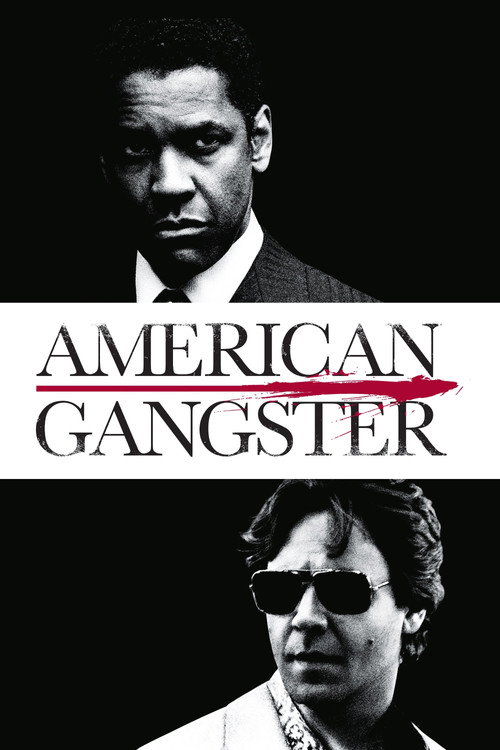
American Gangster2007
Denzel Washington commands a similar story of Harlem drug kingpin Frank Lucas with the same visual sweep and moral complexity. Both films use the 1970s and 1930s respectively to explore power, corruption, and the cost of ambition.
But Nearly three hours long and more methodical than *Hoodlum*, with a slower burn that asks more patience from the viewer.
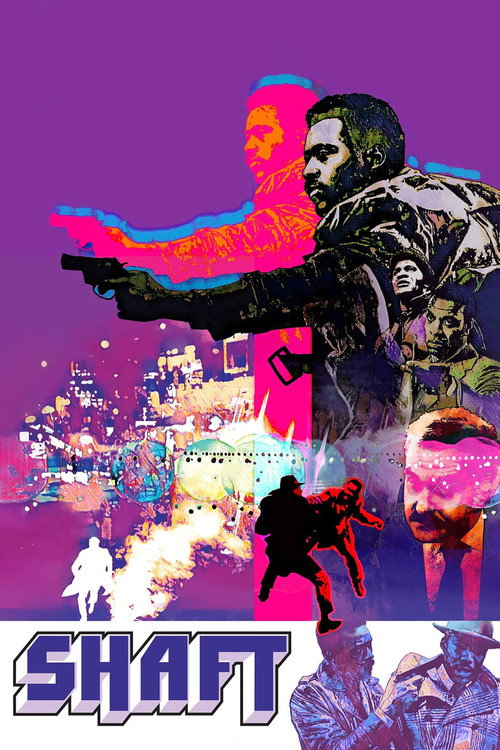
Shaft1971
The original blaxploitation classic with Isaac Hayes's iconic theme. Richard Roundtree's private detective navigates a Harlem underworld with style, swagger, and genuine danger—the spiritual ancestor of *Hoodlum*'s aesthetic.
But The plot is thin by design, and some of the film's racial and gender politics feel dated by contemporary standards.
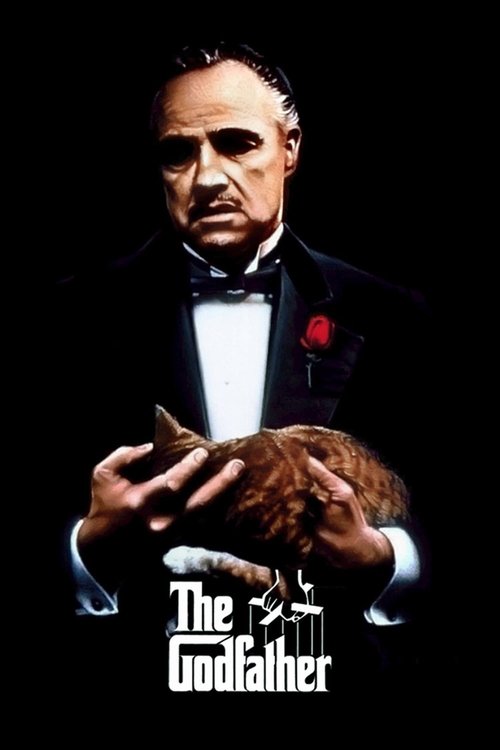
The Godfather1972
The template for every organized crime film made since, including *Hoodlum*. Coppola's operatic approach to power, family, and the machinery of corruption is unmatched. Incomparable filmmaking.
But Over three and a half hours; the pacing is deliberate and meditative rather than propulsive, which can feel slow if you're expecting action.
Not sure tonight? Get a pick in a minute, starting from Hoodlum
The wildcard
Something you would not have found on your own.
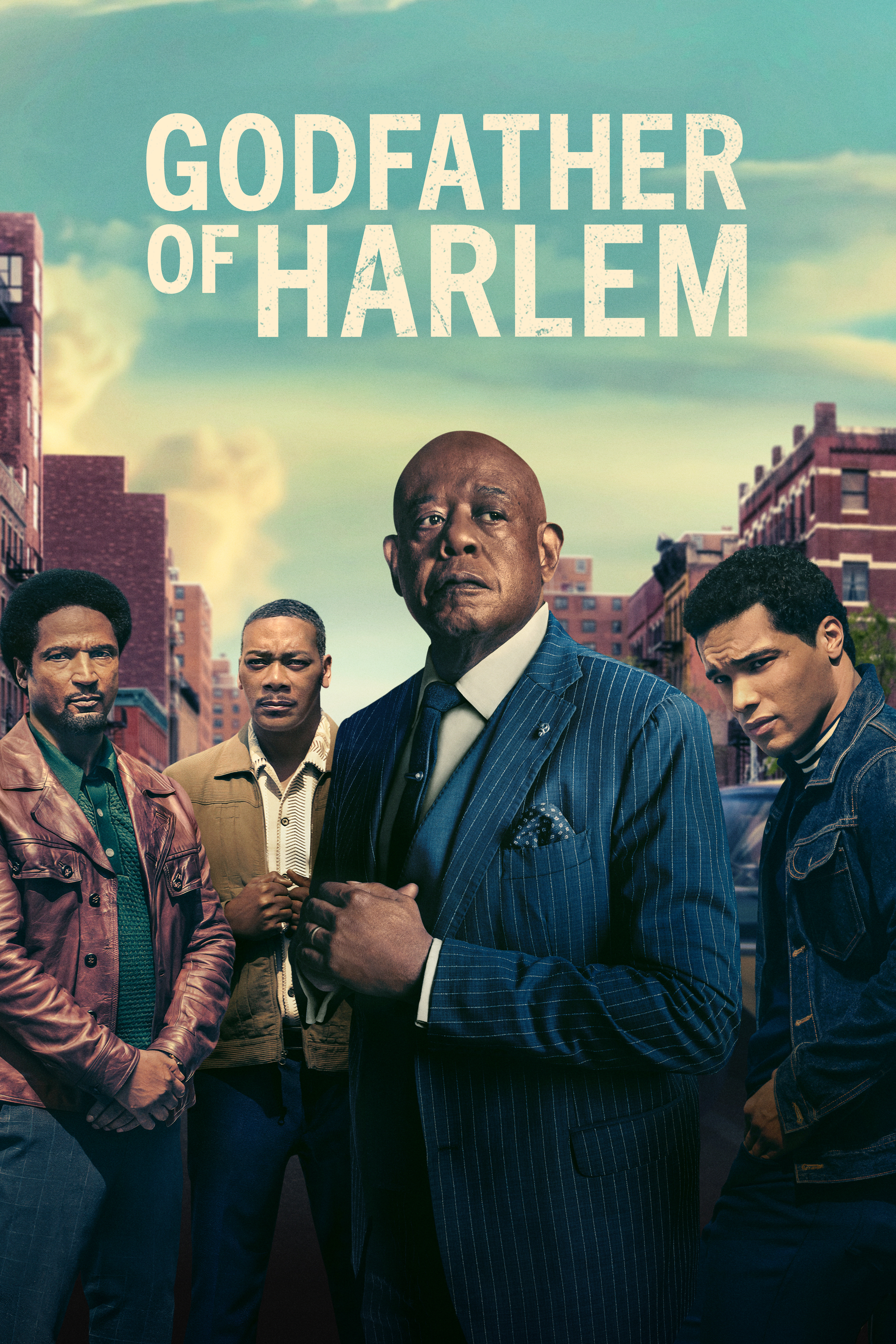
Godfather of Harlem2019
Same protagonist, decades later. Where *Hoodlum* captures his ascent, *Godfather of Harlem* explores the weight of keeping power, and what it costs.
This TV series follows the real Bumpy Johnson in the 1960s, with Forest Whitaker delivering a career-best performance. It deepens the world *Hoodlum* sketches, showing the man Johnson became and the moral compromises required to survive.
But Sixteen episodes demand a significant commitment; the first season meanders before finding its rhythm, and it's available through a streaming service, not theatrical release.
More like this (8)
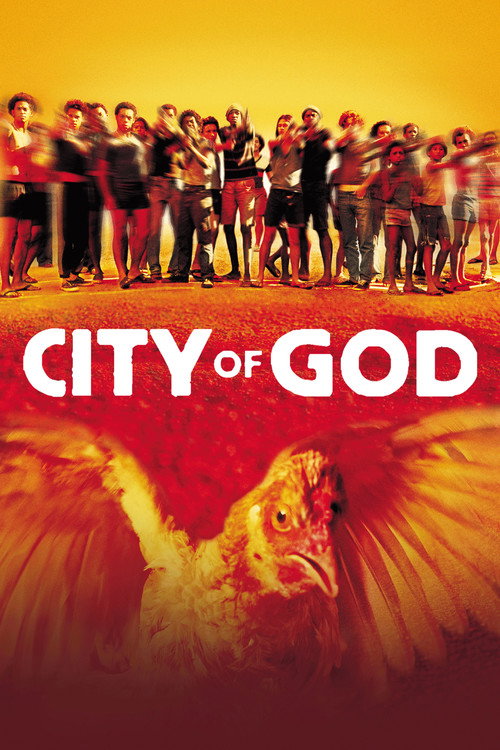
City of God2002
Brazilian favela gangs in the 1970s told with kinetic energy and moral urgency. Like *Hoodlum*, it chronicles how poverty and systemic exclusion birth criminal enterprise, but with a rawer visual language and a larger scope.
But Subtitled and deliberately chaotic in its editing; the film doesn't let you settle into comfort, which is partly the point.
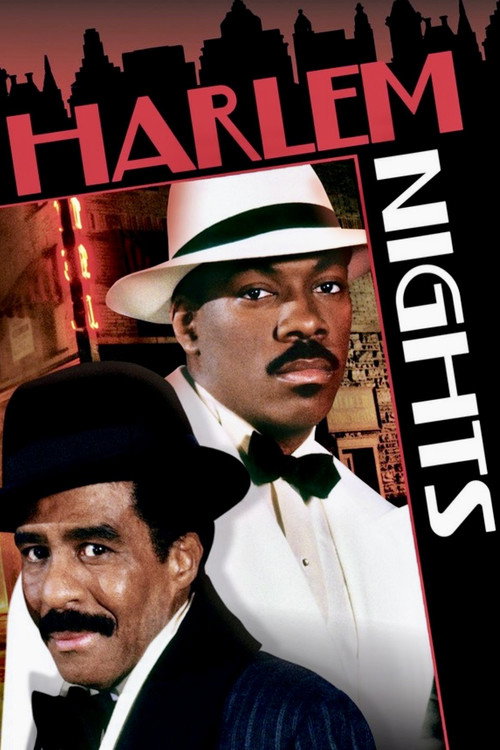
Harlem Nights1989
Eddie Murphy directs and stars in this love letter to Black Harlem nightlife during the 1930s. It shares *Hoodlum*'s period charm and focus on Black entrepreneurs operating outside white power structures, though with more humor.
But Unevenly paced, and Murphy's comedic instincts sometimes undercut the dramatic stakes of the story.
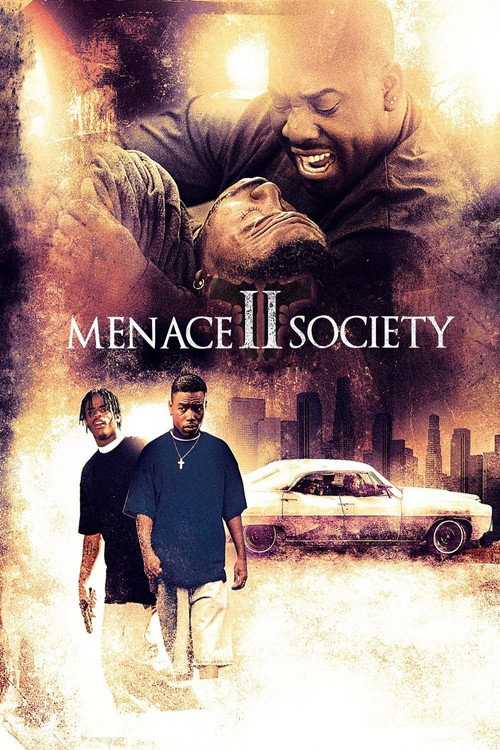
Menace II Society1993
The Hughes Brothers' brutal chronicle of South Central gang life in the 1990s. Shares *Hoodlum*'s unflinching look at how systems create criminals and how charisma masks desperation.
But Bleak and violent; the film offers little redemption and can feel relentless in its nihilism.
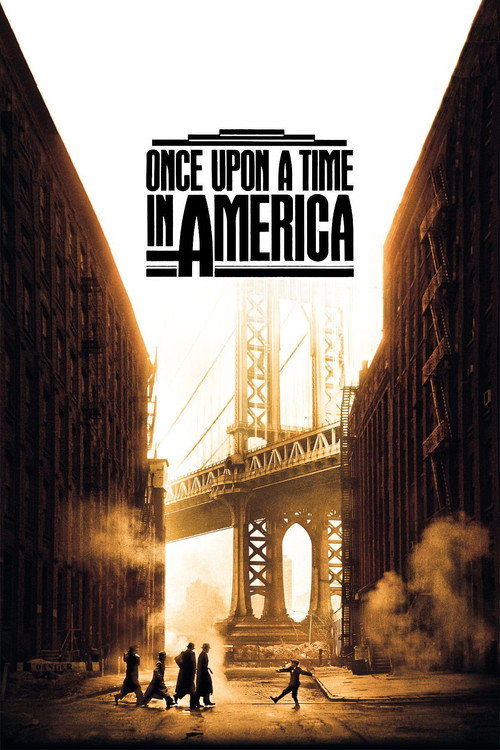
Once Upon a Time in America1984
Sergio Leone's epic meditation on organized crime and friendship across decades. Fishburne himself seems inspired by the operatic, nostalgic tone—beautiful and mournful where *Hoodlum* is energetic.
But Deliberately slow, fractured chronologically, and demands active viewing. Some find its length and pacing self-indulgent.
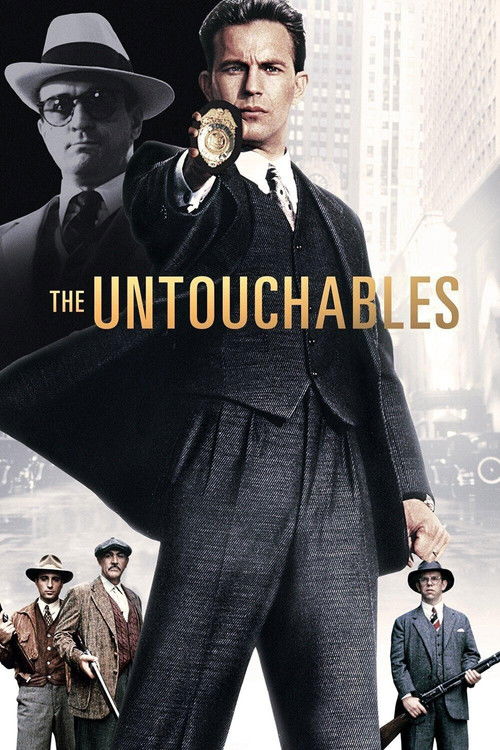
The Untouchables1987
Prohibition-era Chicago, Kevin Costner and Sean Connery versus Al Capone. Slick, stylish, and focused on the cat-and-mouse between law enforcement and organized crime—similar aesthetic energy to *Hoodlum*.
But Simplistic morality compared to *Hoodlum*; the good guys are very good and the bad guys very bad, which flattens the moral complexity.
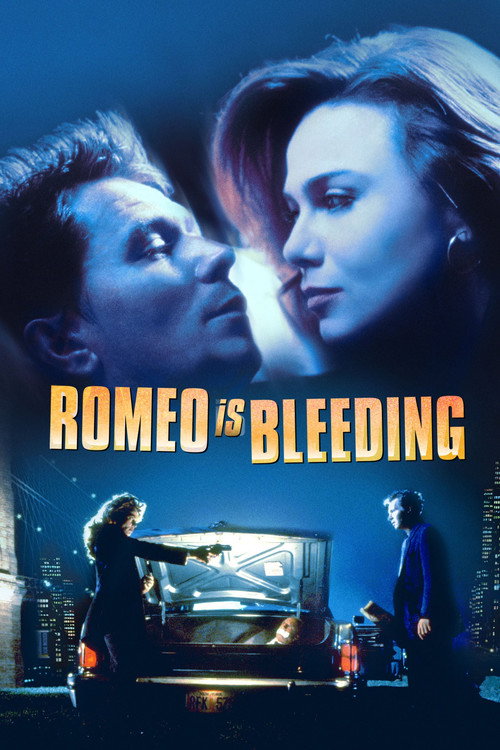
Romeo Is Bleeding1993
Gary Oldman in a grimy, stylish crime noir about a cop in over his head. The 1990s cynicism and neon-soaked visuals echo *Hoodlum*'s period-crime aesthetic, though from a different angle.
But Violent and disturbing; the film can feel gratuitous, and Oldman's character is deeply unsympathetic throughout.
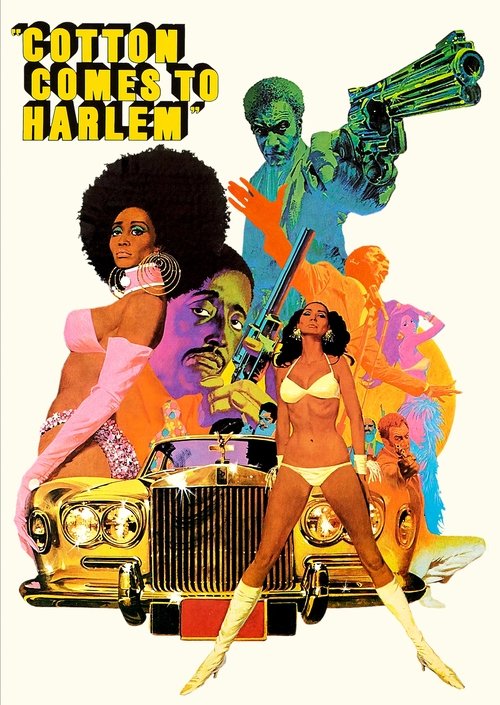
Cotton Comes to Harlem1970
Both films center Harlem as a protagonist rather than a problem to solve. The geography and community matter as much as the plot.
Ossie Davis directs and stars in this jazzy crime caper set in Harlem during the civil rights era. It's lighter and funnier than *Hoodlum* but shares the same love for Black Harlem as a living, thriving place—not a backdrop but a character.
But Campy and deliberately theatrical; if you want grit and realism, this prioritizes charm and humor over authenticity.
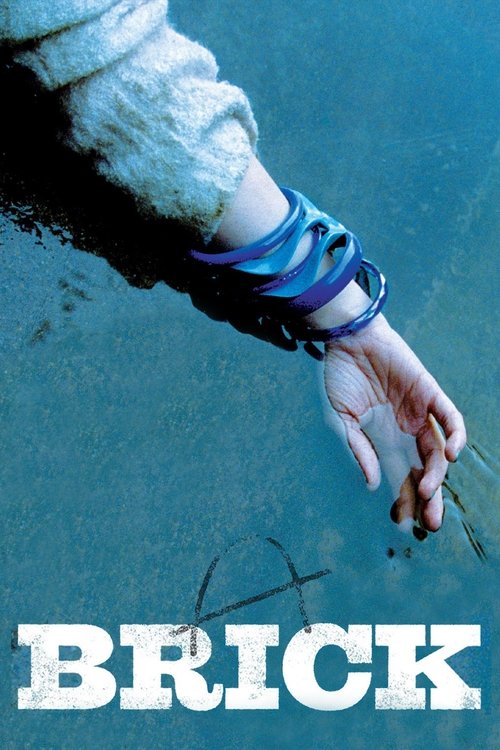
Brick2006
Both films use genre convention as a skeleton. The real story is how power works within closed systems, regardless of whether it's 1930s Harlem or a high school parking lot.
Rian Johnson adapts film noir language to high school in California. Like *Hoodlum*, it takes a genre template (gangster intrigue, power structures, loyalty codes) and applies it to a world outside the expected context, proving the structure transcends era or setting.
But Deliberate artificiality; the dialogue is stylized noir-speak in a contemporary setting, which reads as precious or alienating if you're not bought into the conceit.
People
Cast
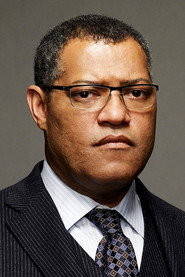 Laurence FishburneBumpy Johnson
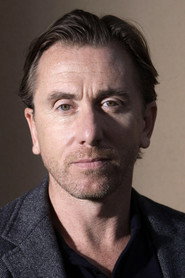 Tim RothDutch Schultz
 Vanessa WilliamsFrancine Hughes
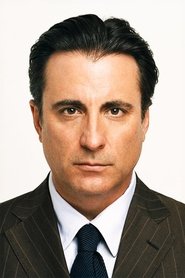 Andy GarciaLucky Luciano
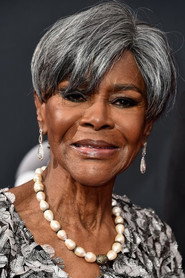 Cicely TysonStephanie St. Clair
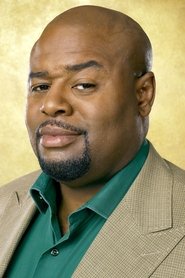 Chi McBrideIllinois Gordon
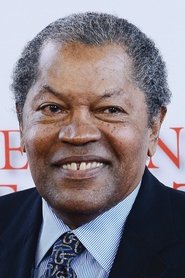 Clarence Williams IIIBub Hewlett
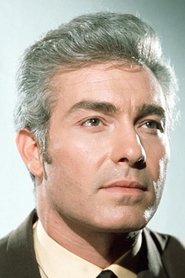 Richard BradfordCaptain Foley
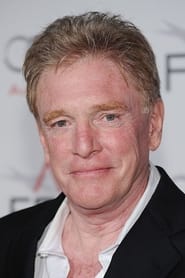 William AthertonThomas E. Dewey
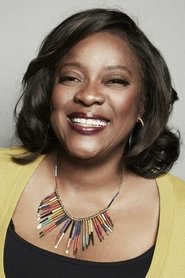 Loretta DevinePigfoot Mary
 Queen LatifahSulie
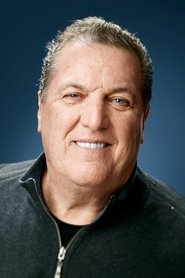 Mike StarrAlbert Salke
Directing
- Bill DukeDirector
- Tyrone L. MasonFirst Assistant Director
- Renate SchneuerScript Supervisor
- Anthony MasonSecond Assistant Director
- Aiman Ahmad HumaidehSecond Second Assistant Director
- Otis SallidSecond Unit Director
Writing
- Chris BrancatoScreenplay
Production
- Lysa MoserAccountant
- Melissa A. ClarkAssociate Producer
- Ron Stacker ThompsonAssociate Producer
- Amanda MackeyCasting
- Cathy Sandrich GelfondCasting
- Chris BrancatoCo-Producer
- Paul EcksteinCo-Producer
- Bill DukeExecutive Producer
- Helen SuglandExecutive Producer
- Laurence FishburneExecutive Producer
- Vikki WilliamsLine Producer
- Demetra DiamantopoulosLocation Manager
- Frank Mancuso Jr.Producer
- Ray ConchadoProduction Assistant
- Deb K. OyerProduction Coordinator
- Charles C. BennettProduction Designer
- Frank BodoUnit Production Manager