
Film
Girlfriend in a Coma
A scathing look at Italy's political and moral collapse over two decades, told through animation, interviews, and archival footage. The film treats the country's decline as a cautionary tale for the entire Western world. It's urgent, angry, and technically inventive—part essay, part alarm bell. For anyone who wants to understand how democracies corrode from within.
Should you watch it?
Watch it if you want a political documentary that argues its case with animation, sharp interviews and hard numbers, and you enjoy a film that makes you angry and thinking at the same time.
Skip it if you want a neutral, evenly balanced account of Italian politics, since this is openly polemical and its stance is the whole point rather than a side note.
What it asks of you: Under ninety-nine minutes, it moves briskly between drawn sequences, talking heads and statistics, so it rewards steady attention more than passive viewing.
Not sure? Find tonight's pick in a minute.
If you liked this
All the President's Men1976
The template for political investigation cinema: methodical, gripping, and built on the premise that institutional rot can be exposed through dogged reporting and clear-eyed storytelling. A masterclass in how to make accountability compelling.
But It's deliberate and measured rather than polemical. If you want fury, not procedure, this will feel slow.

The Two Popes2019
A meditation on institutional failure and moral compromise within the highest reaches of power. Focuses on the personal cost of idealism confronted with systemic corruption and the weight of trying to reform from inside.
But It's dialogue-heavy and contemplative. There's no plot in the conventional sense, just two men talking about complicity and faith.
13 Tzameti2006
A found-footage-style thriller that uses its format to interrogate how ordinary people are drawn into systems of corruption and exploitation. The visual style mirrors the claustrophobia of moral compromise.
But It's punishing to watch—bleak, violent, and deliberately opaque. The ambiguity will frustrate some viewers.
Not sure tonight? Get a pick in a minute, starting from Girlfriend in a Coma
The wildcard
Something you would not have found on your own.
City of God2002
Both argue that moral and social collapse is visible through how a society treats its most vulnerable. Both use inventive form to make systemic arguments visceral rather than abstract.
A Brazilian film about organized crime and systemic poverty told through rapid-fire editing, voiceover, and stylistic innovation. It treats structural violence as a character and uses form to convey how systems grind individual lives into nothing.
But The aesthetic distance—all style, all energy—can feel exploitative when the subject is real poverty and death. Some viewers find the formal virtuosity obscene given the subject matter.
More like this (6)
The Killing2011
A Danish crime series that uses a murder investigation as a lens onto institutional corruption, political expedience, and how power structures protect their own. Meticulous and morally complex.
But Twenty episodes is a significant commitment. The pacing is deliberately slow, and some plot threads wind in circles before resolution.
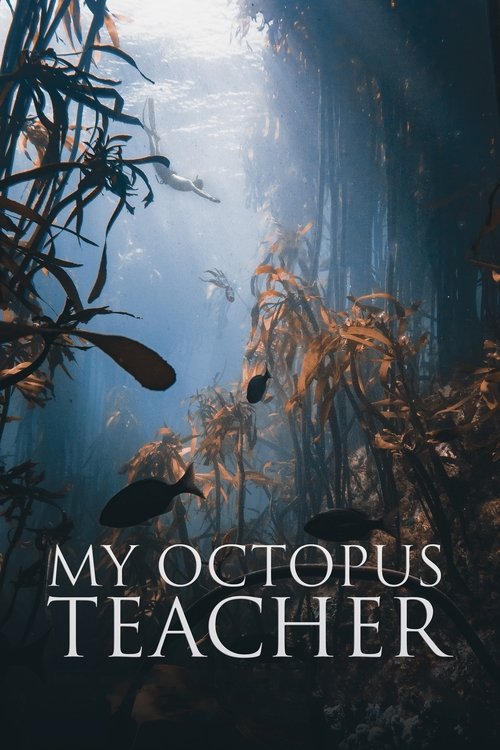
My Octopus Teacher2020
Uses patient observation and personal narrative to interrogate how we exploit the natural world. The form—a man and a camera—mirrors the documentary's use of individual witness testimony against larger systems.
But It's meditative and quiet where Girlfriend in a Coma is combative. If you want rage, you'll find only gentle melancholy here.
Spotlight2015
Journalists uncover institutional abuse protected by power. Like All the President's Men, it's a procedural, but the stakes are moral rather than purely political—showing how systems protect wrongdoing at the expense of the vulnerable.
But Procedurals can feel repetitive. There's a lot of reporters talking to people on the phone, which is authentic but sometimes feels thin.

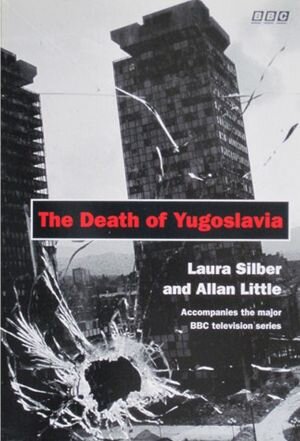
The Death of Yugoslavia1995
A six-part documentary that uses archive footage, interviews, and hard analysis to explain how a nation collapsed amid corruption and nationalist politics. It asks how democracies die from within.
But It's dense with names, dates, and competing claims. You'll need to pay close attention; there's no simple narrative to hang onto.
Winter Light1963
Bergman's film about a pastor losing faith amid institutional and personal failure. It's a meditation on the collapse of meaning within structures meant to preserve it—metaphorically resonant with Girlfriend in a Coma's argument.
But It's glacial, austere, and emotionally muted. If you want catharsis or even clarity, you won't find it.

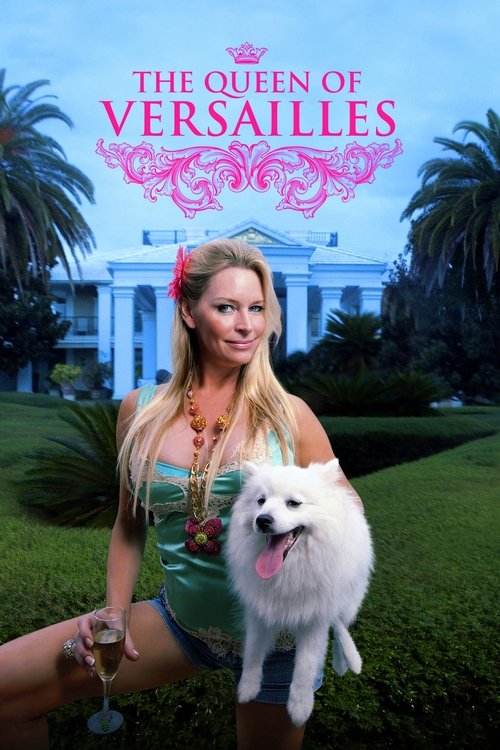
The Queen of Versailles2012
Both 2012 films use documentary form to argue that democratic and moral failure is visible in how elites behave when systems stop constraining them. Same diagnosis, different symptoms.
A documentary following a billionaire couple during the 2008 financial collapse. It becomes a portrait of how wealth insulates people from moral consequence, and how systems that produce vast inequality normalize obscenity. Released the same year, same urgent argument about cultural rot.
But It's sometimes darkly funny, which softens the anger. Some will find the filmmaker's sympathy toward her subjects—their confusion, their entitlement—more revealing than it is critical.
People
Cast
 Bill EmmottSelf
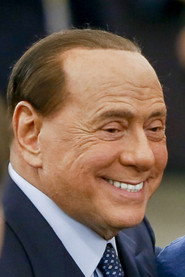 Silvio BerlusconiSelf (archive footage)
- Emma BoninoSelf
- Mario CalabresiSelf
 Sylvia De FantiSelf
 Livia GiuggioliSelf
 John ElkannSelf
 Giampiero JudicaSelf
 Mario MontiSelf
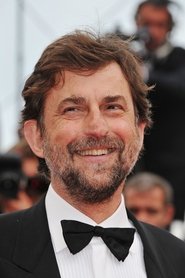 Nanni MorettiSelf

Directing
- Annalisa PirasDirector
Writing
- Annalisa PirasWriter
- Bill EmmottWriter
Production
- Annalisa PirasProducer