
Film
Flesh
- Social drama
- Very dark
Andy Warhol's 1968 *Flesh* is a semi-improvised document of survival and interdependence among New York's underground—a hustler, his wife, her lover, and the various clients and street figures orbiting their lives. It moves at the pace of real time and real exhaustion. Static, unflinching, deliberately unglamorous. For viewers interested in how cinema can observe without judgment.
Should you watch it?
Watch it if you like unhurried, observational films that drift through the seedy corners of New York with deadpan curiosity and let strange people talk themselves into view.
Skip it if you need a plot that moves or a camera that cuts; it is loose, repetitive and grubby, and its frank sex and drug scenes will test patience.
What it asks of you: Expect eighty-nine minutes of long, unhurried takes that circle the same streets and people, with little explained and the mood curdling slowly rather than building.
Not sure? Find tonight's pick in a minute.
If you liked this
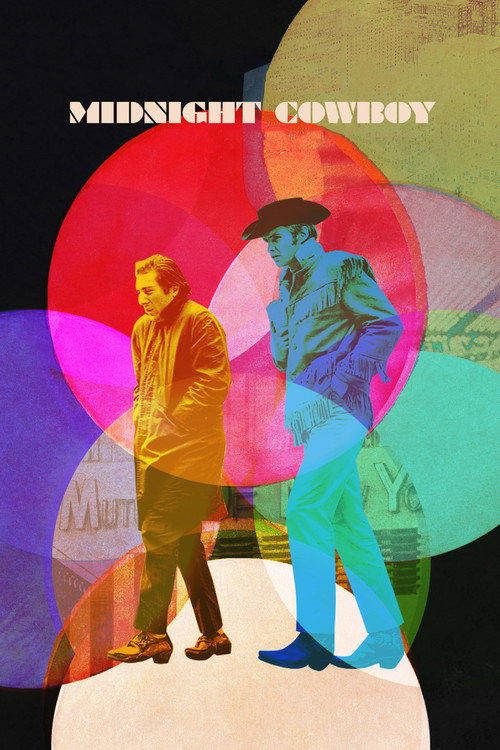
Midnight Cowboy1969
Jon Voight's tortured naïf navigates a similar Manhattan underworld with comparable moral ambiguity and sexual frankness. The film has documentary urgency without preaching about its subjects' choices.
But It's bleak in ways that feel designed to hurt. The famous ending is genuinely difficult, and the film doesn't offer comfort.
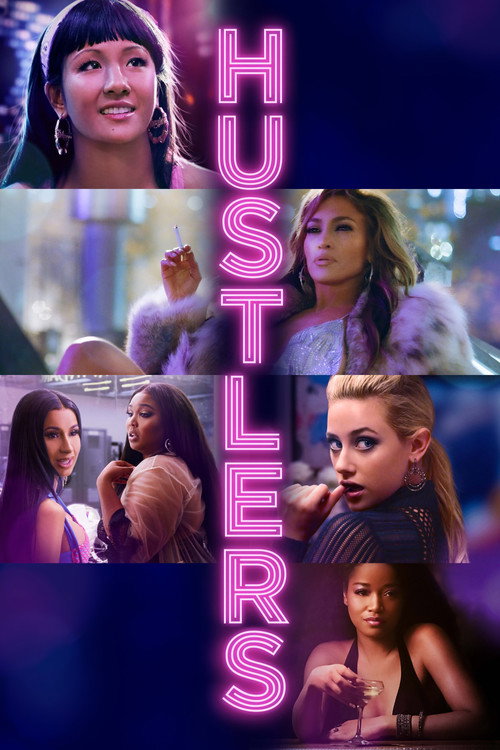
Hustlers2019
Lorene Scafaria's film similarly centers survival, collective loyalty, and sex work without moralizing. It has warmth where *Flesh* has frost, but the same refusal to make victims of its protagonists.
But The tonal shift toward heist-film satisfaction might feel tonally incongruent if you go in expecting unflinching realism.
Cake: Live in San Francisco2004
Gus Van Sant's film follows sex workers with the same patient, non-judgmental gaze Warhol brought to *Flesh*. It's quieter than most films about addiction and survival, which makes it resonate.
But The pacing is genuinely glacial. Some will call it boring; that's partly the point.
Not sure tonight? Get a pick in a minute, starting from Flesh
The wildcard
Something you would not have found on your own.
Superstar: The Karen Carpenter Story1987
Both films use unconventional forms (Warhol's static camera, Haynes's dolls) to observe human vulnerability without sentimentalizing it. Both trust the viewer to feel without being told how.
Todd Haynes's radical documentary uses Barbie dolls and found footage to examine desire, performance, and self-destruction. It shares *Flesh*'s refusal of conventional narrative and its interest in what bodies endure beneath surfaces.
But It's formally strange—using dolls to tell a true story about eating disorders and fame. The concept can feel gimmicky if the execution doesn't convince you.
More like this (5)
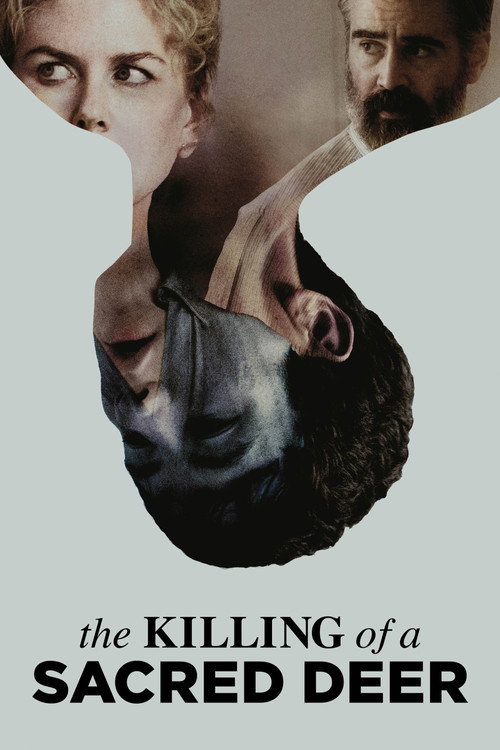
The Killing of a Sacred Deer2017
Yorgos Lanthimos strips away conventional emotional language to observe moral catastrophe from a distance. Like *Flesh*, it trusts the viewer to interpret what they're seeing without a narrator's guidance.
But The affect is cold and airless. If you need a film to *feel* something emotionally, this won't do that for you.
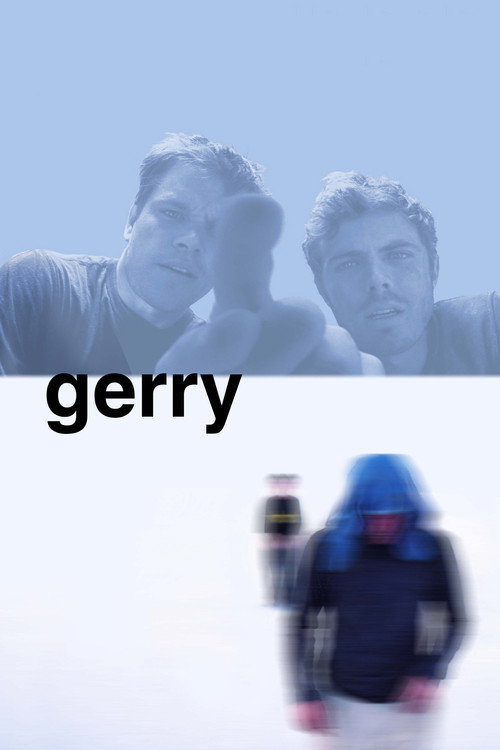
Gerry2002
Gus Van Sant's feature follows two young men across an American landscape with Warhol-like refusal to dramatize. Time moves at their pace, which is often the pace of boredom and bad decisions.
But It's almost three hours of two people walking and talking minimally. Most people will find it punishing rather than meditative.
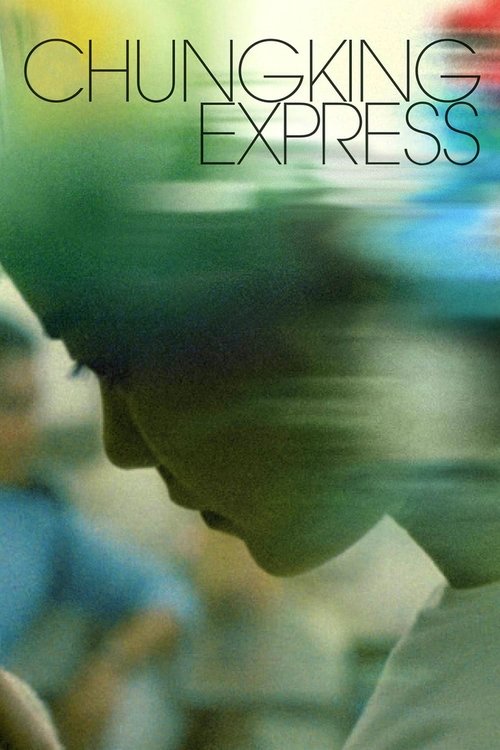
Chungking Express1994
Wong Kar-wai's melancholic portrait of Hong Kong captures loneliness, desire, and the texture of urban life. Visually the opposite of *Flesh*—gorgeous instead of austere—but spiritually adjacent in its attention to small griefs.
But It's romantic and lyrical. If you prefer raw observation to mood and beauty, it's too much surface.
Synecdoche, New York2008
Charlie Kaufman's baroque dissection of creation, failure, and urban alienation spirals through similar terrain—the messy, ungraceful collision of ambition, bodies, and survival. Both feel lived-in and unsystematic.
But It's baroque and exhausting. Some will find it self-indulgent; many will give up before it ends.

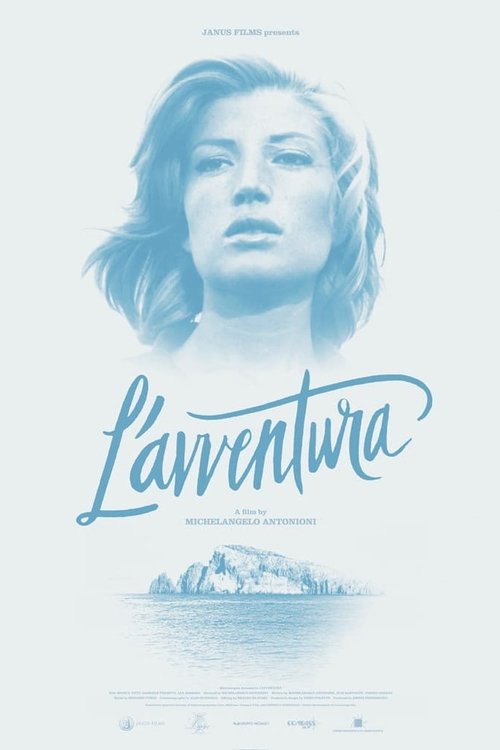
L'Avventura1960
Both films prioritize the texture of time passing over conventional storytelling. Both observe their characters' lives as an anthropologist might—without judgment, without music, without shortcuts to meaning.
Michelangelo Antonioni's masterpiece follows characters through moral and emotional dislocation with glacial pacing and refusal to resolve. It's about the texture of ennui and disconnection—what it feels like to exist without narrative payoff.
But It's deliberately boring. No plot momentum, no character arcs, no emotional catharsis. If you need narrative propulsion, stop here.
People
Cast
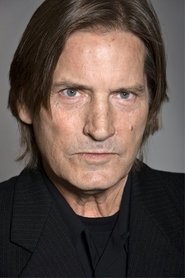 Joe DallesandroJoe, the Hustler
 Geraldine SmithGeri, Joe's Wife
 Patti D'ArbanvillePatti, Geri's Lover
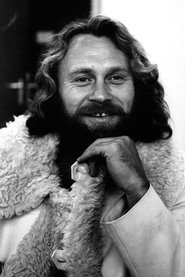 Louis WaldonDavid, the Gymnast
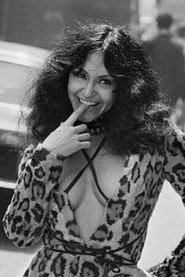 Geri MillerTerry
 Jackie CurtisJackie
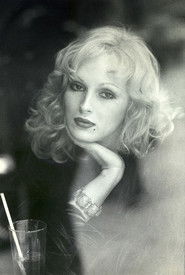 Candy DarlingCandy
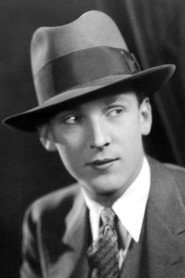 Maurice BraddellThe Artist
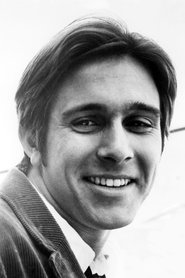 Barry BrownHustler