
Film
First Descent
- Action
- Light-hearted
First Descent traces snowboarding from rebellious outsider sport to Olympic discipline through five generations of riders. Shot largely in Alaska's backcountry, it's a kinetic love letter to progression and risk—part action film, part oral history. You watch it for the riding, but stay for the genuine affection these athletes have for each other and the mountains.
If you liked this
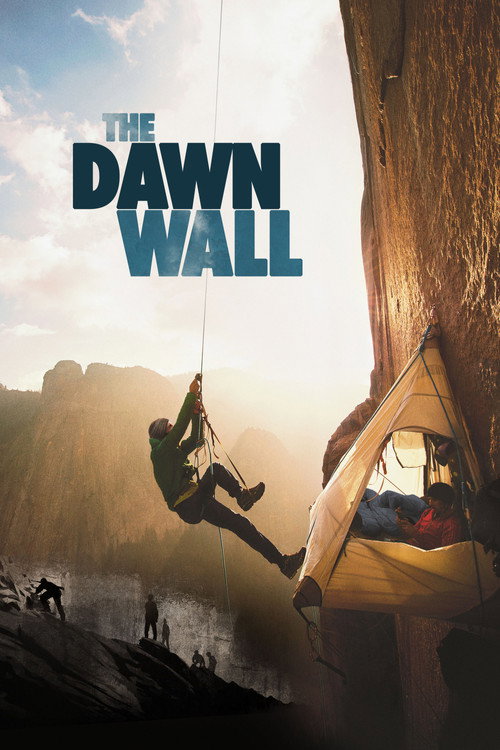
The Dawn Wall2017
Documenting climbers pursuing an impossible vertical dream with the same obsessive energy and intimate stakes. Equal parts technical spectacle and character study of people who live for their craft.
But At 100 minutes it moves deliberately. If you want constant adrenaline rather than reflection, the pacing feels slow.
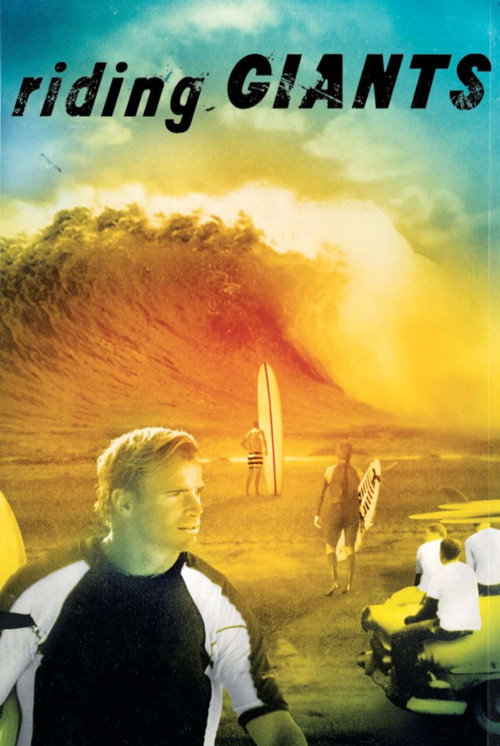
Riding Giants2004
Stacy Peralta's surf documentary works the same soil: subculture to mainstream, generational handoffs, the soul of a sport threatened by its own success. Gorgeously shot, genuinely moving.
But Focused entirely on surfing, so you're investing in another board sport's history. The film assumes you care about the ocean the way riders do.
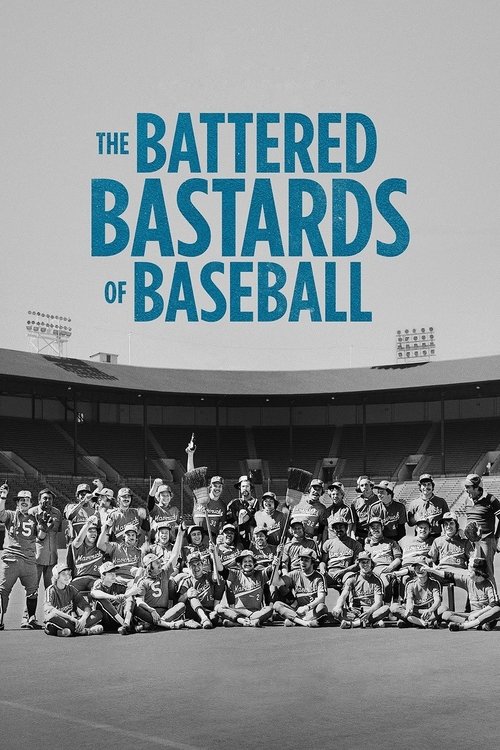
The Battered Bastards of Baseball2014
An indie documentary about outsiders making their own way in a sport that rejected them. Same spirit of defiance and DIY ingenuity that powered early snowboarding.
But Baseball knowledge helps. If you don't care about the sport itself, the emotional core won't land as hard.
Not sure tonight? Get a pick in a minute, starting from First Descent
The wildcard
Something you would not have found on your own.
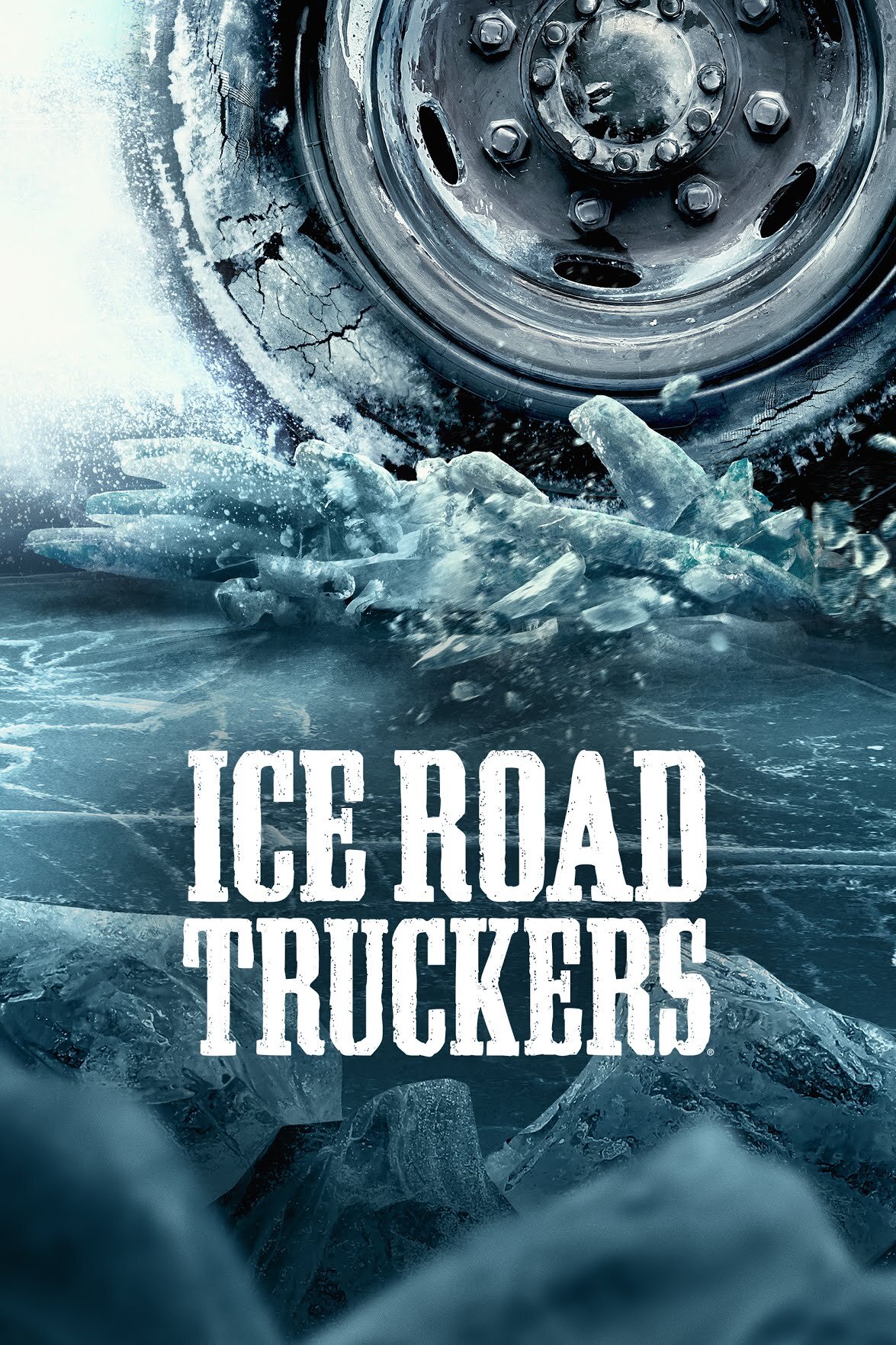
Ice Road Truckers2007
Both capture a specific geographic culture and the people who define themselves through extreme competence in hostile terrain. First Descent romanticizes it; Ice Road shows what it actually costs.
Reality TV following drivers on the deadliest routes on earth. Same Alaska, same mountains, same culture of risk and camaraderie—but it's not about glory. It's about survival and working-class persistence.
But Reality TV melodrama and manufactured tension. It won't feel as artfully made as First Descent, and that can feel cheap.
More like this (6)
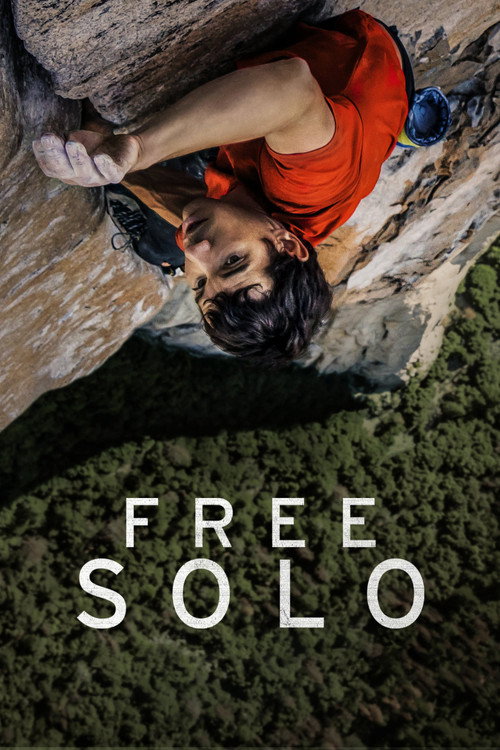
Free Solo2018
Documents one climber's preparation for the most dangerous ascent ever attempted. Unbearable tension, real stakes, and intimate access to obsession at the highest level.
But Watching someone knowingly risk death can feel exploitative. The film doesn't entirely resolve that ethical question.
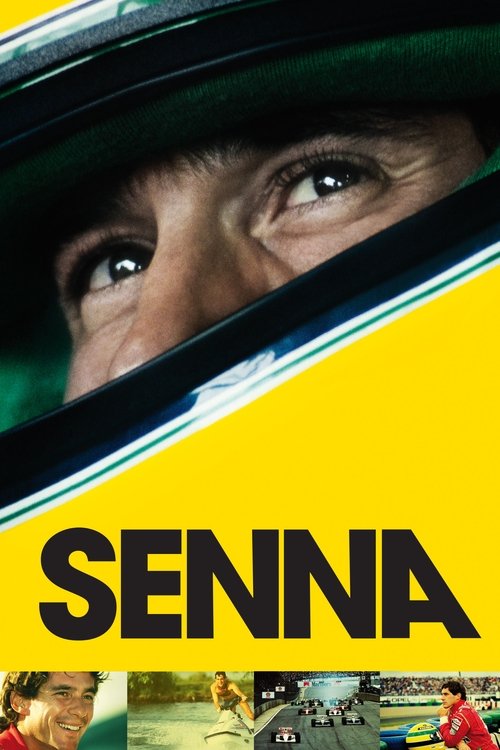
Senna2010
A rare sports documentary that works as pure drama: rivalry, ambition, tragedy. Uses archival footage like poetry. Feels essential even if you've never cared about Formula One.
But It's elegiac and tragic. Not celebratory or fun—this is grief at the size of a stadium.
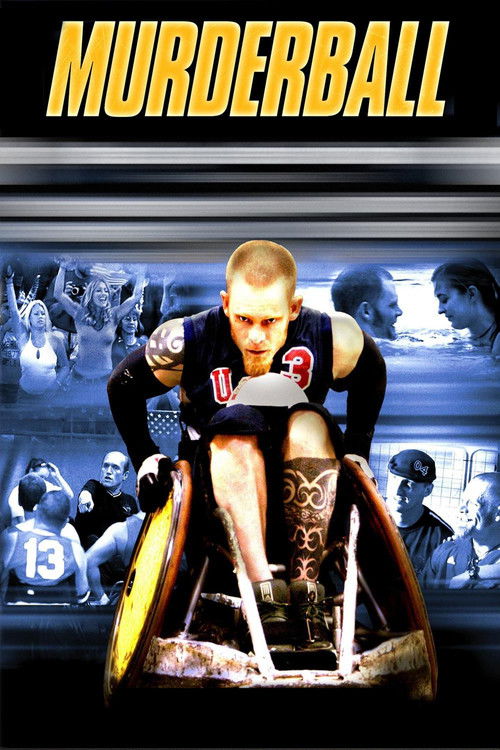
Murderball2005
Wheelchair rugby players at the Paralympics, shot with the same energy and intimacy as First Descent. These are athletes, full stop. You'll never think about sports or disability the same way.
But The film occasionally plays moments for cheap inspiration rather than treating its subjects with full complexity.
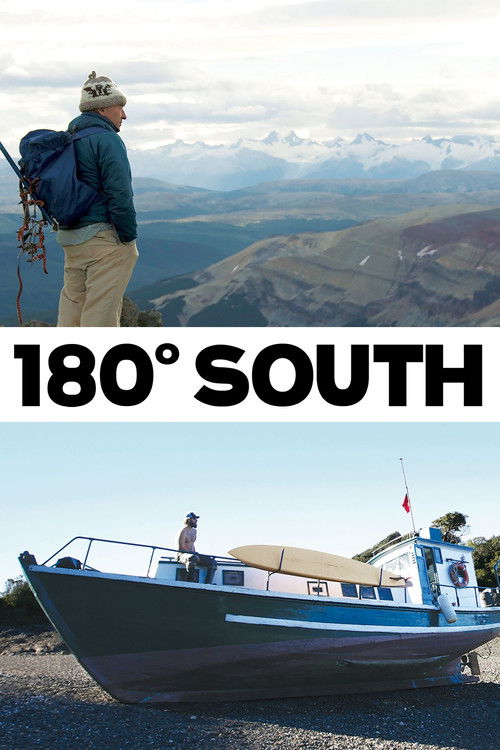
180° South2010
A young filmmaker retraces his hero's legendary journey through South America. Adventure, ecology, generational reflection, and some astonishing mountain cinematography.
But It's part travelogue, part essay. The narrative meanders deliberately. Some viewers find it self-indulgent.
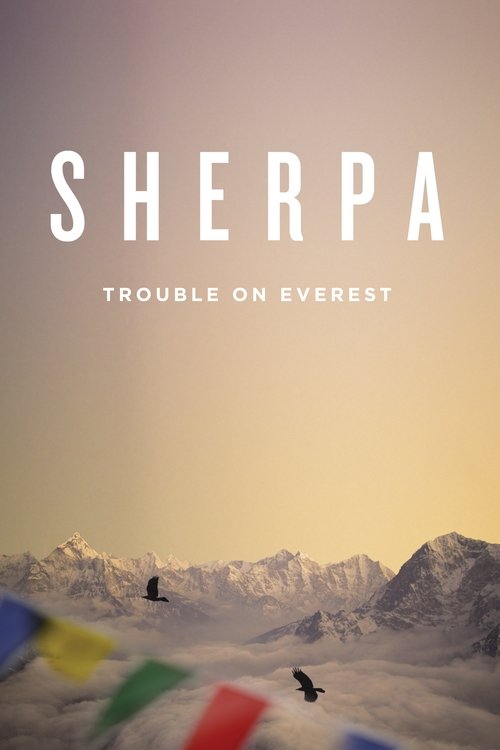
Sherpa2015
Both examine mountain culture, but Sherpa inverts the perspective entirely. First Descent is told by the celebrated athletes; Sherpa centers the invisible workers who enable those climbs.
Documentary about Everest guides and the 2014 avalanche that killed sixteen of them. Asks hard questions about adventure tourism and who bears the real risk while wealthy climbers pursue dreams.
But It's purposefully critical of the adventure industry. If you loved First Descent for its celebration of the sport, this film interrogates that celebration's ethics.
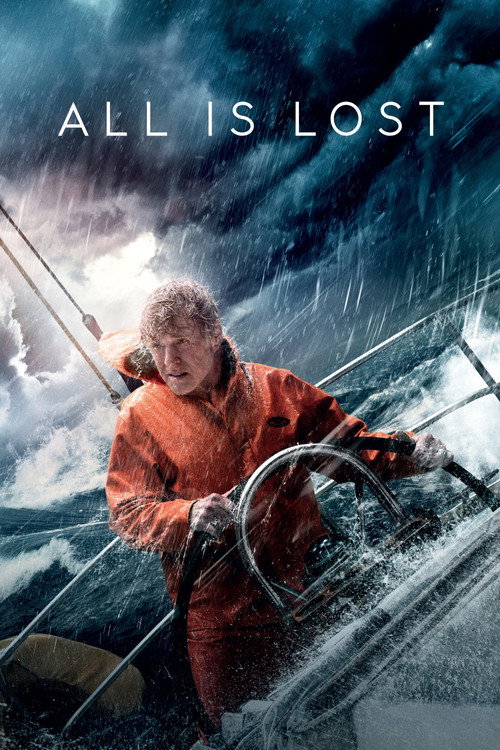
All Is Lost2013
First Descent thrives on camaraderie and spectacle; All Is Lost strips adventure down to naked confrontation between one person and an indifferent environment. Same psychological territory, opposite approach.
A solo sailor alone at sea for 106 minutes. No dialogue, barely any plot. Pure technical problem-solving against the elements. It's what extreme sports really feel like: terrifying, solitary, minimal.
But It's deliberately austere and repetitive. No music, no interviews, no narrative comfort. It requires active engagement rather than providing entertainment.
People
Cast
 Shaun WhiteHimself
 Hannah TeterHerself
- Shawn FarmerHimself
 Terje HaakonsenHimself
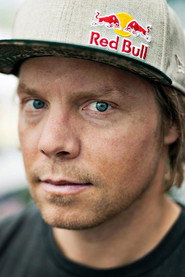 Travis RiceHimself
- Nick PerataHimself
Directing
- Kemp CurlyDirector
- Kevin HarrisonDirector