
Film
Drishti
Drishti is a 1990 Indian drama about marriage, infidelity and reclaimed selfhood. After her husband leaves her for another woman, a wealthy Bombay housewife must rebuild her identity and independence. It's a character study that treats adult disappointment seriously, anchored by Dimple Kapadia's performance. For viewers interested in how cinema outside the Hollywood mainstream approaches female agency and social rupture.
Should you watch it?
Watch it if you enjoy patient, dialogue-driven domestic dramas where a marriage is examined through quiet looks and everyday tensions rather than through plot machinery.
Skip it if you want brisk pacing or a light touch, since this is a long, measured film that lingers on its emotional weight and rarely hurries.
What it asks of you: Close to three hours of unhurried scenes, where patience matters more than plot momentum and the mood stays heavy and reflective.
Not sure? Find tonight's pick in a minute.
If you liked this
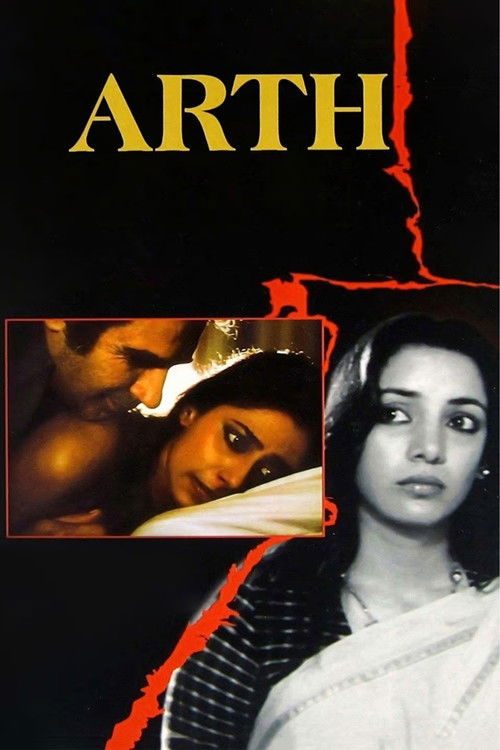
Arth1982
Smita Patil's portrayal of a woman confronting her husband's infidelity launched the template for these intimate marital dramas in Hindi cinema. It's raw and uncompromising about the social and emotional aftermath of betrayal.
But The pacing is deliberately slow and meditative—there's no plot momentum, only the accumulation of pain. Some find it dated in style.
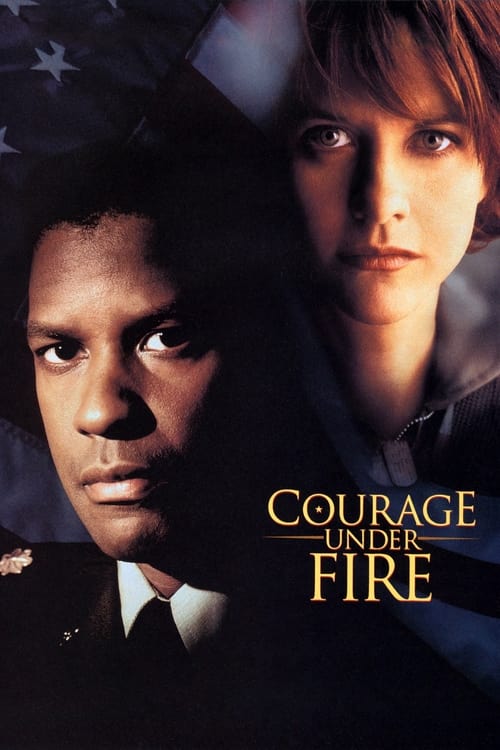
Courage Under Fire1996
Deepa Mehta's controversial masterpiece examines desire and autonomy within marriage through two women. Like Drishti, it's focused and unflinching about how institutions can smother the self, with a defiant final act.
But It generated significant controversy and is sexually explicit by some standards. The ending will either liberate or alienate you completely.
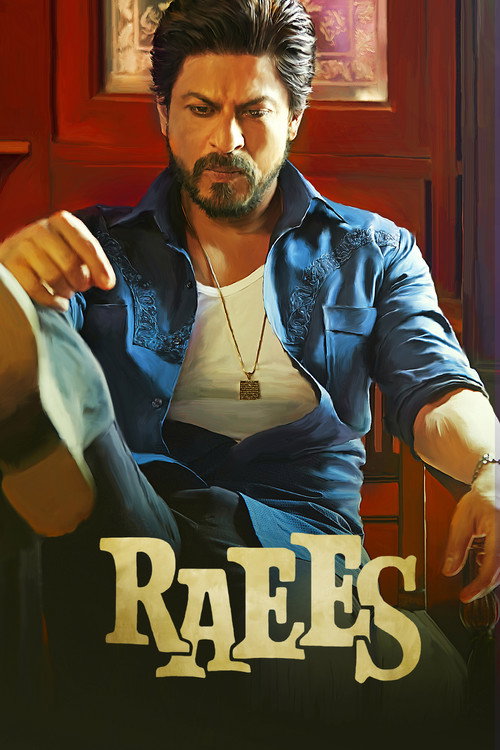
Raees2017
Irrfan Khan (who appears in Drishti) delivers a nuanced performance in this character-driven crime drama. It shares Drishti's interest in how ordinary people navigate moral compromise and fractured identities.
But It's a different genre entirely—a crime thriller rather than a domestic study. The tone is far brasher and more plot-driven than what Drishti offers.
Not sure tonight? Get a pick in a minute, starting from Drishti
The wildcard
Something you would not have found on your own.
The Remains of the Day1993
Both are intimate studies of marriage and identity undone by the choices of another person, told through a protagonist's slow reckoning with their own complicity and the life they might have lived.
A film about a life unlived, told through small gestures and regret. Like Drishti, it's built entirely from the interior architecture of a person forced to confront what they sacrificed for duty. Both treat quiet devastation as worthy of serious cinema.
But It's English, restrained in a very British way, and offers no catharsis or vindication. If you're looking for a rousing comeback story, this offers only acceptance.

More like this (7)
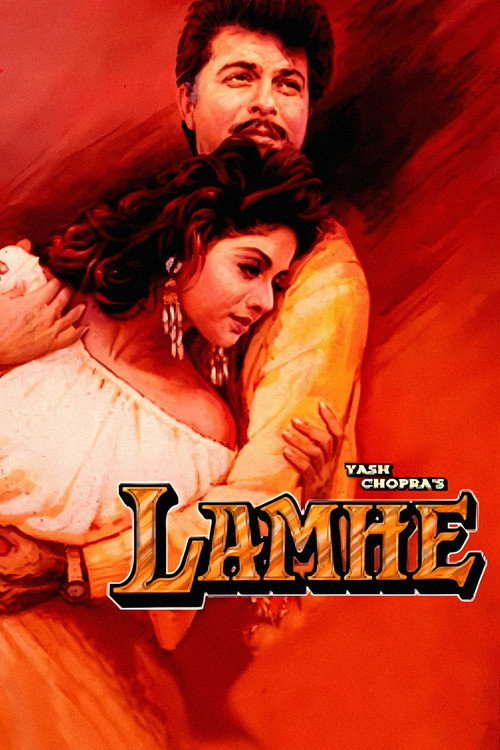
Lamhe1991
Yash Chopra's visually sumptuous film also explores unconventional relationships and the tension between duty and desire. It's similarly invested in the interior lives of its characters over spectacle.
But The central romance is uncomfortable and age-gap heavy. It's also heavily stylised in a way that can feel overwrought alongside Drishti's restraint.
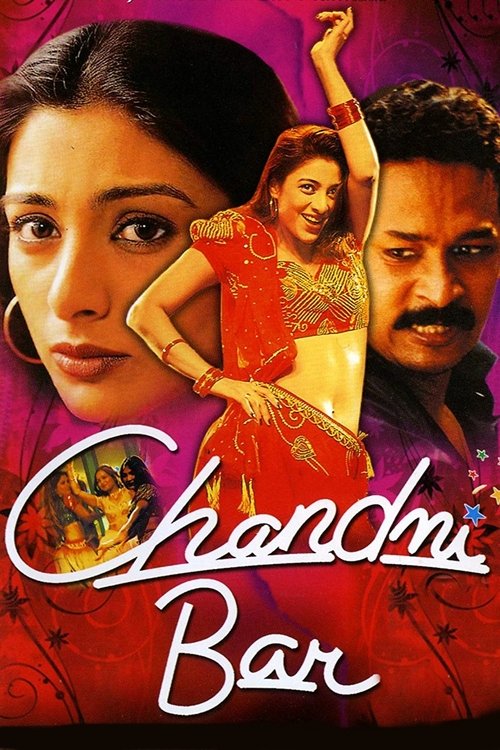
Chandni Bar2001
Madhuri Dixit's career-best performance in a brutal examination of survival and agency. Like Drishti, it's unflinching about women's vulnerability in systems designed to exploit them, but with far higher stakes.
But It's extremely graphic and deals with exploitation, trafficking, and violence. The subject matter is far darker and more disturbing than Drishti's domestic focus.
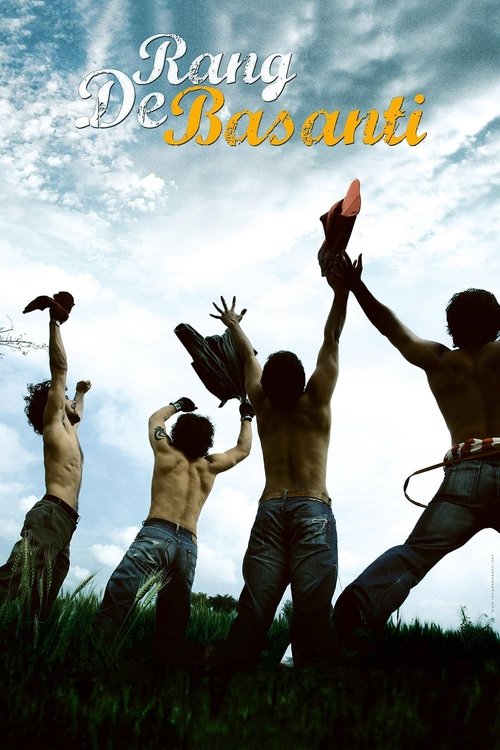
Rang De Basanti2006
Though primarily a youth drama, it shares Drishti's interest in how ideals collide with reality and how people remake themselves when the world betrays them. Strong ensemble cast and emotional depth.
But It's much broader in scope and tone—mixing idealism, action sequences, and comedy. The intimate character work gets diluted by the larger narrative.
Margarita with a Straw2015
Kalki Koechlin's quiet performance explores identity, desire and independence against social constraints. It's similarly committed to the texture of a woman's inner life and her journey toward selfhood.
But It's a different kind of story—coming-of-age rather than post-marriage—and takes its heroine to places far more sexually and culturally transgressive.

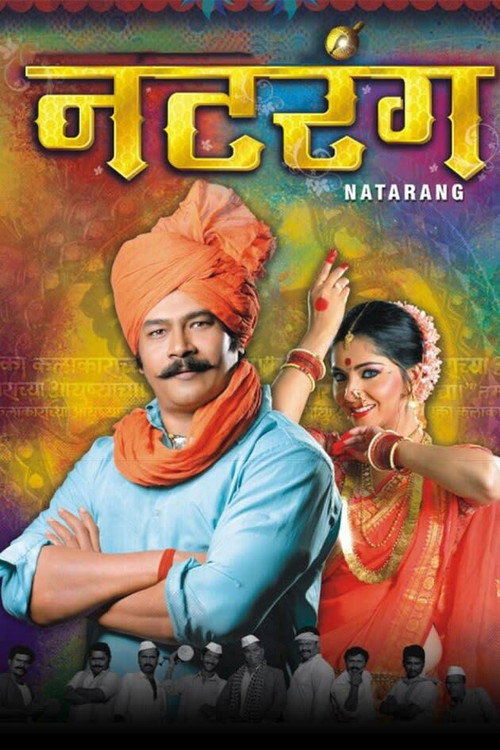
Natrang2010
A Marathi-language drama about performance, identity and the compromises of middle age. It's contemplative and character-focused, examining how people survive disappointment through art and reinvention.
But It's in Marathi, and the cultural context may feel distant. The pacing is glacial even by arthouse standards.
Scenes from a Marriage2021
Both films treat marriage as a philosophical territory rather than a romantic narrative, examining how two people can live parallel lives within the same bond. Both are structured around conversations that reveal how little partners sometimes know each other.
Bergman's miniseries dissects a marriage with philosophical precision and brutal honesty. It shares Drishti's refusal to simplify marital breakdown—both understand infidelity as a symptom, not a plot point. Absolutely hypnotic.
But It's six hours of two people talking, sometimes screaming, sometimes silent. There is no escape, no subplot, no relief. Not everyone can sit with that level of sustained emotional intensity.

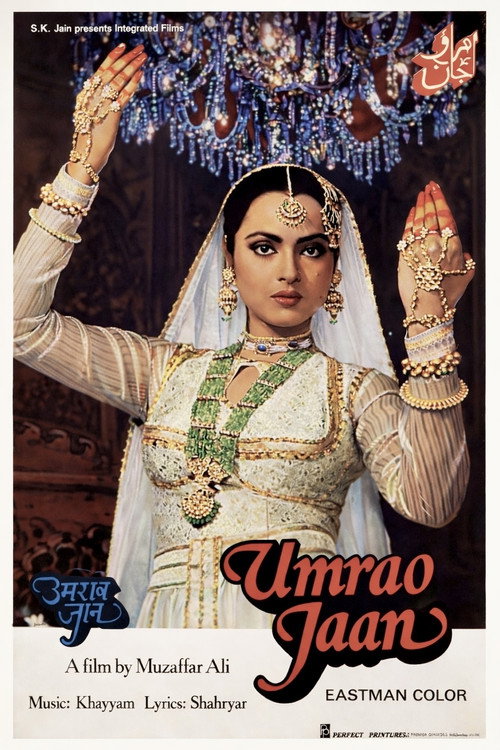
Umrao Jaan1981
Both films feature women whose sense of self is shattered by betrayal, and both follow their slow, painful process of reconstructing an identity. Both understand that survival and self-reclamation are sometimes the only victories available.
A film about a woman remade by circumstance into someone she didn't choose to be. Like Drishti, it's interested in how identity is constructed and reconstructed through loss. Rekha's performance is transcendent—pain worn like an ornament.
But It's a period film with a fundamentally tragic arc. The woman at its center finds beauty but never safety or redemption. Some viewers need their dramas to end with agency reclaimed.
People
Cast
 Dimple KapadiaSandhya
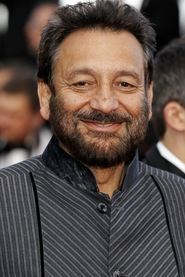 Shekhar KapurNikhil
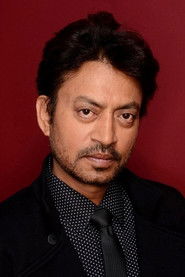 Irrfan KhanRahul
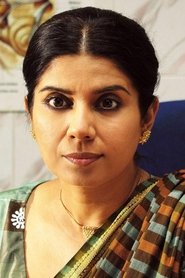 Mita VashishtPrabha
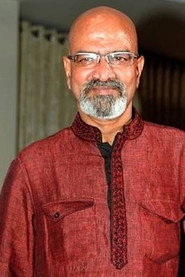 Vijay KashyapRamesh
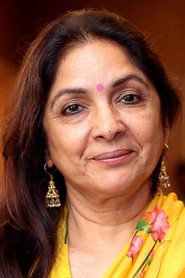 Neena GuptaRevati
 Navneet NishanGita
- Alka SrivastavWoman looking for Rajan
- Karim VakilArvind
- Vinod RanganathanGopal
- Kenneth DesaiVasu
- Ganesh VernekarChowkidar
Directing
- Govind NihalaniDirector
Writing
- Vasant DevLyricist
- Govind NihalaniWriter
- Shashi DeshpandeWriter
Production
- Govind NihalaniProducer