
Film
Dil Hai Betaab
A 1993 Hindi romantic drama about class collision and parental ambition. Meena loves Raja, a fellow student, but her greedy father sees a wealthier suitor in his boss as a path to promotion. It's a familiar love-versus-duty story, earnest and melodramatic in the Bollywood style of its era, aimed at audiences who believe in the transformative power of romantic devotion.
Should you watch it?
Watch it if you enjoy old-school Hindi romance where class pressure, a rival in love, and a father's ambition push a young couple around, and you like your melodrama sincere rather than ironic.
Skip it if you want a tight, modern pace or understated performances, since its emotions run large, its drama leans on big speeches, and its tone rarely lets up.
What it asks of you: Settle into a sentimental stretch where feelings are pitched high and the romance unfolds slowly, with few quiet moments to breathe between its emotional peaks.
Not sure? Find tonight's pick in a minute.
If you liked this
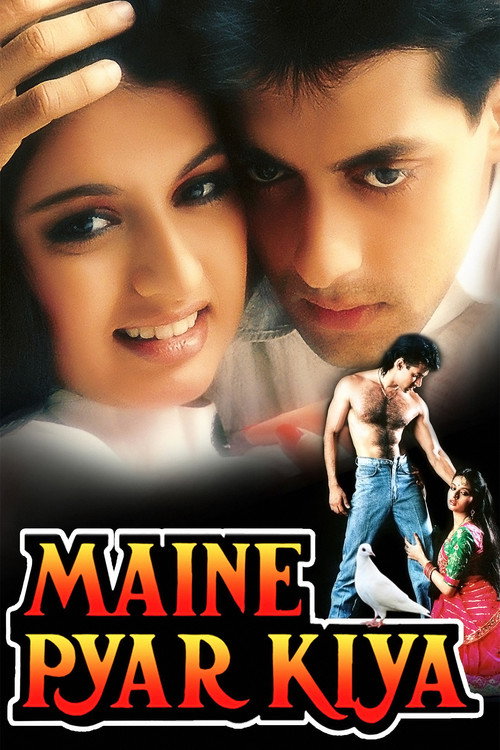
Maine Pyar Kiya1989
The template for 1990s Hindi romance: young love, family disapproval, and a hero who wins through persistence and charm. If you're drawn to *Dil Hai Betaab*'s earnestness, this is where the modern form crystallized.
But Salman Khan's performance is charming but thin, and the film runs nearly three hours on a plot that could fit in ninety minutes.
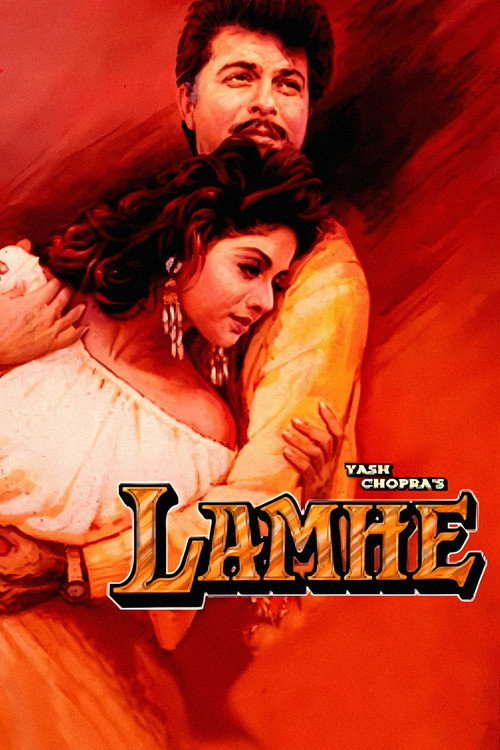
Lamhe1991
Yash Chopra's visually sumptuous meditation on forbidden love across generations. Like *Dil Hai Betaab*, it pits desire against family duty, but with far more visual sophistication and moral ambiguity.
But It's oblique where most Hindi films are direct, and Anil Kapoor's performance divides viewers. The ending troubles people.
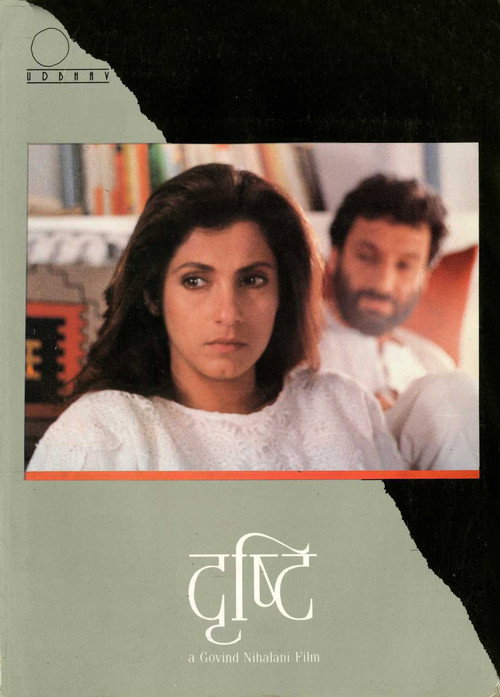
Drishti1990
A sharper, faster take on class and romance in contemporary India. Govinda's charm and the film's willingness to mock its own melodrama make it feel fresher than standard formula.
But The tonal shifts are jarring—it wants to be both comedy and serious drama, and doesn't always land both.
Not sure tonight? Get a pick in a minute, starting from Dil Hai Betaab
The wildcard
Something you would not have found on your own.
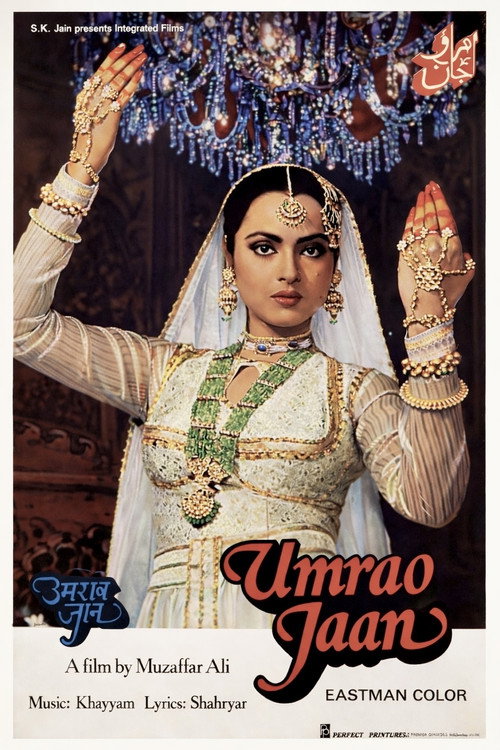
Umrao Jaan1981
Both explore love thwarted by class and family pressure, but where *Dil Hai Betaab* believes love conquers all, *Umrao Jaan* knows it doesn't—and is haunted by that knowledge.
Rekha's masterpiece: a tawaif (courtesan) who loves a man she cannot have. Like *Dil Hai Betaab*, it's about class barriers and love made impossible by social station—but told with infinitely more grace, regret, and visual poetry.
But It's a period film in Urdu-inflected Hindi, slower and more introspective than mainstream Bollywood. The ending is tragic and will not comfort you.
More like this (8)
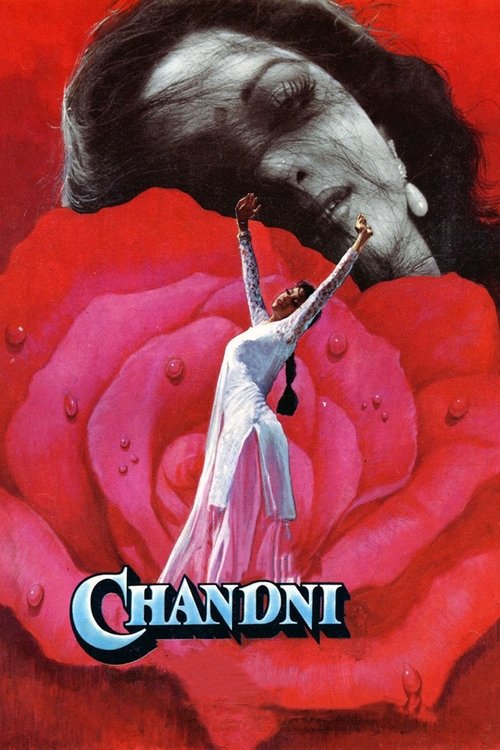
Chandni1989
Another Yash Chopra classic where a young woman must choose between love and family expectation. The romance is intoxicating, the cinematography breathtaking, and Sridevi commands the screen entirely.
But At over two hours, it moves at a deliberate pace that tests modern patience. The ending may feel unsatisfying if you're rooting for rebellion.
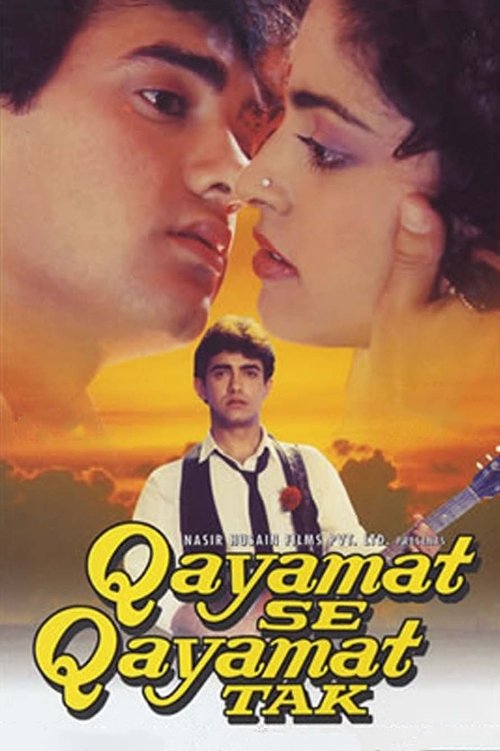
Qayamat Se Qayamat Tak1988
A Romeo-and-Juliet retelling set in rural India, where family feuds matter more than individual choice. The chemistry between Aamir Khan and Juhi Chawla crackles, and the stakes feel genuinely high.
But The tragedy is heavy-handed, and the climax relies on coincidence rather than character. Some find it overwrought.
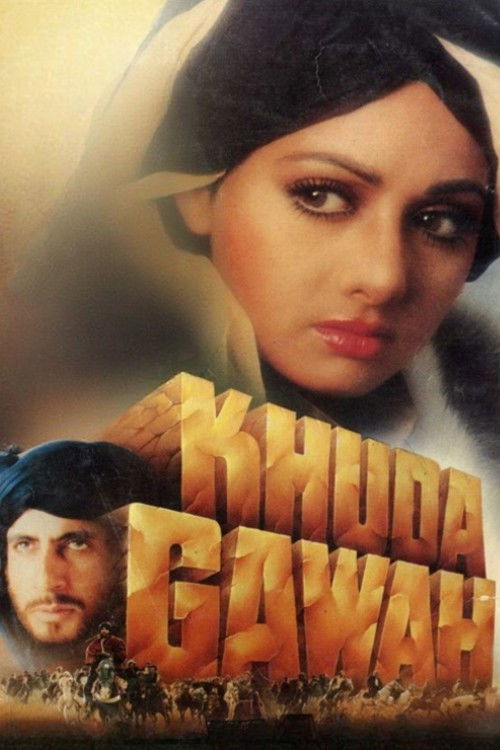
Khuda Gawah1992
Amitabh Bachchan and Sridevi in an ambitious film that blends romance, action, and epic scope. It's operatic in a way that captures the maximalism of early-90s Bollywood ambition.
But The plot is scattered, the pacing uneven, and it's almost three hours long. The Afghanistan sequences feel tacked on.
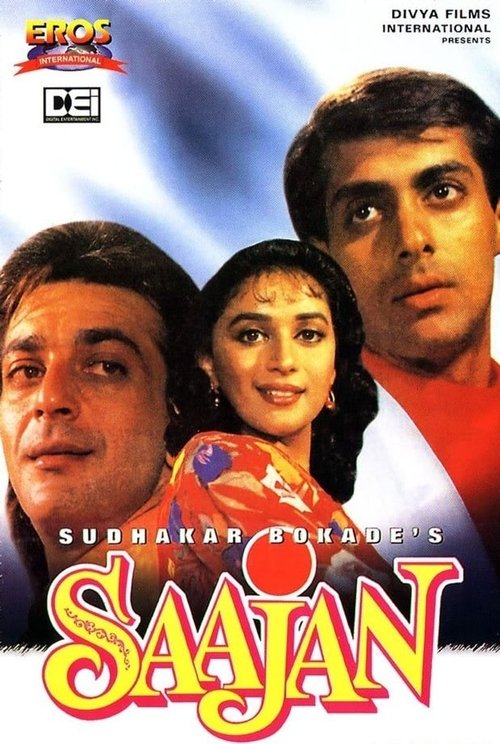
Saajan1991
A love triangle where class divides matter: two men, one woman, and the question of who deserves her hand. Salman Khan and Sanjay Dutt have surprising chemistry, and Madhuri Dixit is luminous.
But It's a Sajid Khan film, which means the tone can be cloying. The resolution favours sentiment over sense.
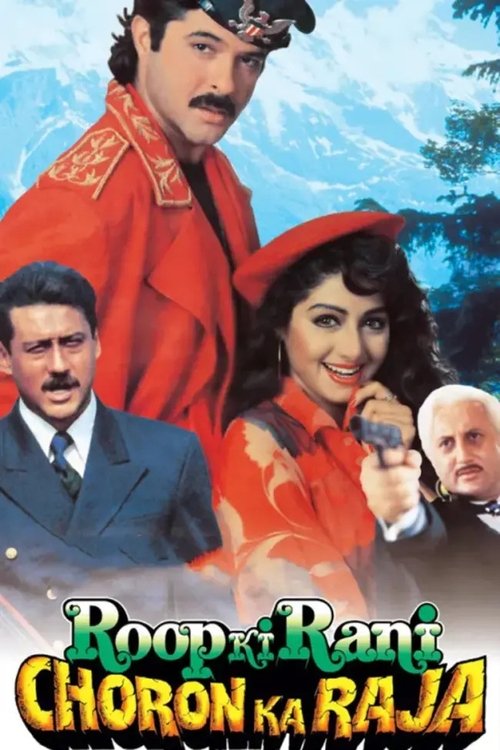
Roop Ki Rani Choron Ka Raja1993
An outlandish, maximalist romance from Raj Kapoor's final film. If you want pure spectacle and unabashed melodrama, this delivers in a way few films dare anymore.
But It's nearly four hours, bewilderingly plotted, and the film works only if you surrender to its excess completely. Most viewers will check out.
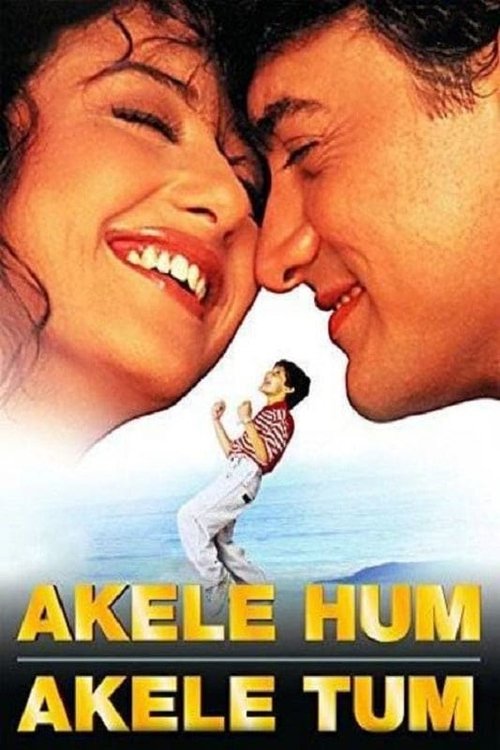
Akele Hum Akele Tum1995
Govinda and Manisha Koirala in a film about rekindled love and second chances. It's sweeter than most 90s fare, with genuine humour and a lighter touch on melodrama.
But The second half slackens considerably, and the central conflict resolves too easily. It feels a bit undercooked.
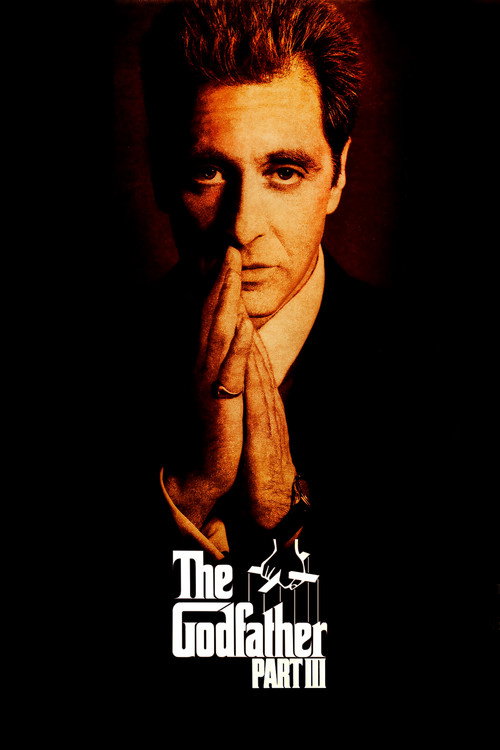
The Godfather Part III1990
Both use family and duty as their emotional core, but one elevates it to tragedy, the other to melodrama. This shows what the same conflict looks like when violence is real.
The Godfather remade as an Indian crime drama, with Sunny Deol as a don protecting his family. It's raw, violent, and utterly committed to its world—a collision of Marlon Brando and Bollywood excess.
But It's grimy and brutal where *Dil Hai Betaab* is sentimental. If you want romance and music, you will not find them here.
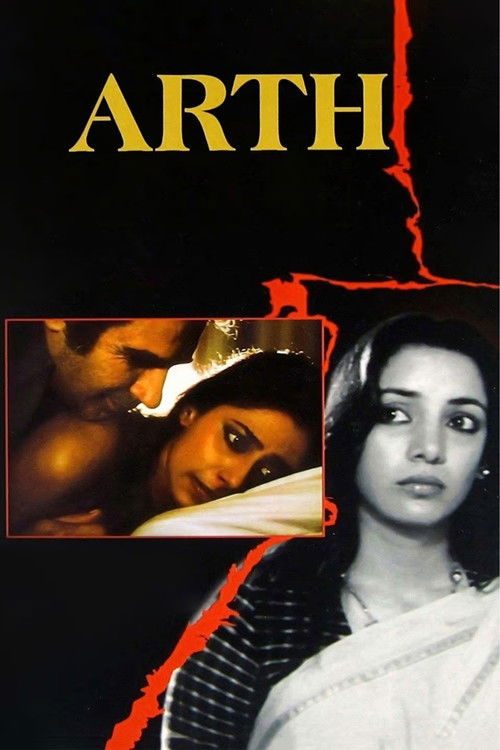
Arth1982
Where *Dil Hai Betaab* asks whether love survives obstacles, *Arth* asks whether it can survive truth. Both are fundamentally about the collision between feeling and reality—but they draw opposite conclusions.
Mahesh Bhatt's shattering film about a marriage destroyed by infidelity and ambition. It's unflinching about desire, class, and the gap between what we want and what we're allowed to have. Utterly adult.
But It's not a love story; it's a dissection of love's failure. No music, no comfort, no redemption. If you need that, go elsewhere.
People
Cast

Directing
- K. C. BokadiaDirector