
Film
Dream House
Dream House is a puzzle-box thriller about a family discovering their picturesque New England home is a crime scene. It wraps mystery, family drama, and psychological unease around a twist that reframes everything. It's for anyone who likes slow-burn investigations where the house itself becomes a character—and where trusting your first reading proves dangerous.
If you liked this
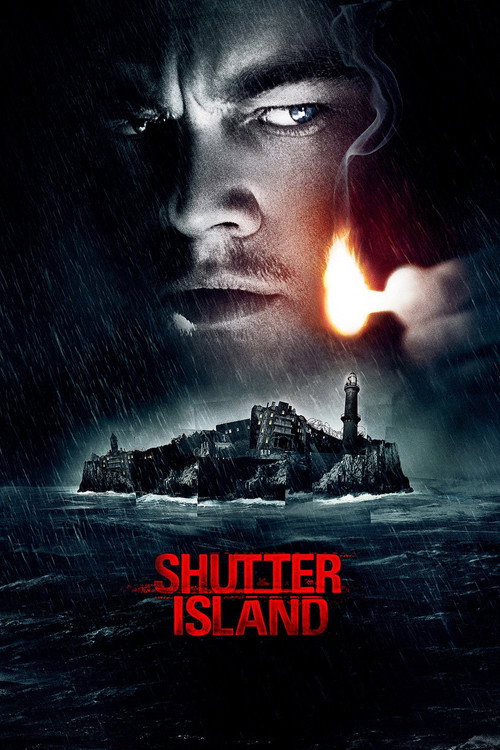
Shutter Island2010
Scorsese's haunted-mind thriller about a detective unraveling a mystery on an island hospital. Shares the same DNA: unreliable perspective, dread layered into atmosphere, and a gut-punch third act that rewires what you thought you were watching.
But Heavier and more distressing than Dream House—it sits with psychological torment rather than suspense, and some find Lehane's source material (and DiCaprio's performance) a bit overwrought.
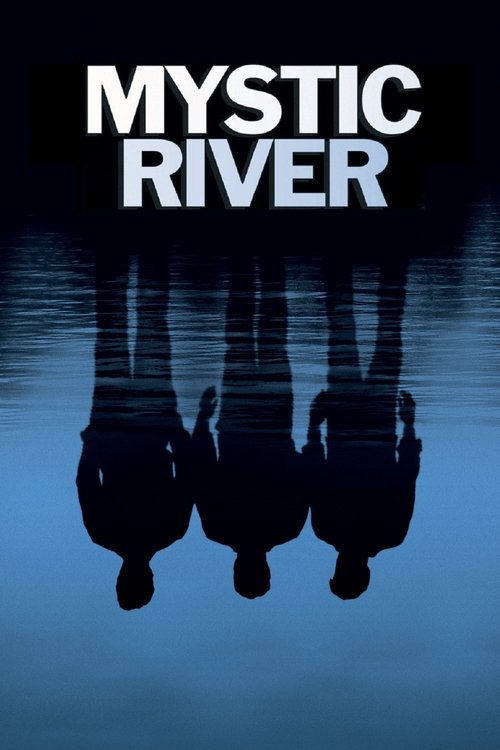
Mystic River2003
Three Boston men investigating a murder connected to their shared past. Like Dream House, it's about how the past contaminates the present, and ordinary people discovering their neighborhood harbors terrible secrets. Clint Eastwood directs with a sharp eye for small-town darkness.
But It's bleak and unflinching—no catharsis, no easy answers. Some find the pacing glacial, especially in the second half.
The Gift2015
Joel Edgerton's psychological thriller about a couple whose life unravels when a mysterious acquaintance reappears. Same architecture as Dream House: a secret with roots, characters trapped by the past, and revelations that recontextualize everything.
But It's quieter than you might want from a thriller, with long stretches where not much happens. The third act divides viewers on whether it earns its moral complexity.

Not sure tonight? Get a pick in a minute, starting from Dream House
The wildcard
Something you would not have found on your own.
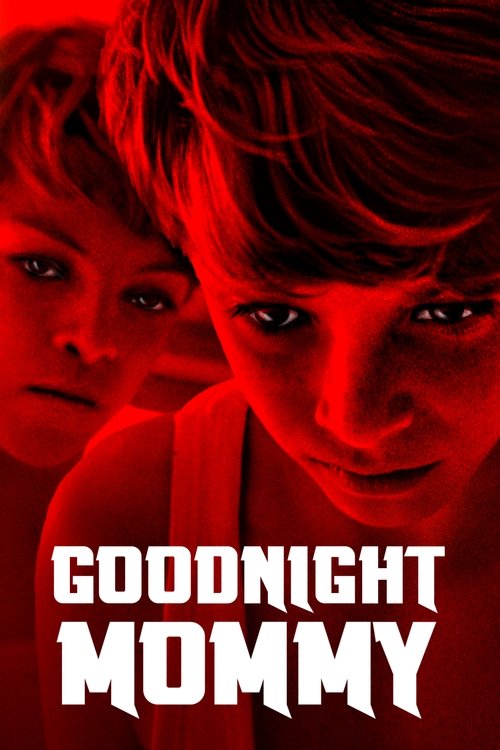
Goodnight Mommy2015
Both use a single location and family structure to trap characters with a devastating secret, then systematically dismantle what we thought was real. The 'wrongness' of intimate spaces is their engine.
An Austrian film about two boys whose mother returns from facial surgery, and something feels profoundly wrong. It's a horror film that uses the home-invasion structure as a metaphor for bodily estrangement and broken trust. Visually immaculate and genuinely disorienting.
But Graphic and brutal in ways that feel European and uncompromising. The twist is upsetting rather than clever, and the final thirty minutes test your endurance. Not for those wanting mainstream catharsis.
More like this (8)
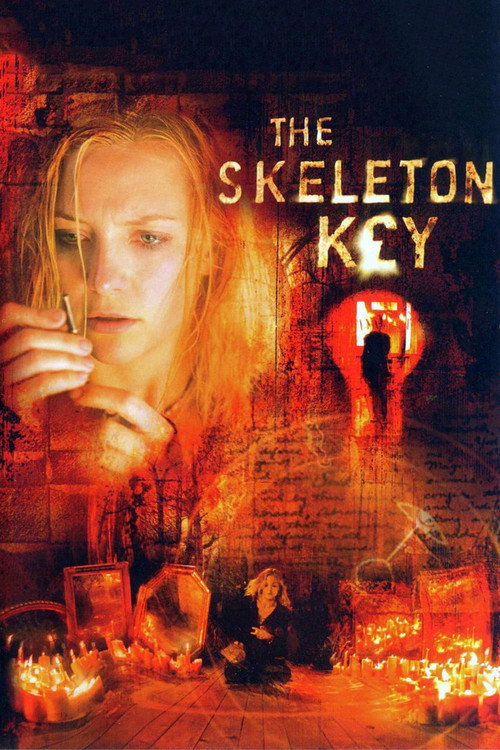
The Skeleton Key2005
A girl in a Gothic mansion uncovers its violent history through exploration and discovery. Taps the same atmospheric unease about buildings that hold secrets, and maintains genuine mystery through the middle act without telegraphing its big reveal.
But Aimed at a younger audience than Dream House, so the scares feel gentler. The twist is clever but not as devastating, and some find it predictable.
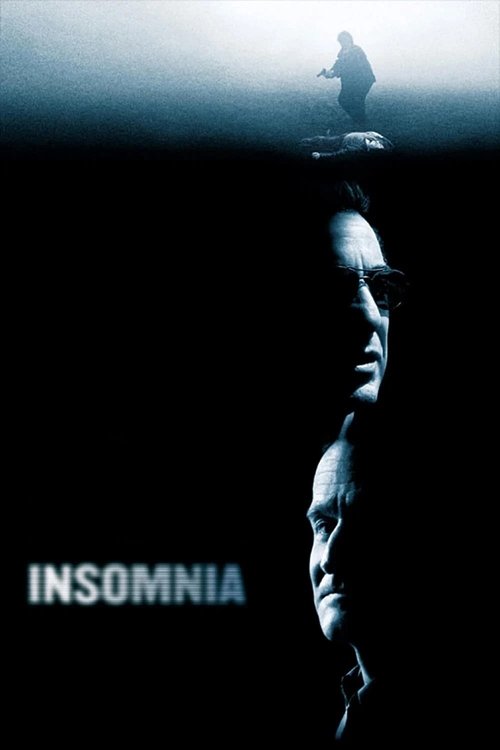
Insomnia2002
Christopher Nolan's psychological thriller about a detective in Alaska pursuing a murderer—and being blackmailed by him. Both films explore how an investigation corrodes the investigator's mind and moral certainty, with Alaska's midnight sun mirroring the inescapable atmosphere.
But Al Pacino's internal monologue gets repetitive. It's a bit drained of color in every sense, and the philosophical wrestling might feel laborious.
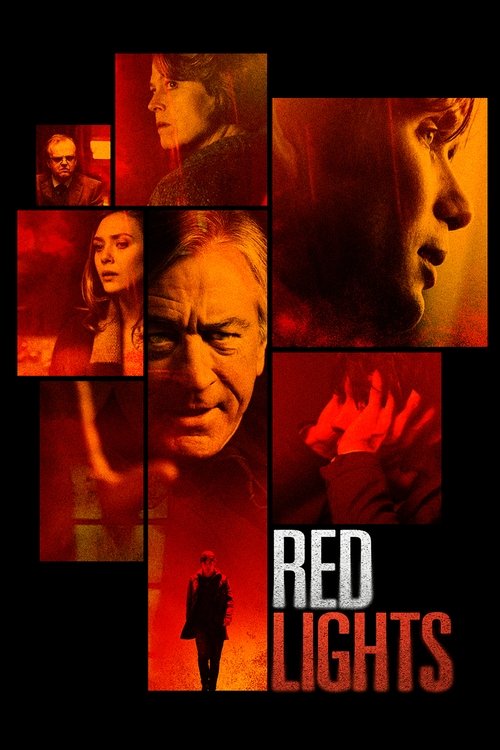
Red Lights2012
Two scientists investigating paranormal claims uncover something that destabilizes their entire understanding of reality. Structurally similar: methodical investigation, mounting dread, and a final revelation that reframes every scene before it. Cillian Murphy is excellent.
But The pacing drags in stretches, and the twist arrives suddenly without quite enough setup. Some find it frustrating rather than satisfying.
Take Shelter2011
Michael Shannon's haunting performance as a man convinced a storm is coming, building a shelter while his family and community lose faith in him. Explores paranoia, the unreliable mind, and the terror of not knowing if you're sane—themes that echo through Dream House.
But It's slow, meditative, and deliberately withholding. No action, no clear answers. Demands patience and won't reward those looking for conventional thrills.

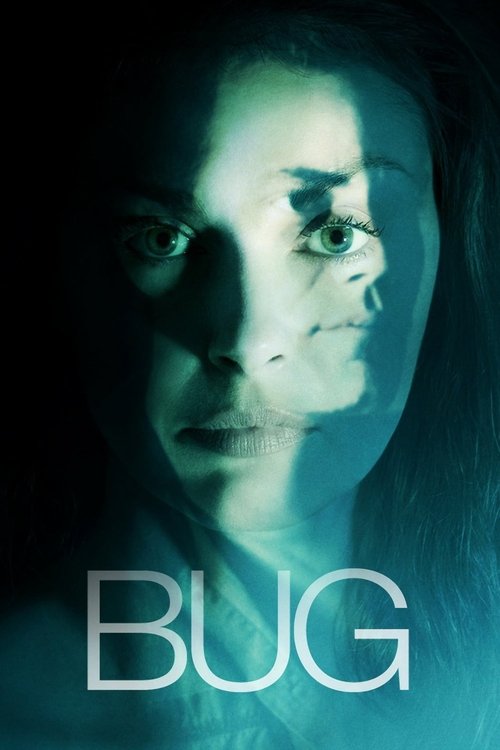
Bug2007
William Friedkin's claustrophobic psychological horror about two isolated people descending into paranoia in a motel room. Like Dream House, it's about how a space becomes infected with dread, and how proximity to another person can amplify your worst thoughts.
But Deeply uncomfortable and grotesque. The descent into madness is unrelenting and bleak, with no relief or redemption. Not for viewers who need emotional catharsis.
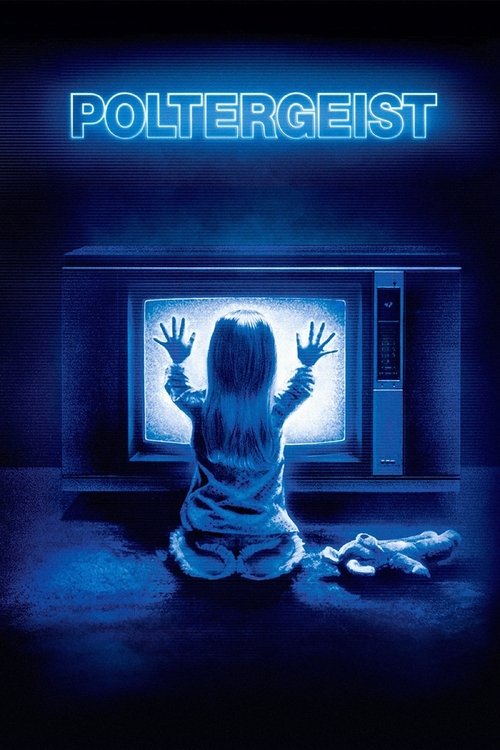
Poltergeist1982
Tobe Hooper's suburban nightmare about a family terrorized in their home. The godfather of haunted-house cinema—establishes the vocabulary Dream House uses: the house as antagonist, family bonds under siege, creeping dread replacing jump scares.
But Very much a product of 1982, with some dated effects and pacing that feels generous. The final act tilts toward spectacle rather than subtlety, which some find deflates the tension.
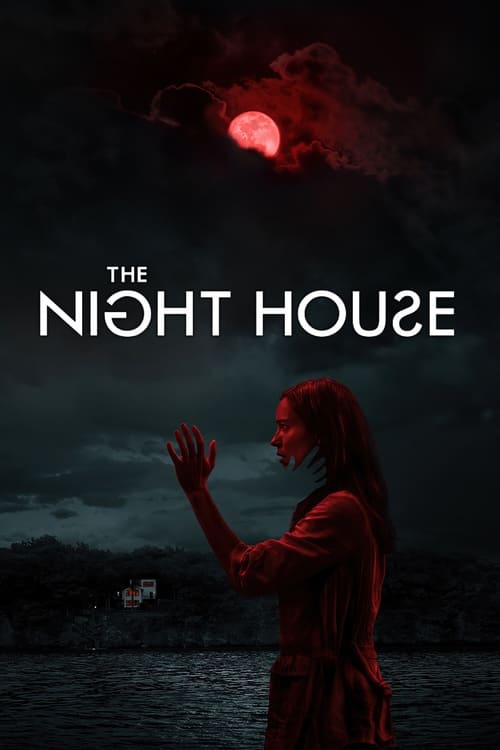
The Night House2021
Both films are really about marriage and the secrets it contains. They ask: how well do you know someone? What does it cost to find out? The house in both becomes a text to decipher, written by the person you loved most.
Rebecca Hall in a grief-horror hybrid about a widow exploring her dead husband's secrets in their waterfront home. It's genuinely about loss and the impossibility of truly knowing another person, wrapped in atmospheric dread. Achingly human and terrifying in equal measure.
But It's a domestic tragedy that uses horror language rather than a traditional thriller. If you're watching to be scared or see a mystery solved, you'll feel shortchanged. The ending is ambiguous in ways that frustrate linear thinkers.
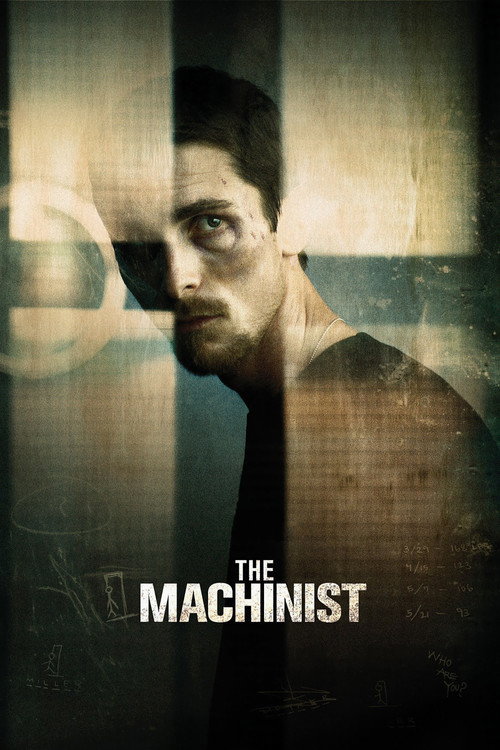
The Machinist2004
Both explore unreliable narration and the horror of not knowing if your mind is trustworthy. They ask you to question every frame, and both use a single location (or repeated locations) as a cage. The past doesn't intrude—it's been there all along.
Christian Bale's skeletal performance as an insomniac factory worker whose grip on reality deteriorates. Lean and dreamlike, it mirrors Dream House's psychological unraveling but from inside the fractured mind. The mounting dread feels inevitable and unbearable.
But Deliberately bleak and alienating, with a visual palette of grays and rusts. The twist requires a second viewing and some viewers find it unsatisfying. Bale's physical appearance is genuinely disturbing in ways that don't suit everyone.
People
Cast
 Daniel CraigWill Atenton
 Naomi WattsAnn Patterson
 Rachel WeiszLibby Atenton
 Marton CsokasJack Patterson
 Elias KoteasBoyce
 Taylor GeareTrish
 Claire GeareDee Dee
 Rachel FoxChloe Patterson
 Jane AlexanderDr. Greeley
 Brian MurrayDr. Medlin
 Bernadette QuigleyHeather Keeler
 Sarah GadonCindi
Directing
- Jim SheridanDirector
- Walter GasparovicFirst Assistant Director
- Kathryn BuckScript Supervisor
Writing
- David LouckaScreenplay
Production
- Avy KaufmanCasting
- Robin D. CookCasting
- Charles L. GariepyCasting Assistant
- Jonathan OliveiraCasting Assistant
- Leeba ZakharovCasting Associate
- Millie TomCasting Associate
- Sabrina HymanCasting Associate
- Mike DrakeExecutive Producer
- Rick NicitaExecutive Producer
- Will HoddinottLocation Manager
- Daniel BobkerProducer
- David RobinsonProducer
- Ehren KrugerProducer
- James G. RobinsonProducer
- Sabine GrahamProduction Coordinator
- Lyn Lucibello-BrancatellaUnit Production Manager